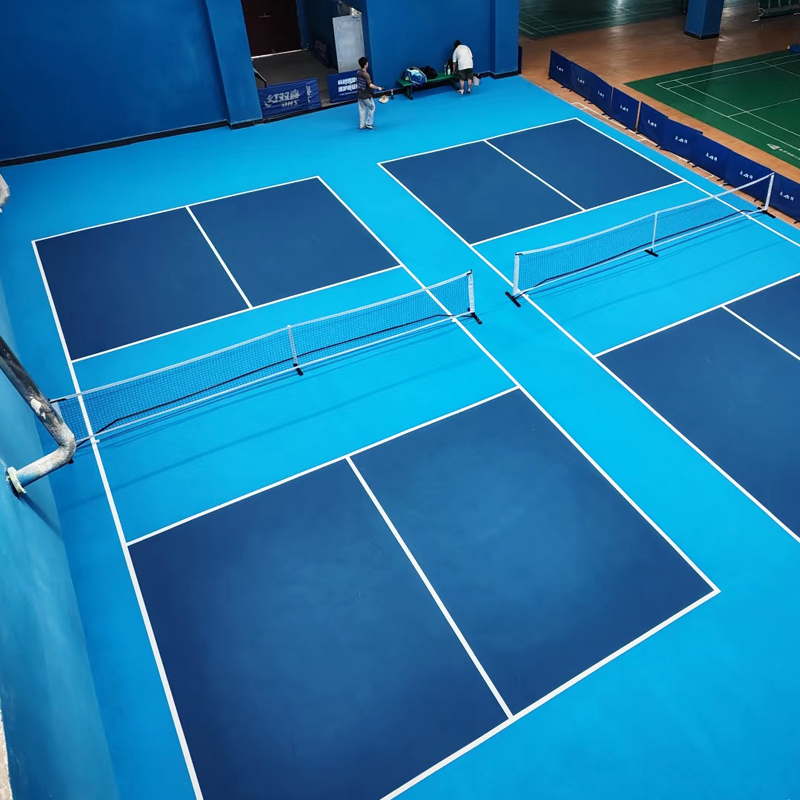
Indoor pickleball is rapidly gaining traction worldwide, attracting both casual players and professional athletes alike. One of the most crucial elements that can significantly affect a player’s performance on the court is the type of flooring used. Whether you’re setting up a court in a gymnasium, community center, or at home, choosing the right indoor pickleball flooring is essential for creating the best playing conditions.
The choice of flooring not only influences gameplay but also impacts the durability of the court, the safety of the players, and the long-term maintenance required. Poor flooring can result in uneven bounce, excessive fatigue, or even injuries. On the other hand, the right flooring provides superior grip, shock absorption, and consistent ball bounce, all of which enhance overall performance.
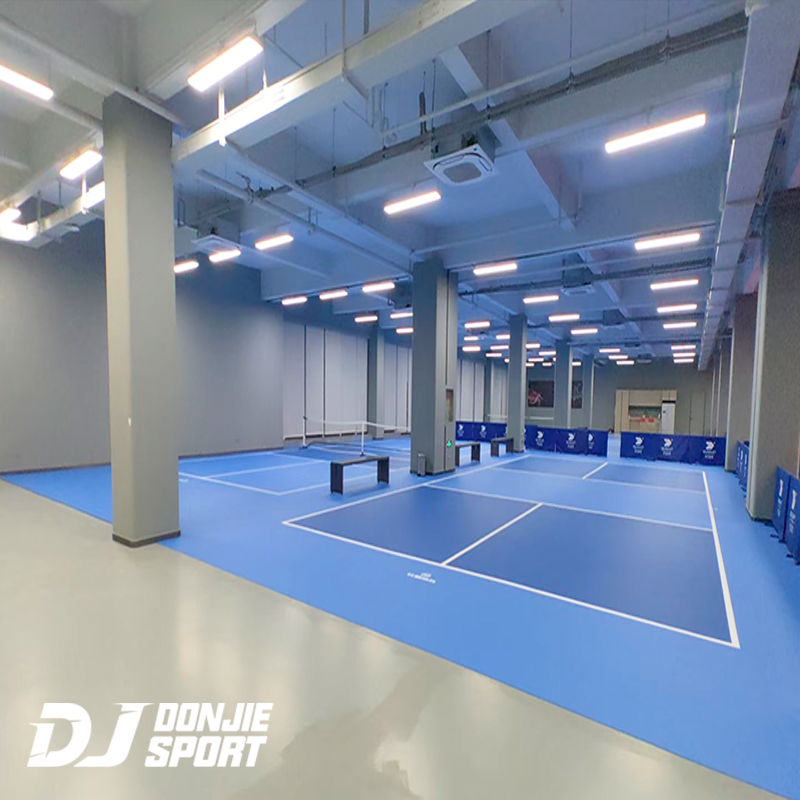
What Makes Indoor Pickleball Flooring Unique
Indoor pickleball courts require flooring that is specifically designed to provide optimal conditions for play. Unlike outdoor courts, which are exposed to the elements, indoor courts need flooring that can withstand constant use while maintaining performance characteristics throughout the year.
The Difference Between Indoor and Outdoor Pickleball Court Flooring
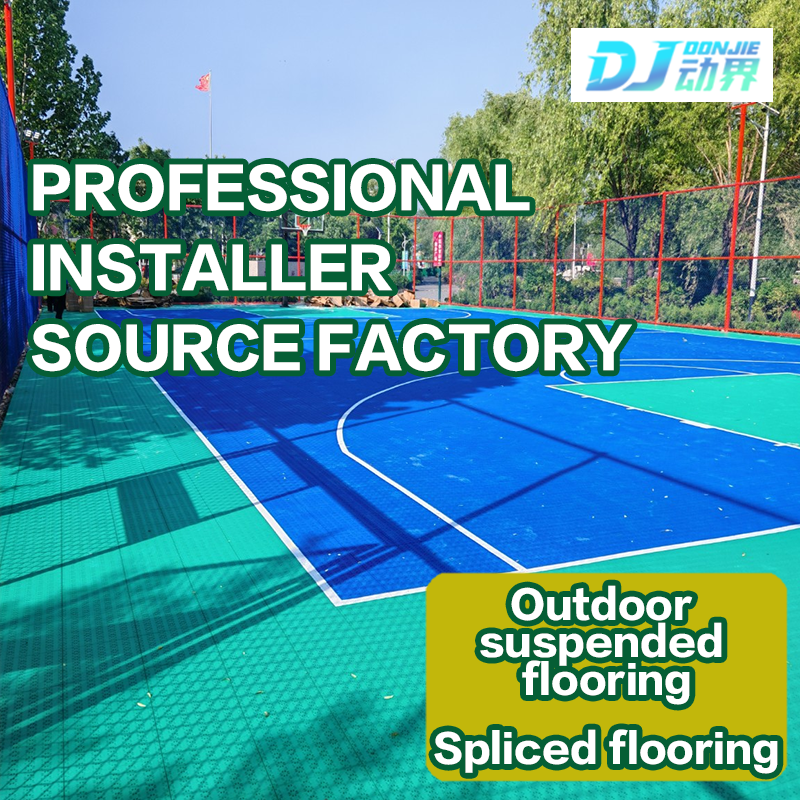
Outdoor pickleball courts typically use surfaces like asphalt, concrete, or acrylic coatings, which can handle various weather conditions. However, indoor courts need to accommodate different needs. For one, they must ensure a consistent playing surface regardless of external factors like temperature or humidity. Indoor flooring options often feature materials that offer better grip, cushioning, and even bounce compared to outdoor surfaces.
Materials Commonly Used for Indoor Pickleball Flooring
The most common materials used for indoor pickleball flooring include:
-
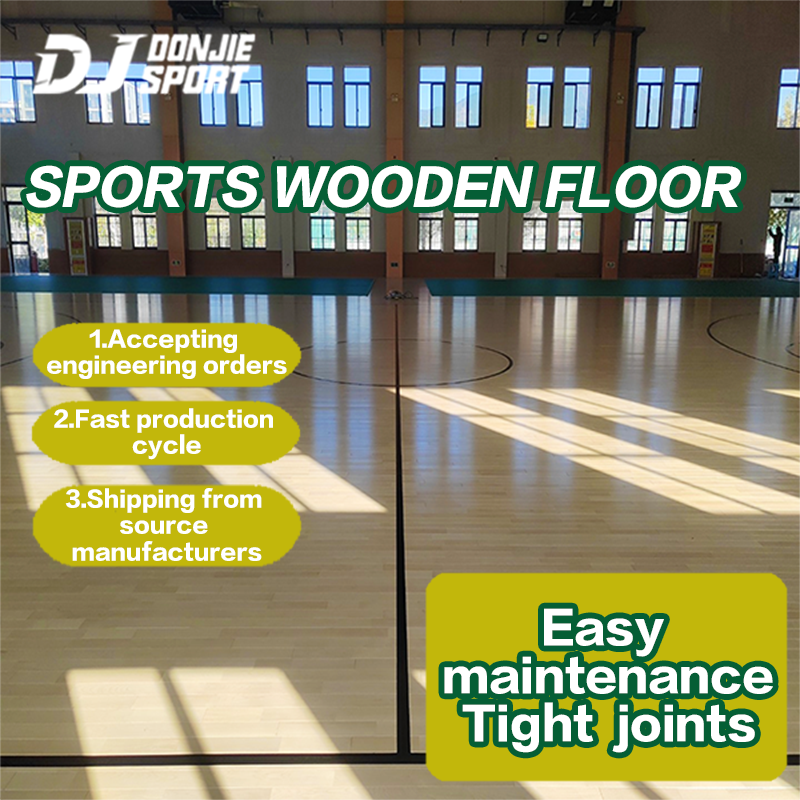
Hardwood: Known for its classic look and excellent bounce, hardwood is favored in many indoor sports venues. However, it requires regular maintenance and can be slippery if not properly treated.
-
Rubber: Rubber flooring is a popular option for indoor pickleball courts due to its superior shock absorption and durability. It helps reduce the impact on players’ joints, making it ideal for long sessions.
-
PVC: PVC flooring offers excellent durability and low maintenance, often used in facilities with high foot traffic.
-
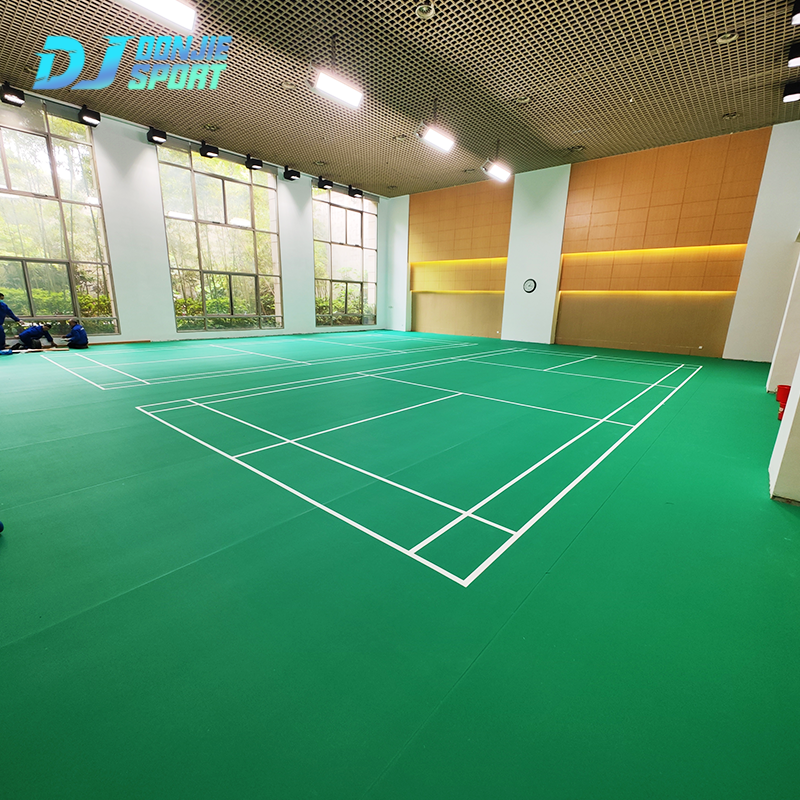
Vinyl: Vinyl flooring is another great option for indoor pickleball courts as it combines durability, ease of maintenance, and a soft feel underfoot.
Why Material Choice Matters
Selecting the right material impacts not just the aesthetics of the court but also the overall gameplay experience. A flooring material that provides the correct amount of cushion, traction, and bounce will ensure that players can perform their best while minimizing the risk of injury.
Enhancing Grip and Traction with the Right Flooring
One of the key aspects of indoor pickleball flooring is providing players with optimal grip. Whether you’re making quick lateral movements or stopping abruptly, the flooring needs to support these actions without slipping. Insufficient traction can cause players to lose their footing, increasing the risk of falls and injuries.
The Importance of Grip for Player Safety and Performance
Grip is vital not just for safety but for enhancing overall performance. Players need a surface that allows for swift, confident movements while reducing the strain on their knees and ankles. Flooring that’s too slick can result in slower reaction times and missed shots, while too much grip can make it harder to move smoothly, leading to fatigue.
Flooring Materials that Provide Optimal Traction
Rubber and PVC flooring are typically the best options for indoor courts when it comes to traction. These materials provide a perfect balance, ensuring that players have the grip they need without sacrificing fluidity in their movements. Additionally, some surfaces are textured or patterned to enhance traction, which helps players maintain control during fast-paced rallies.
Cushioning and Shock Absorption: Key to Reducing Injury
Pickleball, like many indoor sports, involves rapid movements, sudden stops, and jumps. This can put significant stress on the body, especially on the joints. Flooring with proper cushioning and shock absorption can reduce the impact on the body, providing a more comfortable and safer environment for players.
The Role of Shock Absorption in Injury Prevention
Flooring with adequate cushioning helps to absorb the shock of impact when players make fast movements or fall. Without this cushioning, players are at a higher risk of joint pain, especially in the knees, hips, and ankles. Floors that are too hard can lead to long-term injuries, whereas softer surfaces reduce the strain on muscles and joints, promoting a safer playing environment.
Flooring Options that Offer Cushioning Without Compromising Performance
Rubber flooring is one of the top choices for shock absorption. Its elastic nature provides a comfortable, cushioned surface without sacrificing traction or bounce. Vinyl and PVC flooring also offer varying levels of shock absorption, though rubber typically provides the best combination of comfort and durability.
Consistent Bounce: Why It’s Essential for Competitive Play
In any sport, consistency is key, and pickleball is no exception. Players rely on a predictable ball bounce to strategize their shots and responses. When the flooring affects the bounce of the ball, it can throw off a player’s timing and precision, diminishing the overall quality of the game.
The Significance of a Consistent Ball Bounce in Pickleball
A consistent bounce ensures that the ball reacts in the same way every time, allowing players to plan their moves effectively. Unpredictable bounces can make it more difficult to react in time, affecting the flow of the game. Therefore, choosing flooring that promotes a stable bounce is crucial for maintaining the integrity of the sport.
How Different Types of Indoor Flooring Impact Ball Bounce
Hardwood surfaces typically offer a more predictable and consistent ball bounce, making it a popular choice for many indoor courts. Rubber and PVC, while excellent for shock absorption, can sometimes affect the bounce slightly, though modern formulations of these materials have improved their consistency. Ensuring the right surface for ball bounce is essential for competitive players who require a high level of precision.
Maintenance and Durability of Indoor Pickleball Flooring
Once you’ve chosen the right indoor pickleball flooring, it’s important to consider how much upkeep it will require. While performance is crucial, durability and ease of maintenance should also factor into your decision. Floors that require constant attention can be a drain on resources and time.
How Easy It Is to Maintain Indoor Pickleball Floors
Rubber and PVC flooring are among the easiest to maintain. They can be cleaned with regular sweeping and occasional mopping without the need for specialized care. Hardwood floors, however, require more attention, including periodic refinishing and the management of wear and tear.
The Long-Term Durability of Different Flooring Materials
Flooring materials like rubber and PVC are incredibly durable and can withstand heavy foot traffic and constant use. Hardwood floors, while aesthetically pleasing, may show signs of wear over time and can be more prone to damage from moisture or improper cleaning.
How Choosing the Right Flooring Can Save Money in Maintenance
Investing in durable, easy-to-maintain flooring can save money in the long run by reducing repair costs and extending the lifespan of the court. Proper maintenance is also less time-consuming, allowing players and facility managers to focus on other aspects of the game.
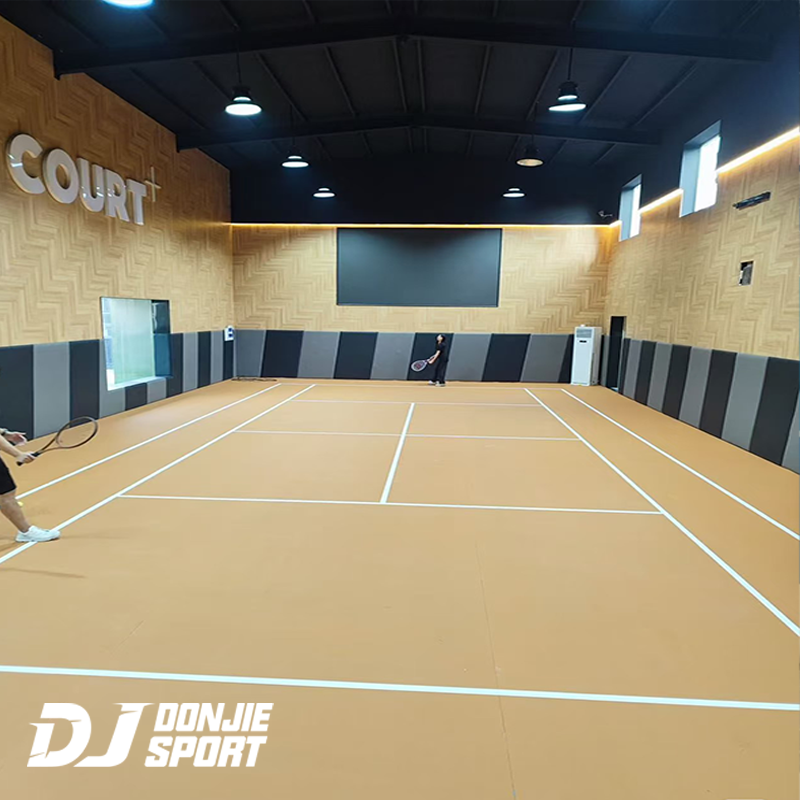
Choosing the Best Indoor Pickleball Flooring for Your Court
When selecting indoor pickleball flooring, there are several factors to consider, such as budget, performance requirements, and aesthetics. Whether you’re installing a court in a private home or a public facility, it’s important to choose a flooring material that meets the needs of your players.
Key Factors to Consider When Selecting Flooring for an Indoor Court
Consider the following factors when making your decision:
-
Traction: Look for materials that offer reliable grip for quick movements.
-
Shock absorption: Opt for flooring that reduces impact on the joints.
-
Durability: Choose flooring that will stand up to heavy use over time.
-
Maintenance: Factor in how much upkeep the flooring will require.
Pros and Cons of Popular Indoor Flooring Options
-
Hardwood: Offers great bounce and classic aesthetic but requires high maintenance and can be slippery without proper care.
-
Rubber: Excellent for shock absorption and durability but can sometimes affect ball bounce.
-
PVC/Vinyl: Low maintenance and durable but may not offer the same level of grip and bounce as rubber or hardwood.
Expert Tips for Making the Right Choice Based on Your Needs
If you prioritize low maintenance and durability, rubber or PVC might be the best choice. However, if you want a more traditional feel and reliable ball bounce, hardwood is a great option—just be prepared for more maintenance.
Transform Your Game with the Right Flooring
Choosing the right indoor pickleball flooring can have a profound impact on the quality of your game. From enhancing grip and traction to providing cushioning for injury prevention, the right flooring will elevate the playing experience for athletes at all levels. Whether you’re building a new court or upgrading an existing one, take the time to consider the materials that will best meet your needs, ensuring better performance and a safer environment.