When it comes to pickleball, every element of the court matters, from the net height to the paddle grip. However, one often overlooked factor that has a significant impact on gameplay is the flooring. The type of surface you play on can dramatically affect your performance, whether you’re a seasoned pro or just starting out. The right flooring can enhance your speed, agility, and comfort, while the wrong choice may lead to injuries or an uneven playing experience.
Pickleball flooring options are not just about aesthetics or cost; they directly influence player movement, ball bounce, and even injury prevention. Choosing the correct surface for your pickleball court is essential to ensure you get the best performance from every match. Let’s dive deeper into how flooring options impact your game and why it’s worth investing in the right material.
The Role of Surface Material in Pickleball Flooring
When it comes to pickleball flooring, one of the most critical decisions revolves around the material used for the surface. Different flooring materials affect the bounce of the ball, player movement, and overall gameplay in unique ways.
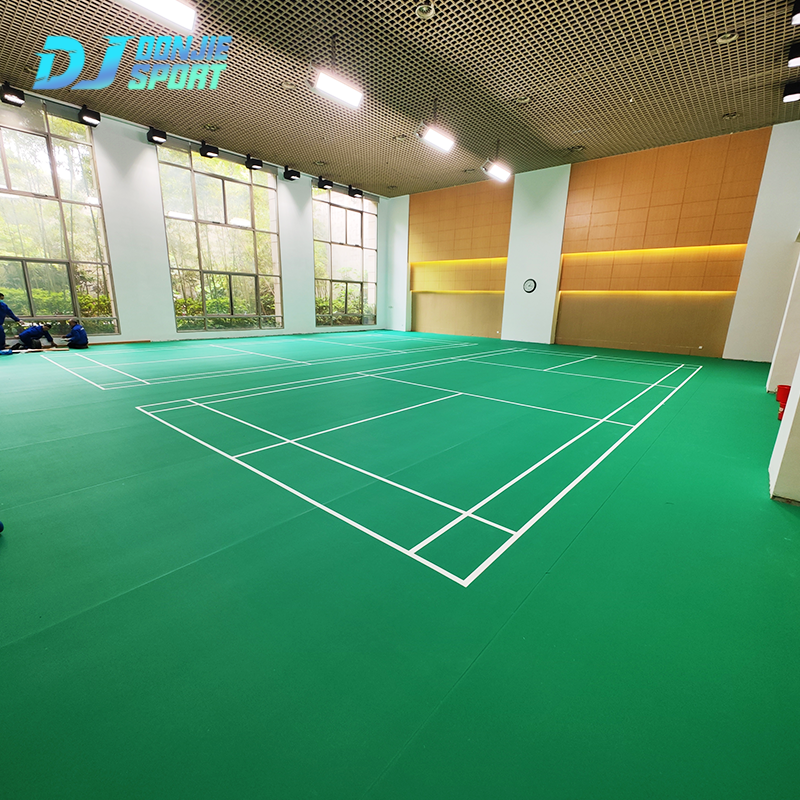
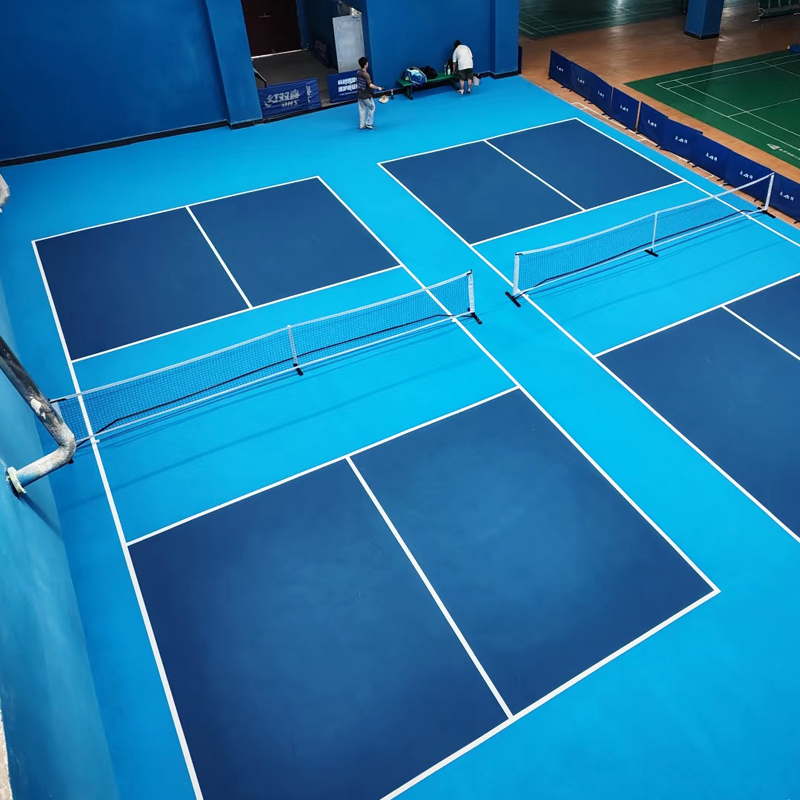
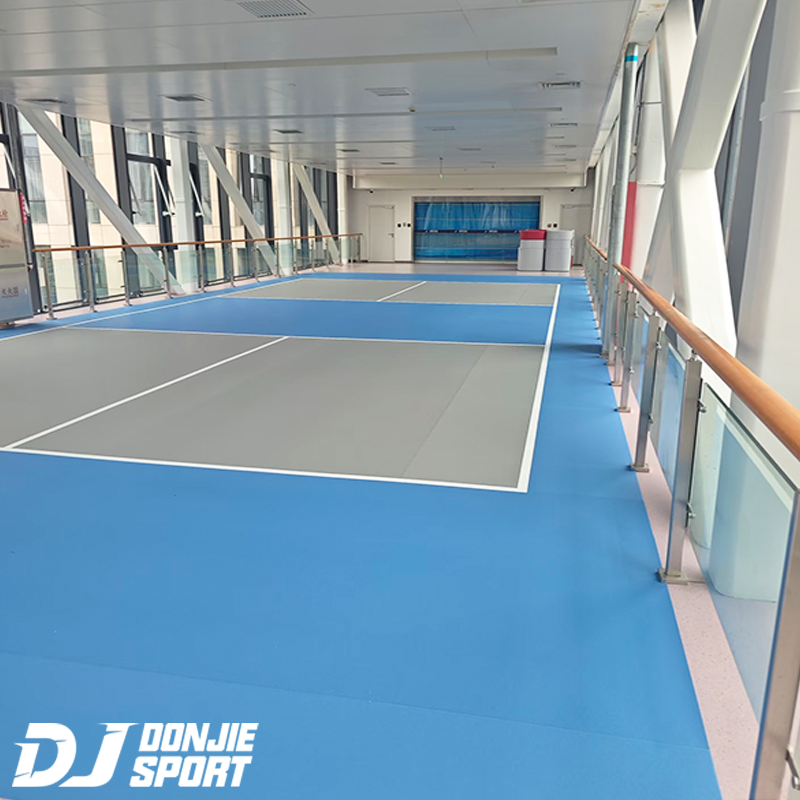
PVC Flooring is one of the most popular choices for indoor pickleball courts. Its smooth, uniform surface provides excellent ball bounce and consistent playability. PVC flooring also offers durability, resistance to wear and tear, and is easy to maintain. This makes it a top choice for facilities that host frequent games.
On the other hand, rubber flooring is another excellent option for both indoor and outdoor courts. Rubber provides a more cushioned feel, which helps reduce the risk of injury by absorbing impact. Its surface can sometimes be more textured than PVC, providing better grip for players who value traction. However, the texture can sometimes alter the bounce of the ball, which might not appeal to those looking for a perfectly consistent playing experience.
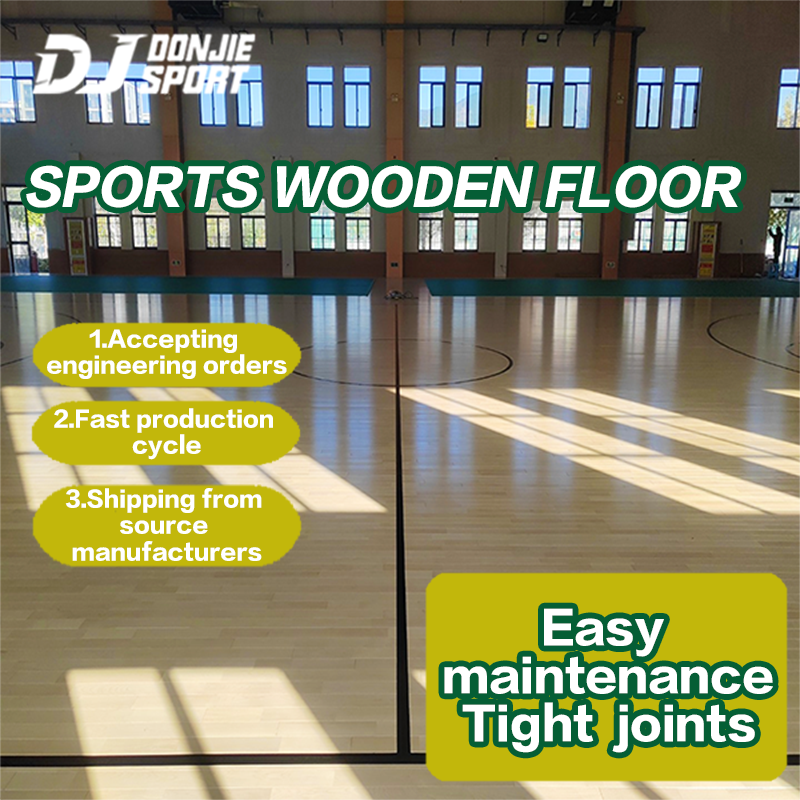
Wooden floors, commonly seen in gymnasiums, offer a traditional playing experience. The natural surface provides great ball bounce and a more familiar feel for many players. However, wood can require more maintenance compared to synthetic materials like PVC and rubber, especially in environments with high humidity or fluctuating temperatures.
Lastly, composite flooring materials are gaining popularity for their ability to combine the best of both worlds: durability, ease of maintenance, and a balanced playing surface. These materials are often used for both indoor and outdoor courts, providing versatility and consistency across different environments.
Traction and Grip: Key Factors for Performance
Traction is an essential element when considering flooring for pickleball courts. A floor that’s too slippery can lead to dangerous falls, while one with too much grip can inhibit quick movements and result in discomfort.
For optimal performance, traction should be balanced. Surfaces like rubber flooring offer a high level of grip, which can improve stability during fast movements and sudden stops. However, too much grip can make it difficult to slide or pivot quickly, which may be detrimental during fast-paced exchanges.
In contrast, PVC flooring typically offers a smoother surface, which can reduce friction but still maintain enough grip to ensure a solid stance without the risk of slipping. The balance between slip resistance and speed is essential for creating a court surface that supports quick, fluid movements while keeping players safe.
Shock Absorption and Impact on Joint Health
Pickleball, like many sports, places a great deal of stress on the body, particularly the joints. The flooring material plays a crucial role in reducing this impact and preventing injuries. Proper shock absorption ensures that the surface not only feels comfortable but also protects players from repetitive stress injuries, especially during fast-paced or high-intensity games.
Rubber floors are highly effective in this regard due to their ability to cushion impacts. These floors absorb the shock from jumps, sudden stops, and quick lateral movements, minimizing stress on the knees, ankles, and hips. This makes rubber flooring a great choice for pickleball players who are concerned about long-term joint health.
On the other hand, PVC flooring, while offering a solid surface for playing, may not provide as much cushioning as rubber. It’s important to consider this if you plan on hosting longer, more intense sessions, as players may experience more fatigue or discomfort.
When comparing various flooring materials, it’s clear that shock absorption is vital not only for injury prevention but also for enhancing overall performance by allowing players to move more freely and confidently on the court.
Durability and Maintenance of Pickleball Flooring
Durability is another key factor that influences both the performance and cost-effectiveness of pickleball flooring. Courts are subject to high levels of wear and tear, especially in environments with frequent play or outdoor exposure to the elements.
PVC flooring is known for its high durability and resistance to wear. It’s ideal for indoor courts and is relatively low-maintenance, only requiring occasional cleaning to remove dust and dirt. In comparison, rubber flooring can also offer long-lasting performance but may require more frequent maintenance to prevent degradation from UV exposure if used outdoors.
Wooden floors, though beautiful and traditional, often need more care, especially in high-traffic areas. Regular polishing, refinishing, and repairs are needed to maintain the aesthetic appeal and playability of wood floors, making them more suitable for less intensive play environments.
Composite flooring materials provide a balance of durability and ease of maintenance. These floors are designed to handle high volumes of traffic while being easy to clean and maintain. Whether you’re looking for a long-lasting, low-maintenance solution or a flexible flooring option that can adapt to both indoor and outdoor conditions, composite materials offer great value.
Indoor vs. Outdoor Pickleball Flooring: What You Need to Know
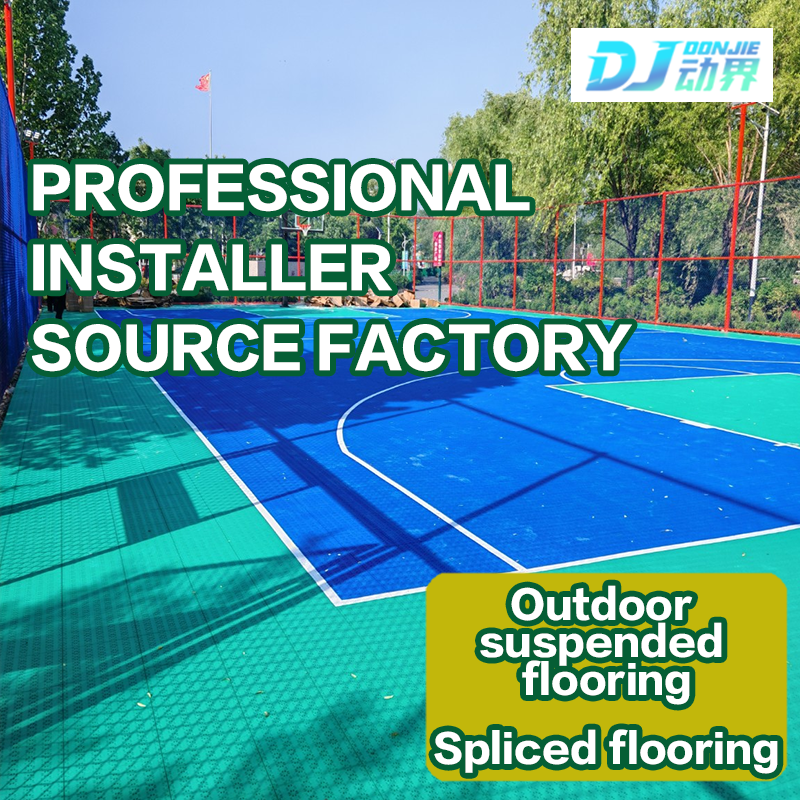
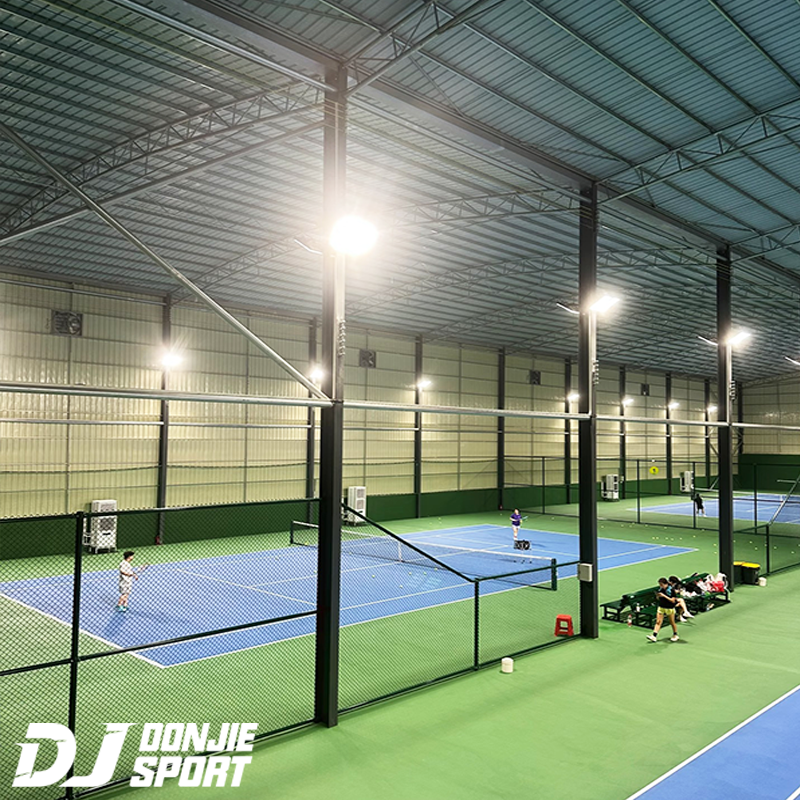
The choice of flooring material can also vary based on whether the court is indoor or outdoor. Outdoor courts are exposed to harsher conditions such as UV rays, weather, and temperature fluctuations. For these environments, rubber flooring and composite materials are typically more suited due to their ability to withstand outdoor conditions. These materials are resistant to fading, cracking, and damage caused by moisture.
Indoor courts, however, have a more controlled environment, so PVC flooring is often the preferred choice. It provides a consistent and uniform surface for indoor play, ensuring that the ball bounces consistently and that players can move smoothly across the court. However, some indoor courts may still opt for rubber flooring if players prioritize cushioned surfaces for extended game sessions.
Player Experience: How Flooring Affects Speed and Control
The right flooring doesn’t just improve the feel of the game; it significantly impacts how players perform. Speed and control are fundamental elements of pickleball, and flooring plays a big role in these factors. Courts with insufficient traction can make it harder to execute fast movements and quick stops, while flooring that provides too much grip can slow players down, reducing their agility.
For competitive players, PVC flooring is often favored for its combination of durability, smoothness, and low friction, which supports quick movements while maintaining control over the ball. Rubber floors, while providing excellent grip and shock absorption, might not be as fast and smooth as PVC, but they are still a popular choice for players who want comfort and reduced risk of injury.
Conclusion
Ultimately, the choice of pickleball flooring can make or break your game performance. From surface materials to traction, shock absorption, and durability, every aspect of your flooring decision directly affects how you play. The best flooring for you will depend on your playing style, court type, and personal preferences, but understanding the importance of each factor is key to making an informed decision.