When it comes to designing a sports hall, one of the most crucial considerations is the flooring. Sports hall flooring is not just about aesthetics or ease of maintenance; it plays a vital role in player performance, safety, and overall game quality. Different sports have unique requirements that influence the type of flooring material best suited for each activity. In this article, we explore how flooring materials vary for various sports, from basketball to badminton, and what factors you need to consider when selecting the perfect floor for your sports hall.
Each sport has its own set of demands: basketball courts require durable, shock-absorbing surfaces to handle high-impact movements; badminton courts need flexible, light materials that ensure fast footwork; futsal requires synthetic turf that mimics the feel of a real outdoor pitch. The right choice of flooring ensures a safe environment, reduces the risk of injury, and enhances player performance.
In the following sections, we will delve deeper into the key factors that influence flooring decisions and how these factors change based on the type of sport being played. Let’s start by understanding the core aspects that make sports hall flooring so important.
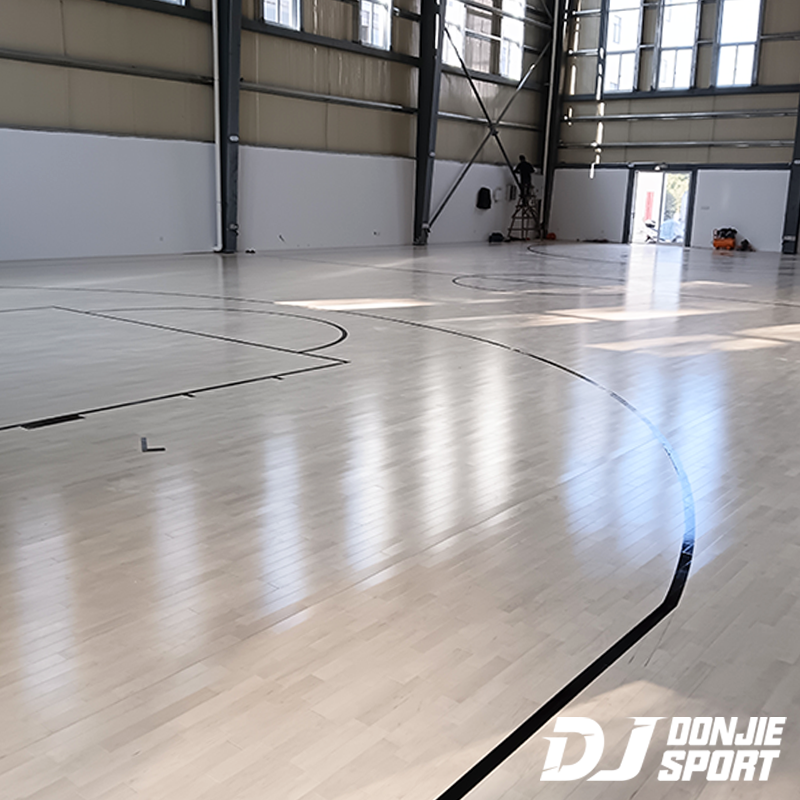
Understanding the Importance of Sports Hall Flooring
Sports hall flooring plays a critical role in ensuring that athletes perform at their best while maintaining safety. Whether it’s for a fast-paced basketball game or a high-flying volleyball match, the flooring must accommodate the specific demands of each sport. The right flooring material impacts not only the players’ movements but also their ability to compete without the risk of injury.
Proper flooring absorbs shock, provides grip, and ensures that the ball behaves predictably, which in turn supports athletes’ performance. Inadequate flooring can lead to slips, falls, and repetitive strain injuries, making it essential to choose materials that cater to the unique needs of each sport. By understanding the various factors that influence flooring choices, sports venues can select materials that optimize safety, performance, and durability.
Key Factors That Influence Sports Hall Flooring Choices
When choosing flooring for a sports hall, several factors come into play, each of which is tailored to the demands of the sport being played. Let’s explore the key considerations that determine the most suitable flooring materials:
-
Durability: High-traffic sports like basketball or indoor football require flooring that can withstand continuous use without showing signs of wear. Durability is a critical factor in sports hall flooring as it ensures long-lasting performance without frequent replacements.
-
Shock Absorption: For sports involving intense movements, such as jumping, sudden stops, and directional changes, flooring materials must provide adequate shock absorption to minimize the risk of injuries like sprains and joint damage. Basketball courts, for example, rely on materials that cushion these impacts, offering protection to athletes’ knees and ankles.
-
Traction and Grip: The level of friction on the surface is crucial to prevent slipping. Sports like badminton or volleyball require flooring that offers sufficient grip for quick movements, while basketball courts demand materials with just the right amount of slip resistance for fast lateral movements without being too sticky.
-
Aesthetic and Design Considerations: Floor color, patterns, and design can have a psychological effect on athletes and spectators alike. Bright and contrasting colors are often used in courts to help with visibility, while professional settings like basketball arenas require specific design aesthetics that match branding and team colors.
Flooring Materials for Basketball Courts
Basketball is a high-intensity sport that demands resilient, durable flooring capable of withstanding constant movement and high-impact actions. The most common materials for basketball courts include:
-
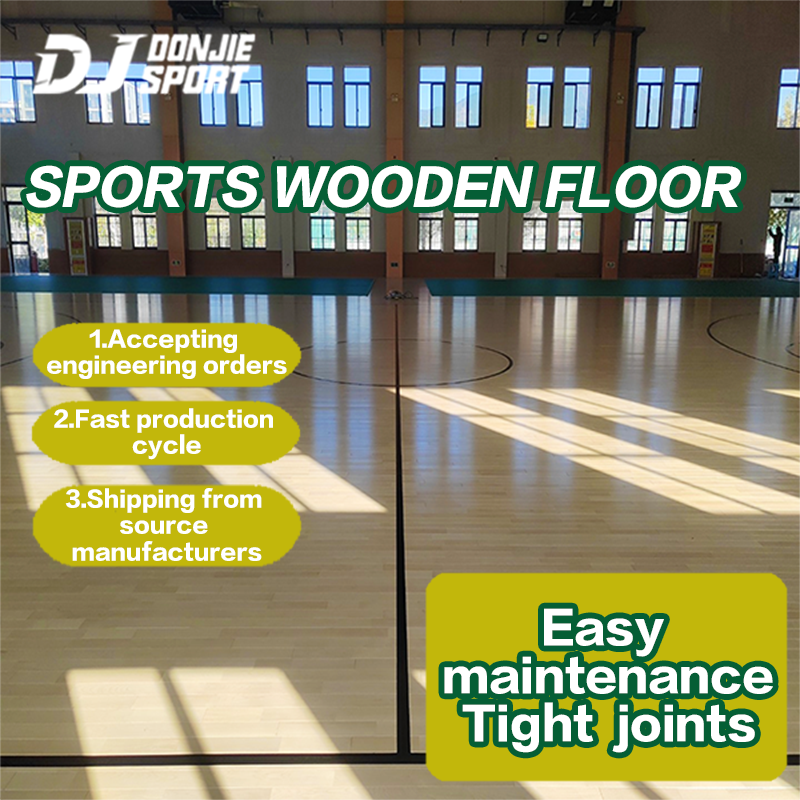
Wood: Traditionally, hardwood like maple is used for professional basketball courts due to its durability, aesthetic appeal, and ability to provide the right amount of shock absorption. Hardwood floors also offer an excellent bounce for the basketball, making it ideal for both professional and amateur play.
-
PVC: PVC flooring has grown in popularity for basketball courts due to its affordability, ease of maintenance, and consistent performance. It provides adequate cushioning and is easy to clean, though it may not provide the same level of bounce as hardwood.
-
Polyurethane: A popular choice for indoor courts, polyurethane floors are designed to offer excellent shock absorption while maintaining a durable surface that can withstand the high demands of the sport.
Each material comes with its own set of advantages, but hardwood remains the gold standard in professional basketball environments.
Flooring Materials for Badminton and Table Tennis
For sports like badminton and table tennis, the requirements are quite different. These sports demand light, fast flooring that allows for quick, sharp movements without compromising on player comfort. Common materials for these courts include:
-
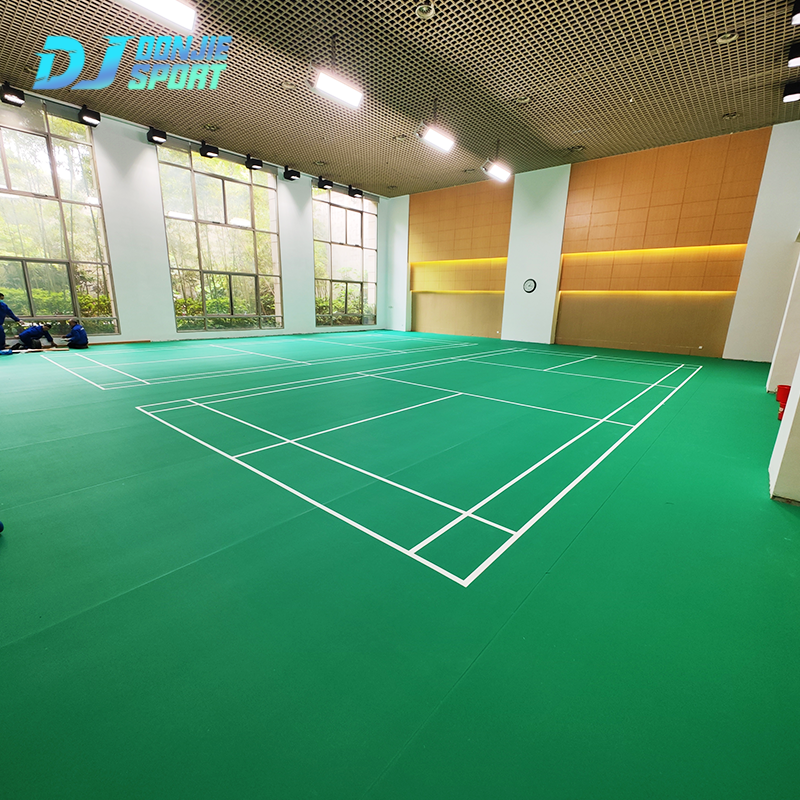
PVC: Flexible and lightweight, PVC flooring is a popular choice for badminton and table tennis courts. It offers a consistent, smooth playing surface that allows for rapid footwork, while still providing some shock absorption to reduce stress on players’ joints.
-
Rubber: Rubber flooring is another option for sports like badminton. It provides excellent traction, which is essential for these fast-paced sports, while also offering enough cushioning to protect players from high-impact movements.
-
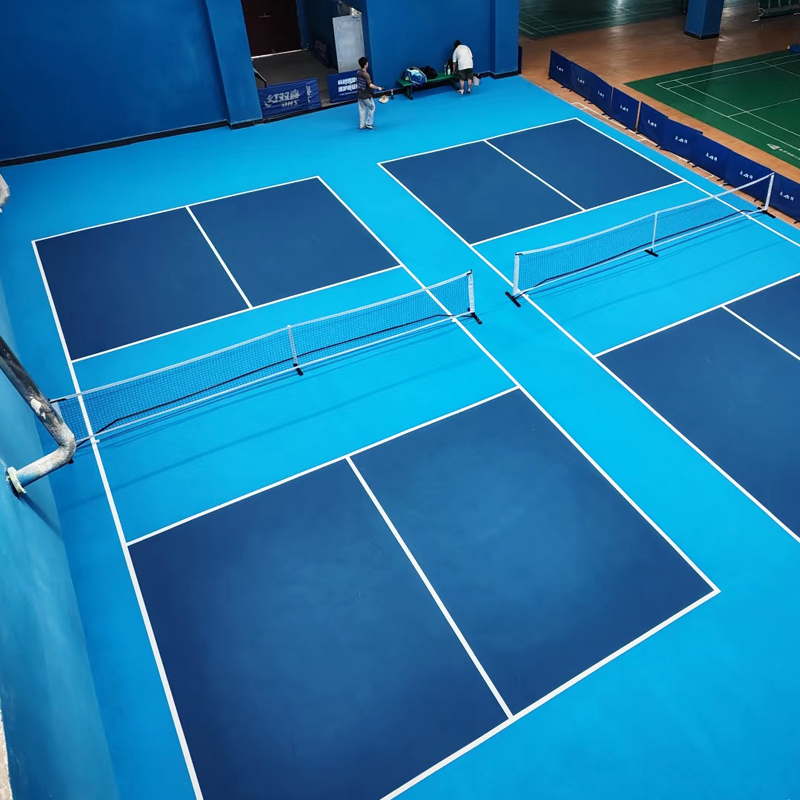
Multi-Sport Flooring: Many venues opt for multi-sport flooring systems that can be used for both badminton and table tennis, as well as other sports. These systems typically use interlocking tiles that can be easily replaced or repaired when needed.
These materials offer a balance of durability, performance, and comfort for athletes in these sports.
Flooring Materials for Indoor Football and Futsal
Indoor football and futsal require specific flooring that mimics the feel of an outdoor pitch while providing a safe environment for fast, dynamic play. The most common flooring materials include:
-
Artificial Turf: This material provides a realistic outdoor playing experience, with the added benefit of being able to handle the wear and tear of indoor use. It offers great ball bounce and is especially suitable for futsal courts.
-
Rubber Tiles: Rubber flooring provides excellent grip and cushioning, which is crucial for players who frequently make quick directional changes. It also prevents the ball from bouncing erratically, ensuring consistent gameplay.
-
Cushioned Flooring Systems: These systems are a hybrid of synthetic grass and rubber, designed to provide both durability and shock absorption, making them ideal for the high-speed demands of futsal and indoor football.
Flooring Materials for Volleyball Courts
Volleyball courts require flooring that can support high-impact activities like jumping and diving. The flooring must offer shock absorption while remaining stable enough to allow for fast movements. Common materials include:
-
Wood: Wood flooring, particularly hardwood, is often used for professional volleyball courts. It provides the necessary cushioning for landing after jumps and helps maintain the consistency of the game.
-
PVC and Cushioned Vinyl: These materials are used for volleyball courts where high performance and safety are required. They offer superior shock absorption while being durable and easy to maintain.
These flooring types support the dynamic nature of volleyball, ensuring safety and enhancing performance.
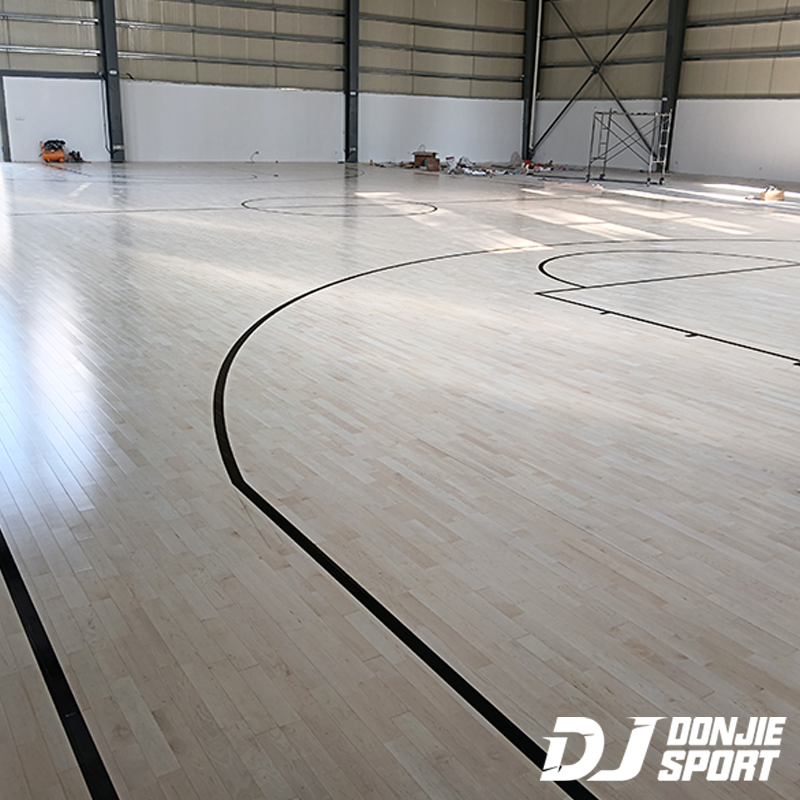
Multi-Sport Flooring Solutions
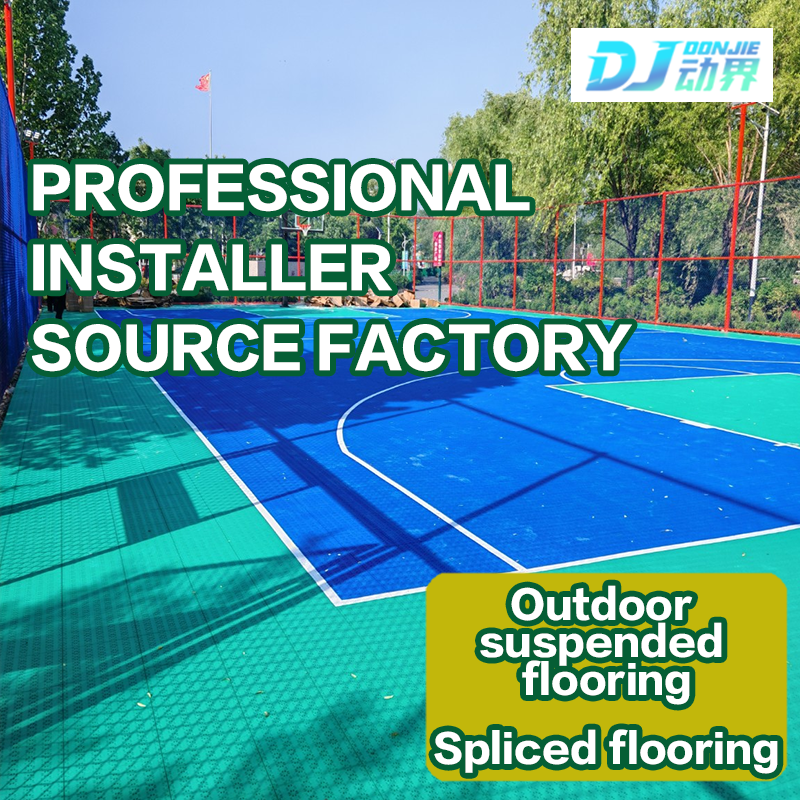
In sports halls that cater to various sports, the flooring needs to be versatile. Multi-sport flooring systems, such as hybrid materials and interlocking tiles, offer a flexible solution for venues that host different types of events. These floors are designed to balance the unique requirements of multiple sports, from basketball to badminton, ensuring performance, durability, and safety for all types of play.
Conclusion
Choosing the right flooring material for a sports hall is critical to ensuring that athletes can perform safely and effectively. From the high-impact needs of basketball to the agility requirements of badminton and volleyball, each sport demands a specific set of qualities from its flooring. Whether you’re designing a multi-sport venue or focusing on a single sport, understanding how different materials meet the needs of athletes can guide you in making the right decision for your facility.
By investing in the appropriate flooring for each sport, sports venues can enhance player performance, reduce injuries, and ensure long-lasting durability. Consulting with experts in sports hall flooring is key to making an informed decision that optimizes both safety and playability.