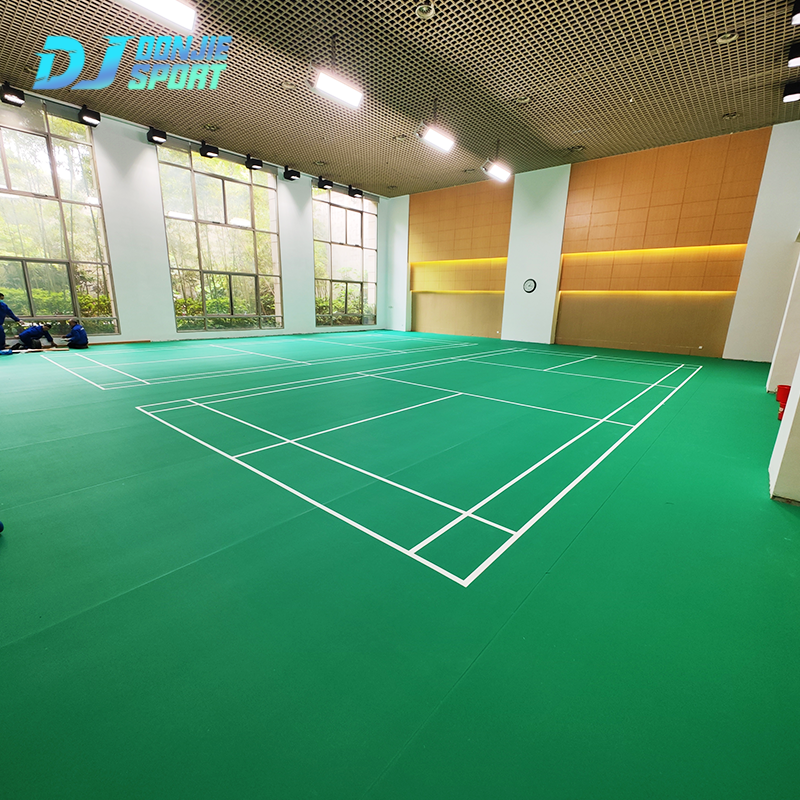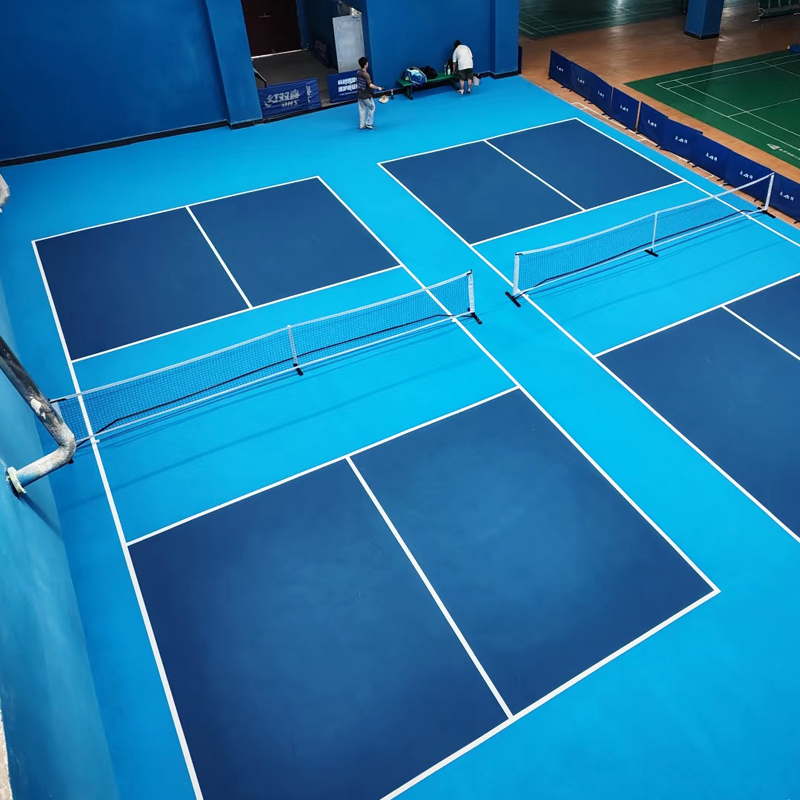
When it comes to setting up a badminton court, one of the most crucial decisions is selecting the right flooring. Badminton is a fast-paced sport that involves rapid movements, quick direction changes, and intense physical exertion. The quality of the court surface can significantly influence not just game performance but also player safety. Badminton court flooring plays a vital role in reducing the risk of injuries. In this article, we’ll explore how synthetic flooring specifically helps prevent injuries and why it’s a top choice for both amateur and professional badminton courts.
Choosing the right flooring for a badminton court isn’t just about aesthetics or durability; it’s about ensuring the surface contributes to a safer playing environment. The type of badminton court flooring you install can either enhance or diminish your court’s performance and safety features. With synthetic flooring, players are not only guaranteed a high-performance surface but also one that reduces the likelihood of injuries such as sprains, strains, and joint discomfort.
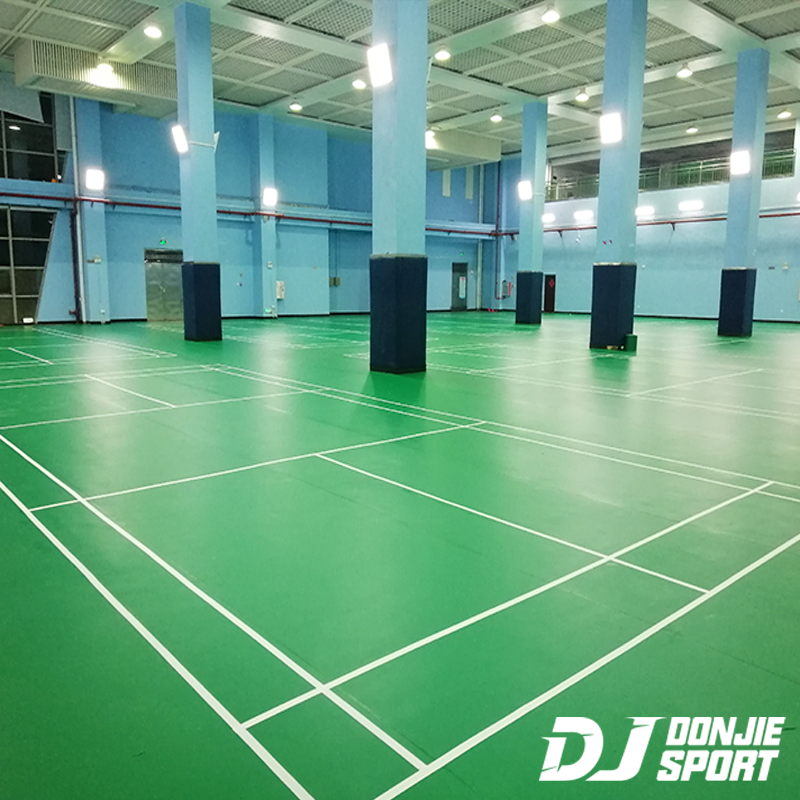
The Role of Synthetic Flooring in Reducing Injury Risks
Badminton involves rapid lateral movements, quick stops, and jumps, which can put a significant strain on players’ joints and muscles. Synthetic flooring is specifically designed to address these challenges by providing a surface that is both supportive and responsive to player movements. Traditional hardwood or concrete floors may lack the cushioning needed to absorb the shock of fast-paced footwork, which increases the risk of injury.
Synthetic badminton court flooring, on the other hand, is engineered to deliver consistent performance while ensuring safety. These surfaces are designed with the player’s well-being in mind, offering shock-absorbing properties that help reduce the intensity of each impact. By using materials that adapt to the player’s movements, synthetic flooring helps minimize the likelihood of injuries caused by repetitive strain or sudden forceful impacts.
Shock Absorption: A Key Factor in Injury Prevention
One of the primary advantages of synthetic badminton flooring is its superior shock absorption capabilities. Shock absorption technology helps to reduce the impact that players experience with every step, jump, or lunge. This is especially important in sports like badminton, where quick movements and jumps are routine.
For players, this means less stress on the knees, ankles, and lower back—areas that are especially vulnerable to injury during high-impact sports. The ability of synthetic flooring to absorb and disperse the shock of hard landings significantly reduces the risk of joint injuries, sprains, and muscle strains.
In particular, high-quality synthetic surfaces are designed to offer a cushion-like effect, which decreases the overall impact on the body. Unlike harder surfaces, which can increase the force transmitted to the player’s body, synthetic flooring mitigates this risk by providing a supportive, yet firm, surface that protects the players without compromising performance.
Consistency and Traction: How Synthetic Flooring Provides Stability
In addition to shock absorption, synthetic badminton flooring offers excellent traction and consistency, both of which are critical in preventing injuries. Traction is particularly important in preventing slips, falls, and missteps during fast movements. A court with poor traction can cause players to lose their footing unexpectedly, which often leads to ankle sprains, knee injuries, or even more severe accidents.
Synthetic badminton court flooring is designed with a high coefficient of friction that ensures optimal grip, giving players the stability they need during play. This consistent traction reduces the likelihood of sudden, uncontrolled movements that may lead to injury. Furthermore, the surface’s uniformity ensures that players experience the same level of grip and stability, regardless of where they move on the court.
For example, when a player lunges to hit a shuttlecock, they rely heavily on the traction of the floor to prevent slipping. Synthetic flooring, with its textured surface, provides just the right amount of resistance to enhance player stability and minimize the risk of falls.
Cushioning and Comfort: Protecting Players from Strains and Sprains
In addition to shock absorption, synthetic flooring is often designed with extra cushioning to improve comfort and reduce the strain on players’ bodies. Cushioning helps distribute the body’s weight more evenly, which lessens the pressure on key joints and muscles. This is particularly beneficial during long matches or training sessions where the body is subjected to repetitive motions and stress.
For badminton players, the benefits of cushioning are particularly noticeable in the legs and lower body. With synthetic flooring, the surface adapts to the player’s movements, reducing the impact on the feet, knees, and hips. This additional layer of comfort helps prevent overuse injuries like tendinitis, stress fractures, and muscle fatigue, which are common in players who train or compete regularly.
The ability to tailor the level of cushioning in synthetic flooring also provides another layer of protection. Flooring systems can be customized to suit different levels of play, providing additional support for players who need it, whether they are beginners, recreational players, or professionals.
Customizable Solutions: Flooring Options Tailored to Player Needs
Not all players have the same needs when it comes to court flooring. Whether you’re constructing a recreational badminton court or a high-performance arena, synthetic badminton flooring can be tailored to meet specific requirements. Flooring options vary in thickness, cushioning, and texture, allowing facility managers to choose the best solution for their space and audience.
For example, beginners or casual players may benefit from a softer, more cushioned surface to reduce the risk of strain. On the other hand, professional athletes may require a slightly firmer surface that still provides adequate cushioning but with a more responsive feel for performance. These customizable solutions ensure that players of all skill levels can benefit from flooring that supports both their safety and performance.
Durability and Long-Term Protection
Synthetic badminton court flooring is known for its exceptional durability, which is another key factor in injury prevention. Traditional court surfaces can wear down over time, creating uneven areas that may increase the risk of trips and falls. This issue is eliminated with synthetic flooring, which is designed to withstand high levels of foot traffic, intense gameplay, and environmental conditions.
Durable synthetic flooring helps maintain a consistent playing surface over many years, which ensures that players are protected throughout the lifespan of the court. It is resistant to abrasions, impact, and environmental factors like moisture and UV light, which would degrade traditional flooring materials. This long-lasting durability reduces the chances of damage that could lead to dangerous uneven surfaces, ultimately promoting safety and reducing the need for frequent repairs or replacements.
Investing in Safety with Synthetic Badminton Court Flooring
In conclusion, synthetic badminton court flooring is an essential investment for facilities that prioritize player safety and performance. By providing superior shock absorption, consistent traction, cushioning, and durability, synthetic flooring helps reduce the risk of injuries such as sprains, strains, and joint damage. These surfaces are designed with player well-being in mind, offering both comfort and protection during play.
Whether you are upgrading an existing badminton court or designing a new one, choosing the right flooring is an investment that ensures long-term safety for athletes. Prioritize synthetic flooring for its injury-prevention benefits, and create a court that enhances both performance and player well-being.