When it comes to setting up a dance studio, the importance of choosing the right flooring cannot be overstated. Dance floors are more than just a surface to stand on—they play a crucial role in both the performance and comfort of dancers. Whether you’re practicing ballet, hip-hop, or contemporary dance, the right floor can significantly impact movement efficiency, safety, and overall experience. This article will delve into how the right dance floor can boost performance and comfort, focusing on the materials, benefits, and maintenance that make a difference for dancers.
Understanding the Basics of Dance Floors
Dance floors are designed with both form and function in mind. A good dance floor isn’t just aesthetically pleasing—it must also cater to the specific needs of dancers. The right surface provides essential support, reducing the risk of injury while enhancing performance.
What Makes a Good Dance Floor?
A high-quality dance floor is typically sprung, meaning it has a layer of cushioning beneath the surface that absorbs shock. This shock absorption is critical to reducing the strain on a dancer’s joints, especially during high-impact moves. Additionally, the floor should offer a balance of traction and smoothness. Too much grip can hinder movement, while too little can increase the risk of slipping.
Materials Commonly Used for Dance Floors
There are several materials that are commonly used in dance flooring, each catering to specific needs:
-
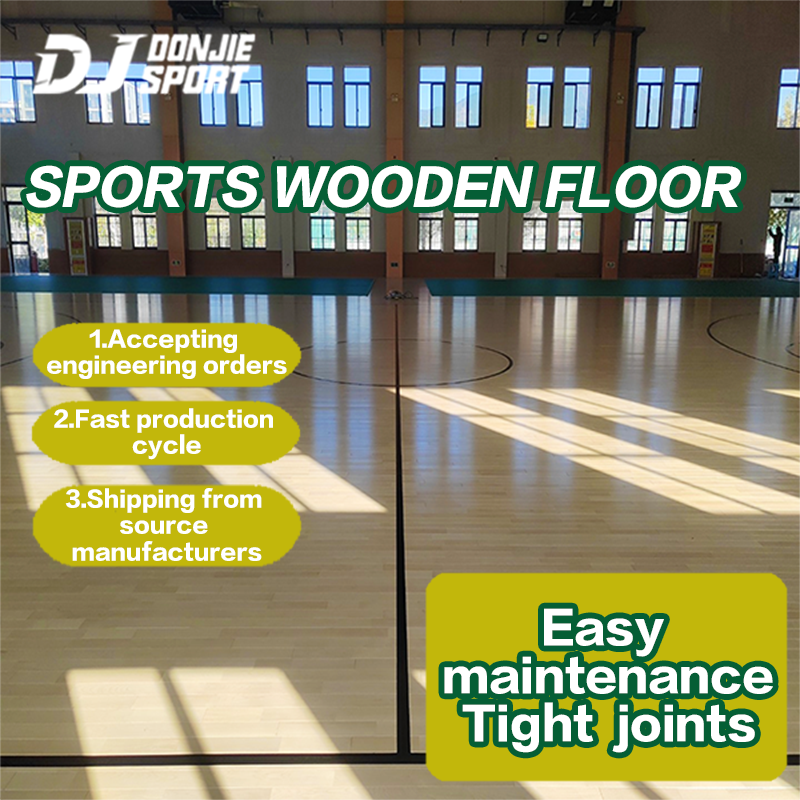
Hardwood: Classic and durable, hardwood floors offer a great mix of performance and comfort, ideal for styles like ballet and jazz.
-
Sprung Floors: A top choice for professional dance studios, sprung floors combine cushioning with stability, enhancing dancer safety and performance.
-
Vinyl and Laminate: These are low-maintenance and provide a smooth, forgiving surface, often used in contemporary dance and hip-hop.
-
Marley Flooring: This synthetic material is often preferred for modern and ballet dance. It’s known for its low-slip properties and durability.
Each material offers different advantages, and the best choice depends on the specific needs of the dancers and the studio.
The Role of Shock Absorption
When dancers land from jumps or perform rapid movements, their bodies experience significant impact forces. A dance floor with good shock absorption reduces these forces, which helps prevent injuries to the ankles, knees, and spine. The ideal floor will provide a balance between cushioning and support, ensuring the dancer’s movements feel natural while offering protection.

How the Right Dance Floor Enhances Performance
A dance floor is not just about comfort—it’s also integral to performance. The right surface can significantly affect how efficiently a dancer moves and how their body interacts with the floor. Here’s how:
Boosting Movement Efficiency and Energy Return
An ideal dance floor should be responsive, providing energy return that propels the dancer’s movements. For instance, sprung floors offer excellent shock absorption while returning energy, making every jump or leap feel lighter and more controlled. This energy return can also help dancers sustain their stamina throughout long practice sessions, improving performance during rehearsals and live performances.
Improving Safety: Minimizing Slips and Falls
Dance floors are designed to reduce the risk of accidents like slips and falls. Floors with appropriate levels of grip allow dancers to make sharp turns, sudden stops, and quick pivots without losing control. However, too much grip can also pose a risk, as it may hinder the dancer’s ability to execute fluid movements. A well-balanced floor surface helps dancers maintain optimal control over their movements, reducing the likelihood of injuries.
Tailoring Floors to Specific Dance Styles
Different dance styles require different flooring properties. Ballet dancers need floors that provide a combination of support and smoothness, allowing for pirouettes and leaps without straining their joints. On the other hand, hip-hop dancers benefit from floors that offer more traction to prevent slipping during fast, sharp movements. Understanding the requirements of each dance style is essential in choosing the right flooring material and design.
Enhancing Traction for Different Dance Techniques
Traction is a crucial factor for many dance styles. For example, ballroom dancers need floors that allow for smooth gliding movements without being too slippery. Modern dancers, on the other hand, require flooring with a bit more grip to support ground work and acrobatic moves. The right balance of traction ensures that dancers can execute complex choreography with confidence.
The Comfort Factor: How Flooring Affects Dancer Well-being
While performance is key, comfort is just as important when selecting a dance floor. A comfortable floor supports the dancer’s well-being by preventing fatigue and reducing the risk of injury during practice.
Preventing Injuries with Proper Cushioning and Support
A floor with sufficient cushioning can prevent overuse injuries, especially in styles that involve a lot of jumping or footwork. Proper cushioning helps to absorb impact, reducing the stress on the body’s muscles and joints. Dancers who practice on surfaces with poor cushioning are at a higher risk for stress fractures, shin splints, and other overuse injuries.
Impact on Foot Health and Posture
The right flooring also influences foot health and overall posture. A surface that provides good support promotes proper alignment, which is essential for preventing injuries. Dance floors that are too hard or too soft can cause misalignments, leading to chronic pain or discomfort. When the floor offers the right amount of give, dancers can maintain optimal posture, reducing strain on the back, hips, and knees.
Reducing Fatigue During Extended Practice Sessions
Long rehearsal sessions can take a toll on dancers. However, the right floor can help reduce fatigue by offering shock absorption and support that minimizes the physical strain on dancers. Floors that are too hard can quickly lead to tiredness, while those that are too soft might not provide enough support for intense movements. Finding the perfect balance can make a significant difference in how a dancer feels during and after practice.
The Relationship Between Flooring and Studio Atmosphere
The choice of flooring also affects the overall atmosphere of a dance studio. It’s not just about functionality—visual appeal and acoustics are equally important.
Aesthetic Considerations
The right dance floor can transform a studio’s look and feel. Many studios choose floors that complement their brand, aesthetic, and the ambiance they want to create. Whether it’s the warm tones of a hardwood floor or the sleek, modern look of a vinyl surface, the floor can be a visual statement that enhances the studio’s overall environment.
Acoustic Benefits of Quality Dance Floors
A well-chosen dance floor can improve the acoustics of a dance studio. For example, sprung floors can dampen the sound of heavy footsteps and jumps, creating a quieter and more focused environment for dancers. This is particularly important for styles like ballet, where precise timing and sound are crucial. The right floor can help create the perfect soundscape for dancers to stay in tune with their movements.
Influence on Overall Vibe and Mood
The studio’s atmosphere plays a significant role in a dancer’s mental state. A comfortable, aesthetically pleasing environment can inspire creativity and elevate performance. A high-quality dance floor sets the tone for an enjoyable practice space, where dancers feel motivated and safe.
Maintaining Dance Floors for Long-Term Performance
A great dance floor doesn’t just improve performance and comfort in the short term—it can also last for years if properly maintained. Regular care ensures the flooring remains in top condition, supporting dancers’ safety and performance for years to come.
Regular Care and Cleaning Routines
Dance floors require regular cleaning to remove dust, dirt, and debris that can create slip hazards. Depending on the material, floors should be cleaned with appropriate products to preserve their integrity. For example, vinyl floors may need a different cleaning routine than wood or laminate floors. A professional maintenance schedule ensures that the floor continues to perform optimally.
Signs That It’s Time to Replace or Repair the Flooring
Over time, even the best dance floors may start to show signs of wear. Look out for any uneven spots, cracks, or areas that lose their shock absorption. If the floor feels overly hard or slippery, it might be time to replace it. Regularly inspecting the floor and addressing minor issues early can extend its life and ensure dancer safety.
Impact of Proper Maintenance on Performance and Safety
A well-maintained floor enhances both safety and performance. Floors that are consistently cleaned and repaired are more resilient, reducing the chances of accidents. Regular care also ensures that dancers can continue to perform their best without being hindered by floor imperfections.

Choosing the Best Dance Floor for Your Studio
Selecting the ideal dance floor requires careful thought. Factors such as the type of dance, budget, studio size, and flooring preferences all come into play.
Factors to Consider: Size, Budget, Dance Style, etc.
The first step in choosing the right dance floor is to assess your studio’s needs. For larger spaces, sprung floors may be a better option, while smaller studios might benefit from vinyl flooring. The type of dance performed in the studio should also influence the decision—ballet requires a different surface than hip-hop, for example. Finally, consider your budget. Quality dance floors can be an investment, but their durability and performance benefits often make them worth the cost.
Popular Dance Floor Options and Their Benefits
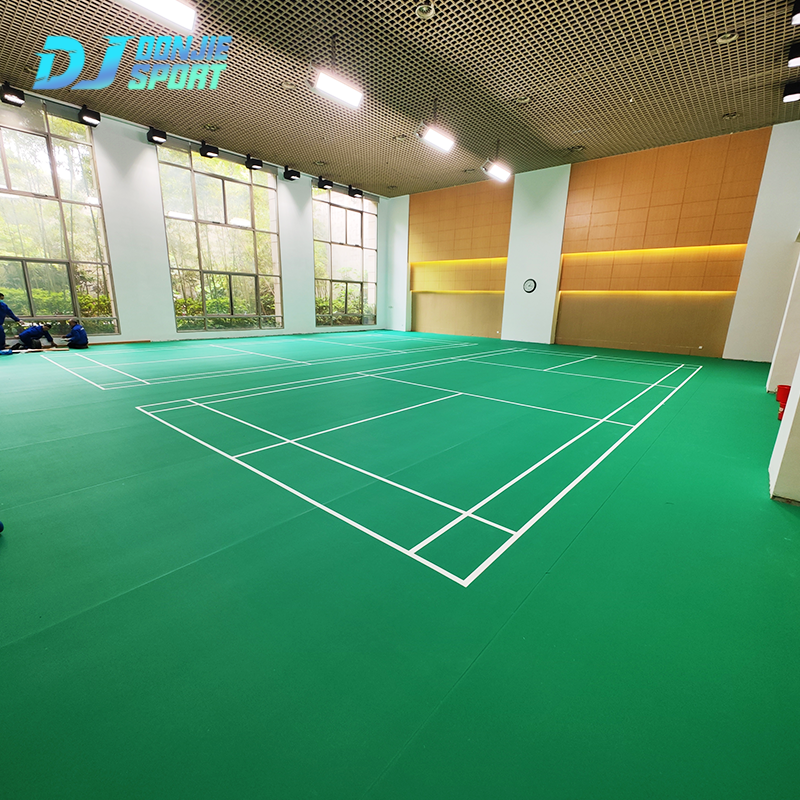
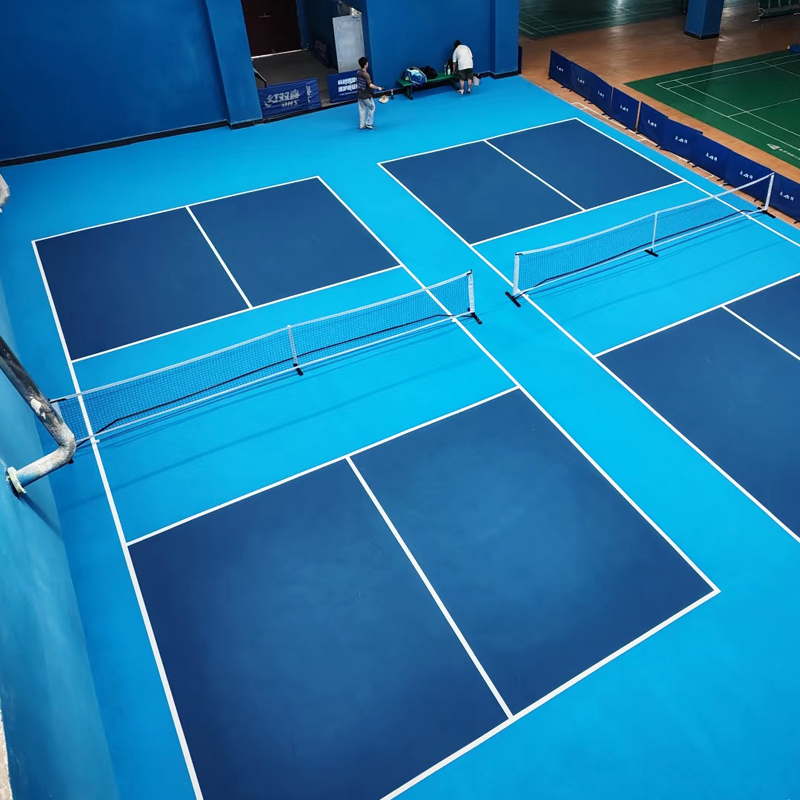
Popular options include wood, vinyl, and Marley flooring, each with unique benefits depending on the needs of the dancers. Wood floors are durable and aesthetically pleasing, while vinyl and Marley floors provide easy maintenance and excellent grip. Each material offers advantages for specific styles, so choose wisely based on your studio’s requirements.
Professional Installation vs. DIY: What’s Best for Your Studio?
While DIY installation may seem like a cost-effective option, professional installation ensures the floor is set up correctly and safely. Professionals can also provide guidance on floor maintenance and repair, helping your investment last longer and perform at its best.
Conclusion
The right dance floor can do wonders for both performance and comfort. By understanding the materials, maintenance, and specific requirements of your studio, you can select the flooring that best suits the needs of your dancers. From minimizing injuries to enhancing movement, the quality of your dance floor can make a huge difference in the overall studio experience. Don’t overlook this crucial aspect of your dance space—it’s an investment in both the safety and success of your dancers.