Budgeting for sports hall flooring installation and maintenance is a crucial aspect of managing any sports facility. The right flooring ensures safety, comfort, and performance, but the costs associated with installation and upkeep can be significant. This article will guide you through the process of planning a budget for your sports hall flooring, helping you to make informed decisions and save money in the long run. We will cover everything from understanding the flooring options to managing ongoing maintenance costs and finding cost-effective solutions.
Understanding Sports Hall Flooring Options
The first step in budgeting for sports hall flooring is understanding the various materials available. The type of flooring you choose will have a significant impact on both the initial installation cost and long-term maintenance expenses. Below are some of the most popular options:
-
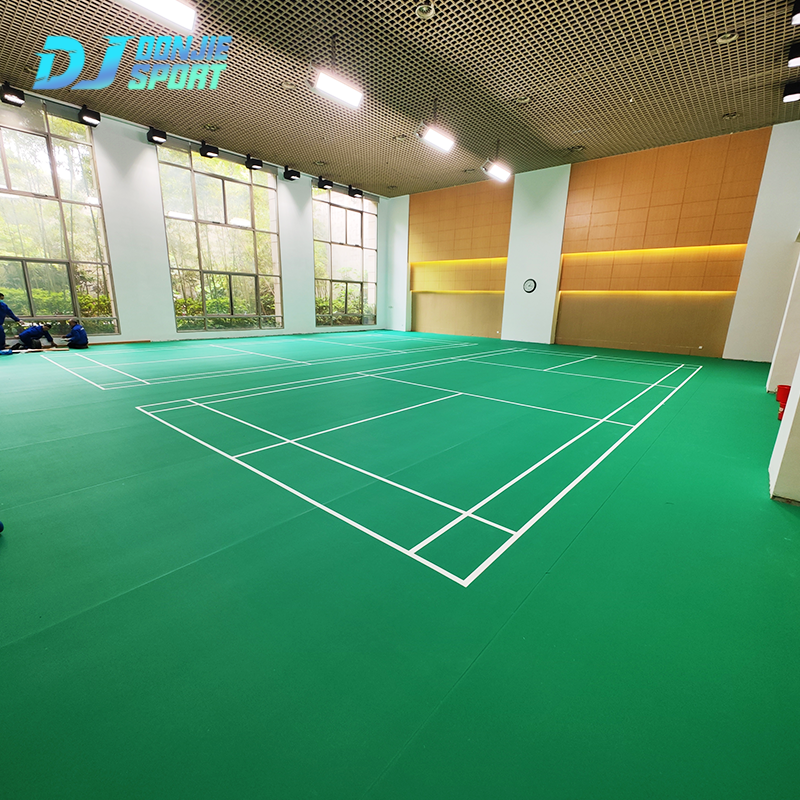
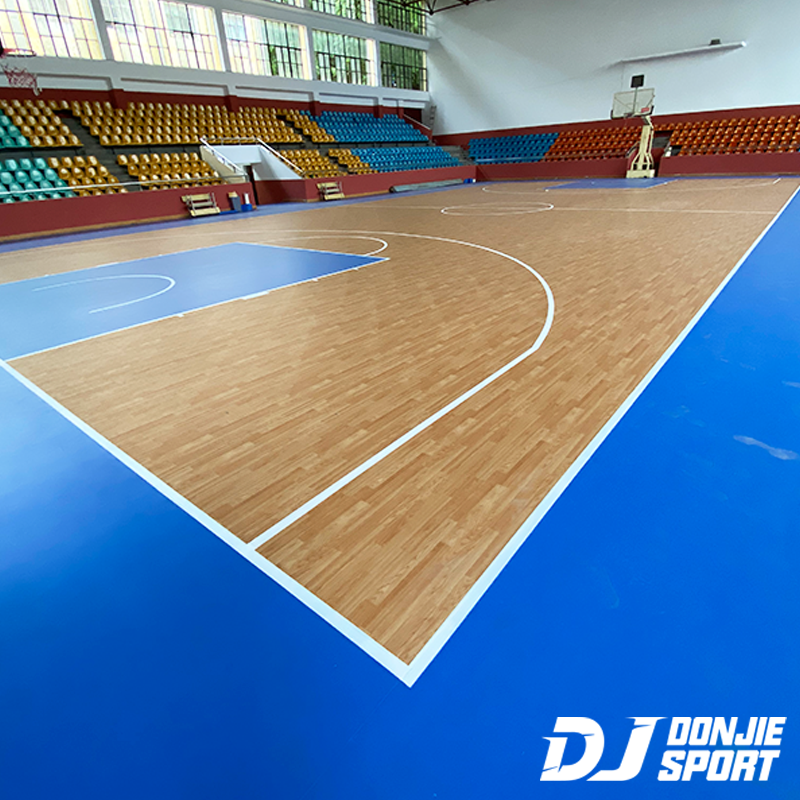
PVC Flooring: A common choice due to its durability, low maintenance, and versatility. PVC flooring is particularly ideal for multi-purpose sports halls. It is cost-effective and offers a wide range of colors and patterns, which is essential for creating an attractive sports environment.
-
Rubber Flooring: Known for its shock-absorption qualities, rubber flooring is often used in gyms and multi-use sports halls. While it is more expensive than PVC, it offers greater durability in high-traffic areas.
-
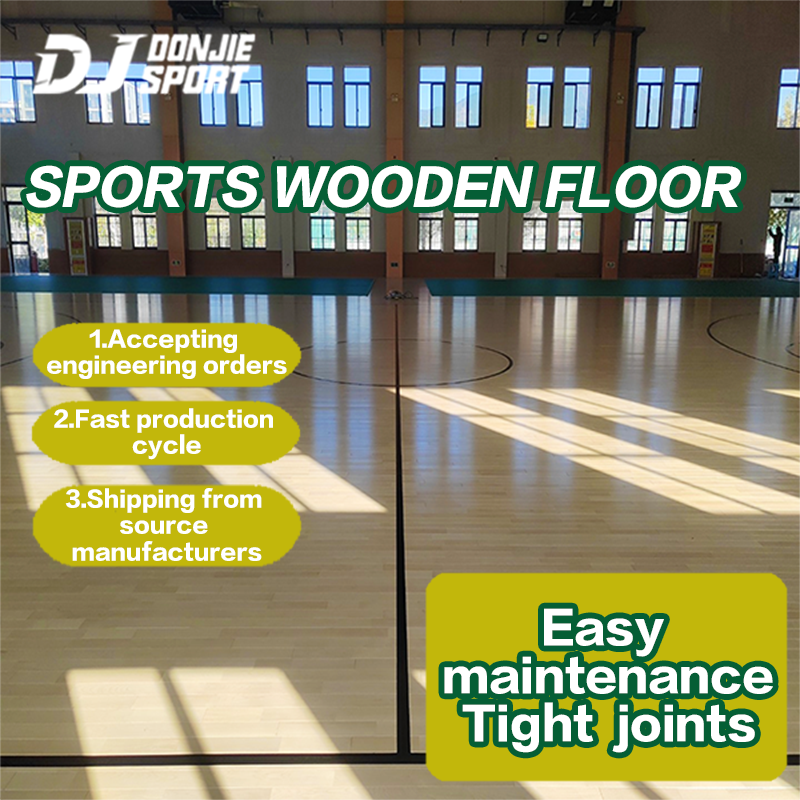
Wooden Flooring: This option is commonly chosen for basketball and volleyball courts, offering a classic look. It requires more maintenance and is the most expensive option, both in terms of installation and long-term upkeep.
Each material offers different benefits, and your choice should depend on factors like usage intensity, desired aesthetics, and available budget. PVC flooring is often a great balance between cost and performance.
Factors That Influence Sports Hall Flooring Installation Costs
The installation of sports hall flooring is a significant investment, and the cost can vary based on several factors:
-
Size and Layout of the Facility: Larger sports halls naturally incur higher costs due to the amount of flooring material required. Complex layouts with multiple sections, courts, or facilities will also increase installation costs.
-
Flooring Preparation: Before the new flooring is installed, the existing surface must be prepared. This includes cleaning, leveling, and addressing moisture issues. In some cases, an underlayment or a moisture barrier may be needed, adding to the overall cost.
-
Labor and Installation Costs: Professional installation can be costly, but it ensures that the job is done correctly and to the highest standards. The complexity of the flooring system (e.g., interlocking tiles vs. traditional roll-out flooring) will also impact labor costs.
-
Regional Price Variations: The cost of flooring materials and installation services can vary significantly based on your location. For example, labor costs in metropolitan areas may be higher than in rural regions. Be sure to get multiple quotes from local contractors to compare prices.
Hidden Costs in Sports Hall Flooring Installation
While the main costs are easier to estimate, several hidden expenses can arise during the flooring installation process. These should be accounted for in your budget:
-
Subfloor Repairs: If the existing subfloor is damaged, repairs or even full replacement may be necessary, adding unexpected costs.
-
Adhesives and Finishes: Many flooring materials require specific adhesives, coatings, or finishes, which can add to the total cost. For instance, PVC flooring may need a special adhesive for proper installation, while hardwood flooring requires finishes to protect its surface.
-
Tools and Equipment Rental: Some installations may require specialized tools, especially for materials like interlocking tiles or seamless roll-out flooring. If these tools are not available in-house, you may need to rent them.
-
Delays and Contingency Costs: Unforeseen issues, such as weather delays or complications with the facility’s infrastructure, can increase costs. Having a contingency budget of around 10-15% of the total project cost can help mitigate these risks.
Ongoing Maintenance Costs for Sports Hall Flooring
Maintaining sports hall flooring is essential for keeping it in good condition and extending its lifespan. Regular maintenance is an ongoing cost that should be considered when budgeting for sports hall flooring.
-
Routine Cleaning: Depending on the type of flooring, cleaning can involve sweeping, mopping, or specialized cleaning agents. Regular cleaning helps prevent dirt build-up and keeps the flooring looking fresh.
-
Protective Coatings and Refinishing: Wooden floors often require periodic sanding and refinishing to maintain their smoothness and aesthetics. PVC and rubber floors may need a protective coating applied every few years to preserve their wear resistance.
-
Repair and Replacement Costs: Over time, high-traffic areas or specific sections of the flooring may show signs of wear. Minor repairs, such as fixing cracks or replacing damaged tiles, will be necessary. Be sure to account for these costs in your maintenance budget.
-
Inspections and Deep Cleaning: Regular inspections are important to detect any issues early. Deep cleaning may be required periodically, especially in high-traffic facilities.
Cost-Effective Solutions for Maintaining Sports Hall Flooring
Keeping maintenance costs under control requires planning and implementing preventive measures. Here are some ways to save on maintenance costs:
-
Durable Flooring Materials: Choose high-quality materials like PVC or rubber, which are known for their long-lasting durability. While the upfront cost may be higher, they will require less maintenance and repair over time.
-
Regular Maintenance Schedule: Implementing a routine cleaning and maintenance schedule can prevent the need for costly repairs. Proper cleaning helps preserve the floor’s appearance and functionality.
-
Protective Mats and Covers: Use mats or covers to protect floors in areas where heavy equipment or furniture is moved frequently. This will help avoid unnecessary wear in specific zones.
-
DIY Maintenance: Simple tasks like sweeping, mopping, and spot cleaning can often be done in-house, saving on the cost of professional cleaning services. Always refer to manufacturer guidelines for cleaning techniques and products.
Budgeting for Floor Replacement and Upgrades
Even the best flooring will eventually need to be replaced. Whether it’s due to heavy wear, aesthetic updates, or changing facility needs, planning ahead for flooring replacement is critical:
-
Replacement Frequency: On average, high-traffic sports halls will need their flooring replaced every 10-15 years, but this can vary depending on the material and the amount of usage. Be sure to assess the floor’s condition regularly.
-
Cost Considerations: When budgeting for replacement, consider the full scope of the project, including removal of old flooring, new materials, and any necessary upgrades to the subfloor.
-
Upgrading Options: If you are upgrading your flooring, be sure to account for the additional costs. Higher-quality materials, such as premium PVC or hardwood, will increase the overall cost, but the investment may pay off in terms of durability and performance.

Leveraging Financing Options for Flooring Projects
Many facilities choose to finance their flooring installation and maintenance projects to reduce the financial burden:
-
Financing for Large Installations: Some suppliers or contractors offer financing options for large-scale projects. These plans can help spread the cost of installation over several months or years, making it easier to manage cash flow.
-
Grants and Funding: Some local governments and sports organizations provide grants or funding for sports facility improvements, including flooring installation. Be sure to explore any available funding opportunities that can offset costs.
-
Negotiating with Suppliers: Don’t be afraid to negotiate with suppliers and contractors for better pricing, especially if you’re making a significant purchase. Bulk orders or long-term contracts may offer opportunities for discounts.
Conclusion
Budgeting for sports hall flooring installation and maintenance requires careful planning and foresight. By understanding the types of flooring materials, accounting for hidden costs, and setting aside funds for ongoing maintenance, you can ensure that your facility remains in top condition without unexpected financial surprises. Remember, investing in durable and high-quality flooring today will save you money in the future by reducing repair and replacement costs.