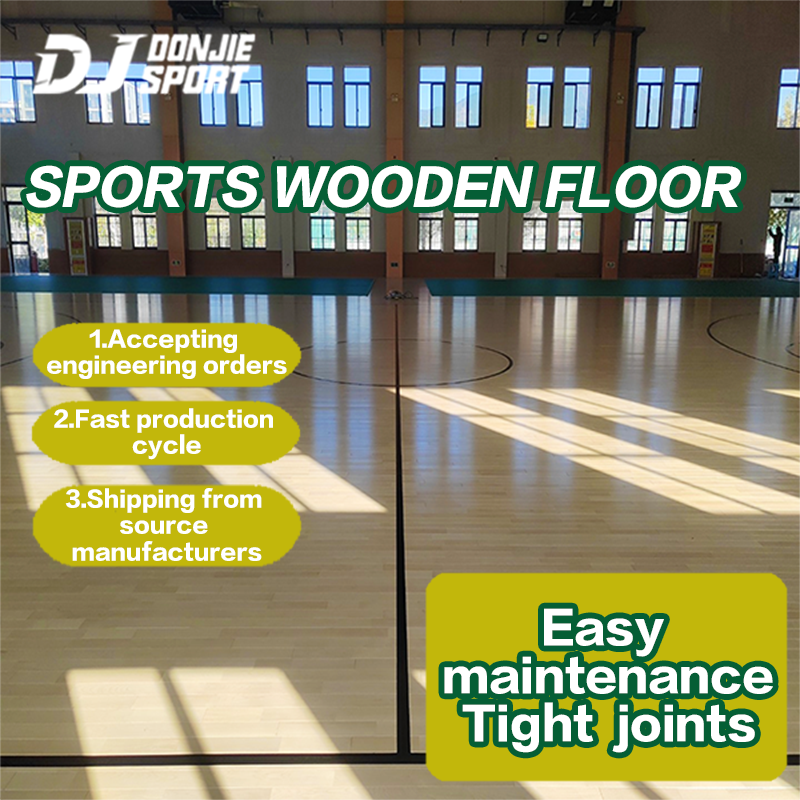
When it comes to building a basketball court, selecting the right flooring is crucial for performance, durability, and aesthetics. Basketball wood flooring stands out as one of the top choices for court construction, offering a combination of superior playability, long-lasting durability, and professional appeal. Whether you’re constructing a court for a school, university, or recreational facility, opting for high-quality wood flooring ensures that the surface is both functional and visually impressive.
Wooden floors provide players with a stable, responsive surface that enhances their grip, movement, and overall performance. Unlike other materials, basketball wood flooring absorbs impact, reducing stress on players’ joints during high-intensity games. Additionally, wood offers a classic aesthetic, with the natural grains and finishes giving the court a sleek, polished look.
In this guide, we will walk you through the essential steps to building a basketball court with top-tier wood flooring. From choosing the right materials to installation and maintenance, we will provide you with all the knowledge needed to ensure your court is built to last.
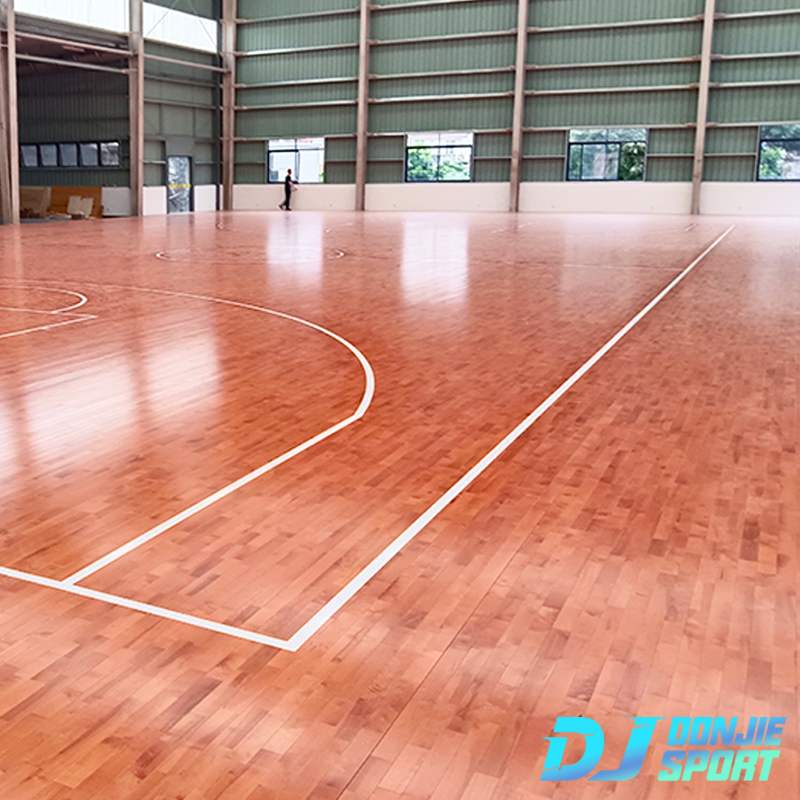
Understanding the Different Types of Basketball Wood Flooring
When building a basketball court, choosing the right type of basketball wood flooring is a key decision. The wood you select will affect not only the performance of the court but also its longevity. There are several types of wood used in basketball court construction, each with its unique characteristics.
Hardwood vs. Engineered Wood: Which is Better?
The most common types of basketball wood flooring are hardwood and engineered wood. Hardwood floors are typically made from solid wood species like maple, oak, or birch. These woods are renowned for their durability, responsiveness, and aesthetic appeal, making them the preferred choice for professional courts.
On the other hand, engineered wood consists of multiple layers of wood that are bonded together, offering a more cost-effective option. While engineered wood can be more stable in varying temperature and humidity conditions, it might not provide the same long-lasting performance and aesthetics as solid hardwood.
Popular Types of Wood Used in Basketball Courts
The most popular type of wood for basketball wood flooring is maple. Maple is known for its durability and shock-absorbing qualities, making it ideal for high-traffic sports environments. Its tight grain and smooth finish provide excellent playability, which is why it is commonly used in professional and collegiate basketball courts.
Other types of wood, such as oak and birch, are also used in basketball flooring, though they are less common. Oak offers a slightly softer surface, which may lead to quicker wear and tear. Birch, while durable, tends to be less resistant to moisture than maple, making it a less ideal choice for outdoor courts.
Choosing the Right Wood for Durability and Performance
When selecting your basketball wood flooring, consider factors such as:
-
Durability: Maple and oak are the most durable options for basketball courts.
-
Playability: Hardwood surfaces are ideal for providing consistent bounce and traction.
-
Aesthetics: The natural look of maple and other hardwoods adds a professional finish to your court.
-
Environmental Conditions: Choose engineered wood if the court is in an area with significant temperature fluctuations or high humidity.
Planning Your Basketball Court Construction
Before diving into the construction process, it’s essential to plan every detail of your basketball court. This will ensure that you have a clear vision of the project and can allocate resources effectively.
Determining the Court Dimensions and Layout
The standard dimensions for a professional basketball court are 94 feet by 50 feet (28.65m by 15.24m). However, your court’s size may vary depending on the available space and intended use. For schools or smaller recreational courts, a reduced size of 84 feet by 50 feet or even 74 feet by 40 feet might be more appropriate.
Consider the layout of the court as well, ensuring that the location of the hoops, the free throw line, and other markings are positioned correctly. It’s also crucial to include adequate space around the court for player movement and safety.
Selecting the Ideal Location for Your Basketball Court
Choosing the right location is critical for both the performance of the flooring and the overall experience of the players. Indoor basketball courts offer more controlled environments for wood flooring, protecting it from outdoor weather conditions. If you’re building an outdoor court, consider using engineered wood or a special wood finish to protect the flooring from moisture and UV damage.
Planning the Budget and Timeline for the Project
Building a basketball court involves substantial investment. Your budget will need to account for the cost of materials, including the basketball wood flooring, subfloor materials, labor, and any additional equipment like hoops and markings. Create a realistic timeline that takes into account the complexity of the construction, the weather (for outdoor courts), and any potential delays in acquiring materials.
Preparing the Ground and Foundation
A solid foundation is essential for ensuring the longevity and stability of your basketball wood flooring. If the ground beneath the court is uneven or unstable, the flooring can warp or crack over time, leading to costly repairs.
Importance of a Solid Foundation for Long-Lasting Flooring
A solid foundation ensures that the wood flooring remains level and durable. The subfloor should be prepared to absorb the shock and impact of constant foot traffic and high-speed movements. If the foundation is not properly prepared, it can lead to problems like uneven flooring or premature wear.
Steps for Preparing the Ground: Leveling and Grading
Start by clearing the area of debris and vegetation. Next, the ground must be leveled and graded to ensure proper drainage. This step is especially important for outdoor basketball courts, where water buildup can cause damage to the flooring. For indoor courts, ensure that the floor is flat and smooth to support the wood flooring’s installation.
Choosing the Right Subfloor Material for Stability
A good subfloor is crucial for the performance and durability of your basketball wood flooring. Plywood and OSB (Oriented Strand Board) are commonly used subfloor materials. They should be moisture-resistant and adequately anchored to the foundation. Installing a resilient layer under the wood floor will help reduce shock and provide a more comfortable playing surface.
Installing the Basketball Wood Flooring
Now comes the crucial step: installing the basketball wood flooring. This process requires skill and precision to ensure a high-quality, professional result.
Step-by-Step Guide to Wood Flooring Installation
-
Acclimate the Wood: Before installation, allow the wood to acclimate to the room’s temperature and humidity levels. This will prevent warping after installation.
-
Lay the Subfloor: Install the plywood or OSB subfloor securely, ensuring that it is level and well-anchored.
-
Install the Wood Flooring: Start laying the wood planks, ensuring that they fit tightly together. Use nails or staples to secure the wood to the subfloor.
-
Sand the Surface: Once all planks are installed, sand the surface to create a smooth, level playing area.
Tools and Materials Required for a Professional Finish
The tools required for installing basketball wood flooring include a nail gun, saw, hammer, measuring tape, and level. It’s essential to use high-quality materials and follow the correct techniques to achieve the best results.
Proper Techniques for Laying the Wood and Securing It
Make sure to leave small expansion gaps between the planks to account for changes in humidity. This will prevent the wood from expanding and cracking over time. Always lay the planks in a consistent direction to maintain the court’s aesthetics and uniformity.
Sealing and Finishing the Wood Flooring
After installation, it’s important to properly seal and finish the basketball wood flooring. Sealing helps protect the surface from moisture and wear, extending the lifespan of the court.
Importance of Sealing Wood Flooring for Longevity
Sealing the wood prevents it from absorbing moisture, which can cause warping or cracking. Additionally, it enhances the surface’s resistance to stains and wear from constant play.
Different Types of Finishes for a Basketball Court
There are several finish options to consider, including urethane, polyurethane, and acrylic finishes. Each offers varying levels of durability, shine, and resistance to wear. Urethane is a popular choice for its long-lasting protection and ease of maintenance.
Tips for Maintaining the Wood’s Appearance and Durability
Regular cleaning and refinishing can help maintain the aesthetic appeal and performance of the basketball wood flooring. Use a soft mop and mild cleaning solution to avoid damaging the wood. Consider reapplying a finish every few years to keep the court looking fresh and professional.
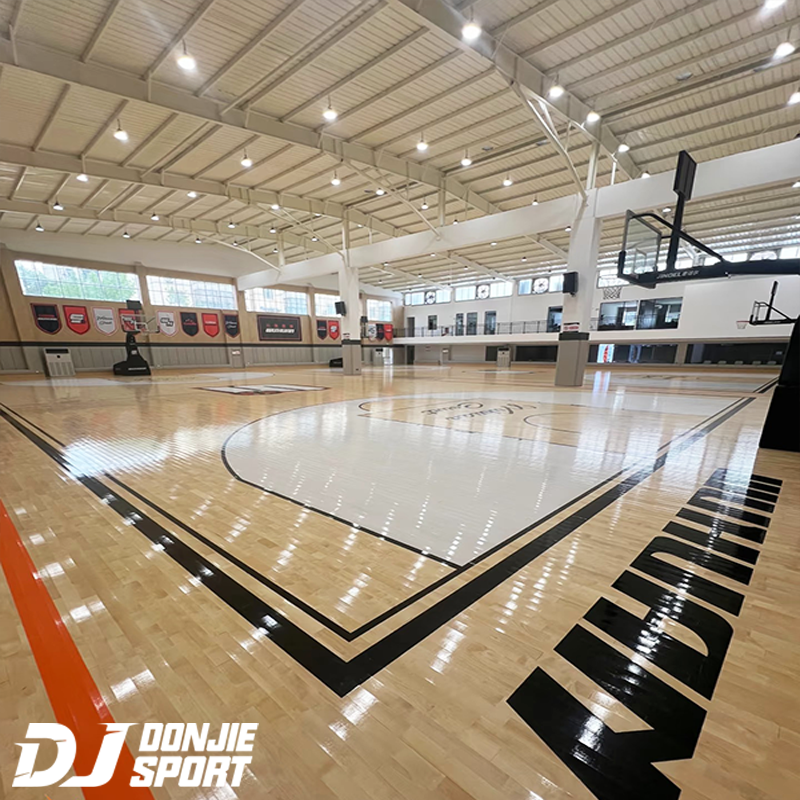
Maintaining Your Basketball Court Wood Flooring
Regular maintenance is essential for preserving the quality and performance of your basketball wood flooring.
Regular Cleaning and Care to Extend the Lifespan of Your Court
To maintain the surface of the court, clean it regularly using a dust mop or soft broom. Avoid using harsh chemicals that can damage the wood. Also, protect the floor from dirt and moisture by using appropriate floor mats at entrances.
Preventing Damage from Moisture, Scratches, and Impacts
Wood floors are susceptible to damage from moisture and heavy impacts. To prevent this, apply a water-resistant finish and consider using protective mats in high-traffic areas.
Best Practices for Protecting and Refurbishing the Wood Flooring
If you notice deep scratches or damage, it’s best to hire a professional to refurbish the flooring. This process involves sanding down the surface and applying a fresh coat of finish.
The Value of High-Quality Wood Flooring for Basketball Courts
Investing in high-quality basketball wood flooring is a smart choice for ensuring the longevity, playability, and aesthetic appeal of your court. By following the steps outlined in this guide, you can build a basketball court that will stand the test of time and provide a top-notch experience for players.