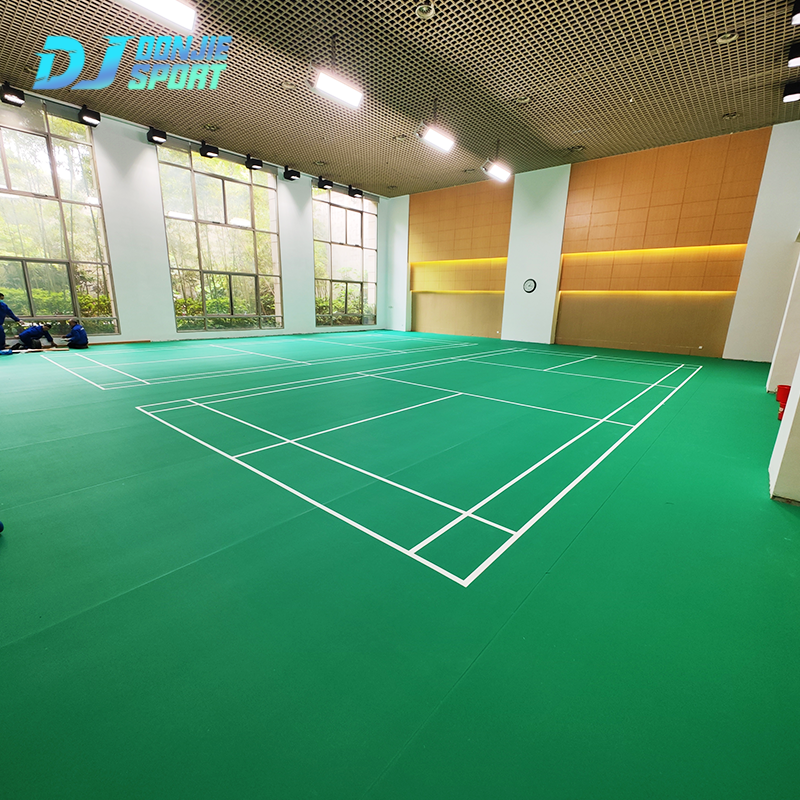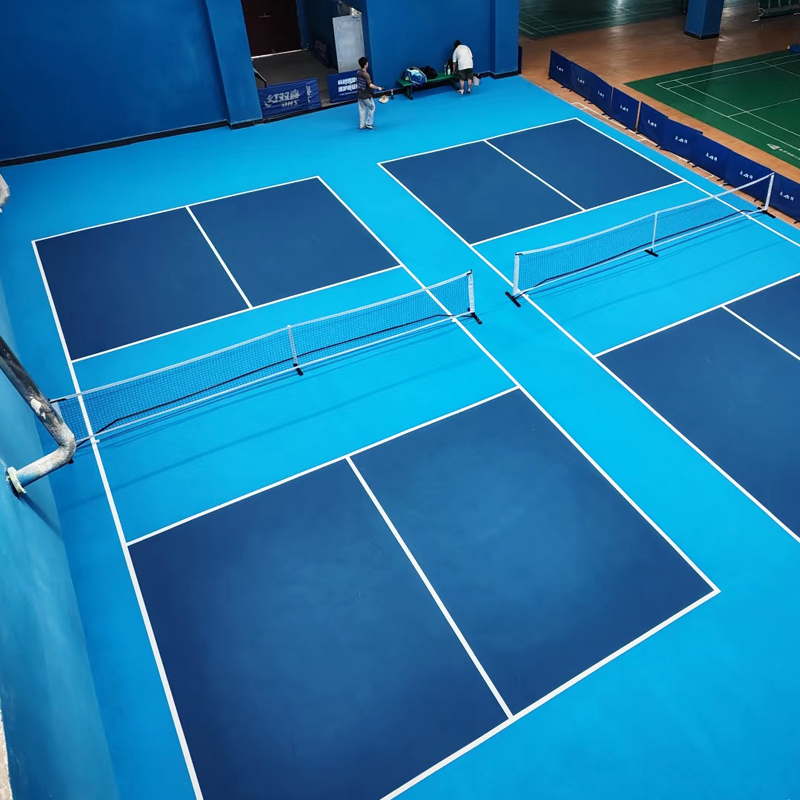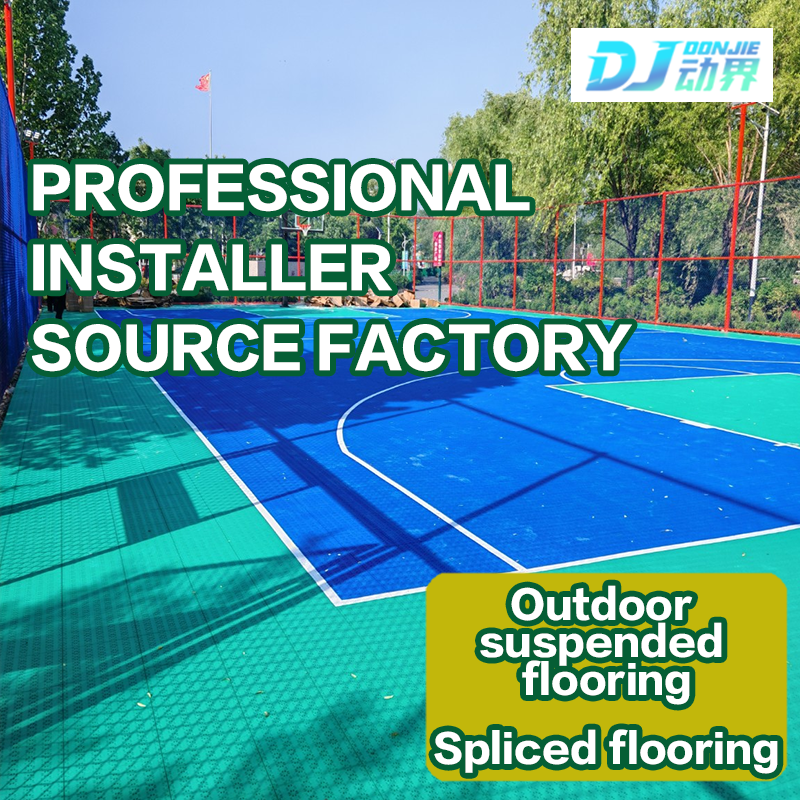
Building a high-performance pickleball court starts with choosing the right flooring. Pickleball Court Floor Tiles offer a perfect balance of safety, durability, and playability, making them ideal for both indoor and outdoor courts. The correct flooring enhances traction, reduces fatigue, and prevents injuries, allowing players to perform at their best. In this guide, we will explore the types of pickleball court tiles, factors to consider, installation tips, maintenance practices, and how the right flooring can maximize player performance.
Understanding Pickleball Court Floor Tiles
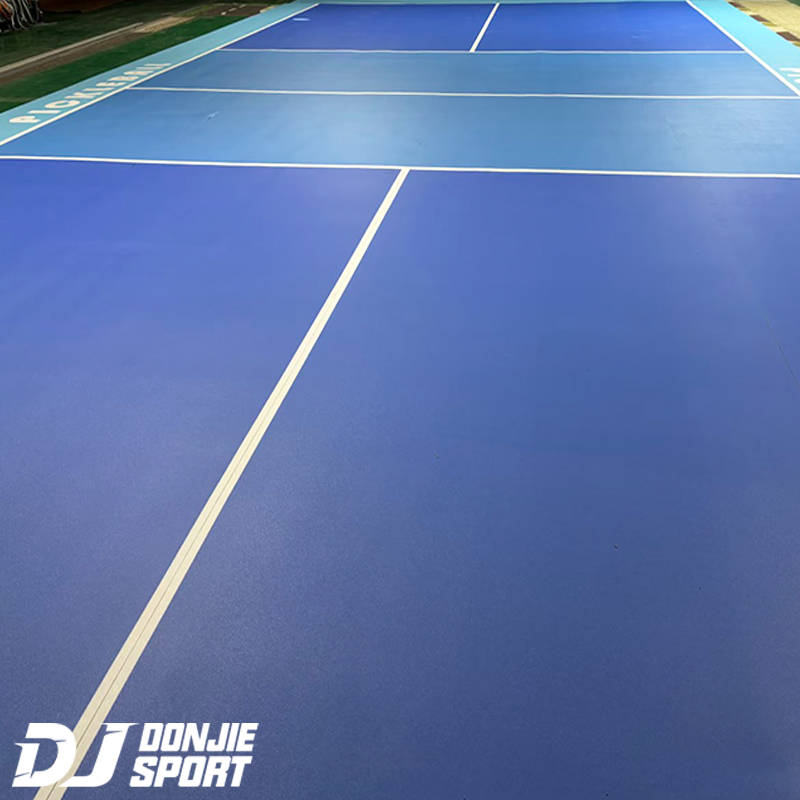
Pickleball Court Floor Tiles are modular flooring solutions designed specifically for the needs of pickleball players. They are typically made from durable materials like PVC or polypropylene, offering excellent shock absorption and surface grip. Interlocking tiles are a popular choice because they are easy to install and replace, making them convenient for multi-use facilities. Unlike traditional concrete or wood floors, these tiles can provide consistent ball bounce, reduce the risk of slipping, and accommodate high-traffic areas without wearing down quickly.
Factors to Consider When Selecting Flooring
Surface Grip and Traction
Proper traction is critical in pickleball to ensure safe movement during quick lateral shifts. Pickleball Court Floor Tiles are designed to provide consistent grip, preventing slips while allowing smooth pivots and stops.
Shock Absorption and Comfort
Long sessions on hard surfaces can lead to joint stress and fatigue. Modular tiles absorb impact efficiently, reducing strain on knees and ankles, which is particularly important for senior players and frequent training sessions.
Durability and Maintenance
High-quality tiles resist scratches, stains, and warping. They are low-maintenance, requiring only regular cleaning to retain their performance and appearance. Durable Pickleball Court Floor Tiles also withstand heavy foot traffic, ensuring your court stays in top condition over time.
Indoor vs. Outdoor Considerations
Indoor tiles focus on cushioning, consistent bounce, and aesthetic appeal, while outdoor tiles are UV-resistant, weatherproof, and built to handle temperature fluctuations. Selecting the right tile type ensures long-term performance regardless of location.
Designing Your Pickleball Court Layout
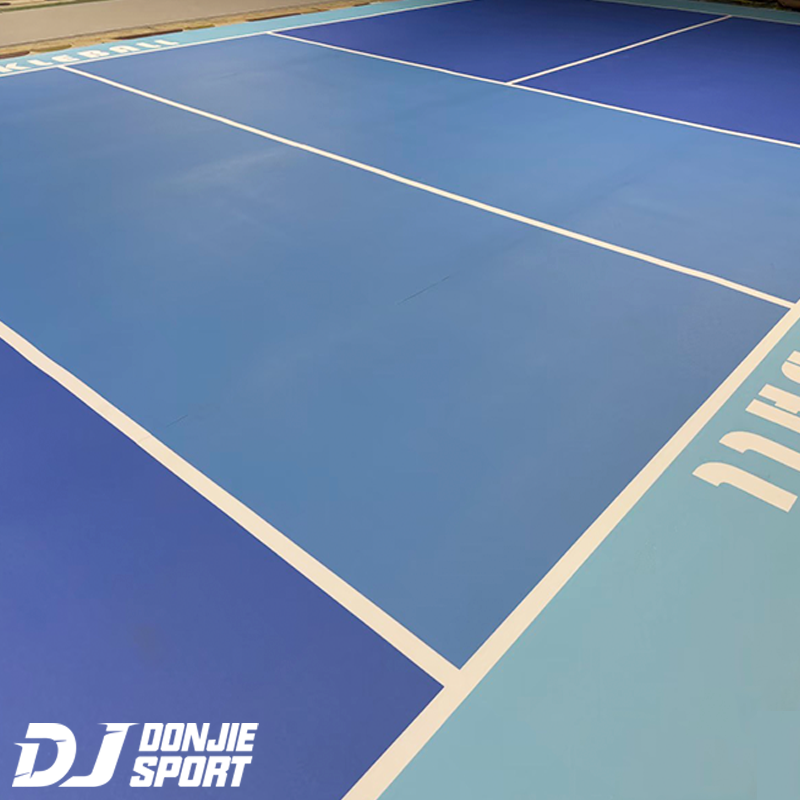
Planning the layout is essential for maximizing performance. Standard pickleball court dimensions are 20×44 feet per court, but adding buffer zones is recommended for safety. Pickleball Court Floor Tiles come in various colors and patterns, which can enhance visibility of court lines and improve gameplay accuracy. For multi-court facilities, tiles allow flexibility in configuration, enabling efficient use of space without compromising surface quality.
Installation of Pickleball Court Floor Tiles
Installing modular tiles is straightforward, but careful preparation is crucial. Begin with a level, clean subfloor to prevent uneven surfaces. Interlocking tiles should be snapped together tightly to avoid gaps or movement during play. Ensure all tiles align with court markings for precise game lines. Avoid common mistakes such as skipping subfloor inspection or using mismatched tiles, as these can compromise performance and safety.
Maintenance and Longevity of Pickleball Court Floor Tiles
Regular maintenance extends the life of your court. Sweep or vacuum debris daily to prevent scratches. Weekly mopping with a mild cleaner keeps the surface pristine without damaging the tiles. Damaged tiles can be individually replaced without disrupting the entire court, making modular Pickleball Court Floor Tiles a practical choice. Protect outdoor courts with covers or UV treatments to prevent fading and brittleness.
Enhancing Player Performance with the Right Flooring
The correct flooring enhances every aspect of gameplay. Traction allows for quick direction changes, impact absorption reduces fatigue, and consistent bounce improves shot accuracy. Facilities with high-quality Pickleball Court Floor Tiles often notice better player performance and satisfaction. Players can engage in longer, more intense sessions with reduced injury risk, making the court a preferred destination for pickleball enthusiasts.
Cost Considerations and ROI
While premium Pickleball Court Floor Tiles may have a higher upfront cost, the long-term benefits outweigh the initial investment. Tiles are durable, low-maintenance, and easy to replace, reducing future repair expenses. Additionally, high-quality flooring attracts more players, enhancing revenue potential for clubs and facilities. The return on investment is further boosted by the extended lifespan and performance benefits provided by professional-grade tiles.
Conclusion
Selecting the right Pickleball Court Floor Tiles is essential for building a high-performance pickleball court. From surface grip and shock absorption to durability and maintenance, the choice of flooring impacts player safety, satisfaction, and long-term usability. By investing in quality modular tiles, facilities can provide consistent playability, minimize injuries, and create a visually appealing environment that enhances the overall pickleball experience. Whether for indoor or outdoor courts, professional-grade tiles offer a practical, long-lasting, and performance-driven solution.