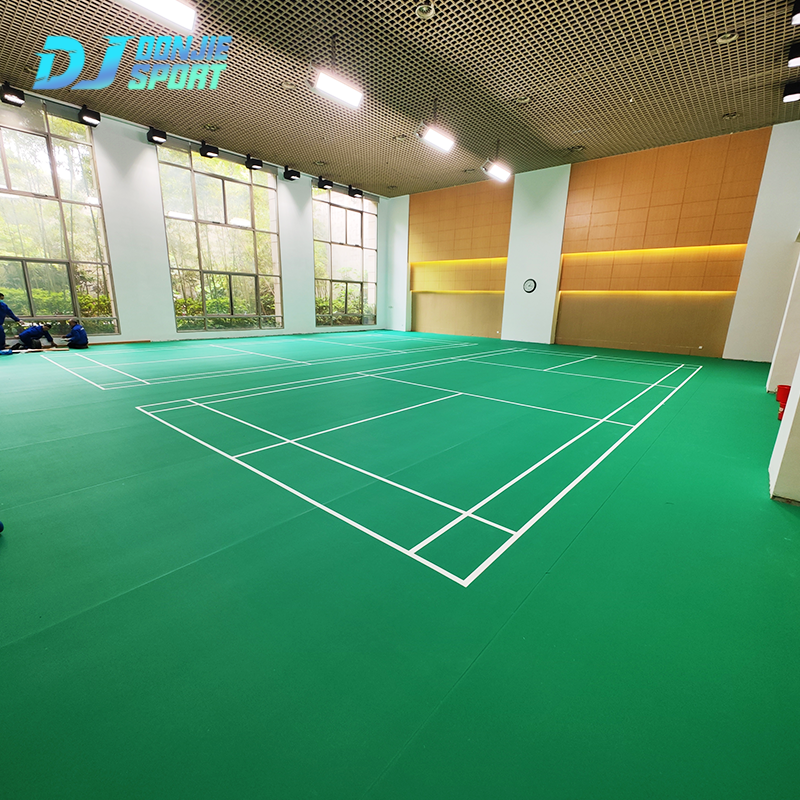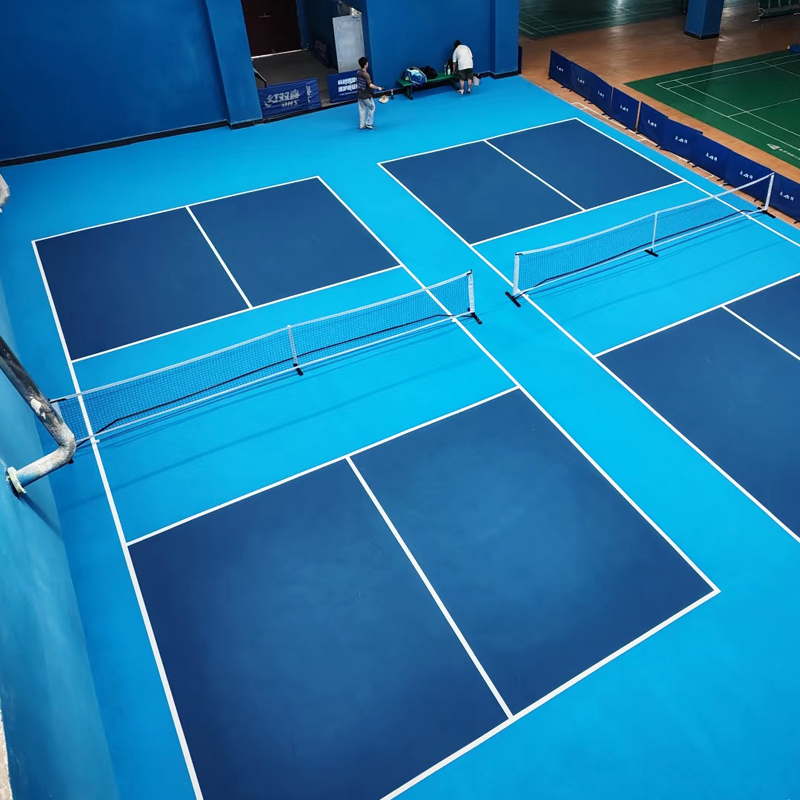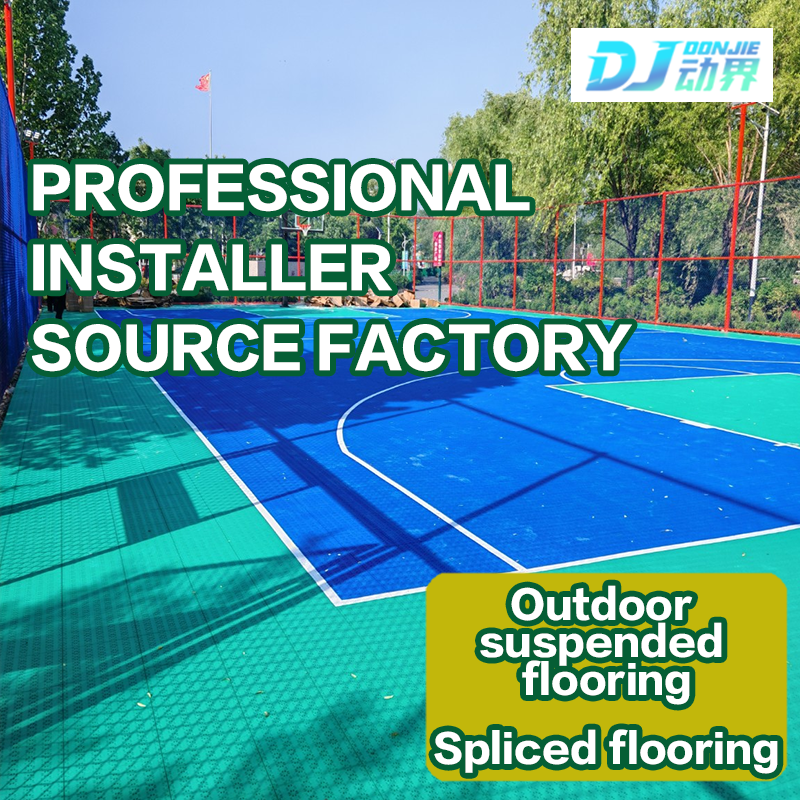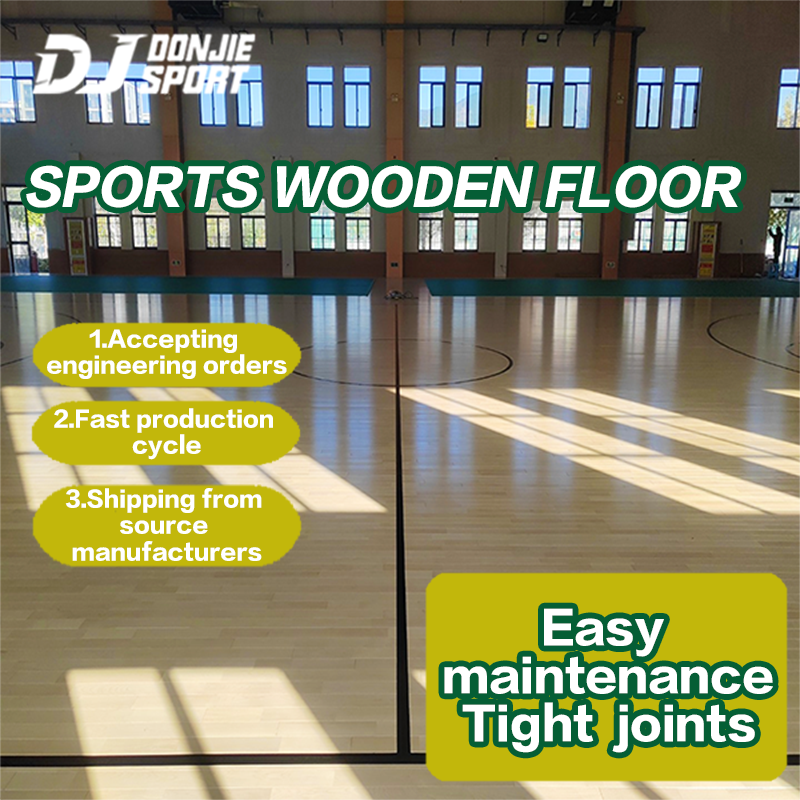
Building a peak sports field requires careful planning, the right materials, and attention to detail. Among the many options available for sports surfaces, PVC sports flooring stands out as a durable, high-performance choice. PVC sports flooring, made from premium vinyl materials, offers a combination of shock absorption, slip resistance, and easy maintenance that makes it ideal for professional and recreational athletic fields. Choosing the right PVC sports flooring ensures not only optimal performance but also long-term durability, player safety, and aesthetic appeal.
Investing in high-quality PVC sports flooring transforms any sports field into a professional-grade arena. From basketball courts to multipurpose sports halls, this type of flooring supports intense physical activity while minimizing the risk of injuries. In this guide, we will cover every aspect of building a peak sports field using PVC sports flooring, from planning and design to installation and maintenance.
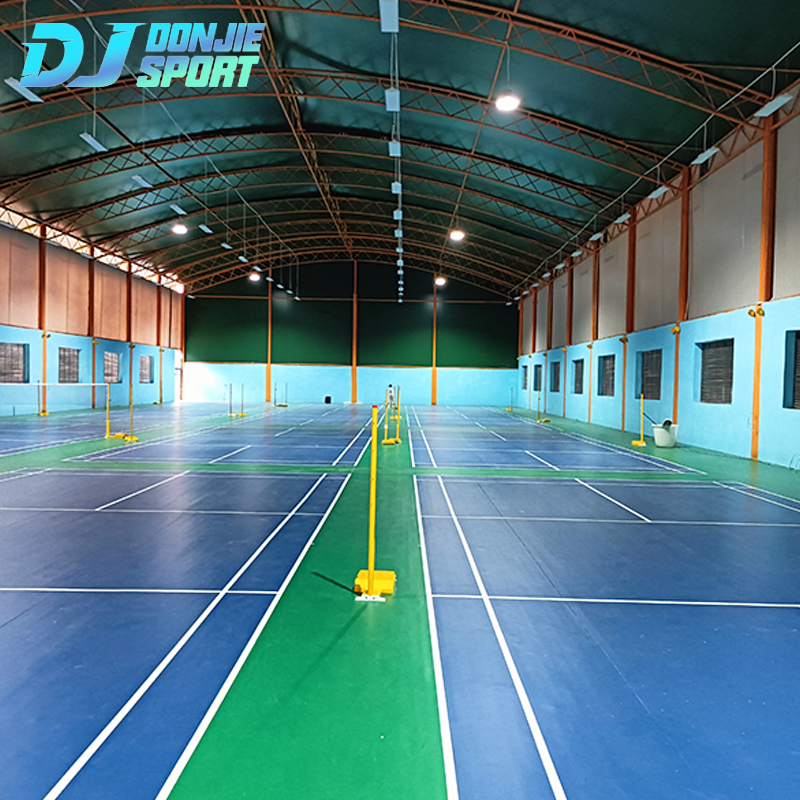
Understanding PVC Sports Flooring
What Is PVC Sports Flooring: Composition and Characteristics
PVC sports flooring is a type of vinyl-based sports surface engineered for durability and performance. It typically consists of multiple layers, including a wear-resistant top layer, a supportive foam or elastic core, and a backing layer for stability. The surface offers excellent elasticity, making it suitable for high-impact sports such as basketball, volleyball, and indoor soccer. Its smooth yet slightly textured finish provides consistent ball bounce and superior traction, enhancing both player performance and safety.
Advantages of PVC Sports Flooring for Athletic Surfaces
PVC sports flooring offers numerous benefits:
-
Durability: Resistant to scratches, impacts, and heavy traffic.
-
Safety: Shock absorption reduces the risk of injuries.
-
Maintenance: Easy to clean, stain-resistant, and water-resistant.
-
Versatility: Suitable for indoor and semi-outdoor environments.
-
Aesthetics: Available in a wide range of colors and textures to match design requirements.
Different Types and Thickness Options of PVC Sports Flooring
PVC sports flooring comes in various thicknesses, usually ranging from 2mm to 8mm. Thicker options provide better shock absorption, making them ideal for competitive sports, while thinner variants suit recreational facilities or multi-purpose halls. Roll widths can vary, allowing seamless installation over large areas without joints that might interfere with gameplay. Selecting the right type ensures the field meets the intended performance and safety standards.
Planning Your Sports Field Construction
Assessing the Space and Field Requirements
Before installation, carefully evaluate the field dimensions and intended use. Consider whether the field will host professional competitions, training sessions, or recreational play. This assessment influences the choice of PVC sports flooring type, thickness, and design.
Choosing the Right Subfloor for Optimal Performance
A properly prepared subfloor is essential for maximizing PVC sports flooring performance. Concrete or cement subfloors are most common, offering stability and support. Wooden or existing sports floors may also be suitable, provided they are level, dry, and free from structural defects.
Considering Environmental Factors and Indoor/Outdoor Use
Environmental factors, such as humidity, temperature, and sunlight exposure, impact the longevity of PVC sports flooring. Indoor fields benefit from controlled climates, while outdoor or semi-covered areas require UV-resistant PVC and protective coatings to prevent fading and degradation.
Designing the Field Layout
Marking and Measuring the Playing Area
Accurate field measurements are critical. Use precise marking tools to outline boundaries, safety zones, and key gameplay areas. A clear layout ensures proper installation of PVC sports flooring rolls and alignment of court lines.
Incorporating Safety Zones and Player Comfort Areas
Safety zones around the field help reduce injuries during high-speed play. Consider padding edges and leaving space between walls and court boundaries. PVC sports flooring’s cushioning properties also enhance player comfort, reducing fatigue over prolonged use.
Color and Texture Choices for PVC Sports Flooring
PVC sports flooring comes in a variety of colors and patterns. Light-colored surfaces reflect indoor lighting effectively, while darker shades enhance contrast for lines and markings. Textured finishes improve traction and provide a visually appealing design for modern sports facilities.
Preparation Before Installation
Cleaning and Leveling the Subfloor
The subfloor must be clean, dry, and level before installation. Remove dust, debris, and any irregularities. Proper leveling prevents uneven surfaces that could compromise performance or lead to premature wear of the PVC sports flooring.
Acclimating PVC Sports Flooring Rolls Before Installation
Allow PVC rolls to acclimate to the room temperature for 24–48 hours. This step reduces expansion or contraction during installation, ensuring a smooth, flat surface.
Tools and Materials Needed for Installation
Common tools for PVC sports flooring installation include utility knives, adhesive, rollers, measuring tapes, and seam sealers. Having all materials ready beforehand streamlines the process and ensures precision.
Step-by-Step Installation Process
Laying PVC Sports Flooring Rolls and Aligning Seams
Start by rolling out the PVC flooring in the desired direction. Align seams carefully to avoid gaps or overlaps. Ensure that rolls meet precisely at the edges for a seamless finish.
Ensuring Proper Adhesion and Seam Sealing Techniques
Use high-quality adhesive suitable for PVC sports flooring to bond the material to the subfloor. Apply seam tape or sealant to prevent moisture intrusion and maintain a smooth surface. Proper adhesion improves durability and prevents lifting during heavy use.
Checking for Flatness, Bounce, and Traction
After installation, verify that the floor is flat, the bounce is consistent, and traction meets performance standards. Any irregularities should be corrected before field use to maintain safety and gameplay quality.
Finishing Touches and Maintenance
Adding Court Lines and Field Markings
Apply lines using paint or pre-made tapes designed for PVC sports flooring. Ensure markings are visible and compliant with official sport regulations.
Routine Cleaning and Maintenance Tips
Regular cleaning preserves the floor’s appearance and performance. Use mild detergents, microfiber mops, and avoid abrasive cleaners. Regular inspection prevents minor issues from escalating.
Long-Term Care to Preserve Performance and Aesthetics
Protect the floor from heavy furniture, sharp objects, and excessive moisture. Periodically check seams and edges for wear. Proper care extends the lifespan of PVC sports flooring and maintains peak performance.
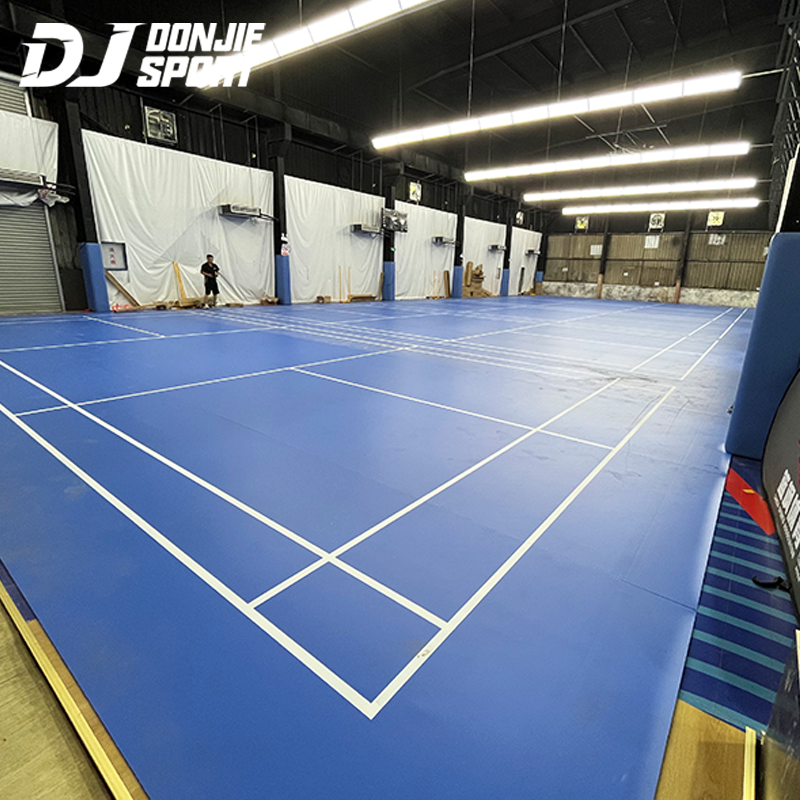
Safety, Compliance, and Performance Standards
Shock Absorption, Slip Resistance, and Fire Retardancy Standards
PVC sports flooring should meet recognized standards for shock absorption, slip resistance, and fire safety. These standards ensure player protection and facility compliance.
Certifications and Guidelines for PVC Sports Flooring
Look for ISO, EN, or ASTM certifications, indicating the flooring meets international quality and safety benchmarks. Certified PVC sports flooring provides assurance of consistent performance.
Testing the Field Before Official Use
Before hosting games, test the field for traction, bounce, and comfort. Adjust or address any issues to provide a safe and reliable playing environment.
Maximizing Performance and Longevity
Choosing the Right Accessories (Edge Trims, Transitions)
Install edge trims, thresholds, and transitions to protect the floor edges and prevent damage. Accessories enhance durability and create a polished appearance.
Periodic Inspections and Preventive Maintenance
Schedule inspections to identify minor damage or wear early. Preventive maintenance, such as seam re-sealing and surface cleaning, keeps the field in optimal condition.
Upgrading or Replacing Sections Without Full Renovation
PVC sports flooring allows partial replacements without dismantling the entire field. This flexibility reduces costs and downtime, keeping the sports facility functional year-round.
Conclusion
Building a peak sports field with PVC sports flooring combines performance, safety, and aesthetics. From careful planning and subfloor preparation to precise installation and ongoing maintenance, every step contributes to a high-quality, long-lasting sports surface. Investing in professional-grade PVC sports flooring ensures superior playability, durability, and visual appeal, making it the smart choice for sports facilities, clubs, and schools.