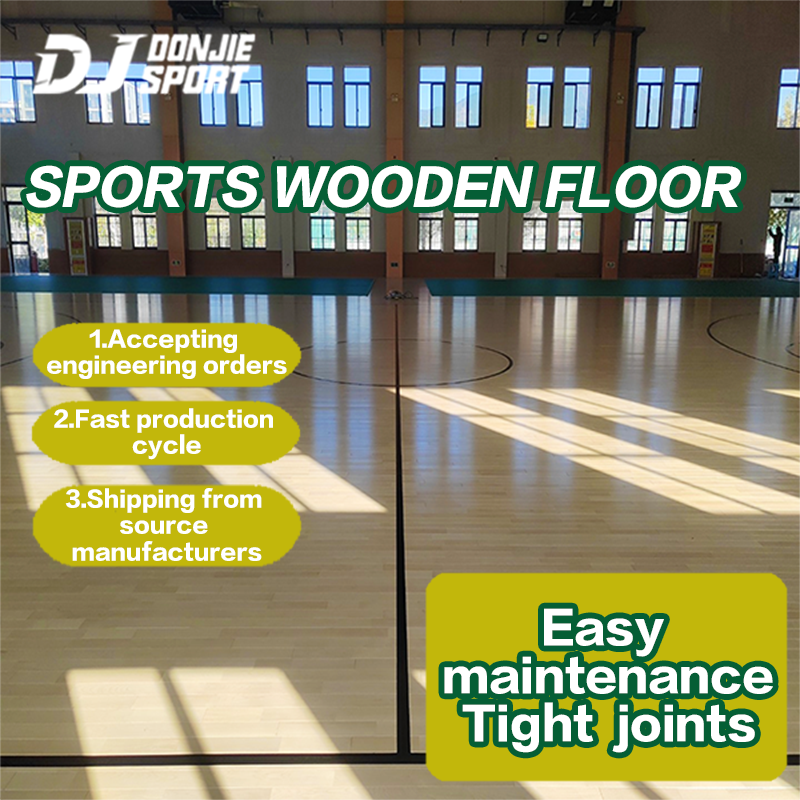
Wood sport floors are an integral part of many athletic facilities, providing a professional and aesthetically pleasing surface for various sports. Whether it’s basketball, volleyball, or badminton, maintaining a wood sport floor is crucial for safety, performance, and longevity. The right care ensures that the floor can withstand high traffic and physical impact, which is essential for both player performance and the overall lifespan of the flooring.
In this guide, we’ll walk you through expert tips and best practices for caring for your wood sport floor, ensuring it remains in top condition for years to come. From daily cleaning routines to seasonal care and professional maintenance, this article covers everything you need to know to preserve the quality of your wood sport floor.
Understanding the Composition of Wood Sport Floors
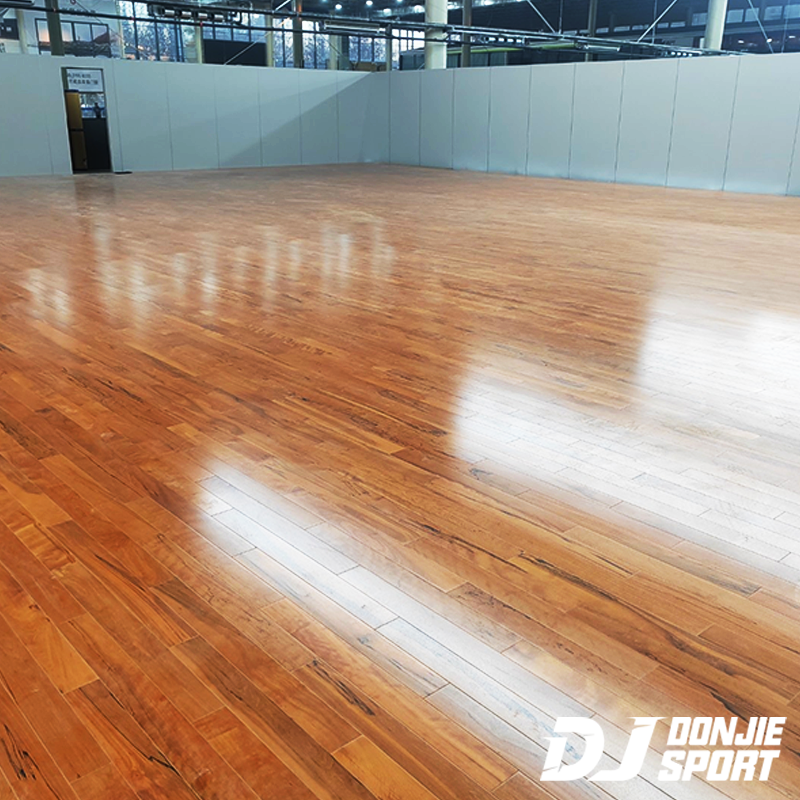
Before delving into maintenance strategies, it’s essential to understand what makes wood sport floors unique and how their composition influences their care. Wood sport floors are typically made from high-quality hardwoods such as maple, oak, or beech, which offer the ideal balance of durability, flexibility, and aesthetic appeal. These materials are specially engineered to absorb shock, reduce impact on joints, and provide a reliable playing surface for athletes.
The structure of a wood sport floor includes multiple layers, including the wear layer, base layer, and sometimes a cushioning layer. These floors are designed to maintain their performance even under the pressure of constant use, but the surface is still susceptible to damage from moisture, dirt, and wear over time. Understanding the nature of these floors will guide you in choosing the right care techniques to keep them performing at their best.
Daily Care: Basic Maintenance for Everyday Use
Maintaining a wood sport floor starts with daily care. Consistent, light cleaning is essential to remove dirt, dust, and debris that can scratch the surface and cause wear. The first step is to sweep the floor regularly using a soft-bristle broom or a vacuum cleaner with a brush attachment. This will help you remove dirt and prevent particles from embedding into the floor’s surface, which could lead to damage over time.
When mopping, always use a damp (not wet) mop with a wood-friendly cleaner. Avoid using harsh chemicals or abrasive pads that can damage the wood. Wood-specific cleaners are designed to preserve the floor’s finish without leaving streaks or residues. Be sure to avoid over-wetting the floor, as excess moisture can seep into the wood, causing it to warp or swell.
Additionally, encourage athletes to remove their shoes before entering the court to reduce the amount of dirt and debris being tracked in. This simple habit can go a long way in preserving the integrity of your floor.
Weekly and Monthly Care: Maintaining Hygiene and Performance
In addition to daily cleaning, weekly and monthly care routines are necessary to keep your wood sport floor in peak condition. Each week, it’s a good idea to deep clean the floor by mopping with a wood cleaner that helps remove any grime that may have built up over time. For more stubborn stains, a gentle scrub brush can be used with a cleaner formulated for wood floors.
Once a month, it’s recommended to apply a wood floor conditioner. This treatment nourishes the wood, helps maintain its natural shine, and prevents the surface from drying out or becoming too brittle. Be sure to follow the product’s instructions, as over-conditioning can cause the floor to become slippery.
In addition to cleaning, it’s essential to inspect the floor regularly for signs of wear, such as scuff marks or areas with reduced traction. If you notice any buildup of dust or wax, it may be time to strip the floor and apply a fresh coat of finish to restore its original look and performance.
Seasonal Care: Preparing Your Wood Sport Floor for Different Conditions
Wood sport floors are sensitive to environmental changes, especially fluctuations in temperature and humidity. During the winter months, for example, the air inside gyms and sports halls can become dry, causing the wood to contract. In contrast, summer humidity can cause the wood to expand. Both conditions can lead to warping or cracking if not properly managed.
To protect your wood sport floor, maintain a consistent indoor temperature (ideally between 60-80°F or 15-27°C) and humidity level (40-60%). Using a humidifier during the dry winter months and a dehumidifier in the summer can help maintain a stable environment for your floor.
Seasonal treatments can also help protect the floor from damage. In colder months, you might consider applying a protective coating to guard against moisture and wear. In warmer months, using mats or runners in high-traffic areas can reduce the direct impact on the floor.
Repairs and Restoration: Fixing Minor Damage Before It Escalates
Over time, even with the best care, your wood sport floor may experience minor damage such as scratches, scuffs, or dents. The key to preserving its appearance and functionality is to address these issues as soon as they arise.
For light scratches and scuffs, try using a wood floor repair kit that includes a marker or wax stick to fill in minor imperfections. For deeper dents or gouges, it may be necessary to sand down the affected area and refinish it. This should be done carefully, as improper sanding can lead to unevenness or damage.
If the floor’s finish begins to wear down significantly, it’s time for a full refinishing. This involves sanding the entire floor, reapplying a new finish, and allowing it to cure. Depending on the traffic the floor experiences, refinishing may be needed every 3-5 years.
For more significant damage or if you’re unsure how to fix the issue yourself, it’s always best to consult a professional floor restoration service to ensure that the repair is done correctly and the floor’s integrity is maintained.
Preventive Measures: How to Avoid Common Wood Sport Floor Issues
Preventing damage to your wood sport floor before it happens is the most effective way to ensure its longevity. One of the main causes of damage is moisture. It’s essential to keep liquids from spilling on the floor, especially in high-traffic areas like entrances or locker rooms. Spills should be cleaned immediately to prevent any moisture from seeping into the wood.
Another preventive measure is to minimize the impact of foot traffic. Place mats at entrances to catch dirt and moisture from shoes. Avoid dragging heavy equipment or furniture across the floor, as this can cause scratches and indentations. If possible, use protective pads or covers on equipment and furniture to prevent damage.
Additionally, be mindful of the sun’s impact on your floor. Direct sunlight can cause the wood to fade and discolor over time. Installing UV-protective window films or blinds can reduce the sun’s harmful effects.
Conclusion
Caring for your wood sport floor may require effort and attention to detail, but the benefits far outweigh the costs. By following the expert tips outlined above, you can ensure that your floor remains safe, functional, and beautiful for years to come. From daily maintenance to seasonal care and repairs, taking the time to invest in your floor’s longevity will pay off in the long run by providing a reliable surface for athletes and maintaining the aesthetics of your facility.