Choosing the right Badminton Court Flooring is one of the most critical decisions for any venue, whether it’s a professional tournament hall or a community sports center. The flooring affects not only player performance but also safety, durability, and long-term maintenance costs. Selecting a suboptimal surface can lead to injuries, higher upkeep expenses, and even a less enjoyable playing experience. With a variety of flooring options available, from traditional wooden courts to modern synthetic surfaces, understanding the differences and their benefits is essential for making an informed choice.

Understanding Different Badminton Court Flooring Types
Wooden Flooring: Classic Appeal and Professional Standards
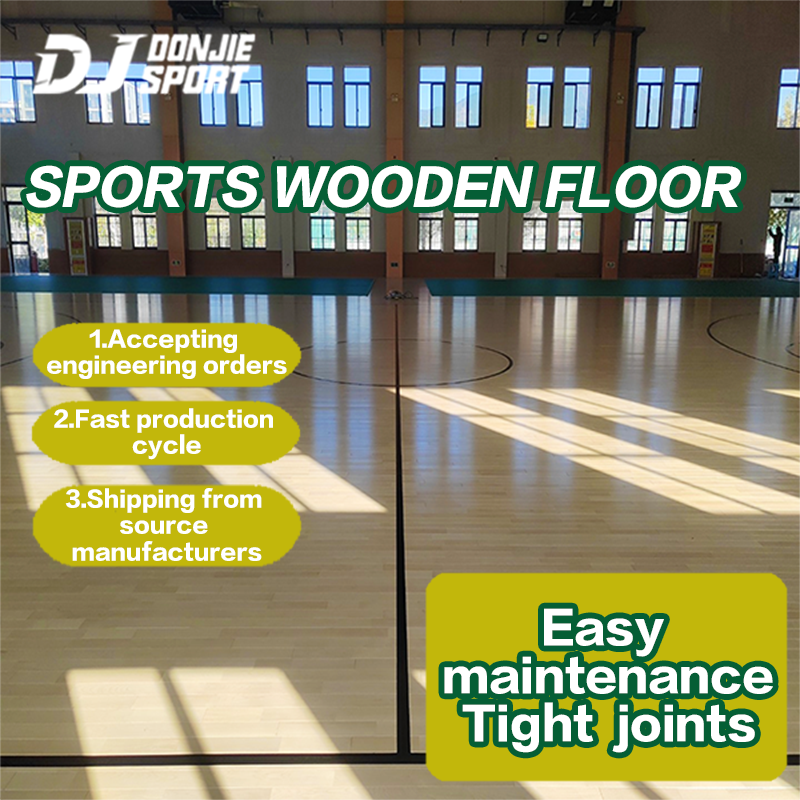
Wooden floors have long been the standard for professional badminton venues. Constructed from high-quality hardwood such as maple, these floors offer consistent bounce, excellent traction, and a premium aesthetic that enhances the overall environment of the venue.
-
Advantages: Wooden floors provide a uniform playing surface, exceptional durability, and a natural feel that professional players prefer. Their classic look also adds value and prestige to the facility.
-
Disadvantages: The main drawbacks include higher initial costs and maintenance requirements. Wooden floors need regular cleaning, occasional sanding, and protective coatings to maintain performance and appearance. Moisture and humidity can also affect their lifespan.
Synthetic Flooring: Modern Performance and Versatility
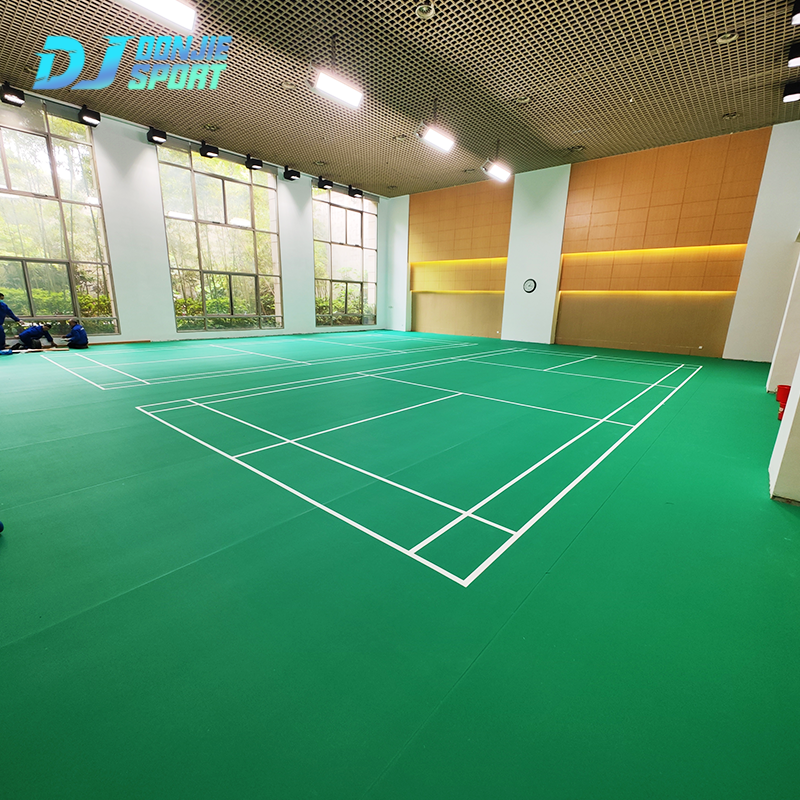
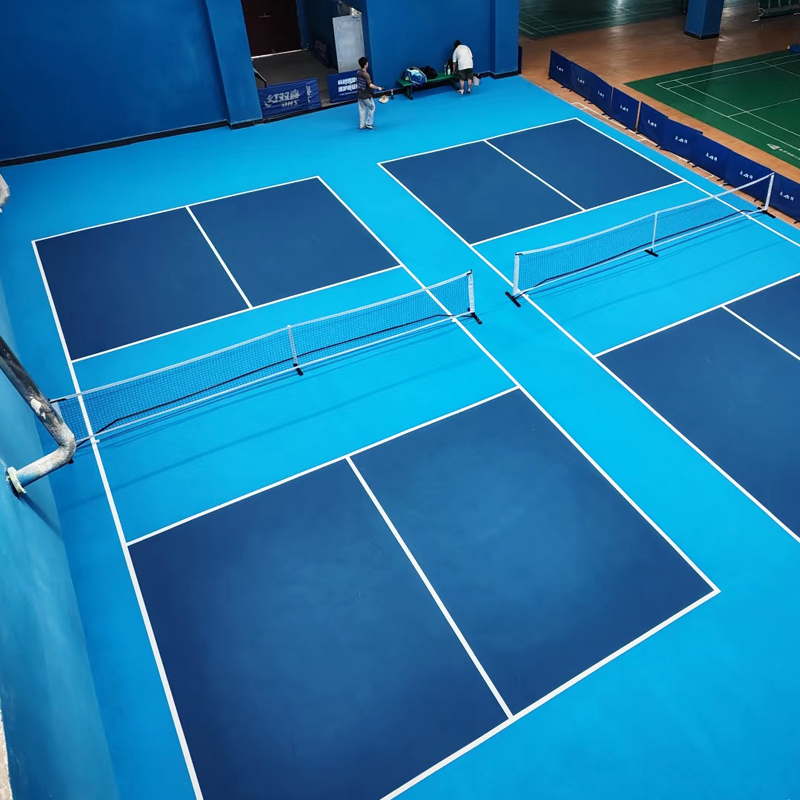
Synthetic flooring has gained popularity in both recreational and semi-professional settings due to its versatility and performance benefits. Common types include PVC, vinyl, PU, and modular interlocking tiles.
-
Advantages: Synthetic floors offer excellent shock absorption, reducing the risk of joint injuries and fatigue. They are slip-resistant, easier to maintain, and can be installed in multi-purpose or high-traffic venues. Their variety of colors and patterns also allows customization for branding or court markings.
-
Disadvantages: Some synthetic materials may have a shorter lifespan compared to high-quality wood, and lower-end options may not provide the same bounce consistency. Initial installation costs can vary depending on the type and quality of the material.
Hybrid Flooring Solutions
Hybrid floors combine the benefits of wood and synthetic surfaces, often featuring a wooden base with a synthetic top layer or overlay. This option caters to venues requiring professional-level performance while maintaining lower maintenance and improved durability. Hybrid solutions are ideal for multi-use facilities or venues expecting high traffic from both casual and professional players.
Factors to Consider When Choosing Badminton Court Flooring
Venue Type and Usage Frequency
The type of venue and its intended use are primary considerations. High-level competition venues typically require wooden floors for performance consistency, while community centers and schools may benefit from synthetic or hybrid options that handle frequent, diverse use.
Player Safety and Comfort
Player safety is paramount. Flooring with proper shock absorption and anti-slip properties reduces the risk of injuries and improves comfort, allowing athletes to perform at their best. Synthetic and hybrid floors often provide superior impact cushioning compared to traditional wood.
Budget and Long-Term Costs
While wooden floors may have higher upfront costs, they often last for decades if properly maintained. Synthetic floors may offer lower initial investment but could require replacement sooner. Assessing the long-term costs, including maintenance, repairs, and potential upgrades, helps in selecting the most cost-effective solution.
Installation and Maintenance Requirements
Consider the complexity of installation and the maintenance schedule. Wooden floors may require professional installation and periodic refinishing, while synthetic floors are often easier and faster to install. Maintenance frequency and difficulty vary significantly across materials, influencing both cost and effort.
Aesthetic and Branding Considerations
Flooring also contributes to the overall look of your venue. Custom colors, branding, and court markings can enhance a facility’s appeal, and certain synthetic options allow for greater design flexibility than traditional wooden floors.

Comparing Flooring Types: Practical Scenarios
High-Level Competition Venues
Professional tournaments often prefer wooden Badminton Court Flooring because of its consistent bounce, player preference, and adherence to official standards.
Recreational or Multi-Purpose Venues
Synthetic or hybrid flooring is ideal for recreational centers or gyms that host multiple sports. These floors are durable, easy to maintain, and safer for casual players.
Outdoor vs. Indoor Settings
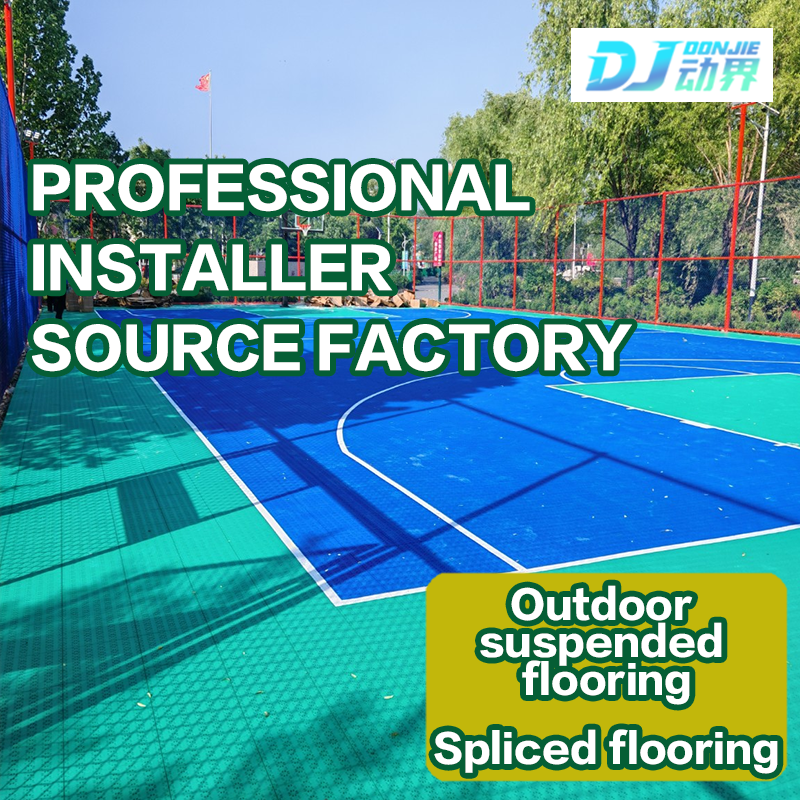
While wooden floors are unsuitable for outdoor courts due to weather sensitivity, certain synthetic and modular flooring options can withstand moisture, temperature changes, and sunlight, making them perfect for outdoor or semi-covered facilities.
Tips for Making the Final Decision
Before finalizing your flooring choice, test samples and seek feedback from players or coaches. Consulting with flooring specialists or reputable suppliers ensures that you select the material best suited to your venue’s needs, usage patterns, and budget. Long-term planning for maintenance, upgrades, and potential expansions is also crucial to maximizing your investment.
Conclusion
Selecting the right Badminton Court Flooring requires balancing performance, safety, aesthetics, and cost. Wooden floors excel in professional settings, offering premium quality and consistency, while synthetic and hybrid options provide versatility, durability, and lower maintenance for recreational and multi-purpose venues. By considering the venue type, player needs, and long-term costs, you can make a decision that enhances both player experience and the overall value of your facility. Choosing wisely ensures that your badminton courts remain safe, attractive, and functional for years to come.