When setting up a table tennis court, one of the most important decisions you’ll make is selecting the right flooring. The choice between Table Tennis Flooring Mats and Carpets can significantly impact the playability, comfort, and durability of your court. Flooring doesn’t just define the look of the space—it influences how the game is played, how players perform, and how easily the floor can be maintained. In this article, we’ll explore the differences between these two popular flooring options, helping you make an informed choice based on your needs and budget.
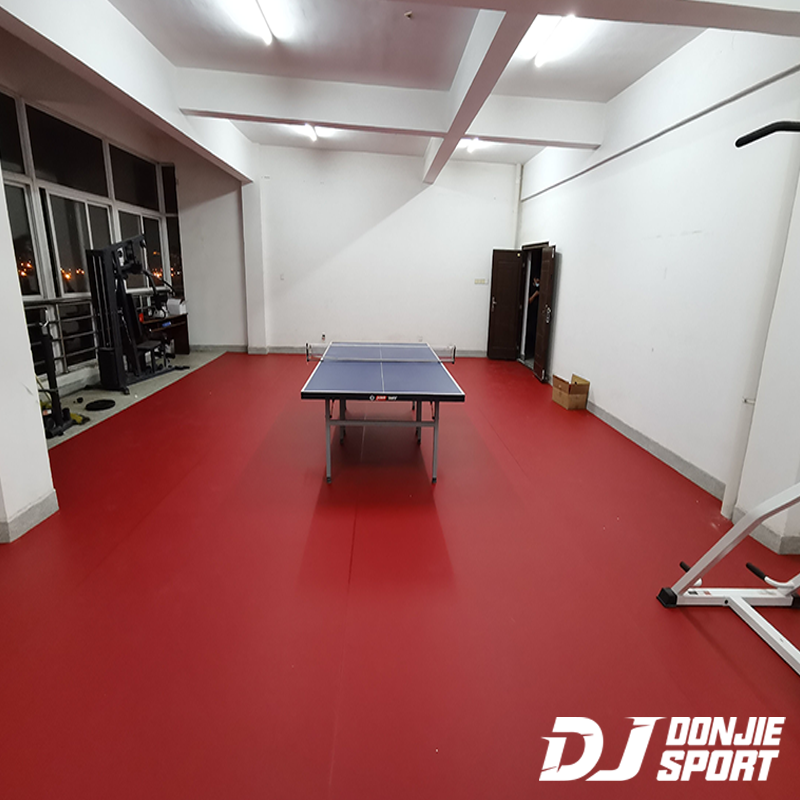
Understanding Table Tennis Flooring Mats
Definition and Key Features of Flooring Mats
Table Tennis Flooring Mats are specifically designed to offer optimal traction and performance for players. These mats are typically made from high-quality PVC or rubber materials, offering durability and resilience, which are critical in high-traffic areas like sports halls or gyms. Flooring mats are often engineered to handle the impact of rapid movements, making them a preferred choice in professional settings.
Different Types of Table Tennis Flooring Mats Available
There are several types of flooring mats designed for table tennis courts. These include interlocking mats, roll-out mats, and seamless mats. Each of these options has unique benefits:
-
Interlocking mats are easy to install and remove, making them a versatile option for both temporary and permanent setups.
-
Roll-out mats are typically used for larger installations and offer a smooth, continuous surface.
-
Seamless mats provide a professional finish, with no visible seams, ensuring a consistent bounce for the ball.
Benefits of Flooring Mats for Professional and Home Setups
Flooring mats come with a range of advantages:
-
Durability: High-quality mats are built to withstand the impact of fast movements and the pressure from the table tennis table itself.
-
Comfort: The soft yet firm texture of mats provides excellent support for players, reducing the risk of injuries such as ankle sprains.
-
Traction and Performance: The surface of the mat ensures the ball bounces consistently, providing players with the control they need for accurate shots.
Why Table Tennis Carpets Are an Alternative Choice
What Makes Carpets Different from Mats
Unlike flooring mats, carpets are often considered a softer and more affordable option for table tennis courts. Carpets typically consist of fiber materials like nylon, wool, or polyester, and are backed by a rubber or foam layer to provide a cushioned feel underfoot. Carpets can be installed in a variety of ways, from rolled sheets to tiles, offering flexibility in terms of design.
Common Uses of Carpets in Table Tennis Venues
While carpets aren’t as common in high-performance table tennis setups, they are often used in casual or recreational venues, schools, or community centers. Carpets are well-suited for environments where the flooring may need to be more multi-purpose. Some venues may choose carpets because they offer a quieter playing surface and are softer on the joints.
Advantages and Disadvantages of Using Carpets for Table Tennis
While carpets offer some benefits, they come with their own set of challenges:
-
Softness and Grip: Carpets provide a soft surface that’s easier on the body, but they can also affect ball bounce. The texture of carpet may create more drag, resulting in less consistent ball movement.
-
Maintenance Challenges: Carpets tend to trap dirt, dust, and moisture, which can make them difficult to clean. Over time, this can impact the overall playing experience.
-
Lifespan: Carpet may wear down more quickly compared to mats, especially in high-traffic areas, and may require frequent replacement.
Key Factors to Consider When Choosing Between Mats and Carpets
When deciding between mats and carpets for your table tennis court, it’s essential to consider the following factors:
Budget Considerations
Mats can be more expensive, especially for high-quality options that offer superior performance. Carpets, on the other hand, are typically more affordable and can be an economical choice for smaller or less frequently used venues.
Space and Venue Requirements
If you have a professional table tennis venue or a space with high foot traffic, investing in mats is likely to be the best option. However, if your space serves multiple purposes or the budget is tight, carpets can be a suitable alternative.
Type of Players and Usage Frequency
Professional players or those who play frequently will benefit more from the consistency and durability of flooring mats. Casual players or venues with occasional use may find carpets to be an acceptable choice for providing a comfortable and quieter surface.
Easy Maintenance and Cleaning Preferences
Mats are typically easier to clean due to their smooth surface, while carpets require more regular maintenance to prevent dirt buildup. If you’re looking for something that’s low-maintenance, flooring mats might be the better choice.
Installation Process for Mats vs. Carpets
Flooring mats, especially interlocking or roll-out mats, are generally easy to install and remove, which makes them a flexible option. Carpets, on the other hand, may require professional installation, particularly if they need to be cut and fitted to the court’s specific dimensions.
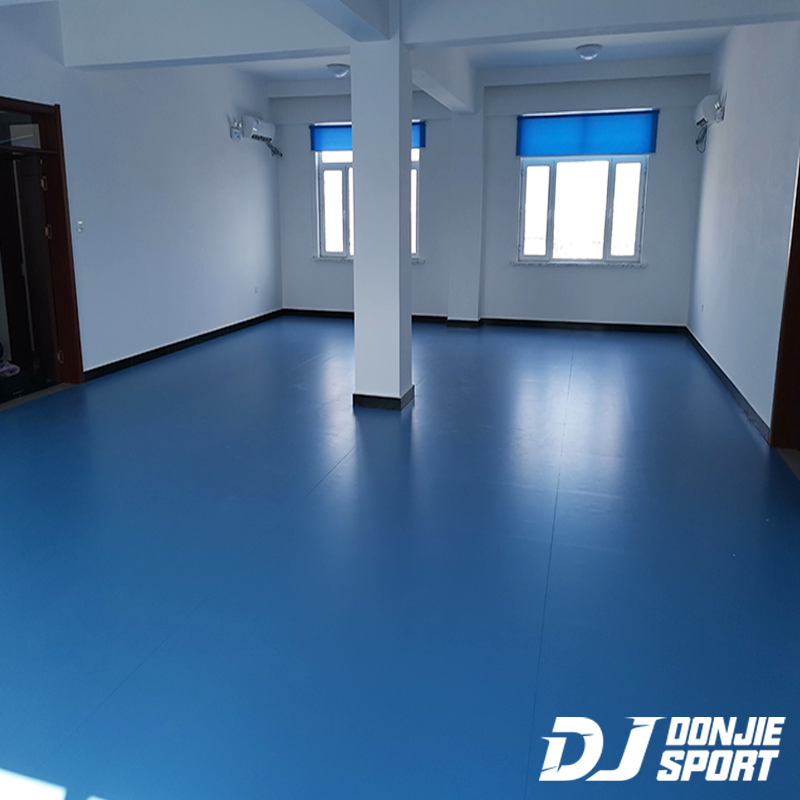
Performance Impact: How Flooring Affects Your Game
The flooring you choose can directly impact the performance of players during a game. A table tennis court must provide a consistent and responsive surface for the ball to bounce properly. Here’s how the two options compare:
-
Mats: With the right material, mats enhance ball bounce, control, and speed, offering an optimal playing experience. They provide even resistance, ensuring that every shot is true.
-
Carpets: The texture of carpets can cause uneven ball bounces, and friction from the fibers may affect the speed and trajectory of the ball, making the game more challenging and less predictable.
Making the Right Choice for Your Table Tennis Court
Choosing between Table Tennis Flooring Mats and Carpets depends on a variety of factors, including your budget, the type of players using the space, and the level of play. Flooring mats offer superior performance, durability, and ease of maintenance, making them the best choice for professional settings or high-use environments. Carpets may be a more affordable and comfortable option for recreational spaces, but they may not provide the same level of consistency and performance as mats.
When selecting the best flooring for your table tennis court, consider how much the surface will be used, the level of play expected, and how easy it will be to maintain the floor. By keeping these factors in mind, you’ll be able to make an informed decision that enhances both the look and functionality of your court.