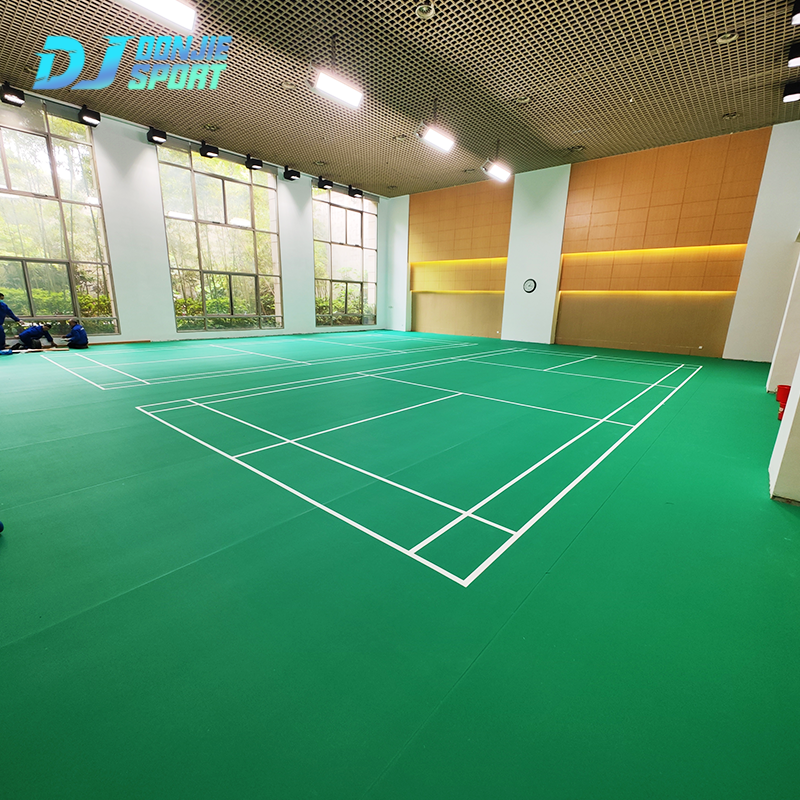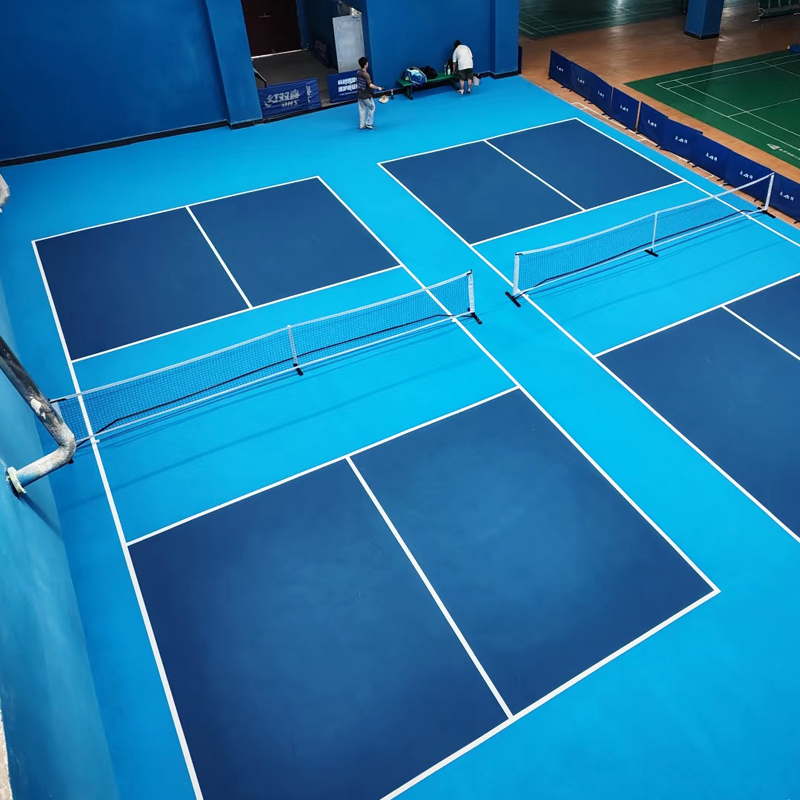
When it comes to building or upgrading a pickleball court, one of the most important decisions is choosing the right flooring. The type of flooring you select not only affects the playability and safety of the court but also influences long-term maintenance and durability. Picking the right flooring option for easy installation and maintenance can save you significant time, effort, and money in the long run.
The best pickleball court flooring options vary depending on several factors, including your court’s location (indoor vs. outdoor), the level of play, and budget. Some flooring materials offer faster installation and require minimal upkeep, making them ideal for high-traffic courts. In this article, we’ll guide you through the key factors to consider when choosing the right pickleball court flooring, with a focus on easy installation and low maintenance.
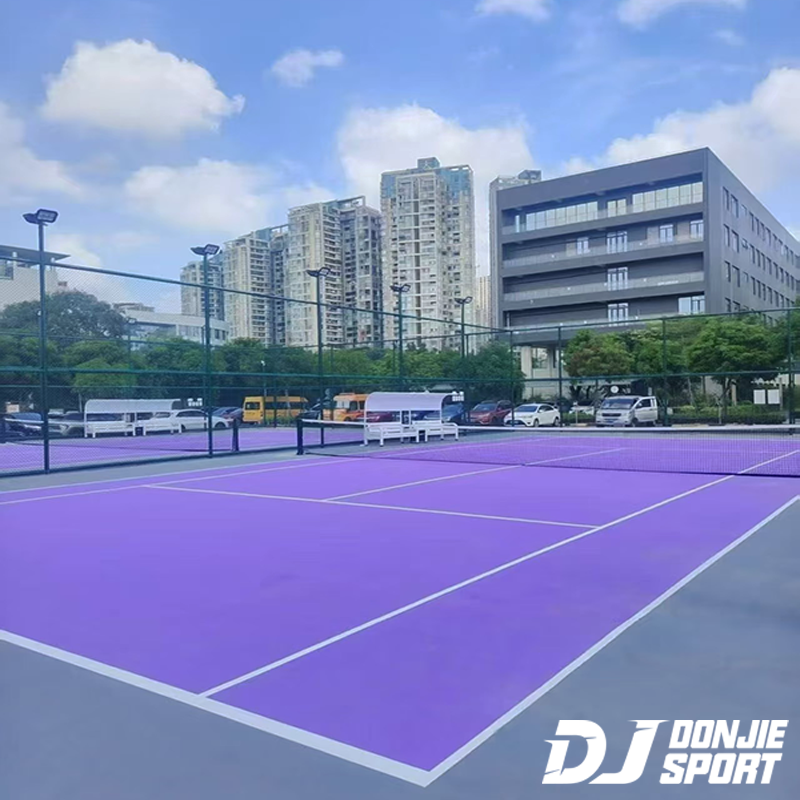
Understanding the Different Pickleball Court Flooring Options
Before diving into installation and maintenance considerations, it’s important to first understand the variety of flooring materials available for pickleball courts. Each type of flooring comes with its own set of advantages and drawbacks, especially when it comes to ease of installation and upkeep.
PVC Flooring
PVC (Polyvinyl Chloride) flooring is one of the most popular options for indoor pickleball courts. Known for its smooth surface and excellent durability, PVC flooring offers superior performance with low maintenance needs. It’s resistant to scratches and stains, which helps keep it looking new for longer.
-
Pros:
-
Quick installation with interlocking tiles or rolled sheets
-
Low maintenance; just needs occasional cleaning with a mop and mild detergent
-
Highly durable and resilient under heavy use
-
-
Cons:
-
Higher upfront cost compared to some other options
-
Requires professional installation in some cases
-
Rubber Flooring
Rubber flooring provides an excellent option for both indoor and outdoor pickleball courts. It is durable, cushioned, and slip-resistant, making it ideal for player safety. Rubber floors are also highly resistant to weather and wear, making them suitable for outdoor use as well.
-
Pros:
-
Soft, cushioned surface for player comfort
-
Durable and weather-resistant, ideal for outdoor courts
-
Easier to maintain with regular sweeping and cleaning
-
-
Cons:
-
Heavier and bulkier, which can make installation more time-consuming
-
May not provide the same level of smoothness and speed as PVC flooring for competitive play
-
Modular Interlocking Tiles
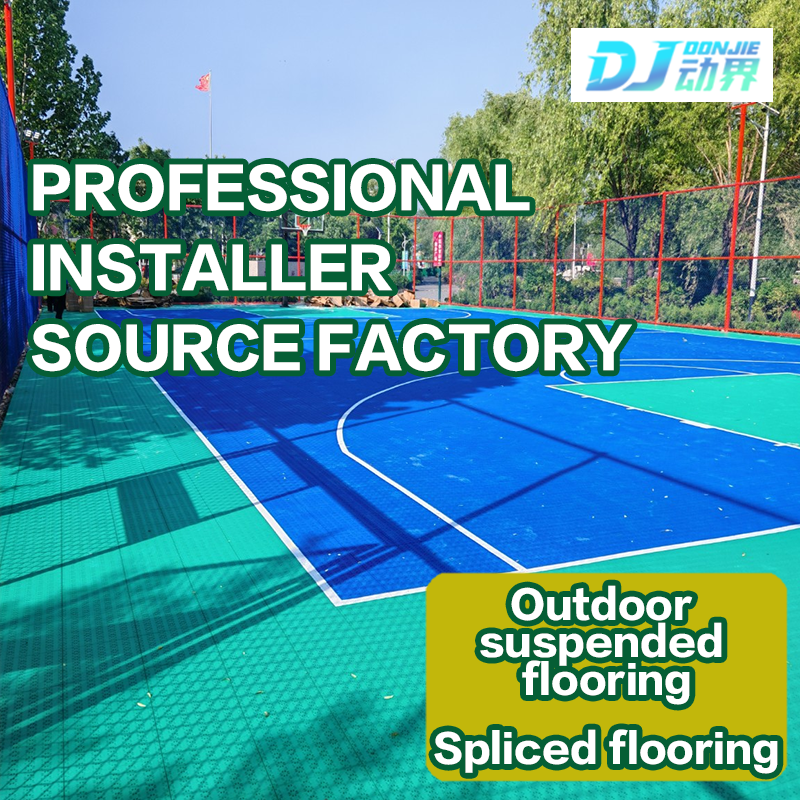
Modular interlocking tiles are a highly versatile flooring option that’s especially popular for outdoor courts or temporary installations. These tiles snap together easily, making installation straightforward and fast. They are available in a range of materials, including rubber and PVC.
-
Pros:
-
Extremely easy to install and replace tiles as needed
-
Ideal for temporary or multi-use courts
-
Customizable in terms of color and design
-
-
Cons:
-
Might not provide the smoothness or level of performance required for professional-level play
-
Can be prone to shifting or warping if not installed correctly
-
Key Factors to Consider for Easy Installation
When selecting pickleball court flooring, the ease of installation is a top consideration. Not only do you want a flooring option that provides excellent performance, but you also want one that doesn’t take too long to install or require a team of professionals for setup.
Simplicity of Installation for Each Type of Flooring
Some flooring types, like modular interlocking tiles, are designed for quick and easy installation. These tiles can be laid down without the need for adhesives or special tools. PVC flooring, while durable and smooth, may require more time to install, especially when it involves large rolls or interlocking tiles.
Time and Effort Involved in the Installation Process
For those looking for a DIY-friendly solution, modular interlocking tiles are the easiest to install. These tiles can be placed directly on the ground with minimal preparation, making them ideal for those who want a hassle-free experience.
For PVC and rubber flooring, professional installation might be necessary, particularly if you’re dealing with large surface areas or need a perfect fit. Installation typically involves laying out the material, securing edges, and ensuring the flooring is properly aligned.
Professional Installation vs DIY Options
For modular interlocking tiles, DIY installation is often a great option. However, if you are opting for PVC or rubber flooring, it may be worth investing in professional installation to ensure the flooring is properly installed and performs as expected.
Maintenance Considerations for Pickleball Court Flooring
Once your flooring is installed, regular maintenance is key to ensuring it remains in top condition. Different flooring materials require different levels of maintenance, and understanding these requirements can save you time and money in the long run.
Frequency of Maintenance Required
-
PVC Flooring: PVC floors are relatively low-maintenance, requiring minimal effort to keep clean. Regular sweeping and occasional mopping with a mild cleaner will keep them looking fresh. For commercial courts, periodic deep cleaning may be required.
-
Rubber Flooring: Rubber floors are generally low-maintenance as well. Regular sweeping and cleaning will help maintain their appearance. However, they may require occasional re-sealing or buffing to maintain their resilience and slip resistance, especially for outdoor courts.
-
Modular Tiles: Modular tiles are easy to maintain. Since the tiles are separate, if one becomes damaged, it’s easy to replace just that section without disturbing the entire court.
Cleaning Methods for Each Flooring Option
-
PVC: Sweep regularly to remove dirt and debris. Clean the surface with a damp mop and a gentle cleaner designed for vinyl flooring.
-
Rubber: Rubber flooring can be cleaned using a vacuum or broom to remove loose dirt. For stains, a damp cloth with a mild detergent should suffice.
-
Modular Tiles: Modular flooring tiles can be swept or vacuumed for regular cleaning. If necessary, tiles can be removed and rinsed down with water to remove any dirt or stains.
Durability and Longevity
PVC and rubber flooring are both highly durable materials, built to last for many years under high traffic. However, modular tiles may show signs of wear sooner than PVC or rubber, particularly if exposed to extreme weather conditions or heavy usage.
How to Choose Based on Your Facility’s Needs
Choosing the right flooring involves understanding the unique needs of your facility. Factors such as the court’s location, frequency of use, and budget all play a role in making the right choice.
Factors Like Indoor vs. Outdoor Courts
For indoor courts, PVC flooring is often preferred due to its smooth surface and durability. Outdoor courts, on the other hand, benefit from rubber or modular tiles due to their weather resistance.
Best Flooring Options for Recreational vs. Professional Courts
For recreational courts, modular interlocking tiles or rubber flooring may be suitable due to their ease of installation and maintenance. For professional courts, PVC flooring is often the preferred choice due to its smoothness and high-performance capabilities.
Considerations for Climate and Weather Conditions
Outdoor courts are exposed to the elements, which means your flooring should be able to withstand temperature changes, rain, and UV exposure. Rubber and modular interlocking tiles are great options for such environments, while PVC flooring is better suited for controlled indoor environments.
Cost vs Benefit: A Look at Long-Term Value
When comparing the cost of different flooring options, it’s important to consider not just the upfront investment, but also long-term maintenance costs.
Initial Cost of Different Flooring Types
-
PVC: Typically more expensive upfront, but it’s durable and requires less maintenance over time, making it a great investment.
-
Rubber: While it’s affordable, rubber flooring may require occasional resurfacing or re-sealing, which can add to the long-term cost.
-
Modular Tiles: Modular tiles are typically more affordable initially but may require frequent maintenance and replacement of individual tiles.
ROI: How Good Flooring Can Enhance the Player Experience
High-quality flooring not only improves the player experience by providing a smooth, safe surface but also extends the lifespan of the court. With less frequent repairs and maintenance, you’ll save on long-term costs and keep the court in top condition for years.
Popular Pickleball Court Flooring Options for Easy Installation and Low Maintenance
Some of the most popular flooring options that combine ease of installation and low maintenance include PVC interlocking tiles, rubber flooring, and modular tiles. Each of these materials offers a balance of affordability, durability, and user-friendly installation processes.
Conclusion
Choosing the right pickleball court flooring is essential for creating a safe, durable, and easy-to-maintain playing surface. Whether you’re building an indoor or outdoor court, understanding your facility’s specific needs and weighing the long-term benefits of various flooring options will help you make an informed decision. Remember, the right flooring option will not only improve the playability of your court but also reduce the time and money spent on maintenance in the future.