Choosing the right sports hall flooring is crucial for any facility, whether it’s a professional sports arena, a school gym, or a community center. The flooring you select will impact everything from the safety of athletes to the maintenance costs over time. Beyond aesthetics, sports hall flooring plays a pivotal role in ensuring optimum performance during activities, reducing injury risks, and extending the life of your facility.
The right flooring doesn’t just offer a functional surface for play; it also contributes to the overall ambiance of your facility. In this guide, we’ll explore all the essential factors you need to consider when selecting sports hall flooring to match the specific needs of your venue.
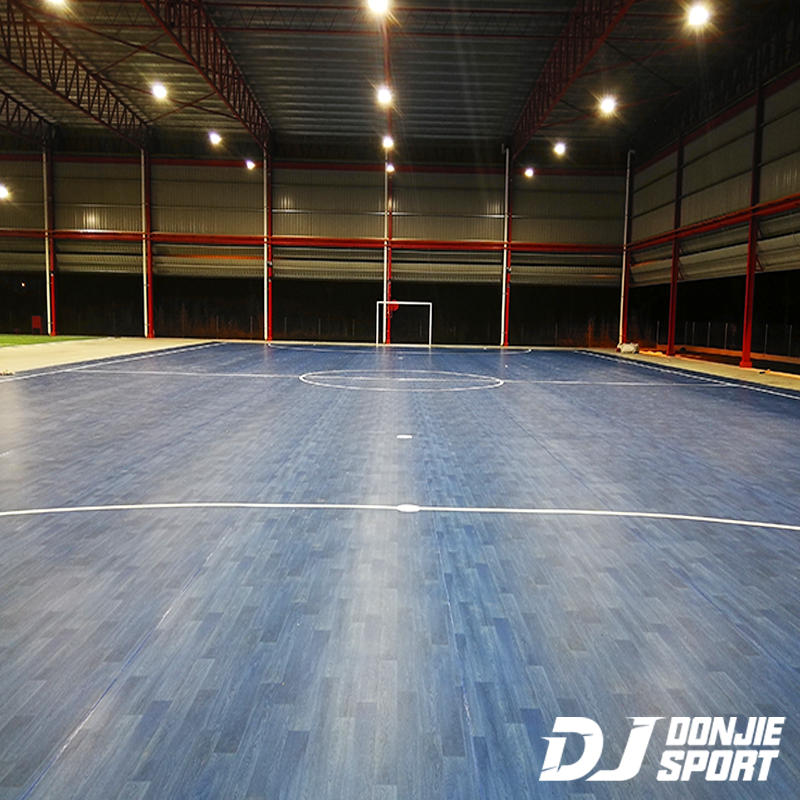
Factors to Consider When Choosing Sports Hall Flooring
When selecting sports hall flooring, several factors should guide your decision-making process. Understanding these key elements will help you make an informed choice that ensures both performance and safety for athletes and ease of maintenance for facility managers.
Type of Sports and Activities
Different sports demand different flooring characteristics. The type of sports played in your facility will directly impact the flooring requirements.
-
Basketball & Volleyball: These sports require flooring with high shock absorption and excellent grip. Wooden floors are often a preferred choice for basketball courts, as they provide optimal bounce and support for fast-paced movements. On the other hand, courts for volleyball require more slip resistance and should offer a stable yet forgiving surface to reduce injury risk.
-
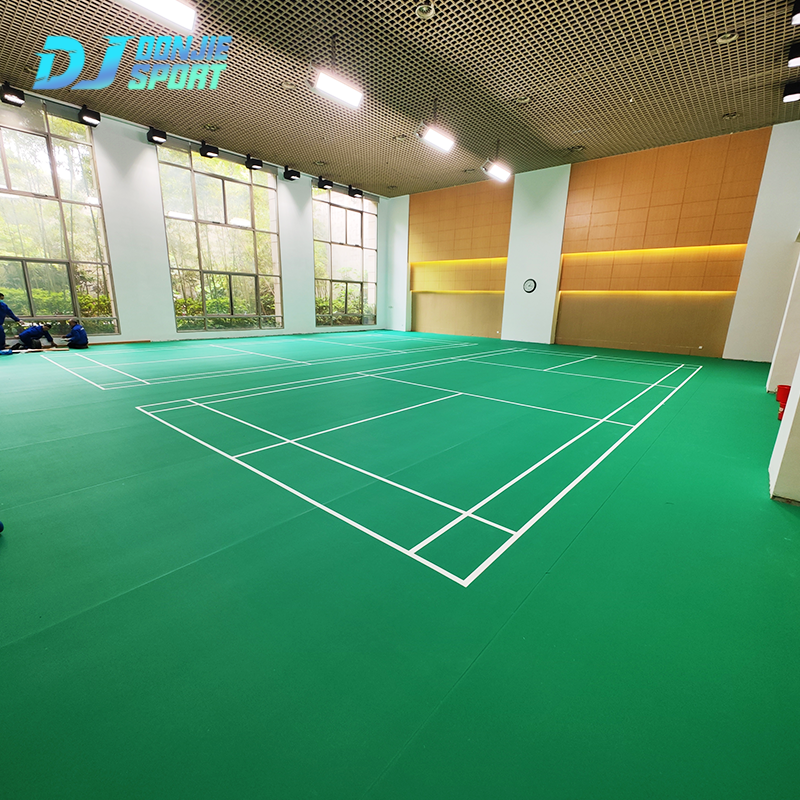
Badminton & Table Tennis: Sports like badminton and table tennis require a smoother surface for quick lateral movements. PVC sports flooring is a great option here due to its balance of grip and smoothness, ensuring players can move freely without sacrificing safety.
-
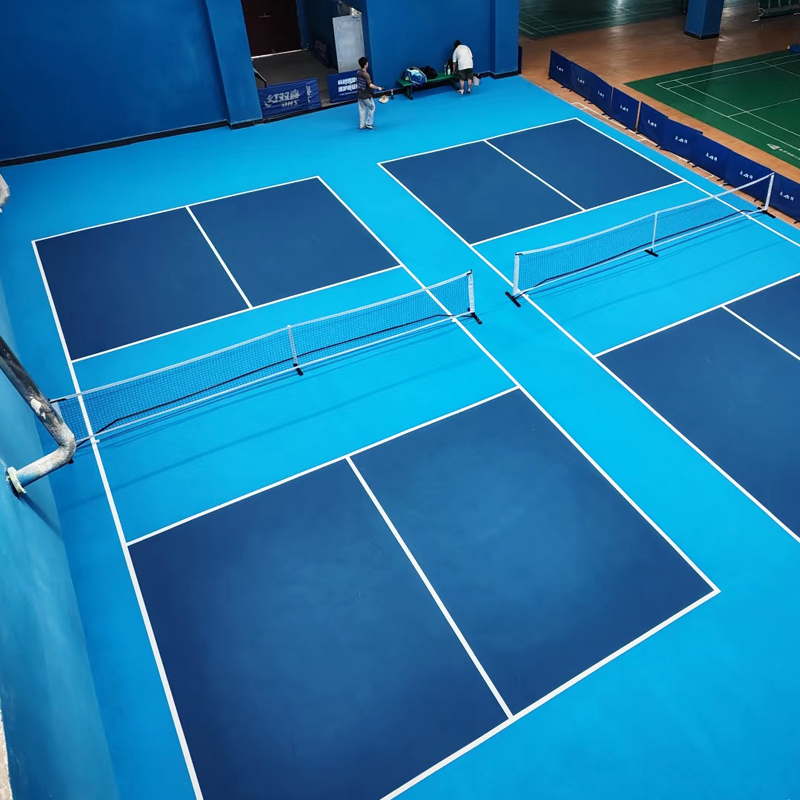
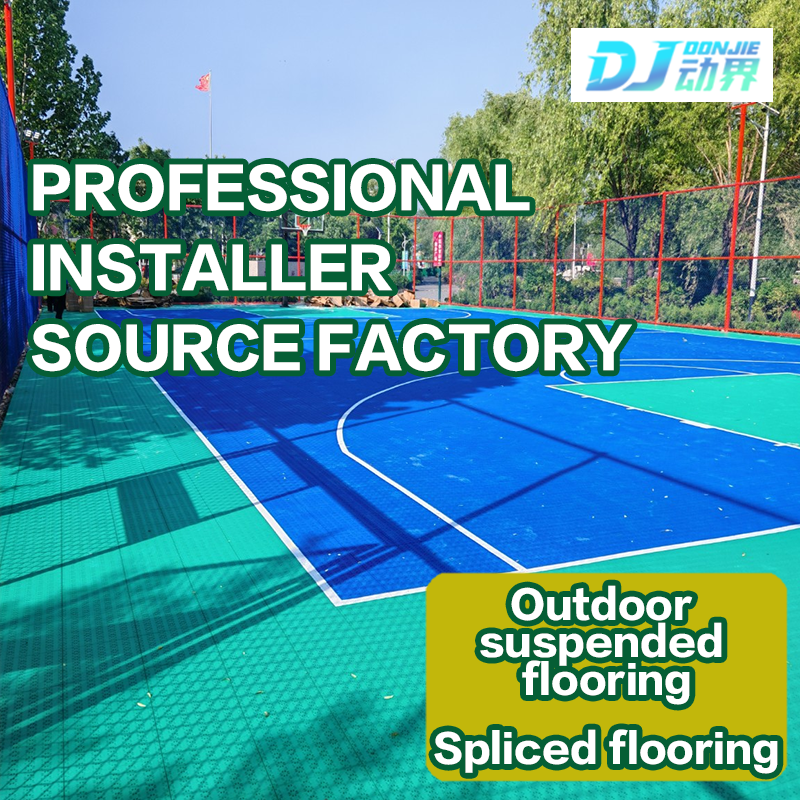
Multi-purpose Sports: If your facility hosts a variety of activities, you’ll need versatile flooring that can accommodate multiple sports without compromising safety. Vinyl and rubber flooring offer a good compromise for multi-sport areas, as they can handle different performance needs while being durable and easy to maintain.
Durability and Longevity
Flooring for sports halls needs to withstand constant foot traffic, high-impact activities, and even the occasional harsh treatment. The longevity of the flooring material will depend on its resistance to wear and tear.
-
Wooden Flooring: Traditional wooden floors, while aesthetically appealing, are more susceptible to damage from high-impact sports like basketball. Regular refinishing and maintenance are needed to maintain their durability.
-
PVC and Vinyl Flooring: These materials are highly durable, resistant to scuff marks, and easy to repair. PVC sports flooring is a top choice for long-lasting performance in busy environments. Its ability to handle heavy foot traffic without showing signs of wear makes it ideal for high-usage areas.
-
Rubber Flooring: Rubber is extremely durable and resilient, perfect for high-impact environments. It’s particularly advantageous in gyms and sports halls that experience intense physical activity regularly.
Shock Absorption and Safety Features
One of the most important factors when choosing sports hall flooring is safety. Proper shock absorption can reduce the risk of injury by cushioning falls and providing support during high-impact activities.
-
Wooden Floors: Natural wood offers a moderate level of shock absorption, which is why it’s commonly used in basketball and volleyball courts. However, it may not provide sufficient protection for other high-impact sports.
-
PVC and Rubber Flooring: These materials are often engineered to offer superior shock absorption, which can significantly reduce the likelihood of injury. PVC sports flooring often comes with a shock-absorbing underlayer that provides excellent cushioning, ideal for multi-sport halls.
-
Polyurethane Flooring: This high-performance option combines great durability with top-tier shock absorption. It’s commonly used in elite sports facilities due to its ability to reduce the impact on joints during intense play.
Maintenance and Cleaning
Maintenance is an often-overlooked aspect when selecting sports hall flooring, but it’s crucial for ensuring the longevity of your flooring and maintaining a hygienic environment.
-
Wooden Flooring: Wood floors need regular maintenance, including sanding, refinishing, and waxing. They are susceptible to water damage, which can make them more difficult to maintain compared to other materials.
-
PVC and Vinyl Flooring: These materials are much easier to maintain. PVC sports flooring is water-resistant, easy to clean, and requires minimal upkeep. A simple mop and cleaning solution will suffice to keep the surface looking pristine.
-
Rubber Flooring: Rubber floors are low-maintenance, highly durable, and resistant to dirt and stains. They are also water-resistant, making them easy to clean after sports events.
Material Options for Sports Hall Flooring
Choosing the right material is crucial to ensuring the sports hall flooring meets your facility’s needs. Below, we’ll explore the most common flooring materials and their respective benefits.
Wooden Flooring
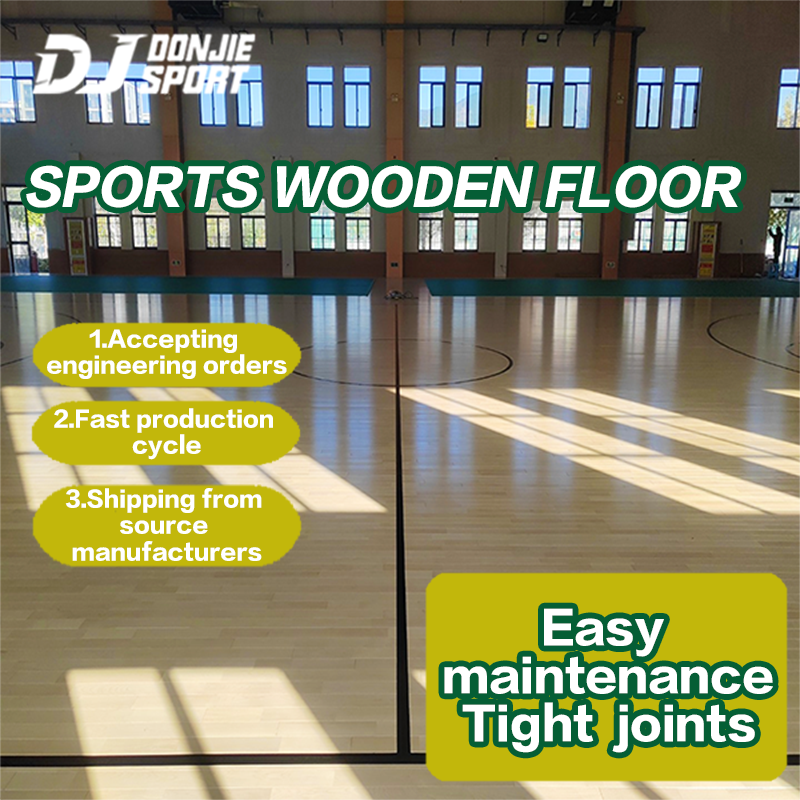
Wooden flooring is a classic choice for sports halls, especially for basketball, volleyball, and other indoor sports. It offers a traditional look and feel, with great durability if properly maintained. However, it can be more expensive, and regular maintenance (such as sanding and refinishing) is required to keep it in top condition.
PVC and Vinyl Flooring
PVC and vinyl flooring are popular in modern sports halls due to their durability, ease of maintenance, and versatility. These materials can be customized for a range of sports and activities, offering varying levels of grip, shock absorption, and slip resistance. PVC sports flooring also comes in various colors and designs, allowing you to match your facility’s aesthetic needs.
Rubber Flooring
Rubber flooring is known for its resilience and long-lasting durability. It is ideal for high-traffic areas and gyms where the flooring will experience heavy use. It offers excellent shock absorption, reduces noise, and is relatively low-maintenance, making it a great choice for multipurpose sports facilities.
Polyurethane Flooring
Polyurethane flooring is an advanced option designed for high-performance sports facilities. It offers superior durability, shock absorption, and performance features, making it ideal for professional and elite sports settings. Polyurethane is also resistant to UV rays and other elements, making it a good choice for both indoor and outdoor sports halls.
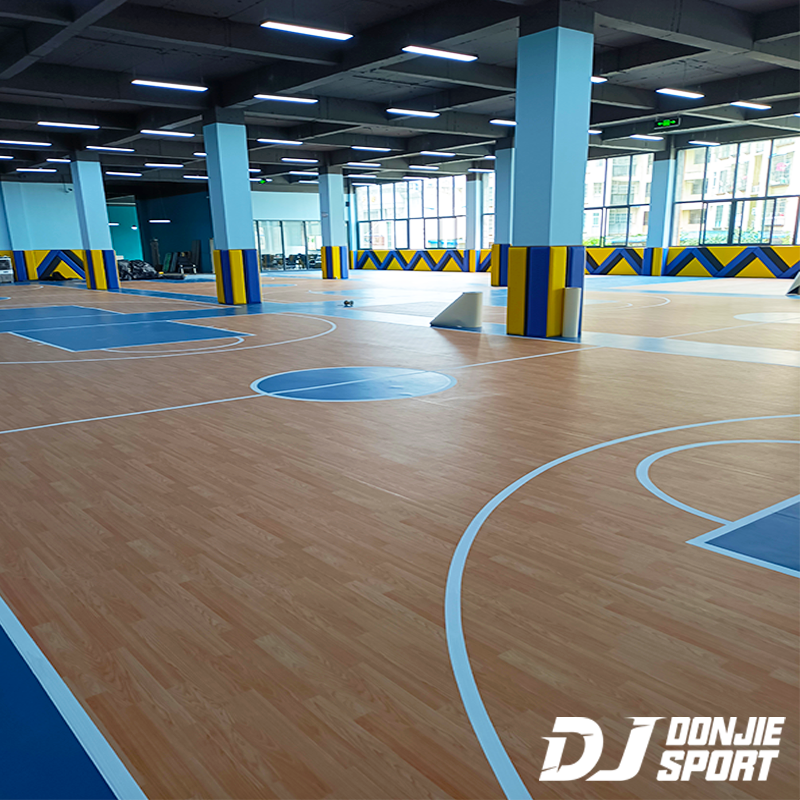
Environmental and Sustainability Considerations
In today’s world, sustainability is becoming an increasingly important factor in purchasing decisions. When choosing sports hall flooring, consider eco-friendly materials that are designed to reduce your environmental footprint.
-
Look for flooring materials that are recyclable or made from sustainable sources.
-
PVC and vinyl flooring are often manufactured with environmentally friendly practices, while rubber flooring can be made from recycled materials.
-
Some sports flooring manufacturers offer options that meet environmental standards, ensuring that your facility remains eco-conscious while still providing high-performance surfaces.
Budgeting for Sports Hall Flooring
Cost is an important consideration when selecting sports hall flooring, but it’s crucial to consider the long-term investment rather than just the initial cost. While high-end flooring materials like wood or polyurethane can be expensive, they may offer a longer lifespan and require less frequent maintenance.
-
For budget-conscious facilities, PVC and rubber flooring can offer a good balance between cost, durability, and performance.
-
Factor in installation costs, which can vary depending on the material and complexity of the project.
-
Don’t forget to account for ongoing maintenance costs, which can vary by flooring type. Wooden floors may require more frequent refinishing, while PVC flooring is generally low-maintenance.
Conclusion
Choosing the right sports hall flooring is more than just picking a surface material—it’s about understanding the unique needs of your facility and selecting a flooring option that enhances performance, reduces injuries, and minimizes maintenance costs. Whether you opt for traditional wooden floors, modern PVC solutions, or resilient rubber, each material offers distinct advantages depending on your specific needs.
By carefully evaluating the factors discussed in this article—such as the type of sports, durability, shock absorption, and maintenance—you can select the perfect sports hall flooring that meets both your budget and your performance goals.