Choosing the best basketball court flooring is a significant decision for any facility, as it affects both performance and safety. Whether you’re building a new court or upgrading an existing one, the flooring choice you make will have long-term consequences. One of the most important factors to consider is your budget. Balancing quality, durability, and cost is crucial to ensure you get the most value from your investment.
This article will guide you through the process of selecting the best basketball court flooring, tailored to fit your facility’s budget. From understanding the different flooring options to weighing the pros and cons of each, we will help you make an informed decision. Let’s explore what you need to know to choose the right flooring for your basketball court.
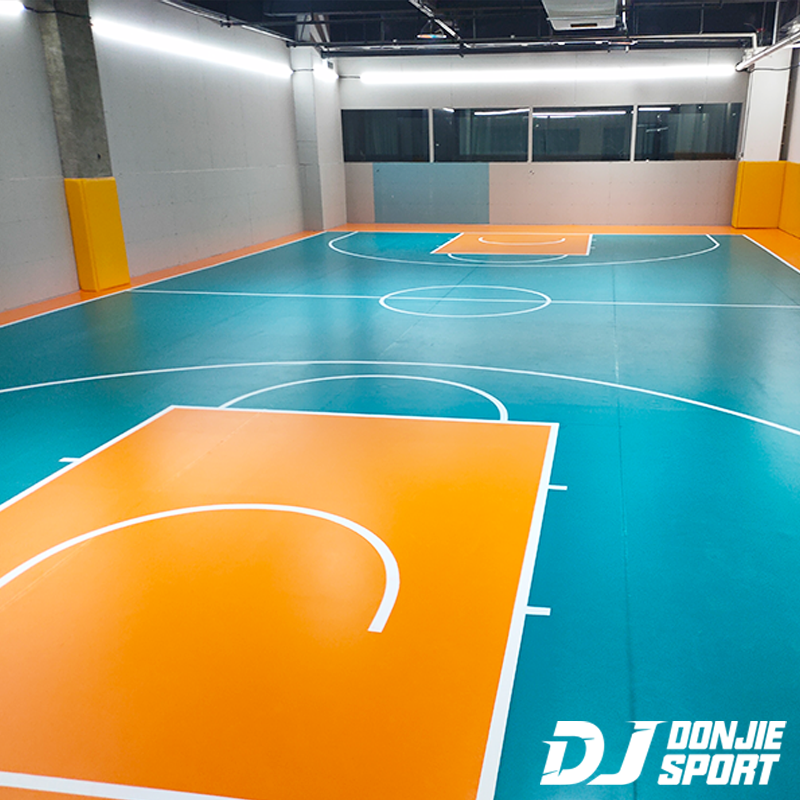
Understanding the Different Types of Basketball Court Flooring
When it comes to basketball court flooring, you have several choices, each with its own unique set of benefits and drawbacks. Here’s an overview of the most common options:
Hardwood Flooring: A Classic Choice
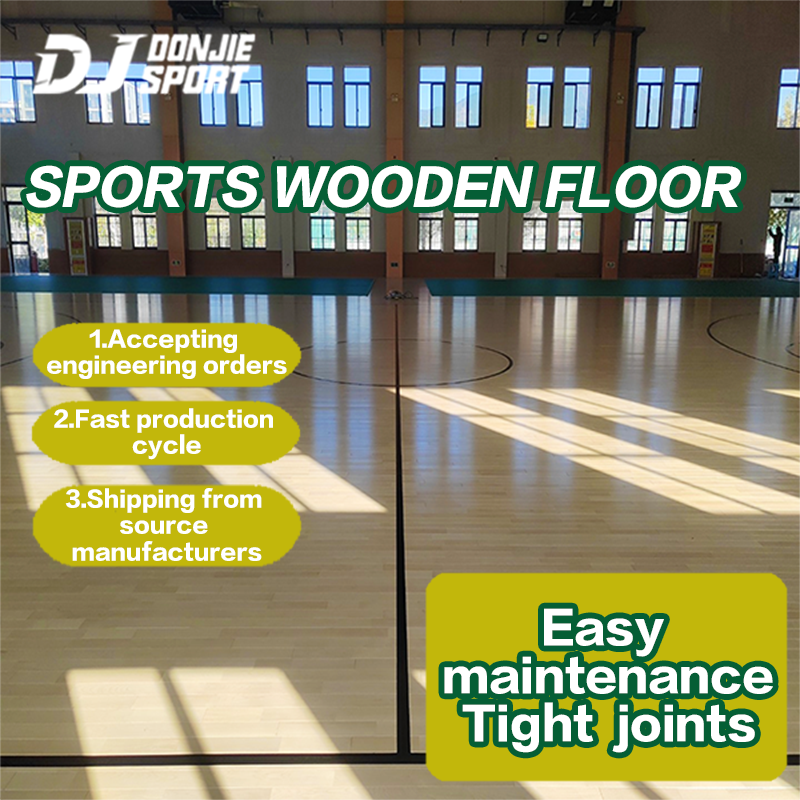
Hardwood flooring is a timeless favorite for professional basketball courts. It provides a smooth, consistent surface that enhances gameplay by offering excellent traction, bounce, and durability. However, this premium material comes at a higher price point, both in terms of installation and long-term maintenance. Hardwood floors require refinishing over time and are vulnerable to scratches and dents from heavy use.
Synthetic Flooring: Modern Alternatives
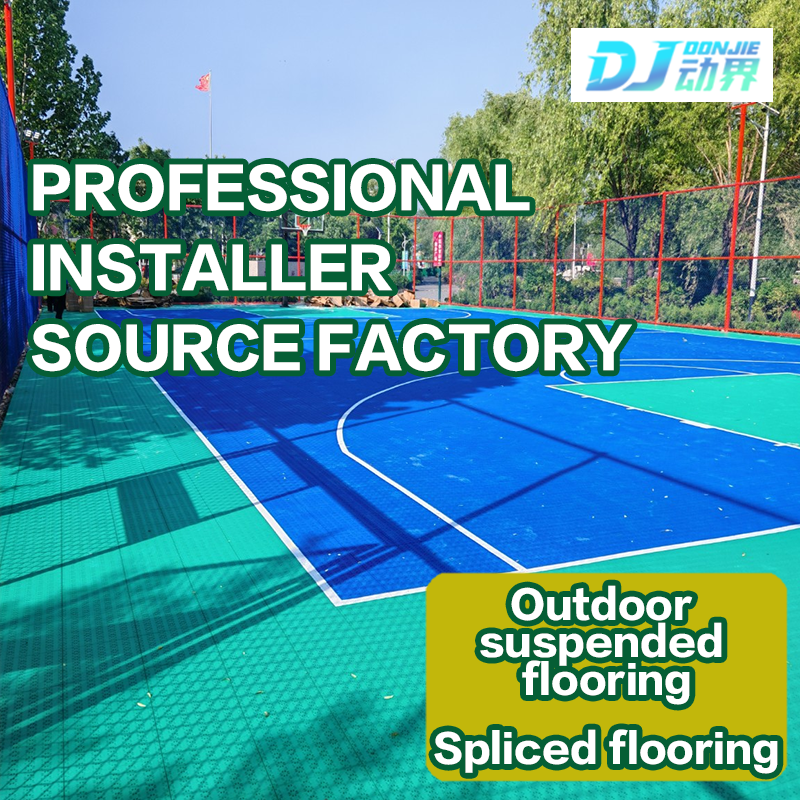
Synthetic floors, such as polyurethane and vinyl, have become increasingly popular due to their lower cost and versatility. These floors can mimic the feel of hardwood but are more resistant to wear and tear. They are typically easier to maintain and offer better resistance to moisture, making them suitable for both indoor and outdoor courts. While they may not provide the same level of performance as hardwood, they are an affordable option for facilities on a budget.
Rubber and Vinyl Flooring: Cost-Effective Solutions
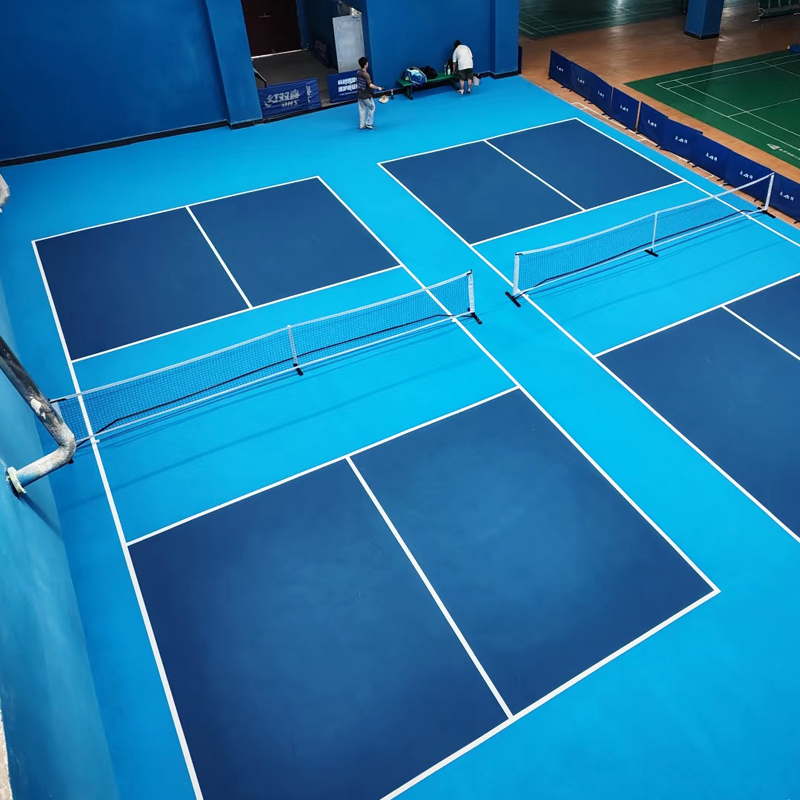
For facilities that need budget-friendly, low-maintenance options, rubber and vinyl floors are excellent choices. These materials offer great shock absorption, making them ideal for recreational or multi-purpose courts. Rubber flooring is particularly effective at reducing injuries by providing a cushioned surface. Although the aesthetic appeal may not match that of hardwood or synthetic options, rubber and vinyl flooring is durable, easy to clean, and cost-effective, making them suitable for schools, gyms, and community centers.
Factors to Consider When Choosing Flooring
When selecting the best basketball court flooring, it’s essential to weigh several factors that will affect both the performance of the court and the overall experience. Here are the key considerations:
Durability and Long-Term Costs
Durability is a significant factor when selecting basketball court flooring. While the initial cost may vary across materials, it’s important to think about the long-term expenses. Hardwood floors, for example, require periodic refinishing and can get damaged over time with heavy use, adding to maintenance costs. In contrast, synthetic and rubber flooring often last longer with minimal maintenance. However, they may not always offer the same performance characteristics as hardwood.
Maintenance Requirements and Ease
Maintenance is another factor that can influence the overall cost of the flooring. Hardwood floors require regular care, such as waxing and buffing, to keep them in good condition. They are also more susceptible to environmental damage like moisture or humidity, which can cause warping or discoloration. Synthetic and rubber floors, however, tend to be easier to maintain. A simple cleaning routine can often suffice, and they don’t require as much attention over the years, making them a hassle-free choice for budget-conscious facilities.
Performance Features: Grip, Bounce, and Shock Absorption
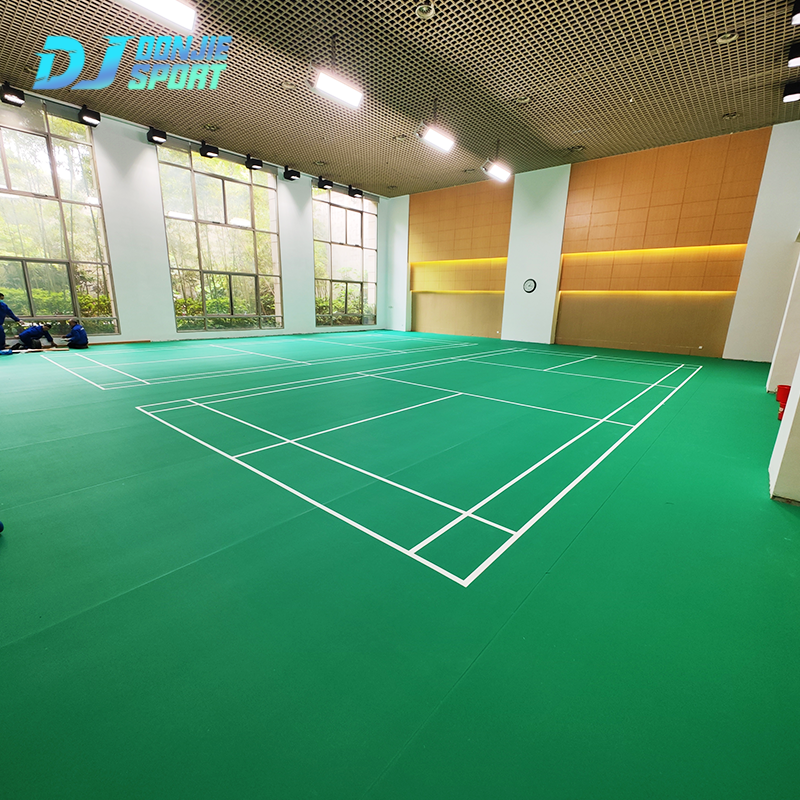
The performance of the court flooring directly impacts player safety and game quality. Hardwood flooring is often preferred for its ability to provide a consistent bounce and excellent grip, ensuring smooth gameplay. Synthetic floors also offer good performance, though they might not match hardwood in terms of grip. Rubber flooring, on the other hand, provides superior shock absorption, reducing the risk of injury, but may have a less responsive bounce, which can affect performance in competitive play.
Aesthetic Preferences and Design Options
While performance and durability are key, aesthetics shouldn’t be overlooked. Hardwood floors are known for their classic and professional appearance, often adding prestige to a facility. Synthetic and rubber options can also be customized with different colors and designs to fit your facility’s branding or aesthetic preferences. The appearance of the flooring will contribute to the overall feel of the space and the experience of players and spectators alike.
Calculating Your Budget for Basketball Court Flooring
Before diving into any decisions, it’s crucial to understand your total available budget for the flooring project. The following steps can help you determine a reasonable budget and allocate funds appropriately:
Determining Your Total Available Budget
First, assess how much you’re willing to spend on the project. Your budget will dictate which options are feasible, as hardwood is typically the most expensive, followed by synthetic flooring, and finally, rubber and vinyl options. Remember to factor in costs for installation, as well as any additional accessories or features you may need, such as line markings or court logos.
Estimating Installation and Maintenance Costs
Installation costs can vary depending on the complexity of the job and the type of flooring you choose. Hardwood floors usually require professional installation, which can be more expensive than synthetic or rubber floors. Additionally, factor in the cost of regular maintenance—wood floors may need refinishing every few years, while synthetic and rubber floors require less ongoing upkeep. Understanding these recurring costs will help you make a more informed financial decision.
Balancing Cost vs. Quality
It’s important to strike a balance between your budget and the quality of flooring you choose. While it might be tempting to opt for the cheapest option, keep in mind the long-term value. Investing in a higher-quality floor like hardwood could save you money in the long run if you plan to host competitive games or expect heavy usage. Alternatively, a synthetic or rubber option may be a more practical solution for a recreational facility or smaller gym.

Pros and Cons of Different Basketball Court Flooring Options
Now that you have a better understanding of the various factors to consider, let’s take a closer look at the pros and cons of the most common types of basketball court flooring:
Hardwood: Best for Professional Courts but Costly
-
Pros: Provides the highest-quality performance, excellent bounce and grip, durable, and aesthetically appealing.
-
Cons: Expensive, requires ongoing maintenance, sensitive to moisture and humidity, and can get damaged easily with heavy use.
Synthetic Floors: Affordable and Low-Maintenance
-
Pros: More affordable than hardwood, long-lasting, easy to maintain, and available in a variety of designs.
-
Cons: May not provide the same level of performance as hardwood, less aesthetic appeal.
Rubber and Vinyl: Great for Recreational Facilities
-
Pros: Budget-friendly, low-maintenance, great shock absorption, ideal for multi-purpose use, easy to clean.
-
Cons: Less responsive bounce, limited aesthetic options, and may not be suitable for high-level competitive play.
Finding the Best Deal: Where to Buy Basketball Court Flooring
When looking for the best basketball court flooring, it’s essential to find a reputable supplier that offers quality products at competitive prices. Here are a few tips:
Trusted Suppliers and Manufacturers
Look for well-known suppliers with a strong reputation in the industry. Research reviews and testimonials from previous customers to ensure that the company offers high-quality products and excellent customer service. Consider contacting manufacturers directly to get quotes and understand the full scope of services they provide.
How to Negotiate for Bulk Purchasing
If you’re outfitting multiple courts or a large facility, purchasing in bulk can help you save significantly. Don’t hesitate to negotiate with suppliers for discounts on large orders. Bulk purchasing may also provide you with more options for customization or free extras like line markings or installation services.
Understanding Warranties and Guarantees
A good warranty is crucial when investing in flooring for a basketball court. Check for warranties that cover defects in materials and installation. A solid warranty will give you peace of mind and protect your investment in the long term.
Making the Right Decision for Your Facility’s Needs
At the end of the day, the best basketball court flooring for your facility comes down to a few key questions:
-
What is the primary use of the court? Will it be used for competitive play, recreational use, or a mixture of both?
-
How often will the court be used? High-traffic facilities may need more durable flooring options.
-
What’s your long-term maintenance plan? Consider the costs and time required to maintain your flooring.
-
What’s your budget? Be realistic about how much you can spend and prioritize the most important factors, like performance and safety.
By taking these considerations into account, you can make a choice that balances cost with quality while meeting your facility’s unique needs.
Conclusion
Choosing the best basketball court flooring for your facility’s budget requires careful consideration of various factors, including durability, maintenance, performance, and aesthetics. By understanding the different types of flooring available, calculating your budget, and weighing the pros and cons of each option, you can find the perfect solution that provides long-term value and meets your needs. With the right decision, you’ll ensure a safe and enjoyable experience for players and maximize the lifespan of your court.