Choosing the right flooring for your basketball court is essential to both the performance of the game and the safety of the players. Whether you’re outfitting a school gymnasium or a professional basketball facility, the right flooring can make a significant impact on how the game is played and how long the court lasts. But with so many options available, how do you decide which is best for your needs? This guide will break down the different types of basketball flooring, key considerations to keep in mind, and what factors will influence your decision-making process.

Understanding the Types of Basketball Flooring
When it comes to choosing the best basketball flooring, the material you select is crucial for both game performance and long-term durability. Here’s an overview of the most popular options available:
Hardwood Flooring: Timeless, Durable, and Ideal for High-Performance Games
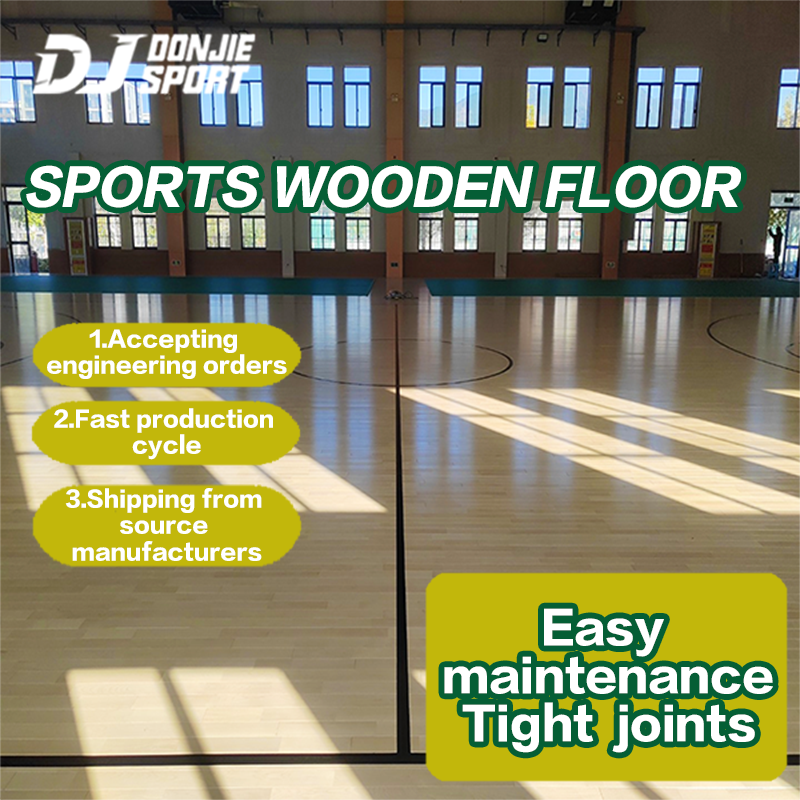
Hardwood flooring has long been considered the gold standard for basketball courts. It provides an excellent combination of durability, performance, and aesthetic appeal. Hardwood floors are designed to provide the right amount of bounce and traction, reducing the risk of injuries during fast-paced gameplay. This flooring is also visually striking, offering a professional look for high-end sports facilities and schools that want to make a lasting impression.
Synthetic Flooring: Cost-Effective and Versatile
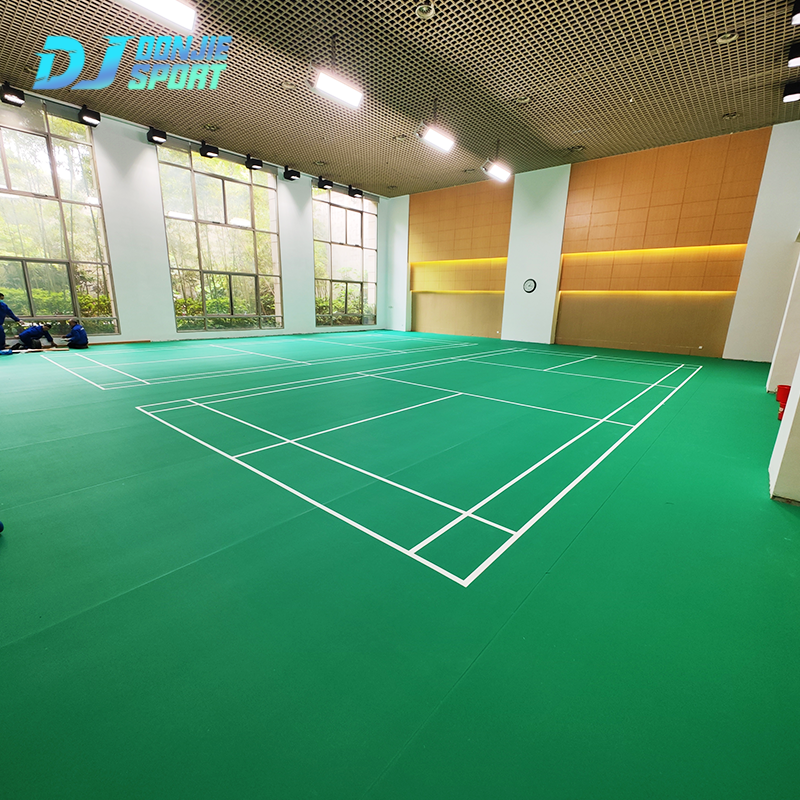
Synthetic basketball flooring is a popular choice for schools and gymnasiums that need a budget-friendly yet reliable surface. These floors are made from materials like vinyl or polyurethane and are available in a variety of designs and colors. While synthetic floors may not provide the same high-end performance as hardwood, they offer great durability, are easy to clean, and provide a consistent playing surface for most recreational and amateur basketball games.
Rubber Flooring: Shock Absorption and Injury Prevention
Rubber flooring is primarily known for its shock-absorbing properties, which help reduce the impact on joints during play. It is a preferred option for facilities that want to prioritize player safety. Rubber flooring is highly durable, slip-resistant, and often used in multipurpose gyms where other sports might be played. While it is ideal for schools or recreational centers, rubber floors might not offer the best bounce for competitive basketball, so it may not be suitable for high-performance courts.
Modular Tiles: Flexible and Easy to Install
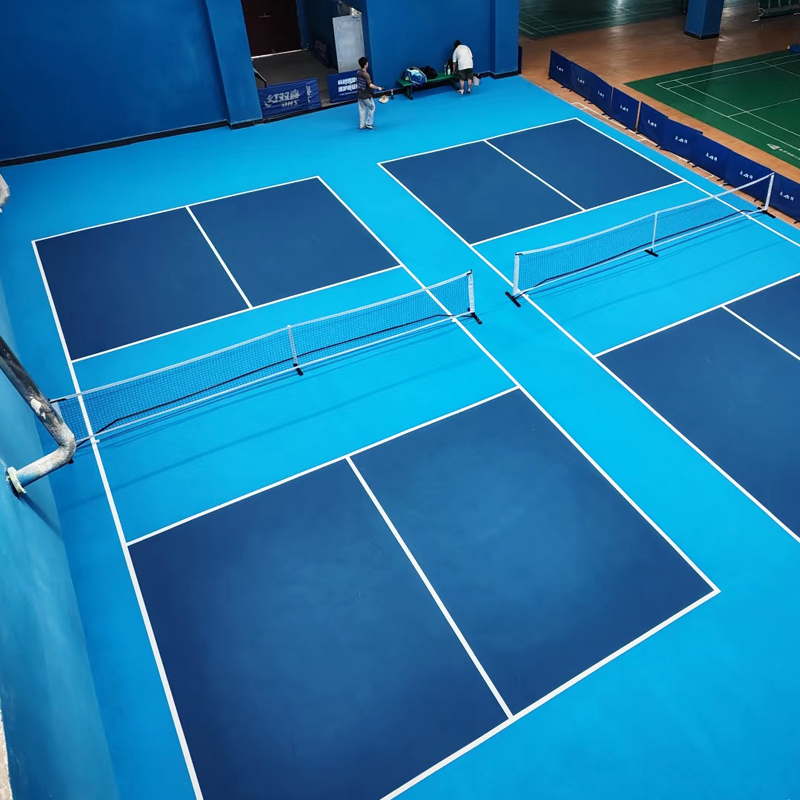
Modular tile systems are gaining popularity due to their ease of installation and flexibility. These interlocking tiles can be set up quickly, making them a great choice for gyms that need to be reconfigured for multiple uses. These tiles are also portable, so you can take them down and reassemble them as needed. Although modular tiles are convenient, the performance may not be as consistent as other flooring options, and they may not be ideal for highly competitive settings.
Key Considerations for Selecting the Best Basketball Flooring
When choosing the best basketball flooring, it’s essential to balance various factors to make an informed decision. Below are the most important considerations to keep in mind:
Budget: Balancing Cost and Quality
Budget is often the most significant deciding factor when selecting flooring. Hardwood floors, while offering the best performance, tend to be the most expensive option, especially when you factor in installation and maintenance costs. Synthetic and rubber flooring options are generally more affordable, offering a reasonable compromise between cost and performance. It’s essential to weigh the long-term investment and choose a flooring option that aligns with your available budget.
Durability: How Long the Flooring Will Last
The durability of the flooring is directly tied to how long it will withstand the wear and tear of daily use. Hardwood flooring is incredibly durable if properly maintained, often lasting for decades in high-use environments. Synthetic floors and modular tiles are generally durable as well, but they may show signs of wear over time and need replacement or maintenance. Rubber flooring, while durable in terms of shock absorption, may become damaged or worn quicker in terms of appearance.
Maintenance: What’s Required for Keeping It in Top Condition
Maintenance is another critical factor to consider. Hardwood floors require regular sanding and refinishing to maintain their smoothness and performance. Synthetic flooring and modular tiles are generally easier to maintain and clean, with minimal upkeep required. Rubber floors are low-maintenance, but over time, they may develop discoloration or damage from heavy usage.
Safety: Ensuring the Safety of Players
Basketball is a physically demanding sport, and ensuring the safety of players should be a top priority. Flooring should offer sufficient traction to prevent slips and falls while also absorbing shock to reduce the impact on joints. Hardwood floors, for example, tend to have excellent grip, but if not maintained, they may become slippery. Rubber flooring is often praised for its slip-resistance and shock absorption but may not be suitable for high-velocity gameplay.
Performance: Impact on Game Play and Player Comfort
The best basketball flooring should enhance player performance. The right surface will provide adequate bounce, grip, and comfort during the game. Hardwood floors are known for offering the best rebound and a smooth surface, making them ideal for competitive basketball. Synthetic and rubber floors, while more affordable, may not provide the same level of performance.
Comparing Performance Features
Understanding how different flooring types affect performance is essential for making the right choice for your gymnasium.
Grip and Traction: Importance of Preventing Slips
For safe and effective gameplay, grip and traction are essential. Hardwood floors provide excellent grip, helping players pivot and cut quickly without slipping. Synthetic floors offer decent traction but may not have the same level of performance as hardwood. Rubber floors, while slip-resistant, may not provide the required traction for fast-paced basketball games, making them better suited for other types of sports.
Shock Absorption: Reducing Stress on Joints
Flooring that offers proper shock absorption can prevent injuries and reduce fatigue for players. Rubber flooring is often the best option in this regard, as it provides maximum protection for players’ knees and ankles. Hardwood floors provide some shock absorption, but synthetic floors tend to fall somewhere in between, depending on the material used.
Bounce and Rebound: How Flooring Affects the Game
The bounce and rebound of the ball are essential for a high-quality game. Hardwood floors are the top choice for maintaining consistent ball bounce and rebound, which is crucial for competitive play. Synthetic floors can replicate this to some extent, but rubber and modular tiles may not provide the same level of responsiveness, which can affect gameplay quality.
Noise Control: Keeping the Court Quiet and Professional
Noise control may not be as high on the priority list for everyone, but it can contribute to the overall atmosphere of the court. Hardwood floors help maintain a professional, quiet environment during play, while synthetic and rubber floors may absorb sound differently, leading to varying levels of noise.
Evaluating Installation Requirements
Time and Labor Costs
The installation process for basketball flooring varies widely depending on the type chosen. Hardwood flooring requires professional installation and preparation of the subfloor, making it time-consuming and labor-intensive. Synthetic and rubber floors can typically be installed more quickly, especially if the space is already prepared. Modular tiles are the easiest and fastest to install, often requiring minimal labor and allowing for a DIY approach.
DIY Installation vs. Professional Installation
For schools or gymnasiums on a budget, DIY installation of synthetic or modular flooring might be an attractive option. However, for the best results and to ensure durability and safety, professional installation is recommended for hardwood flooring.
Floor Preparation and Site Conditions
Floor preparation is critical to ensuring that the new flooring will perform optimally. For example, hardwood floors require a dry, smooth subfloor, while rubber flooring may need additional support to ensure stability. If the gymnasium is in a humid or outdoor environment, it’s essential to account for these conditions when selecting flooring.
Choosing the Best Flooring for Specific Environments
Different environments require different types of flooring. Here’s a breakdown of what works best in various settings:
School Gyms: Balancing Functionality with Budget Constraints
In school gyms, the flooring needs to balance cost-effectiveness with durability. Synthetic or rubber flooring may be ideal for schools with limited budgets but still require a durable and low-maintenance option. Hardwood floors, while optimal for performance, may be better suited for schools with a higher budget or more extensive athletic programs.
High-End Facilities: Investing in Premium Flooring for Long-Term Performance
For professional gyms, sports complexes, or schools with a strong basketball program, investing in high-end hardwood flooring can significantly improve player performance and the overall quality of the facility. The durability and performance advantages are worth the investment in the long term.
Outdoor Courts: Materials for Exposure to Weather Elements
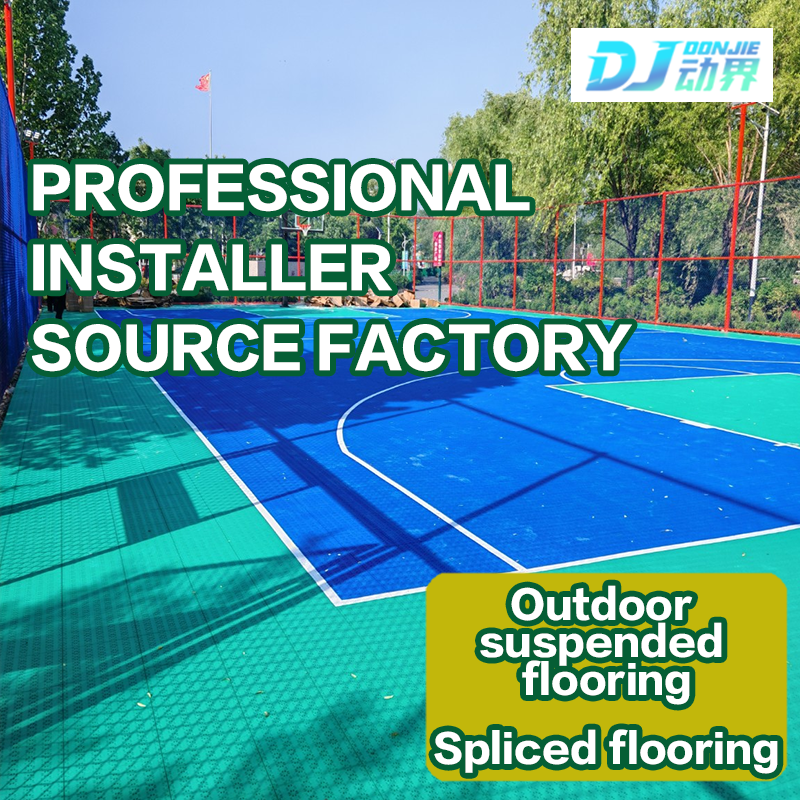
Outdoor basketball courts are exposed to the elements, making it essential to choose materials that can withstand weather conditions. Rubber or synthetic floors are great choices for outdoor courts, as they are more resistant to moisture and temperature changes compared to hardwood.
Environmental and Sustainability Considerations
In today’s eco-conscious world, many schools and gyms are opting for flooring that is environmentally friendly. Sustainable options such as recycled rubber or eco-certified hardwood can help reduce your facility’s environmental footprint. Additionally, certifications like LEED (Leadership in Energy and Environmental Design) can provide peace of mind that the materials are responsibly sourced.
Additional Features to Consider
Customization Options: Logos and Designs
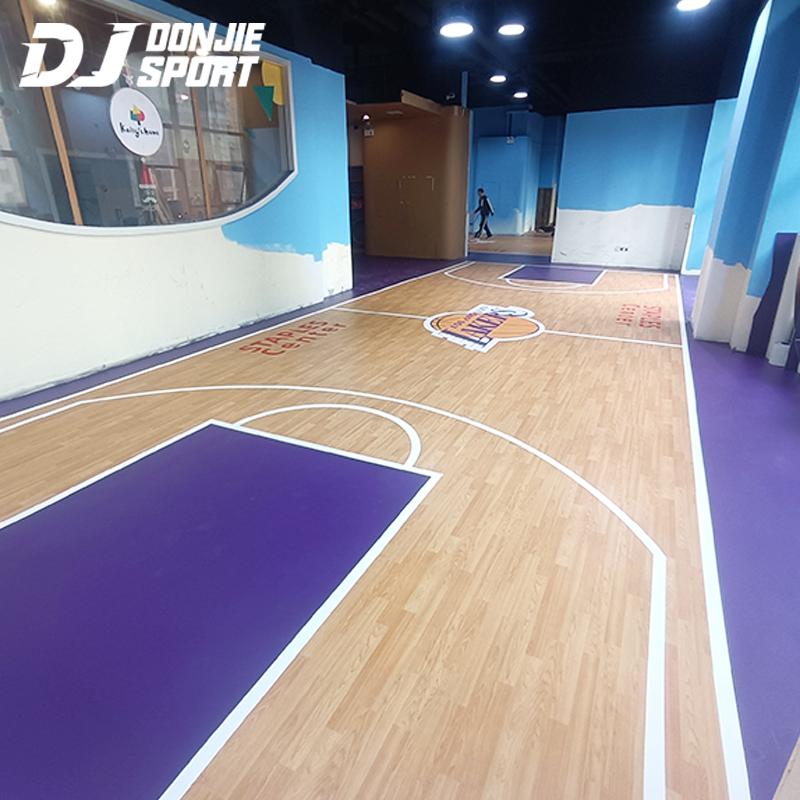
For schools or gyms looking to make a statement, many flooring options, especially synthetic and modular tiles, offer customization. You can add logos, team colors, or other designs to make the court unique.
Warranty and Manufacturer Support
Ensure that the flooring you select comes with a warranty that covers defects, installation issues, or excessive wear. The level of support offered by the manufacturer is also an important consideration to ensure that any maintenance or issues are addressed promptly.
Long-Term Value and Return on Investment
While higher-end flooring may have a higher upfront cost, it often offers a better return on investment due to its durability, performance, and long lifespan. Flooring that requires frequent replacements or costly maintenance may cost more in the long run.
Conclusion
Choosing the best basketball flooring for your school or gymnasium requires careful consideration of several factors, including budget, performance, durability, and maintenance. Whether you’re leaning towards the classic appeal of hardwood or the practicality of synthetic or rubber options, understanding the pros and cons of each type of flooring will help you make an informed decision. Keep in mind the specific needs of your facility, and don’t hesitate to consult with experts or visit showrooms to see the flooring options in person.