Choosing the right dance floor is essential for any dance studio. A high-quality dance floor can enhance the performance and safety of dancers, while also providing long-lasting durability. The ideal flooring choice will depend on a variety of factors such as the type of dance performed, the studio’s size, and the overall budget. In this guide, we will explore the key aspects to consider when selecting the best dance floor for your studio’s specific needs.
A dance floor serves not only as the surface dancers perform on but also as a crucial element in promoting safety, preventing injuries, and improving performance. Whether you are a ballet studio, a hip-hop dance venue, or a multi-purpose facility, understanding the different flooring materials and their advantages will help you make an informed decision.
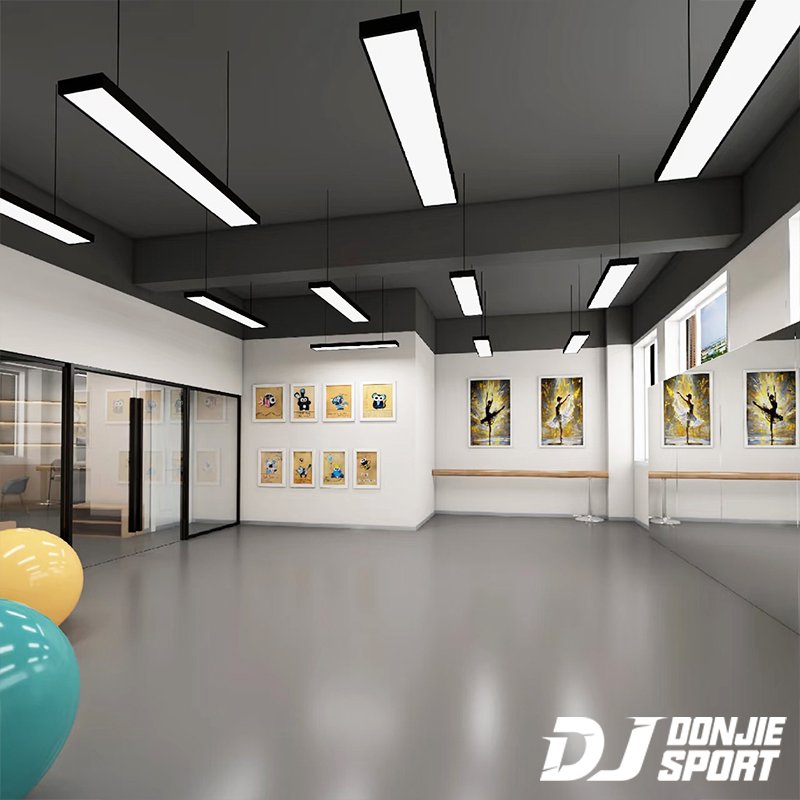
Understanding Different Dance Floor Materials
Selecting the right material is critical when it comes to dance flooring. Different types of dance floors cater to the needs of specific dance styles and performance requirements. Let’s explore the most common types of dance floor materials:
Hardwood Floors: Benefits and Considerations
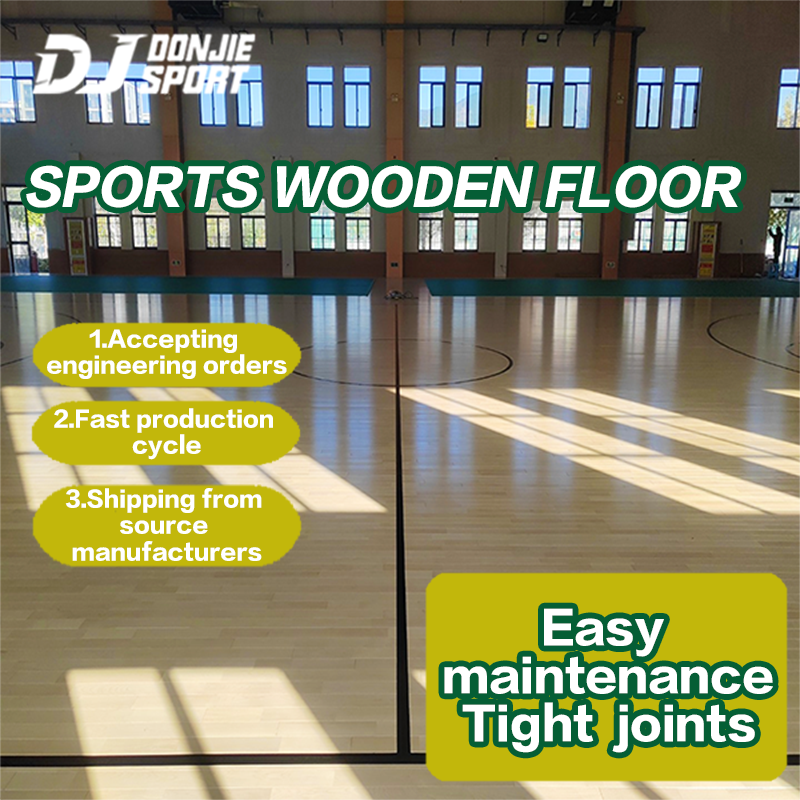
Hardwood floors have been a long-standing favorite for dance studios, particularly for ballet and classical dance forms. These floors are known for their natural, elegant appearance and are durable when maintained properly.
-
Pros:
-
Timeless, aesthetically appealing
-
Provides a firm, stable surface for precision movements
-
Excellent longevity with proper care
-
-
Cons:
-
Requires regular maintenance (polishing, refinishing)
-
Can be slippery if not treated correctly
-
High initial cost
-
Vinyl Floors: Advantages for Different Dance Styles
Vinyl dance floors are versatile and ideal for a wide range of dance styles, from jazz and hip-hop to ballroom and contemporary. Vinyl flooring is easy to clean and maintain, making it a popular choice for studios with high traffic.
-
Pros:
-
Cost-effective
-
Durable and easy to clean
-
Ideal for studios that host various dance styles
-
-
Cons:
-
May not offer as much shock absorption as other materials
-
Can wear down over time with heavy use
-
Marley Floors: A Popular Choice for Ballet and Modern Dance
Marley flooring, often referred to as “performance vinyl,” is widely used in ballet, modern dance, and contemporary dance studios. It is designed to be laid directly over an existing floor and provides a smooth, slip-resistant surface.
-
Pros:
-
Provides excellent slip resistance for dancers
-
Specifically designed for high-impact performances
-
Easy to install and maintain
-
-
Cons:
-
May require a smooth subfloor for optimal performance
-
Can be a bit more expensive than basic vinyl floors
-
Foam Floors: Best for Hip-Hop and Contemporary Dance
Foam floors, typically interlocking mats, are a great choice for dance styles that involve heavy impact, such as hip-hop and breakdancing. These floors offer cushioning and support to reduce stress on joints and muscles.
-
Pros:
-
Provides cushioning and shock absorption
-
Easy to install and transport
-
Ideal for hip-hop, contemporary, and floor-based movement
-
-
Cons:
-
Not as durable or firm as other options
-
May require additional maintenance to keep the surface clean
-
Portable Floors: Flexibility for Varying Needs
For dance studios that require flexibility—perhaps for traveling performances or temporary setups—portable floors are an excellent solution. These floors are easy to transport, set up, and tear down, making them ideal for events, rehearsals, and multi-purpose studios.
-
Pros:
-
Lightweight and easy to move
-
Ideal for events or temporary setups
-
Versatile for different types of dance
-
-
Cons:
-
May not provide the same stability as permanent floors
-
Can wear out faster with frequent use
-
Factors to Consider When Choosing the Best Dance Floor
When it comes to selecting the best dance floor, several factors should influence your decision. Below are the key elements that will help ensure your flooring choice matches the needs of your studio:
Dance Style and Its Flooring Requirements
Each dance style has its own unique flooring requirements.
-
Ballet: Requires a smooth, resilient surface with slight give to protect joints during jumps and pirouettes. Hardwood or Marley flooring is typically ideal.
-
Jazz and Hip-Hop: These styles often need durable floors with enough grip to prevent slipping but also enough slide for quick movements. Vinyl or vinyl composite floors are common choices.
-
Contemporary Dance: A balance between cushioning and stability is essential for contemporary dancers, who often perform floor-based work. Foam floors or Marley flooring can be an excellent choice.
Studio Size and Layout
The size and shape of your studio will play a major role in your decision.
-
Small Studios: For smaller spaces, portable flooring may be a cost-effective solution. You could also consider lightweight materials like vinyl for ease of installation.
-
Large Studios: Larger studios often benefit from permanent floors that can handle high traffic and offer durability over time. Hardwood, vinyl, or Marley floors are often chosen for these settings.
Budget Considerations
Your budget is an important factor in determining which flooring material is right for you.
-
Initial Cost: Hardwood and Marley floors tend to be more expensive upfront, while vinyl and foam floors are more affordable.
-
Maintenance Costs: While vinyl floors may have a lower initial cost, they may need replacement sooner. Hardwood floors, though more expensive initially, last much longer with proper care.
-
Long-Term Investment: Consider the return on investment. Higher-quality floors may cost more initially but can save money in the long run due to their durability and longevity.
Durability and Maintenance of Dance Floors
A dance floor is a significant investment, so it’s essential to consider its longevity and maintenance needs. Different materials come with different levels of upkeep.
How Long Will Your Dance Floor Last?
-
Hardwood floors, with proper care, can last for decades, but they require refinishing every few years.
-
Vinyl floors typically last 5-10 years depending on traffic and maintenance.
-
Foam floors, while providing excellent cushioning, may need to be replaced more frequently due to wear and tear.
Easy-to-Maintain Options for High-Traffic Studios
-
Vinyl floors are often favored for their ease of maintenance. Simply sweeping and mopping the surface will usually suffice.
-
Marley floors, being slip-resistant, require basic cleaning, but they also need to be checked regularly for wear.
Cleaning and Care Tips for Different Materials
-
Hardwood: Regular sweeping and mopping with appropriate cleaners. Refinishing may be required over time.
-
Vinyl: Sweep regularly and use mild cleaning solutions to avoid damage.
-
Foam: Vacuum and spot clean as needed to maintain a safe, clean surface.
Ensuring Safety with the Right Dance Flooring
Safety should always be a top priority when selecting a dance floor. Flooring that is too hard or too slippery can increase the risk of injury. It’s important to choose a floor that provides sufficient cushioning to absorb impact while also offering the right amount of grip.
-
Cushioning and Shock Absorption: Floors that are too rigid can put excessive stress on dancers’ joints and muscles. A floor with adequate cushioning reduces the risk of injuries like sprains, strains, and fractures.
-
Slip Resistance: Particularly important for ballet and modern dance, ensuring that your floor offers the correct amount of grip without being sticky or too slick is crucial for dancer performance.
-
Fall Protection: For styles like contemporary and hip-hop, where floorwork is common, shock absorption is critical to minimize injury risks.
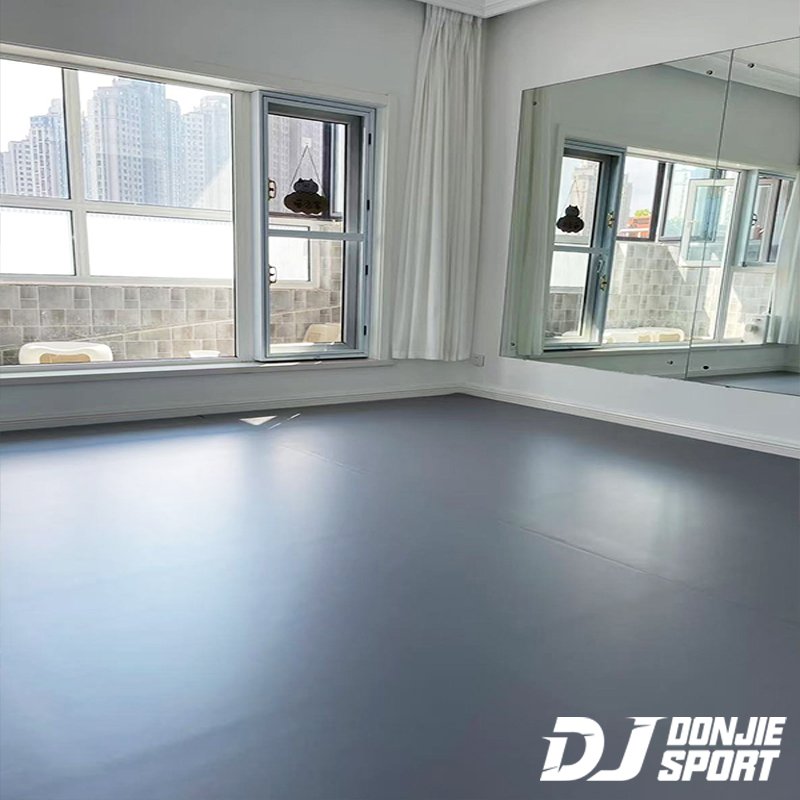
Installation and Flooring Solutions
Installation is another important aspect to consider when choosing the best dance floor. Some floors are easy to install yourself, while others require professional installation for optimal results.
Professional Installation vs. DIY Options
-
Professional installation ensures the floor is laid correctly, reducing the risk of damage or safety issues.
-
DIY options are cost-effective but require careful attention to the details, especially with temporary or interlocking floor solutions.
Ensuring Proper Subfloor Preparation
Before installing any type of flooring, ensure that the subfloor is prepared adequately. A clean, smooth surface is essential for preventing flooring damage and ensuring the longevity of your floor.
Cost and Time Considerations for Installation
-
Professional installation may take a few days, depending on the size of the studio.
-
DIY installation can take longer but may be a cost-effective solution for smaller budgets.
Customizing Your Dance Floor
Customizing your dance floor is a great way to personalize your studio and create a more inspiring environment for dancers.
-
Color and Design: Flooring can come in a variety of colors and patterns, allowing you to match your studio’s branding or create a more vibrant atmosphere.
-
Surface Texture: Depending on your studio’s needs, you can opt for different textures, from smooth surfaces ideal for ballet to more textured surfaces for hip-hop.
-
Logo and Branding: Many flooring providers offer customization options to add your studio’s logo or brand colors, enhancing the overall aesthetic appeal.
Conclusion
Choosing the best dance floor for your studio is a decision that should take into account factors like the type of dance performed, studio size, budget, and long-term durability. Whether you opt for hardwood, vinyl, or foam floors, ensuring safety, comfort, and performance will help your dancers excel and provide a positive environment for practice and performance.