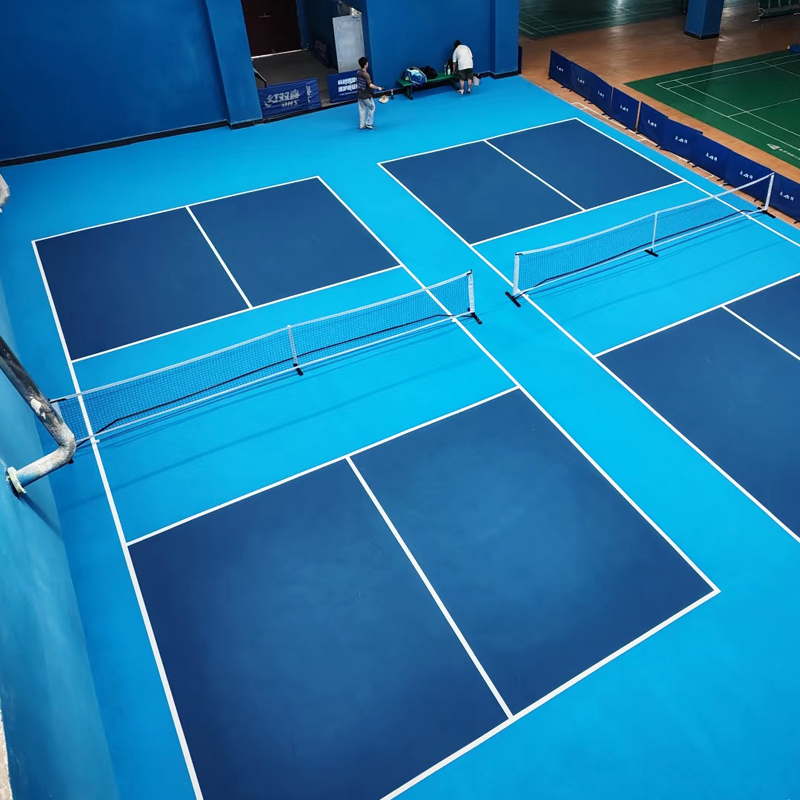
When building or upgrading a multi-sport pickleball court, selecting the right flooring is one of the most crucial decisions. The type of flooring you choose impacts not only the aesthetics of the court but also the safety, comfort, and performance of the players. With the growing popularity of pickleball, it is essential to ensure that the flooring is both durable and designed for the specific needs of pickleball play, which can differ from other sports in terms of movement patterns, surface friction, and shock absorption.
For a multi-sport court, it’s even more important to select a flooring solution that can handle various activities while still providing a high-quality playing surface for pickleball. This post will guide you through the key factors to consider and help you choose the perfect flooring for your multi-sport pickleball court.
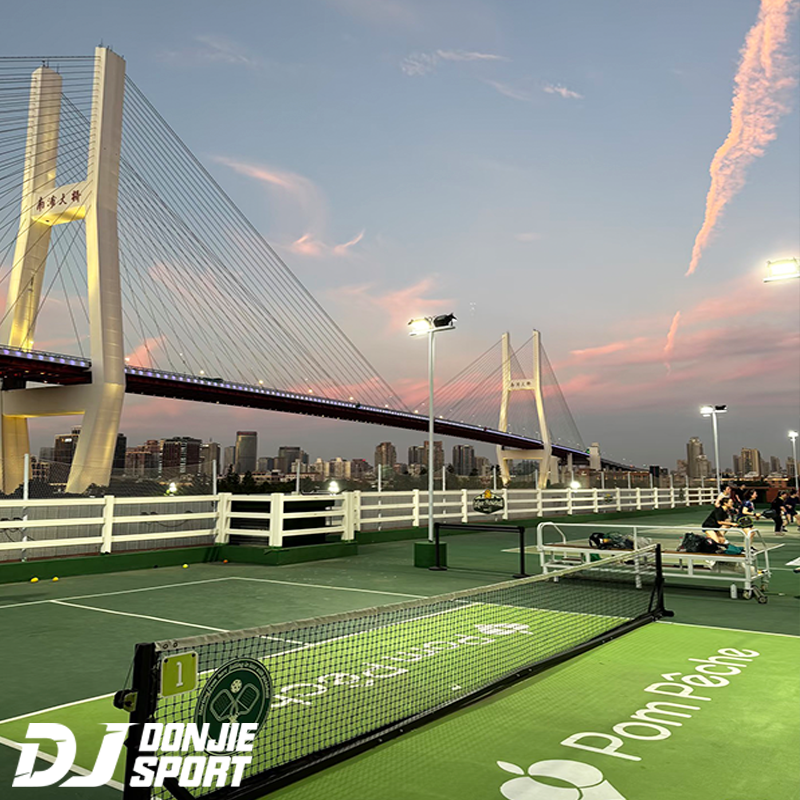
Types of Flooring for Pickleball Courts: A Comprehensive Overview
Selecting the best flooring for a multi-sport pickleball court requires a solid understanding of the different flooring options available. Each type of flooring offers unique benefits and can significantly influence the playing experience. Here’s a breakdown of the most popular flooring types for pickleball courts:
PVC Flooring: Durability and Flexibility
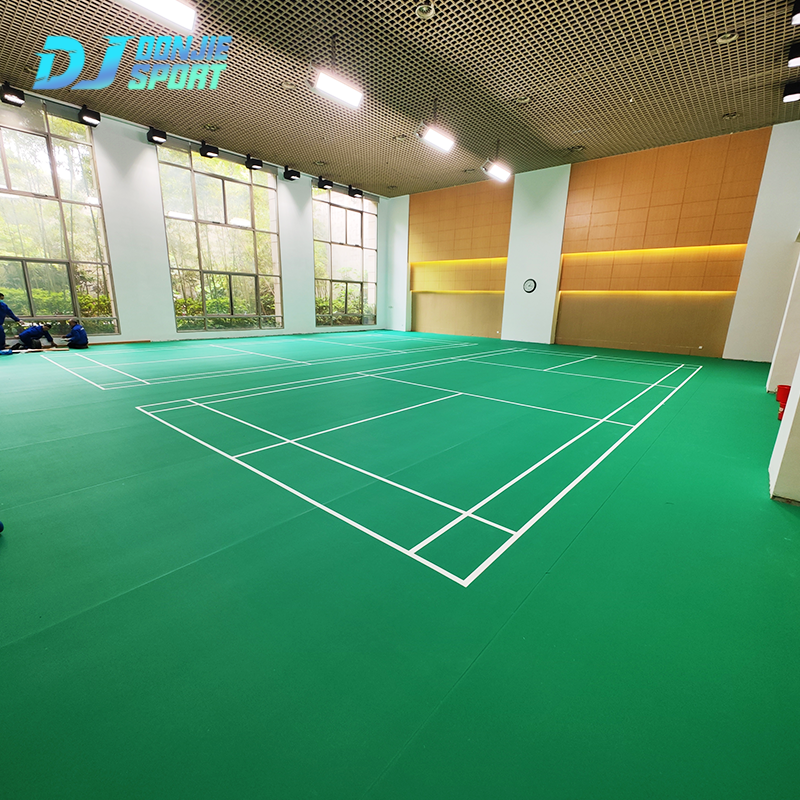
PVC flooring is one of the most versatile and widely used flooring options for both indoor and outdoor pickleball courts. It’s known for its durability, water resistance, and flexibility, making it a great choice for courts that will see high traffic. PVC flooring is available in tiles or rolls, allowing for easy installation and maintenance.
One of the key benefits of PVC flooring is its ability to absorb shocks, which helps reduce the impact on players’ joints and minimize the risk of injury. The surface is also designed to provide optimal traction, ensuring that players can move quickly without slipping.
Rubber Flooring: Cushioning and Traction
Rubber flooring is another excellent choice for multi-sport pickleball courts. It’s widely appreciated for its cushioning effect, which helps reduce fatigue and strain on players during long games. The flooring’s non-slip surface also offers excellent traction, which is crucial for pickleball, a fast-paced game that requires sudden starts and stops.
Rubber flooring is particularly suitable for indoor courts, where it can handle high foot traffic without wearing out quickly. It’s also relatively easy to install and maintain, making it a popular choice for recreational centers and sports facilities.
Vinyl Flooring: Cost-Effective and Reliable
Vinyl flooring offers a more cost-effective solution for multi-sport pickleball courts, without compromising on performance. It’s available in both roll and tile formats, making it easy to install in different court configurations. Vinyl is highly durable, resists wear and tear, and is relatively easy to clean.
While vinyl flooring may not provide as much cushioning as rubber or PVC, it still offers good shock absorption and sufficient traction for pickleball play. This makes it a great option for facilities that need to stay within a certain budget while still offering a quality court surface.
Wood and Hardwood Flooring: Traditional Appeal and Performance
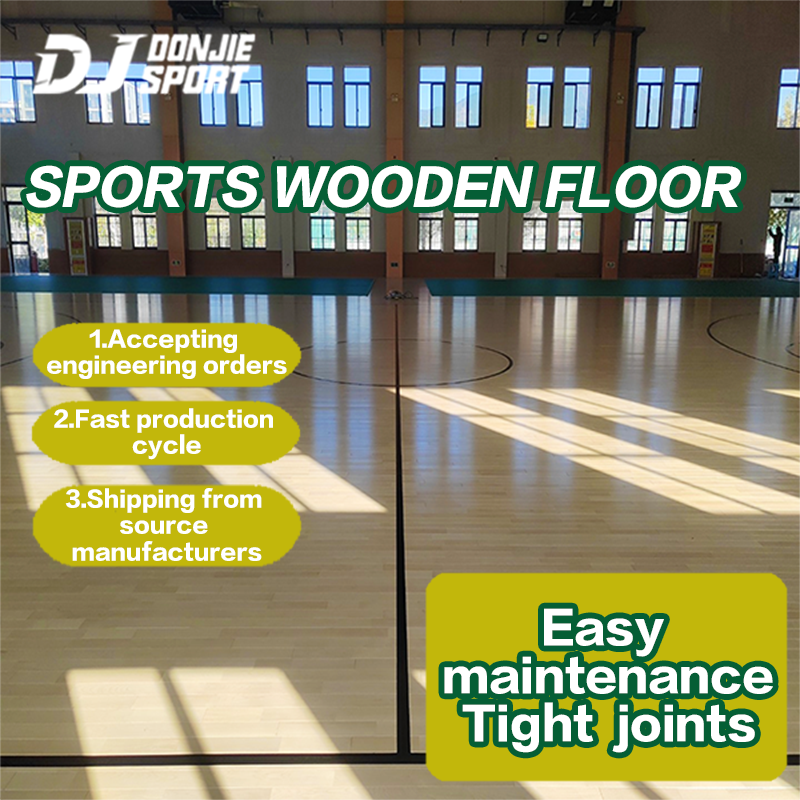
Wooden flooring is a traditional option for indoor pickleball courts. Hardwood floors, such as maple or oak, provide an excellent playing surface that offers both durability and a superior aesthetic appeal. Hardwood floors are also well-known for their excellent performance in terms of traction and shock absorption, making them a great choice for pickleball.
However, hardwood floors can be more expensive than synthetic options and require more maintenance. They are also more susceptible to damage from moisture and humidity, which is why they are usually reserved for indoor courts.
Factors to Consider When Choosing Flooring for Multi-Sport Pickleball Courts
When selecting the best flooring for your multi-sport pickleball court, there are several important factors to keep in mind. Here are the top considerations:
Court Location: Indoor vs. Outdoor
The location of your court plays a significant role in determining the right flooring material. For indoor pickleball courts, hardwood, PVC, or vinyl flooring are common choices due to their durability and smooth playing surfaces. Outdoor courts, however, are exposed to the elements and require a more weather-resistant flooring option, such as rubber or specially designed PVC flooring that can withstand UV rays and moisture.
Playing Surface: How to Balance Performance with Safety
The surface of your court needs to provide the right balance between performance and safety. Flooring that is too slippery can increase the risk of injuries, while flooring that’s too grippy can impede movement. For pickleball, the flooring should offer a medium level of traction, allowing players to make quick movements without the risk of slipping.
Foot Traffic: Durability for High-Use Courts
Multi-sport courts, especially those in busy public or recreational facilities, are likely to see a lot of foot traffic. It’s important to select flooring that can handle this wear and tear. PVC and rubber flooring are excellent for high-traffic areas, as they are resistant to scuffs and abrasions.
Weather Resistance: Special Considerations for Outdoor Courts
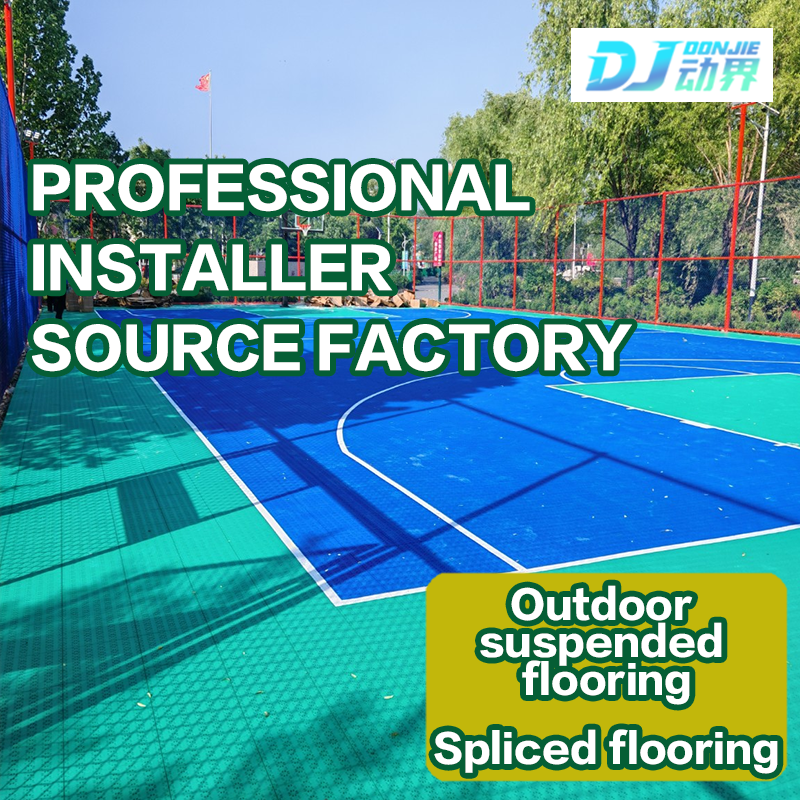
Outdoor courts face unique challenges, such as exposure to sunlight, rain, and extreme temperatures. Flooring materials like rubber and PVC are designed to handle these conditions. These materials are UV resistant, water-resistant, and won’t crack or warp when exposed to the elements.
The Role of Cushioning and Shock Absorption in Pickleball Court Flooring
One of the key factors in selecting flooring for pickleball courts is the level of cushioning and shock absorption it provides. Since pickleball involves a lot of quick lateral movements and sudden stops, it’s essential that the flooring reduces the impact on players’ joints and muscles. Flooring materials like rubber and PVC are ideal for this purpose, as they are designed to absorb shock and provide a comfortable playing surface.
Cushioned flooring not only helps prevent injuries but also reduces player fatigue during extended sessions. This is especially important for multi-sport courts that cater to various activities, as players from different sports will have different needs in terms of comfort and support.
Choosing Flooring Based on Budget and Long-Term Investment
Selecting the best flooring also depends on your budget and long-term goals. While high-end materials like hardwood provide excellent performance and aesthetics, they can be quite expensive, particularly for multi-sport courts. PVC and rubber flooring offer a more affordable alternative that still delivers exceptional durability and comfort.
In the long run, choosing a durable flooring material can save you money on repairs and replacements. PVC and rubber flooring are often considered more cost-effective in terms of maintenance, as they require less upkeep than hardwood floors.
Installation Considerations for Multi-Sport Pickleball Courts
Installation is another important factor to consider when selecting flooring for your pickleball court. Some flooring options, such as interlocking tiles, are easy to install and can be completed as a DIY project, while others, like vinyl rolls or hardwood, may require professional installation.
Consider the type of court you’re building, as some floors, such as PVC, come in customizable tiles or rolls, allowing for flexibility in design and ease of repair. You may also want to choose flooring that can be quickly installed for multi-use courts that need to be set up or taken down regularly.
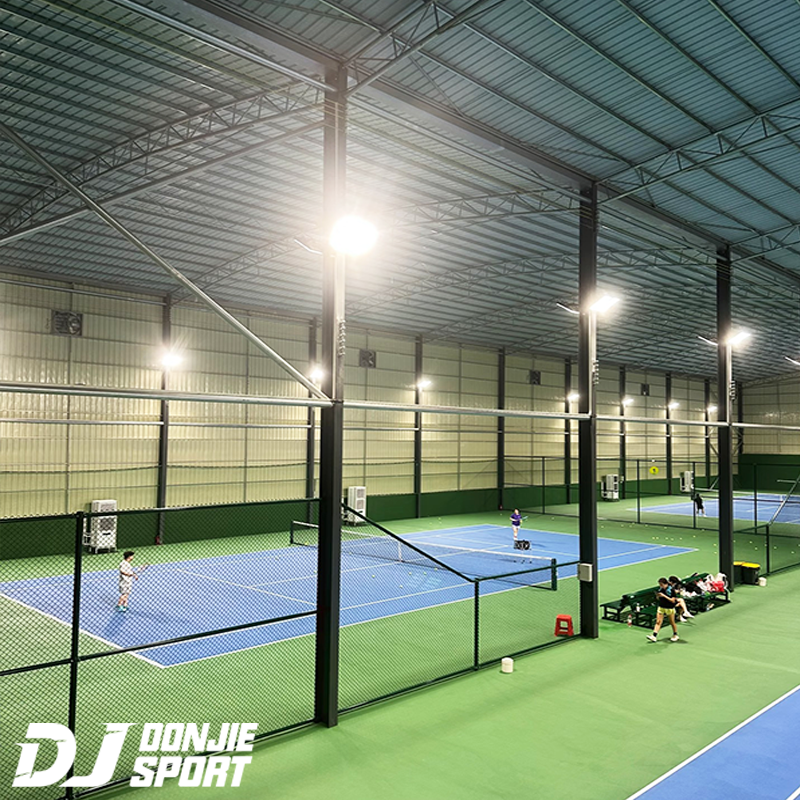
Maintaining and Caring for Your Multi-Sport Pickleball Court Flooring
Proper maintenance is essential to ensure that your multi-sport pickleball court flooring remains in top condition. Each type of flooring has its maintenance requirements, but in general, you should clean the court regularly to remove dirt, dust, and debris that can wear down the surface.
For rubber and PVC flooring, you may need to clean the surface with a mild soap and water solution. Hardwood floors, on the other hand, require periodic refinishing to maintain their shine and performance. Always follow the manufacturer’s guidelines for cleaning and maintaining your court flooring to maximize its lifespan.
Making the Best Flooring Decision for Your Pickleball Court
Choosing the right flooring for your multi-sport pickleball court is crucial for ensuring a safe, comfortable, and high-performance environment. Whether you opt for PVC, rubber, vinyl, or hardwood, it’s important to balance your budget, maintenance needs, and performance requirements.
Consider factors like foot traffic, weather exposure, and shock absorption to find the flooring that suits your specific needs. By making an informed decision, you’ll ensure that your pickleball court remains in top condition for years to come.