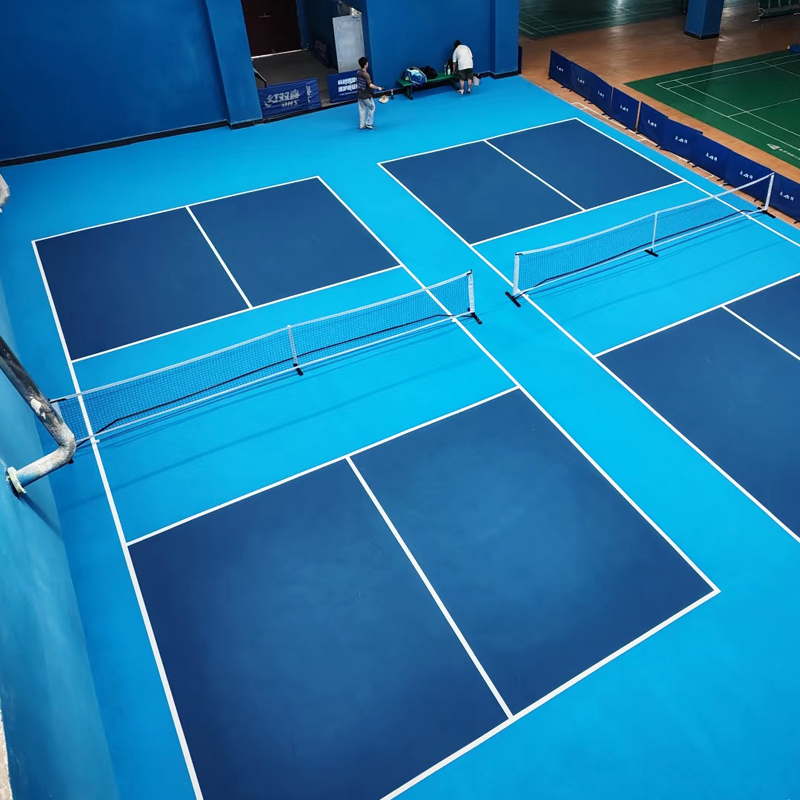
Selecting the perfect flooring for your pickleball court is crucial for both performance and safety. Whether you’re constructing a court for recreational use or competitive play, the surface of your court can significantly influence your game experience. A well-chosen flooring option can provide optimal grip, durability, and comfort for players, while a poor choice can lead to safety hazards and maintenance headaches.
In this guide, we’ll walk you through the step-by-step process of choosing the best flooring for your pickleball court. From understanding your material options to considering location and budget, we’ll cover all the key factors that contribute to a successful flooring decision.
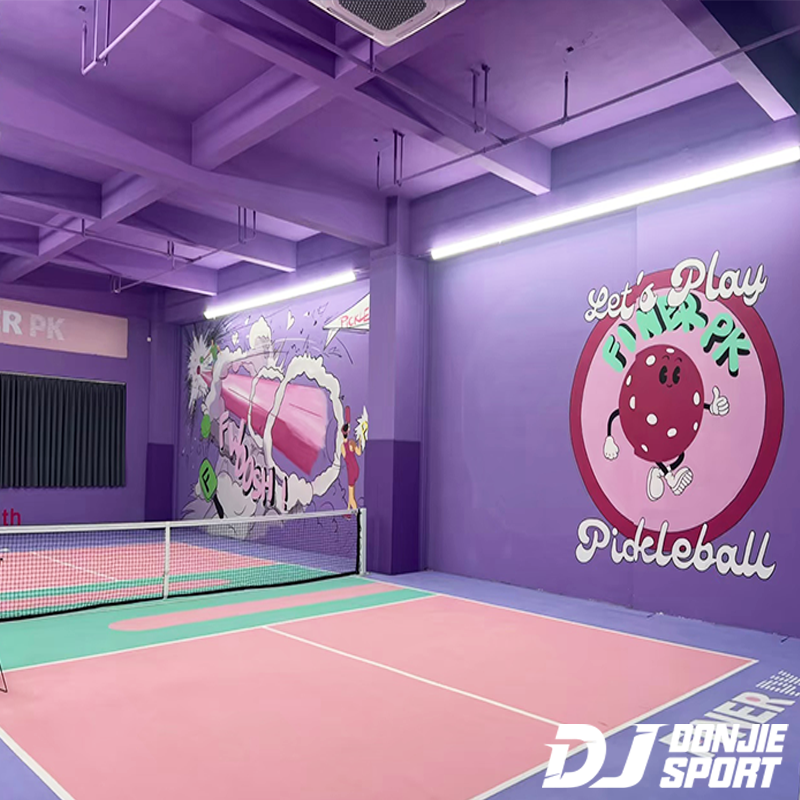
Understand the Different Types of Pickleball Court Flooring
The first step in choosing the right flooring is understanding the available options. Each type of flooring comes with its own set of advantages and disadvantages. Let’s take a look at the most popular materials for pickleball courts:
-
PVC Flooring: Known for its durability and slip resistance, PVC flooring is one of the most popular choices for both indoor and outdoor courts. It’s resistant to UV rays, making it an excellent option for outdoor courts exposed to the sun.
-
Rubber Flooring: Rubber flooring offers excellent shock absorption, making it a great choice for indoor courts. It’s also known for its noise-reducing properties, which is beneficial for environments with multiple courts.
-
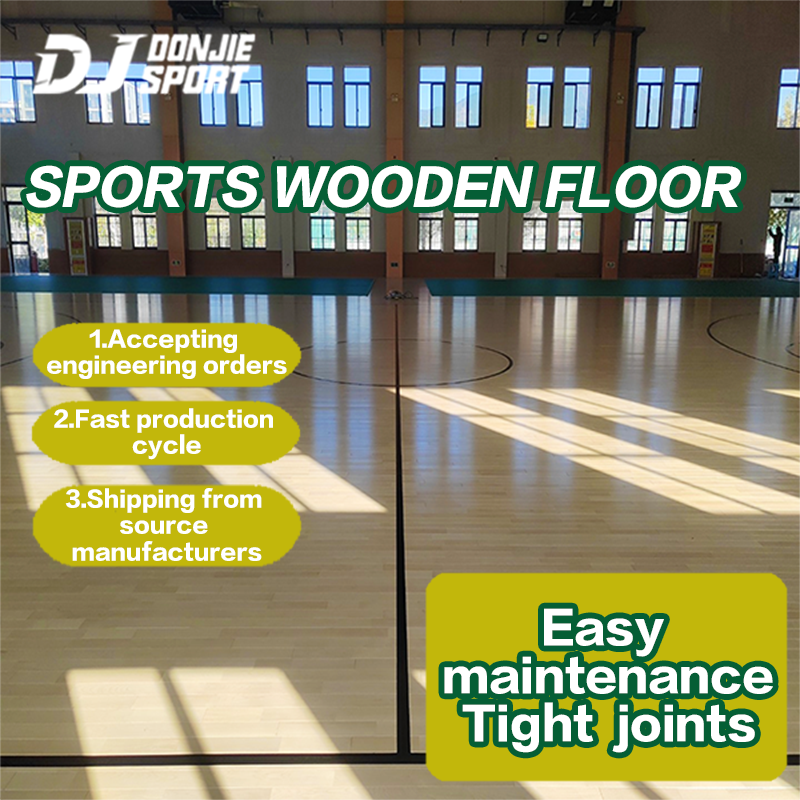
Wood Flooring: Wooden surfaces are traditional favorites for indoor courts. They provide a smooth and consistent playing experience but may require more maintenance than other options.
-
Composite Flooring: A combination of materials, composite flooring offers a balance of durability and performance. It’s typically used for multi-sport courts and can withstand heavy use.
Each material has its pros and cons depending on where your court is located and the level of play. Understanding these differences will guide your decision in the next steps.
Consider the Location of Your Pickleball Court
The location of your pickleball court plays a significant role in determining the best flooring option. Whether your court is indoor or outdoor will influence the materials you should consider. Here’s a closer look at how the location impacts your flooring choice:
-
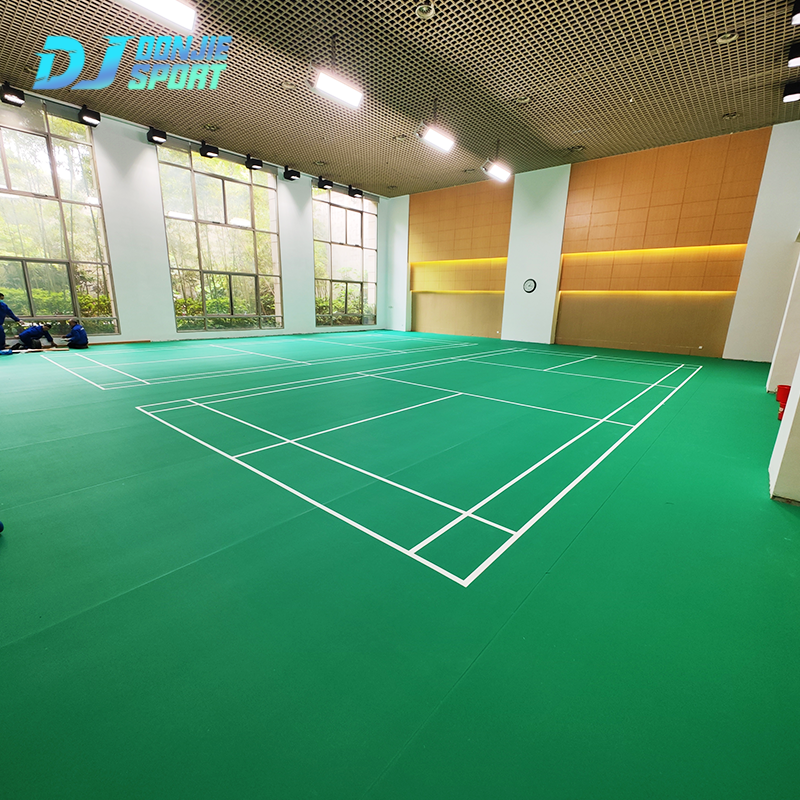
Indoor Pickleball Courts: Indoor courts are typically protected from the elements, making flooring choices like wood, rubber, or PVC a great option. Wood floors offer a traditional and smooth playing surface, while rubber floors provide extra cushioning and noise reduction. PVC flooring, with its moisture resistance and low maintenance, is also a popular choice for indoor pickleball courts.
-
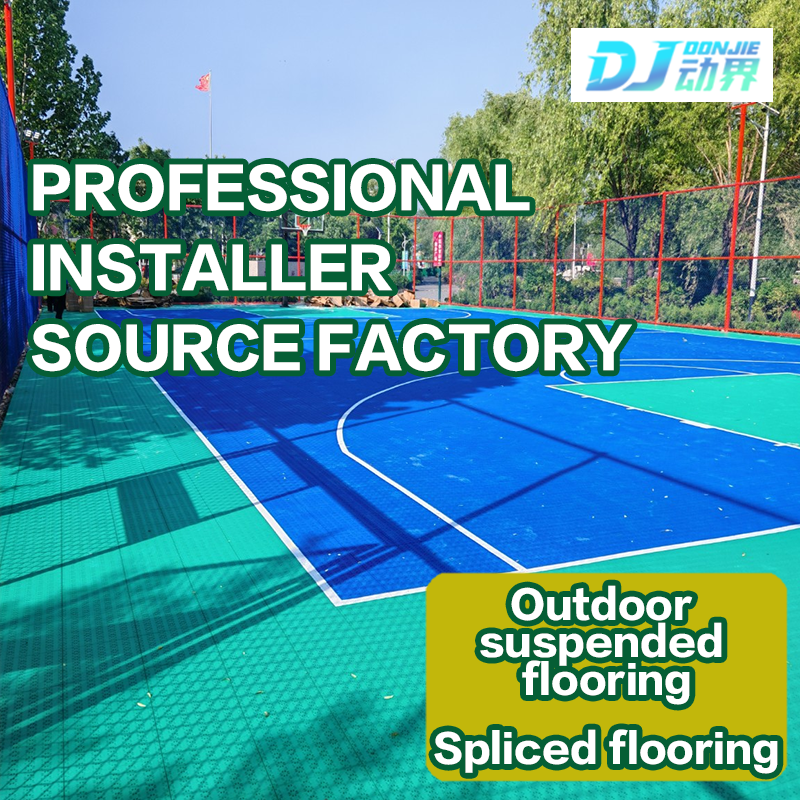
Outdoor Pickleball Courts: Outdoor courts are exposed to weather conditions, so it’s essential to choose a material that can withstand sun, rain, and temperature changes. PVC flooring is ideal for outdoor courts as it is UV-resistant and durable. Rubber flooring, while great for shock absorption, can degrade in outdoor conditions over time, especially under direct sunlight. Composite or interlocking tiles are also good options for outdoor courts as they are both weather-resistant and easy to maintain.
When considering your court location, also think about space size. A large outdoor court may require a more robust flooring solution, while a smaller indoor court might benefit from a more affordable and comfortable flooring option.
Evaluate the Durability and Maintenance of the Flooring
Durability is one of the most important factors when choosing flooring for a pickleball court. The last thing you want is to invest in a surface that won’t last long or requires frequent repairs. Here’s a breakdown of the durability and maintenance needs of different flooring materials:
-
PVC Flooring: PVC flooring is one of the most durable options for pickleball courts, with high resistance to wear and tear. It’s perfect for high-traffic areas and can last for many years with minimal upkeep. To maintain PVC flooring, occasional cleaning and checking for wear on the seams may be required, but overall, it’s low maintenance.
-
Rubber Flooring: Rubber is known for its shock absorption properties, but it does require more maintenance than PVC. Outdoor rubber surfaces can wear down more quickly, especially when exposed to the elements. For indoor courts, however, rubber flooring can last for many years if maintained properly by regularly cleaning and protecting the surface.
-
Wood Flooring: Wood floors are beautiful and smooth, but they are more susceptible to damage, especially in high-traffic areas. Regular sanding and refinishing might be necessary to keep the wood in top condition. Wooden surfaces also require special care to avoid moisture damage.
-
Composite Flooring: Composite flooring is highly durable and often comes with an interlocking tile design that makes it easy to replace damaged sections. Its maintenance requirements are low, though periodic cleaning and inspection for cracks or damage are still important to ensure long-lasting performance.
When choosing flooring, weigh the long-term durability and maintenance costs for each material to find the best fit for your court’s usage.
Factor in Safety and Comfort for Players
Safety and comfort should be top priorities when selecting flooring for your pickleball court. A surface that provides adequate traction and cushioning will enhance player performance and reduce the risk of injury. Here’s how different materials perform in terms of safety and comfort:
-
Slip Resistance and Traction: For both indoor and outdoor courts, the surface should offer a good grip to prevent players from slipping. PVC flooring typically has an anti-slip texture that provides a high level of traction. Rubber flooring also offers excellent slip resistance, making it an ideal choice for indoor courts. Wood floors, though smooth, can be treated to provide additional traction if necessary.
-
Cushioning for Joint Protection: Playing pickleball can put strain on players’ joints, especially on hard surfaces. Rubber flooring offers the best shock absorption, which can reduce the impact on joints during long games. PVC and composite flooring can also offer a level of cushioning, but it’s not as soft as rubber.
-
Impact on Performance: The flooring material can affect how the ball bounces, which in turn affects the speed and flow of the game. PVC flooring typically provides a consistent and responsive bounce, making it a great choice for competitive play. Wood flooring can also offer a good bounce but may be less consistent over time. Rubber surfaces tend to absorb more of the bounce, which can slow the game down.
Budgeting for Your Pickleball Court Flooring
Budgeting is an essential consideration in any flooring decision. The price of your flooring will depend on the material chosen, the size of the court, and the complexity of the installation. Here’s a comparison of the costs for different types of flooring:
-
PVC Flooring: This is often the most cost-effective option, especially for outdoor courts. It’s affordable, durable, and requires minimal maintenance, making it an excellent long-term investment.
-
Rubber Flooring: Rubber tends to be a bit more expensive than PVC but offers additional comfort and durability, particularly for indoor courts. While initial installation costs may be higher, rubber floors are worth the investment if you’re concerned about joint protection and noise reduction.
-
Wood Flooring: Wood floors can be pricey, especially if you’re installing high-quality hardwood. However, for indoor courts, wood offers a premium look and feel that’s hard to beat. Be sure to factor in maintenance costs, as wood requires refinishing over time.
-
Composite Flooring: Composite floors fall in the mid-range in terms of cost. They are a great option for multi-sport courts and come with an easy installation process. The durability and low maintenance needs make them a good value over time.
Consider the overall value of each material, including installation, maintenance, and longevity, to find a flooring option that aligns with your budget and your long-term goals for the court.
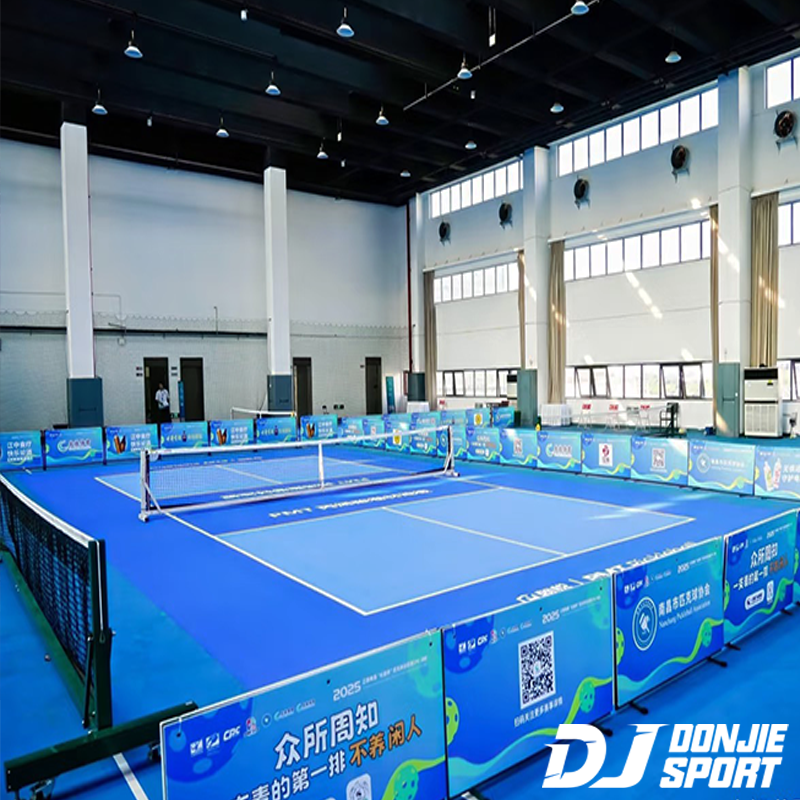
Installation and Preparation Tips for Your Pickleball Court Flooring
The installation process can vary depending on the type of flooring you choose. Here are some tips to ensure a smooth installation:
-
DIY vs. Professional Installation: Some flooring options, such as PVC and composite tiles, can be easily installed by yourself, saving you installation costs. However, more complex materials like wood or rubber flooring may require professional help to ensure a flawless installation.
-
Preparation: Regardless of the material you choose, your court surface needs to be prepared properly before installation. This includes ensuring the ground is level, cleaning the area, and removing any debris that may interfere with the flooring. Make sure to follow the manufacturer’s instructions to avoid mistakes during installation.
-
Potential Challenges: Some flooring materials, like wood, can be tricky to install in areas with high humidity or temperature fluctuations. Make sure to account for these factors in your installation plan to avoid warping or damage.
Check for Certification and Quality Standards
Before making a final decision on your flooring, be sure to check for any relevant certifications and quality standards. Quality assurance ensures that the materials are safe, durable, and perform as promised. Look for certifications such as:
-
ASTM standards for slip resistance and safety.
-
ISO certifications for durability and environmental impact.
High-quality flooring that meets recognized standards will give you peace of mind knowing that your court will perform well and provide a safe environment for players.
Making the Best Flooring Choice for Your Pickleball Court
Choosing the right flooring for your pickleball court is a decision that affects the safety, comfort, and enjoyment of the game. By considering the material, location, durability, budget, and installation requirements, you can make an informed decision that meets both your immediate needs and long-term goals. Whether you go for the durability of PVC flooring, the comfort of rubber, or the traditional elegance of wood, selecting the best flooring will help ensure an enjoyable and safe playing experience for all players.