Selecting the right flooring for your indoor pickleball court is crucial for the game’s performance, safety, and longevity. The right flooring not only enhances the player experience but also protects players from injuries and helps ensure the durability of the court. In this guide, we’ll explore how to select the best indoor pickleball court flooring based on various factors like material, durability, and maintenance.
Understanding the Basics of Indoor Pickleball Court Flooring
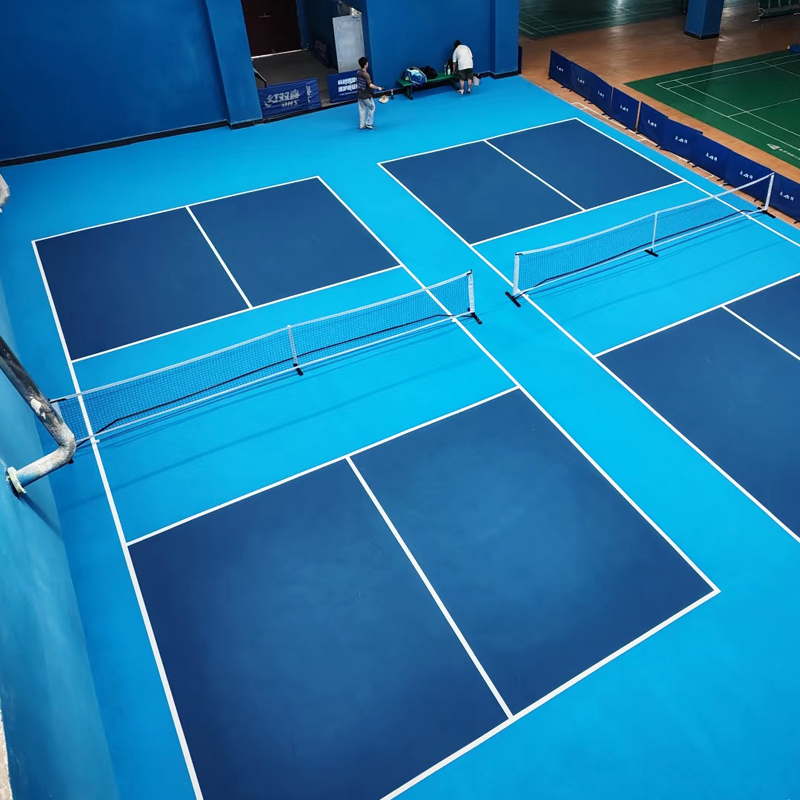
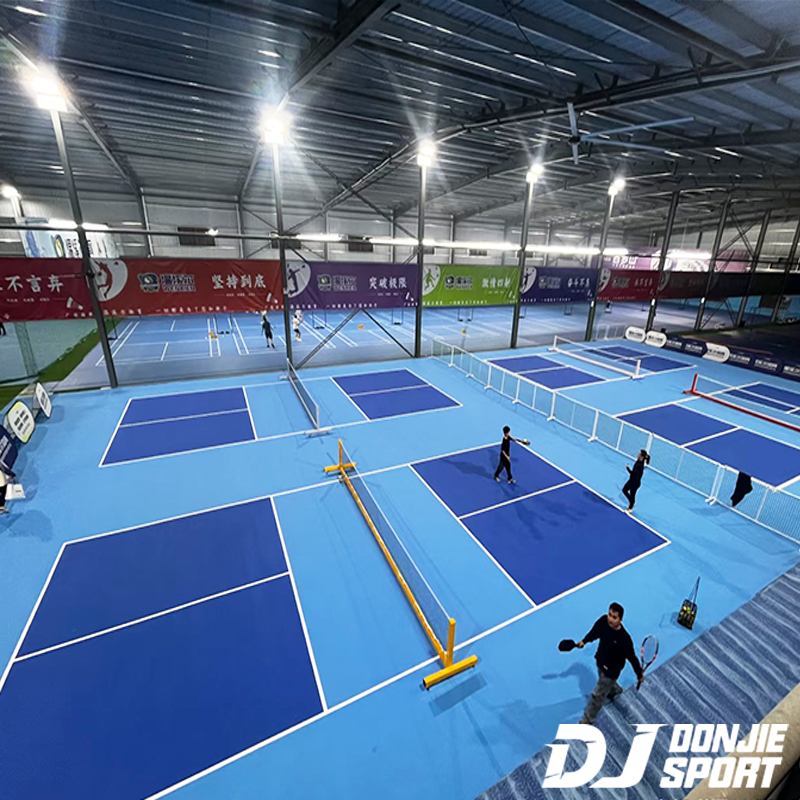
When it comes to indoor pickleball courts, flooring is more than just a surface to play on. It directly affects the way the ball bounces, the level of grip players have, and their overall comfort. Unlike outdoor courts, indoor surfaces need to provide consistency and cushion, ensuring that players are not only safe but also able to perform at their best.
Indoor pickleball court flooring needs to offer a balance between resilience and comfort. High-quality flooring supports players’ movements while reducing the risk of injuries such as sprained ankles or knee strain. Additionally, it should be durable enough to withstand constant play while maintaining its performance over time.
Key Features to Look for in Indoor Pickleball Court Flooring
When selecting flooring, certain features are crucial to achieving the best performance for indoor pickleball courts:
-
Durability: Flooring that endures heavy traffic is essential for a high-performance court. Durability ensures that the surface doesn’t break down or degrade quickly, even with regular use.
-
Slip Resistance: Safety is paramount in any sport, and indoor pickleball is no exception. A slip-resistant surface reduces the risk of players slipping, especially in high-stakes moments. The right texture and grip are essential for minimizing accidents during play.
-
Cushioning: A surface with adequate cushioning helps absorb shock, protecting players from impact injuries. Proper cushioning can also enhance comfort, allowing players to play for longer periods without fatigue.
-
Consistency: Evenness across the court is important for both gameplay and player safety. A consistent surface ensures that the ball bounces predictably, which is essential for competitive play.
Types of Flooring Materials for Indoor Pickleball Courts
Several types of flooring materials are suitable for indoor pickleball courts. Each type has its unique advantages and considerations, so it’s important to evaluate your priorities before making a decision:
-
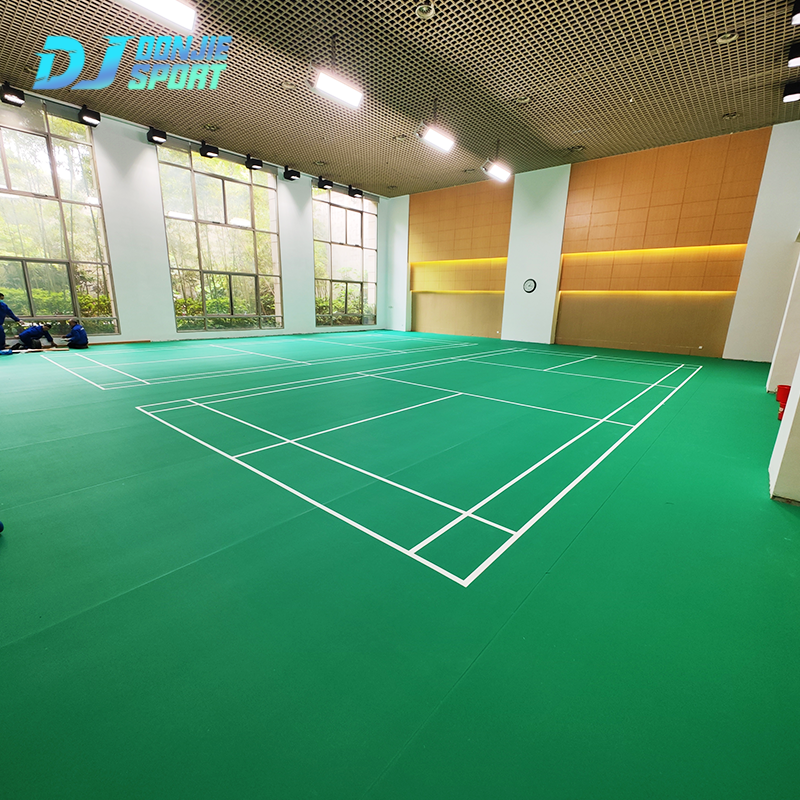
PVC Flooring: This material is durable, easy to maintain, and often cost-effective. PVC floors are slip-resistant and offer a good balance of performance and comfort, making them a popular choice for indoor pickleball courts.
-
Rubber Flooring: Known for its shock absorption and noise reduction properties, rubber flooring is ideal for protecting players from impact injuries. It’s also non-slip and durable, though it can be more expensive than other options.
-
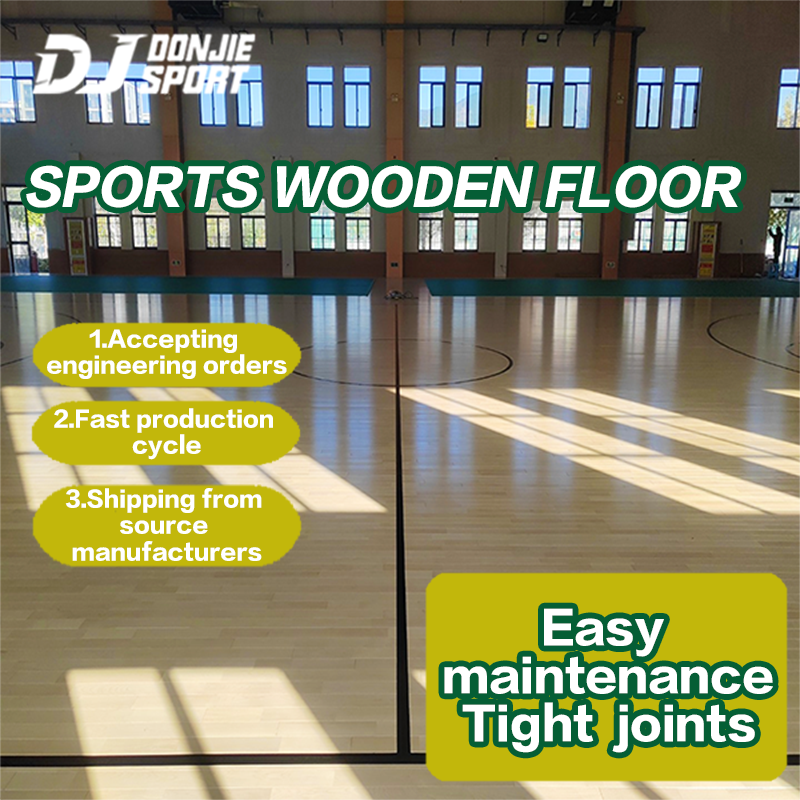
Wood Flooring: Wood is a traditional choice that offers an elegant appearance and a high-end feel. It’s commonly found in gyms and sports complexes. Wood surfaces provide consistent bounce and excellent traction but require more maintenance to preserve their quality.
-
Vinyl Flooring: Vinyl floors are versatile, affordable, and easy to maintain. They offer a high level of durability and are available in a range of styles, making them ideal for those who want a combination of aesthetics and functionality.
-
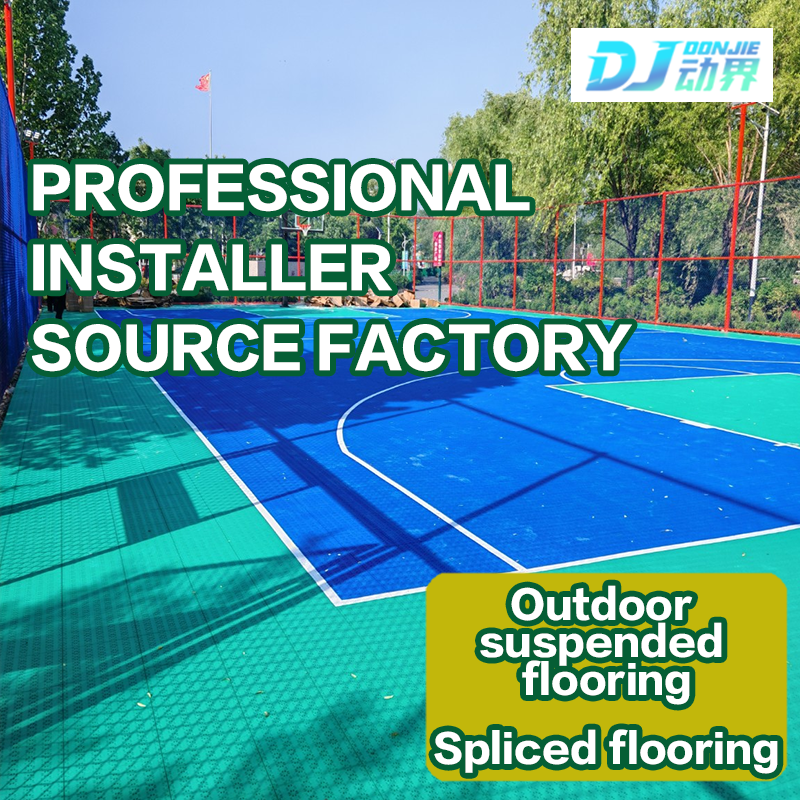
Composite Materials: For those looking for a blend of features, composite materials combine different surfaces to maximize performance and durability. These flooring options are ideal for multi-sport courts or those who want custom solutions.
Factors to Consider When Choosing Indoor Pickleball Court Flooring
When making your decision, there are several factors to consider:
-
Cost vs. Long-term Investment: While some flooring options may be more affordable upfront, others might provide better value over the long term due to their durability and lower maintenance needs.
-
Maintenance Requirements: Some materials, like wood, may require periodic refinishing, while others, like PVC or vinyl, are easier to maintain. Make sure to consider the long-term care of your court.
-
Installation Process: Some types of flooring are easy to install, while others require professional installation. DIY options can save on costs, but professional installation can ensure a seamless and safe result.
-
Environmental Impact: If sustainability is important to you, look for eco-friendly flooring options made from recycled materials or those that can be easily recycled at the end of their lifespan.
How to Maintain Indoor Pickleball Court Flooring
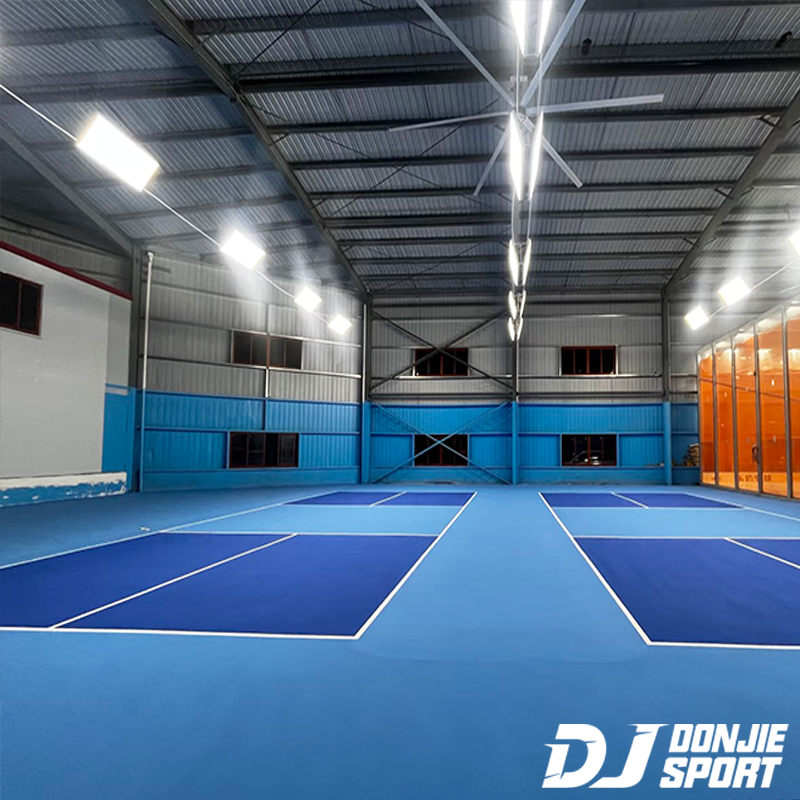
Proper maintenance is essential to keeping your indoor pickleball court flooring in top condition. Different materials require different care:
-
Cleaning Routines: Regularly sweeping and mopping the court will keep the surface clean and free of debris. Some materials may need specific cleaning agents to avoid damaging the surface.
-
Repair Tips: Minor cracks or dents in the flooring can often be fixed with specialized repair kits. For larger damage, it’s important to consult with a professional to avoid further issues.
-
Surface Integrity: Ensuring the floor remains level and consistent is key. Uneven floors can disrupt gameplay and increase the risk of player injury.
Conclusion
Choosing the best indoor pickleball court flooring requires careful consideration of various factors, including durability, safety, and maintenance. By understanding the different materials available and the features that matter most, you can make an informed decision that enhances both player performance and safety. Whether you opt for PVC, rubber, wood, or another material, ensure that the flooring you choose meets the unique needs of indoor pickleball play.