When it comes to setting up a table tennis academy, the flooring choice is one of the most critical decisions you’ll make. It’s not just about aesthetics or comfort—high-quality flooring directly impacts player performance, safety, and the longevity of your courts. Whether you are starting from scratch or upgrading your existing facilities, choosing the best table tennis flooring ensures that your academy provides the best environment for training and competitive play.
The right flooring enhances the bounce of the ball, reduces the risk of injuries, and helps maintain a professional atmosphere in your academy. In this guide, we’ll explore what factors you should consider when choosing flooring and how you can select the best table tennis flooring that suits your needs.
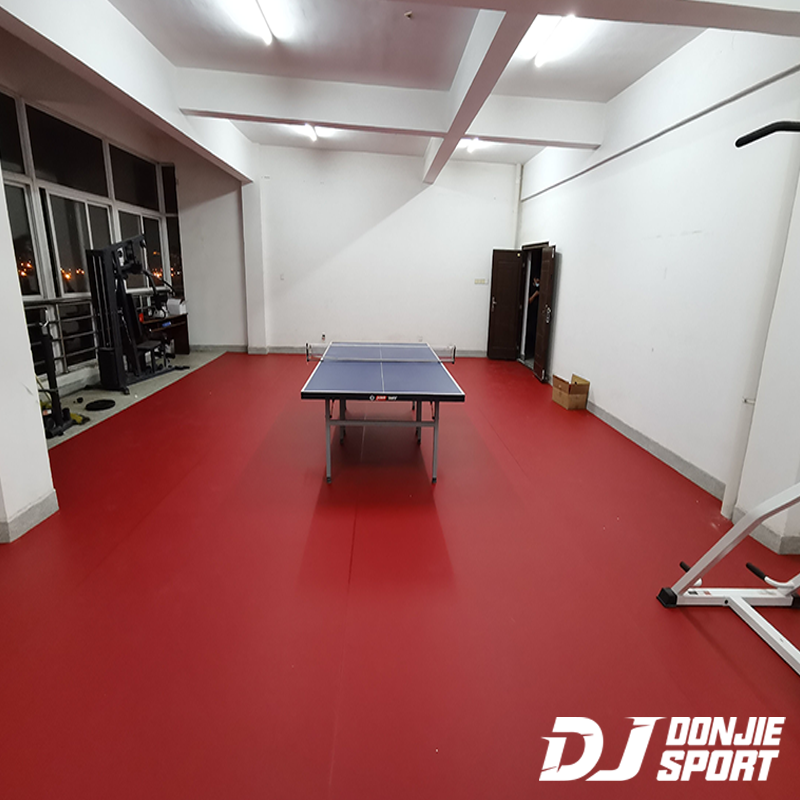
Understanding the Importance of Quality Flooring in Table Tennis
Selecting the best table tennis flooring goes far beyond just covering the ground. The type of flooring you choose plays a crucial role in the dynamics of the game, influencing both performance and player safety.
-
Ball Bounce:
One of the most important factors is the effect the flooring has on the bounce of the ball. The correct floor will allow for consistent and predictable ball bounce, which is essential for training and competitive play. For table tennis, the floor should offer a slight “spring” effect to help maintain the integrity of each shot and return. -
Player Comfort and Injury Prevention:
Flooring that provides proper shock absorption helps reduce the strain on players’ joints, making it essential for long hours of training or tournaments. A well-cushioned floor can prevent injuries, especially to the knees, ankles, and back, which are vulnerable areas for players who make frequent lateral movements or sudden stops. -
Enhanced Game Performance:
Flooring affects more than just comfort—it directly impacts how players perform. The right flooring ensures that players can move quickly and confidently, providing excellent traction without excessive friction. This enables them to execute fast and precise movements, whether they are performing spin shots or recovering after a serve.
Key Factors to Consider When Choosing Table Tennis Flooring
When selecting the best table tennis flooring, several factors must be considered to ensure it meets the demands of your academy. Below are the key elements you need to evaluate:
-
Durability:
Table tennis academies need flooring that can withstand heavy use. It’s essential to choose a material that is durable enough to maintain its quality over time, especially in a high-traffic environment where players train every day. Durability is also essential to avoid costly repairs or replacements in the future. -
Shock Absorption:
Flooring with adequate shock absorption reduces the impact on players’ bodies, enhancing comfort and preventing injuries. The cushioning provided by the flooring should be enough to absorb the force of players’ movements, such as quick stops, jumps, and directional changes. This is particularly important for professional or competitive academies where performance is key. -
Surface Type:
The choice between PVC, wood, or rubber flooring can affect various aspects of play. PVC flooring is often preferred due to its low maintenance, durability, and excellent ball bounce properties. Wooden flooring provides a traditional feel and offers excellent shock absorption but may require more upkeep. Rubber flooring, while not as common for professional play, can offer unique benefits in terms of flexibility and noise reduction. -
Grip and Traction:
A flooring material that offers the right balance of grip and traction is critical for player safety. The flooring should allow players to move freely while preventing accidental slips. Poor traction can cause players to fall or lose control during high-speed plays, which can lead to injuries. The flooring should strike a balance between providing traction and allowing smooth movement. -
Maintenance:
Consider how much time and effort you’re willing to invest in maintaining the flooring. Materials like PVC tend to be low-maintenance and easy to clean, making them ideal for busy academies. On the other hand, wood floors require regular polishing and sealing to maintain their appearance and functionality. The choice of flooring should align with the amount of care your academy is prepared to invest in keeping the floors in top condition.
Best Table Tennis Flooring Materials for Academies
The materials used for table tennis flooring each come with their own set of benefits and challenges. Let’s take a look at the top flooring options that are highly regarded in table tennis academies:
-
PVC Flooring:
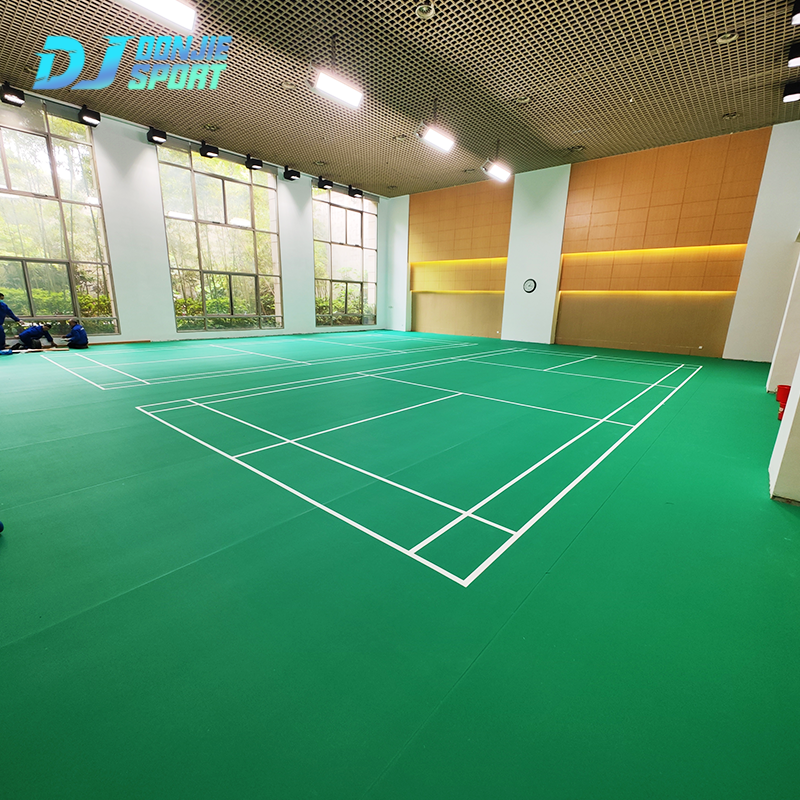
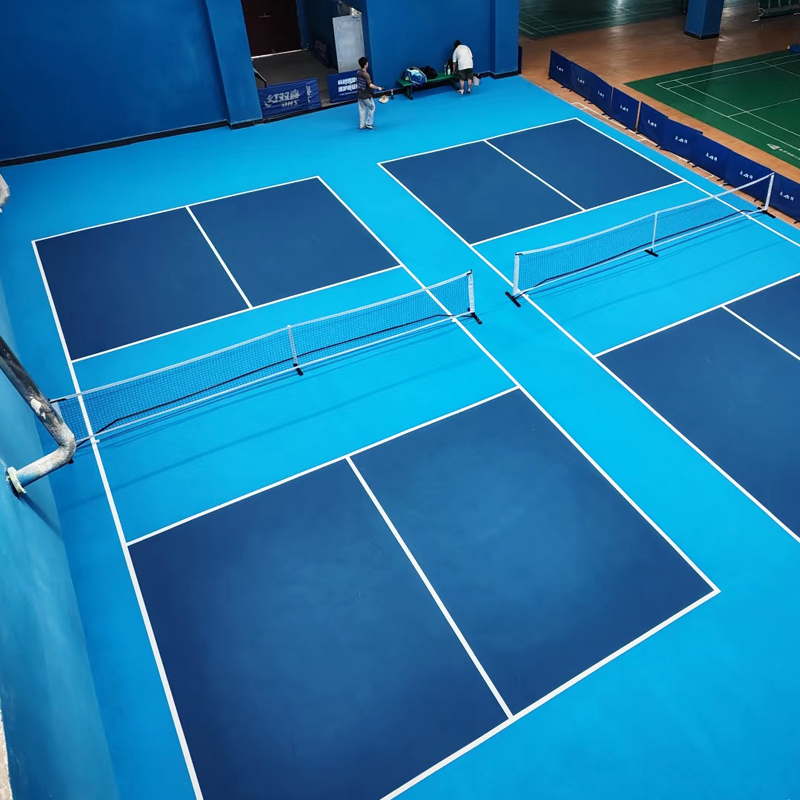
PVC flooring is one of the best choices for table tennis courts due to its combination of durability, shock absorption, and ease of maintenance. It provides a consistent bounce and excellent grip, ensuring players can perform at their best. PVC floors are also highly resistant to wear and tear, making them a cost-effective option in the long run. They are also versatile and available in a wide variety of designs, allowing academies to customize their courts to fit the aesthetic of their facility. -
Wooden Flooring:
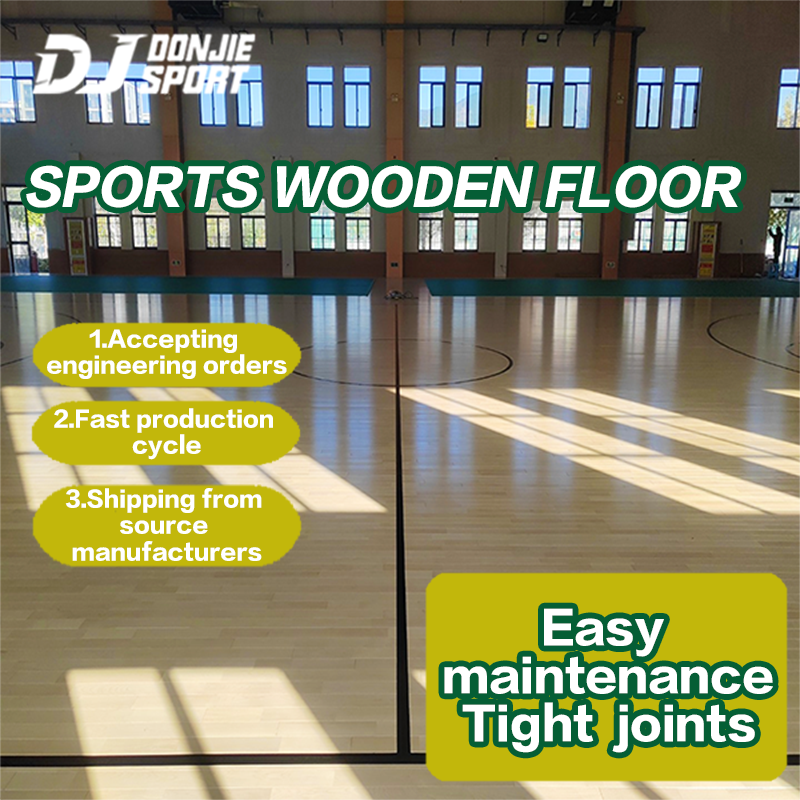
Wooden floors have long been the standard for indoor sports, including table tennis. They are known for their superior shock absorption and aesthetic appeal, offering a professional and traditional feel. However, wooden floors are high-maintenance and can be susceptible to damage from moisture or heavy impacts. If you choose wooden flooring, ensure it is properly sealed and maintained to extend its lifespan. -
Rubber Flooring:
While less common for table tennis, rubber flooring offers excellent shock absorption and is highly durable. Rubber floors are also noise-reducing, which can be a benefit in environments where sound control is important. However, rubber flooring may not provide the same consistent ball bounce as PVC or wood, which is a consideration for competitive play. -
Interlocking Tiles:
Interlocking tiles are another great option for table tennis academies. These tiles are easy to install and replace, making them a flexible solution. They are also available in various materials, including PVC and rubber. Interlocking tiles provide excellent cushioning and support, though they may require more maintenance than solid-sheet flooring.
Cost Considerations for Table Tennis Flooring
While quality flooring is an investment in the long-term success of your academy, cost is an important factor. Prices can vary significantly depending on the material you choose.
-
Material Costs:
PVC flooring tends to be more affordable upfront compared to wooden flooring, though the cost of installation can vary. Wood, especially high-quality hardwood, is typically more expensive but may provide a longer lifespan when maintained properly. Rubber flooring and interlocking tiles also offer affordable alternatives but come with their own pros and cons. -
Long-Term Value:
The key to getting the best value for your money is considering the long-term benefits. While cheaper flooring materials may have a lower upfront cost, they may wear out quicker and require more maintenance. High-quality PVC flooring, while more expensive initially, can last longer and reduce ongoing maintenance costs. -
Finding the Best Deal:
Look for deals from reputable suppliers who offer long warranties on their products. Don’t forget to factor in installation costs as well. Sometimes, you can find discounts for bulk purchases or bundle deals for flooring materials and installation services.
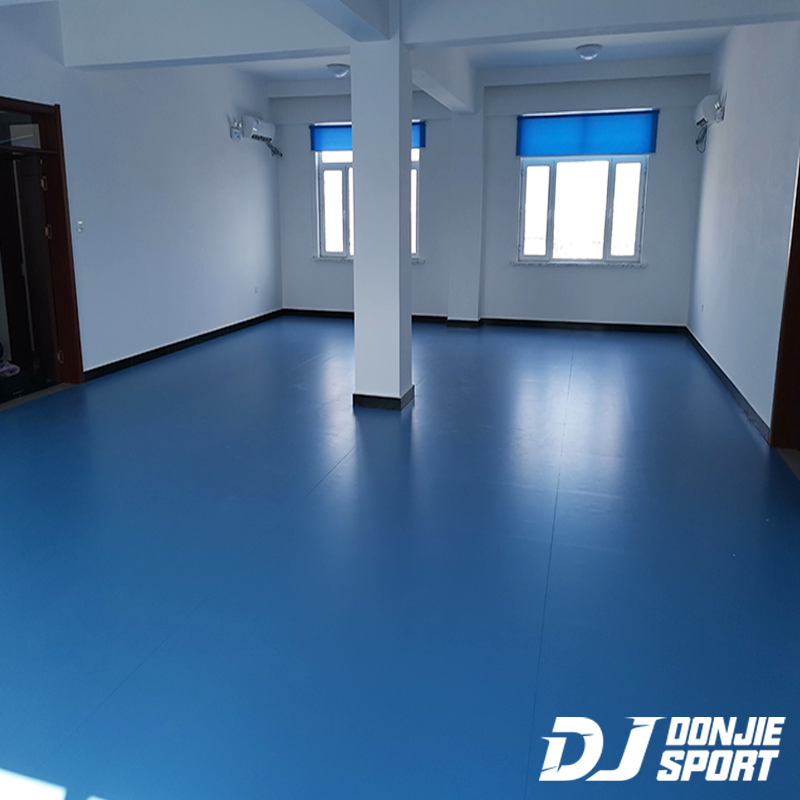
Installation and Maintenance Tips for Long-lasting Flooring
Installing high-quality table tennis flooring is one thing, but ensuring it stays in good condition requires regular maintenance. Follow these steps to ensure your flooring lasts for years:
-
Proper Installation:
Ensure that your flooring is installed by professionals who understand the specific needs of table tennis courts. Proper installation is crucial to avoid issues like uneven surfaces or warping, which can affect gameplay. -
Regular Cleaning:
Keep your flooring clean by regularly sweeping and mopping it. This will prevent dirt and dust from building up and affecting the ball bounce. For PVC and rubber floors, avoid using harsh chemicals that could damage the surface. -
Periodic Maintenance:
Wooden floors need to be polished and resealed every few years to maintain their shine and protect them from moisture. PVC and rubber floors should be inspected for wear and tear, and any damaged tiles or sections should be replaced promptly to maintain safety and performance. -
Monitor Wear:
Over time, even the best flooring will begin to show signs of wear. Regularly inspect your flooring for signs of damage, like cracks or discoloration, and replace any sections that need attention.
Conclusion
Choosing the best table tennis flooring for your academy is an investment that can significantly enhance the player experience and the longevity of your courts. Whether you opt for durable PVC flooring, classic wood, or another material, it’s important to consider durability, shock absorption, surface type, grip, and maintenance needs. By selecting the right flooring, you’ll create an environment that not only improves player performance but also reduces the risk of injury and adds to the overall aesthetic appeal of your academy.