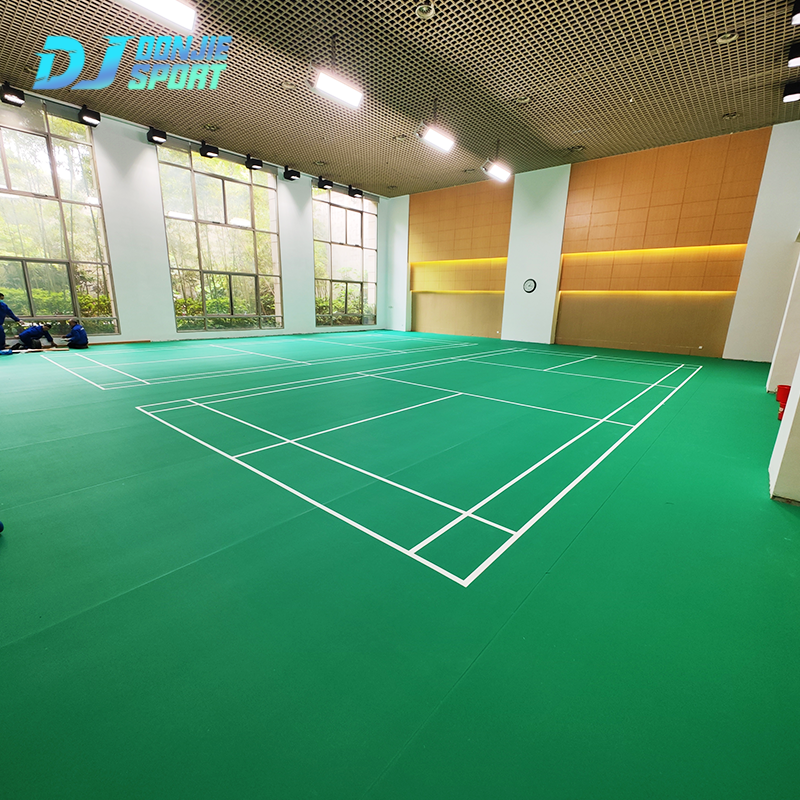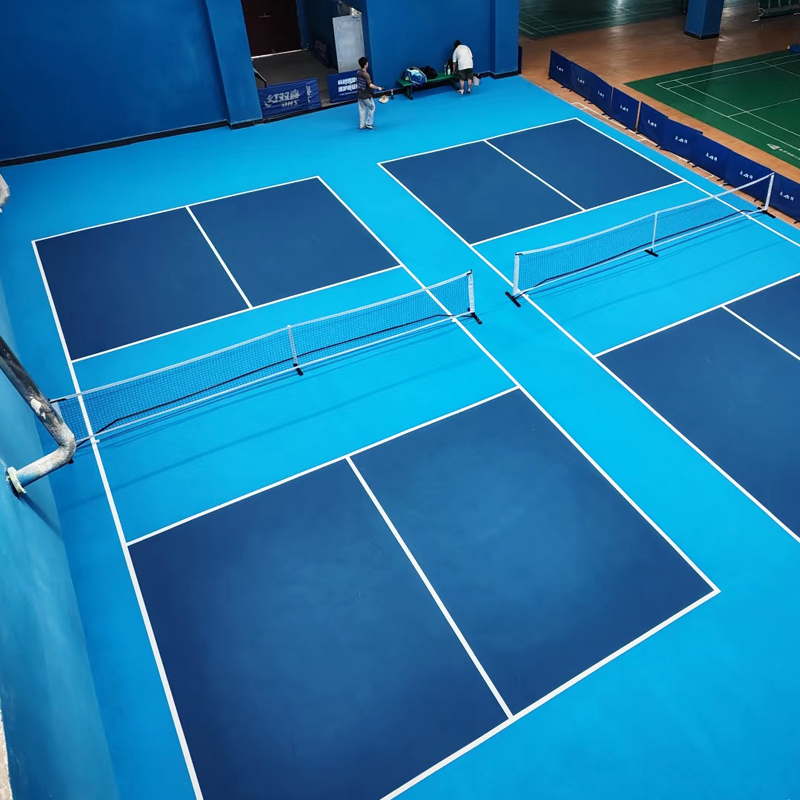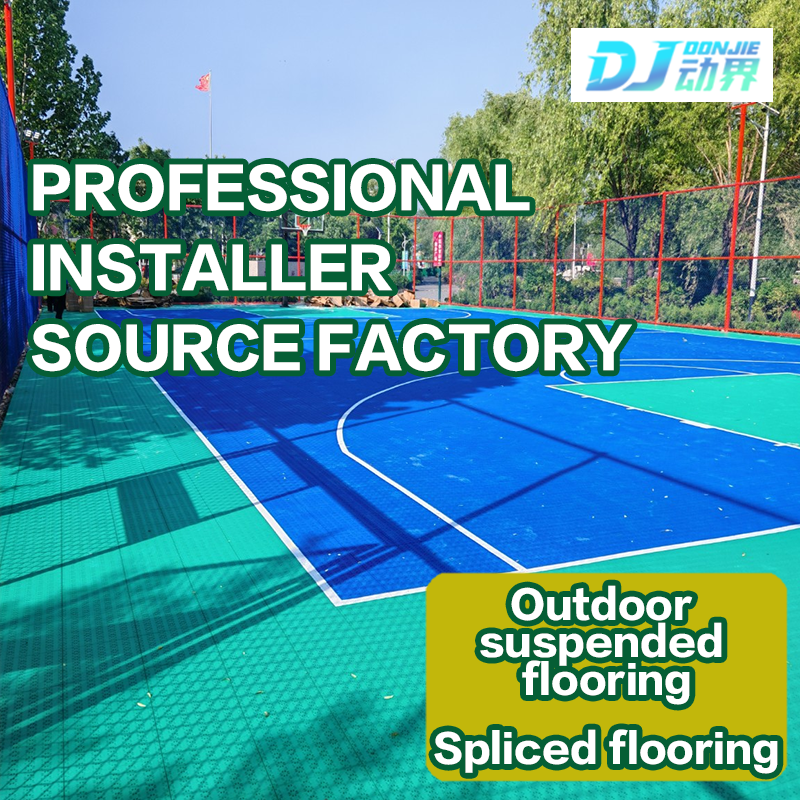
When constructing or upgrading an outdoor pickleball court, one of the most important decisions you’ll make is choosing the right flooring. The type of flooring you select can affect the game’s playability, safety, and durability. This decision is vital for ensuring that players have a high-quality playing experience, no matter the weather conditions or frequency of use. In this guide, we will explore the different types of flooring for outdoor pickleball courts, factors to consider, maintenance requirements, and much more to help you make the best choice.
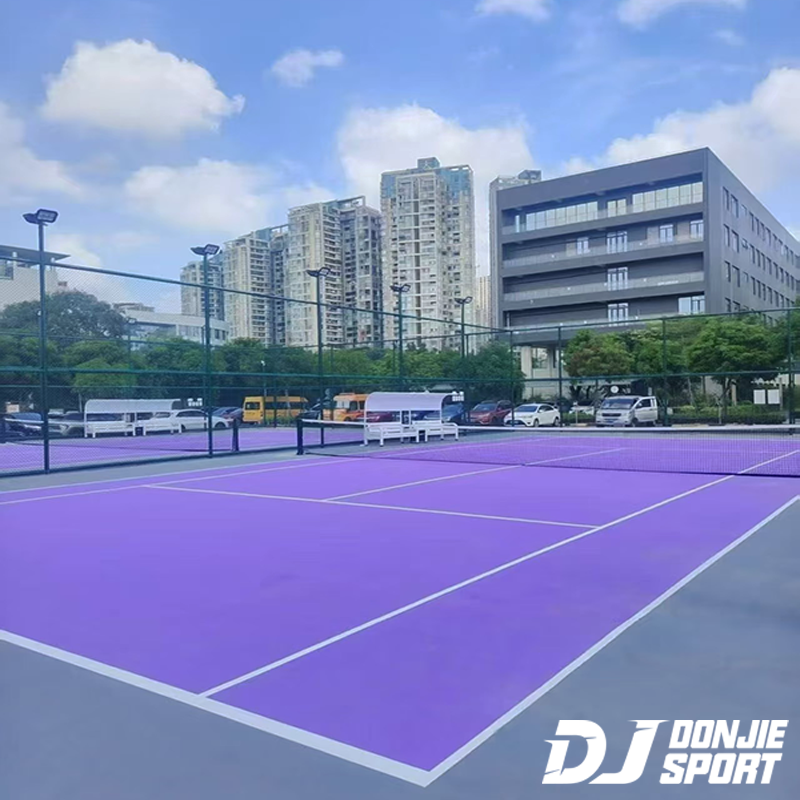
Types of Flooring for Outdoor Pickleball Courts
Choosing the right flooring for outdoor pickleball courts means understanding the available options and how they perform under different conditions. Here’s a breakdown of the most popular choices:
Concrete vs. Asphalt
Both concrete and asphalt are widely used for outdoor pickleball courts. Concrete provides a long-lasting, stable surface with excellent durability, but it can become slippery when wet. Asphalt, on the other hand, offers a smoother finish and tends to provide better traction during rainy conditions, but it may require more frequent maintenance.
Synthetic Options: Rubber, PVC, and Acrylic
For outdoor courts, synthetic flooring options like rubber, PVC, and acrylic are often preferred. Rubber provides exceptional shock absorption and is more forgiving on the joints, making it a good option for players who are concerned about impact. PVC sports flooring is durable, low-maintenance, and resistant to UV damage, making it a great choice for year-round outdoor use. Acrylic coatings offer a smooth, high-performance surface that provides excellent traction and weather resistance.
Natural Grass and Other Uncommon Options
While less common, some outdoor pickleball courts are constructed using natural grass or turf. While aesthetically pleasing, natural surfaces may not offer the same level of performance or durability as synthetic flooring options. These surfaces also require regular maintenance, such as mowing and reseeding, making them less practical in the long term.
Key Factors in Choosing Flooring for Outdoor Pickleball Courts
Selecting the right flooring for outdoor pickleball courts depends on several factors:
Durability and Weather Resistance
Outdoor courts are exposed to the elements, so durability is key. You need a surface that can withstand extreme temperatures, UV rays, and harsh weather conditions, from intense heat to rain and snow. Look for materials that are UV-resistant and can handle wear and tear from regular play.
Traction and Safety
Traction is critical to ensure player safety. A court that is too slippery increases the risk of falls and injuries, while flooring with good traction helps players make quick, sharp movements. Materials such as acrylic and rubber are great for providing the grip necessary for a safe playing environment.
Shock Absorption and Comfort
Pickleball is a sport that involves a lot of lateral movement and impact on the body. Floors with good shock absorption help to reduce the stress on players’ joints, especially during long games. Flooring options like rubber or PVC offer the comfort players need to perform at their best without risking injury.
Aesthetic Appeal
While performance and safety are paramount, aesthetic appeal should not be overlooked. Outdoor pickleball courts are often a prominent part of a community’s recreational area, and having a visually appealing court can attract more players. The surface color and design options can enhance the overall look and feel of the space.
Maintenance Considerations
Cleaning and Upkeep
Regular maintenance is essential to keep outdoor pickleball courts in top condition. Depending on the material, the cleaning process may differ. Acrylic and synthetic surfaces often require minimal cleaning, while natural materials like grass may require more upkeep, including watering, mowing, and reseeding. Consider the amount of time and effort you’re willing to invest in maintaining your court before choosing a material.
Longevity and Repairs
The longevity of your flooring depends on the material you choose. Concrete and asphalt can last for years but may require resealing or resurfacing over time. Synthetic surfaces tend to have a longer lifespan and are often more resistant to the elements. Consider the long-term cost of repairs and replacements when making your decision.
Cost Considerations
Budgeting for Flooring Materials
The cost of outdoor pickleball court flooring can vary significantly depending on the material you choose. Concrete and asphalt are usually more affordable upfront, but may require higher maintenance costs over time. Synthetic flooring, while more expensive initially, may offer long-term savings due to its low maintenance and durability.
Comparing Installation Costs
Installation costs for outdoor pickleball courts vary based on the material and the complexity of the project. While DIY installation is possible for some surfaces, such as interlocking tiles, others may require professional installation. Be sure to factor in the cost of labor, equipment, and materials when budgeting for your project.
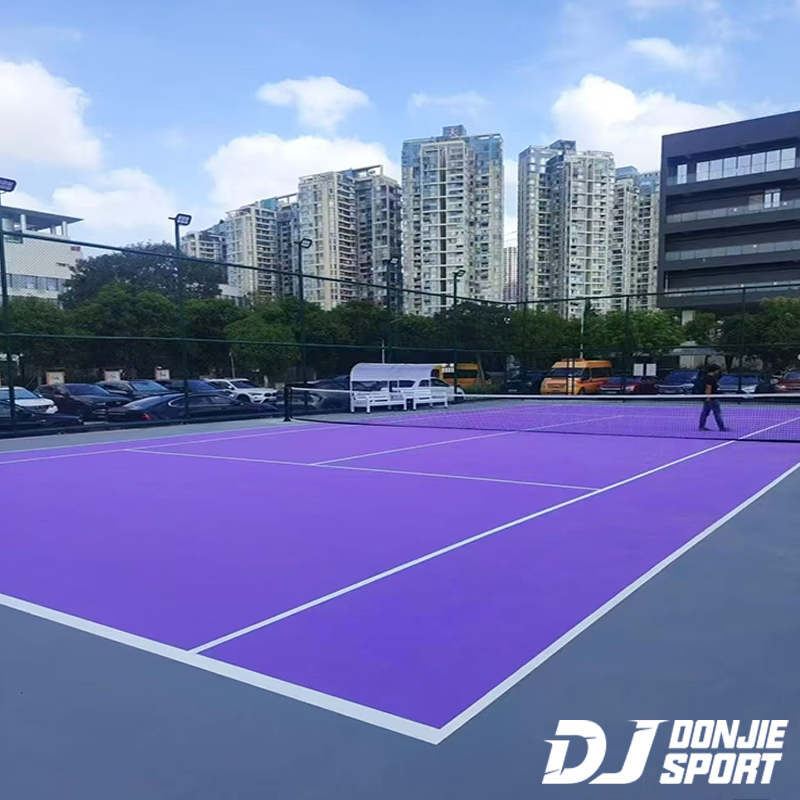
Installation Process for Outdoor Pickleball Court Flooring
DIY vs Professional Installation
Some flooring options, such as interlocking tiles or modular systems, allow for DIY installation, which can save money on labor costs. However, other materials, such as poured rubber or acrylic surfaces, typically require professional installation. Make sure to evaluate the complexity of the installation process before deciding whether to take the DIY route or hire a contractor.
Timeline and Steps Involved in Installation
The installation timeline varies depending on the flooring material and the size of the court. Concrete and asphalt can take several days to install, while synthetic surfaces may be quicker. The installation process generally involves preparing the base layer, laying the flooring material, and ensuring the surface is properly sealed or coated.
Conclusion
Choosing the right flooring for outdoor pickleball courts is an important decision that can affect both the performance of the court and the safety of the players. By considering factors like durability, traction, comfort, maintenance, and cost, you can select the ideal flooring for your pickleball facility. Whether you choose concrete, rubber, PVC, or acrylic, make sure to invest in a surface that will provide a high-quality playing experience for years to come.