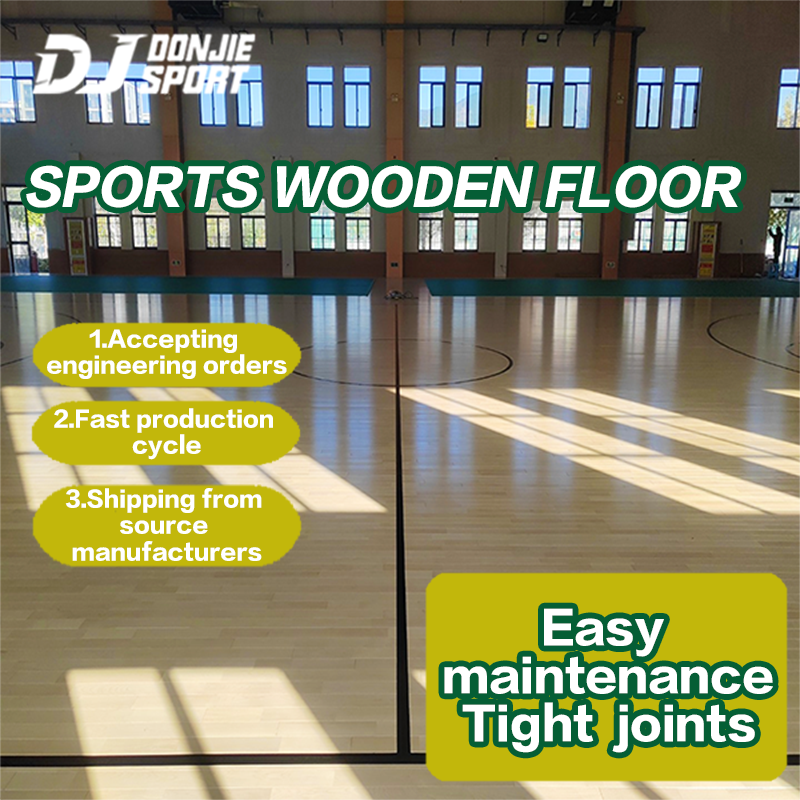
Hardwood Sports Flooring has become the defining standard for indoor basketball and volleyball courts due to its unmatched combination of natural strength, responsiveness, and visual appeal. When athletes move across a well-constructed hardwood surface, they experience consistent traction, stable support, and a smooth playing field engineered for competitive performance. Selecting the right hardwood system is essential for facility owners, architects, and sports managers who aim to create a court that offers long-term reliability, meets sport-specific requirements, and enhances both training and competitive play. Understanding the components, structure, and performance factors of hardwood flooring ensures that your venue delivers the professional quality expected in today’s sports environment.
Why Hardwood Sports Flooring Remains the Gold Standard for Basketball and Volleyball
Superior Performance and Ball Response of Hardwood Sports Flooring
One of the primary reasons Hardwood Sports Flooring continues to dominate basketball and volleyball venues is its exceptional ball response. Maple, the most commonly used hardwood species, provides a perfect balance of hardness and elasticity, allowing for a predictable bounce and quick directional changes. Athletes depend on flooring that supports fast transitions, explosive jumps, and stable landings, and hardwood offers a consistent experience across the entire court. For basketball and volleyball, where precision and athletic control are critical, hardwood surfaces ensure tournament-level performance.
Athlete Safety and Shock Absorption in Hardwood Sports Flooring
Safety plays a major role in determining the right sports flooring, and quality Hardwood Sports Flooring systems integrate subfloor structures that absorb shock and reduce the impact on joints. This feature is vital for basketball and volleyball athletes who frequently perform high-impact movements such as jumping, sprinting, and pivoting. A well-engineered hardwood system reduces fatigue, prevents unnecessary strain, and minimizes injury risks, supporting both amateur and professional athletes.
Aesthetic and Professional Appeal of Hardwood Sports Flooring
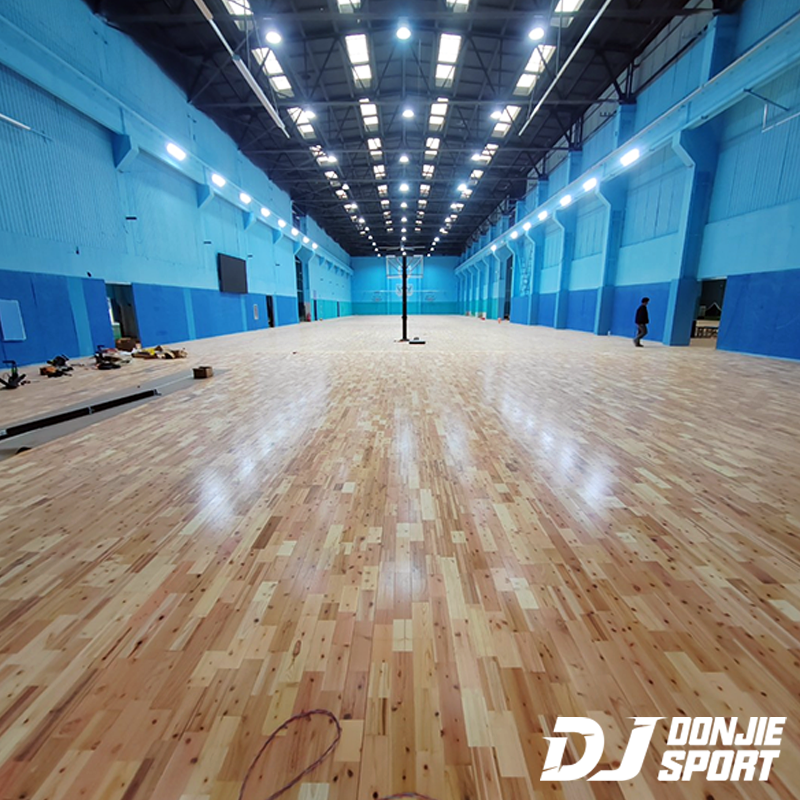
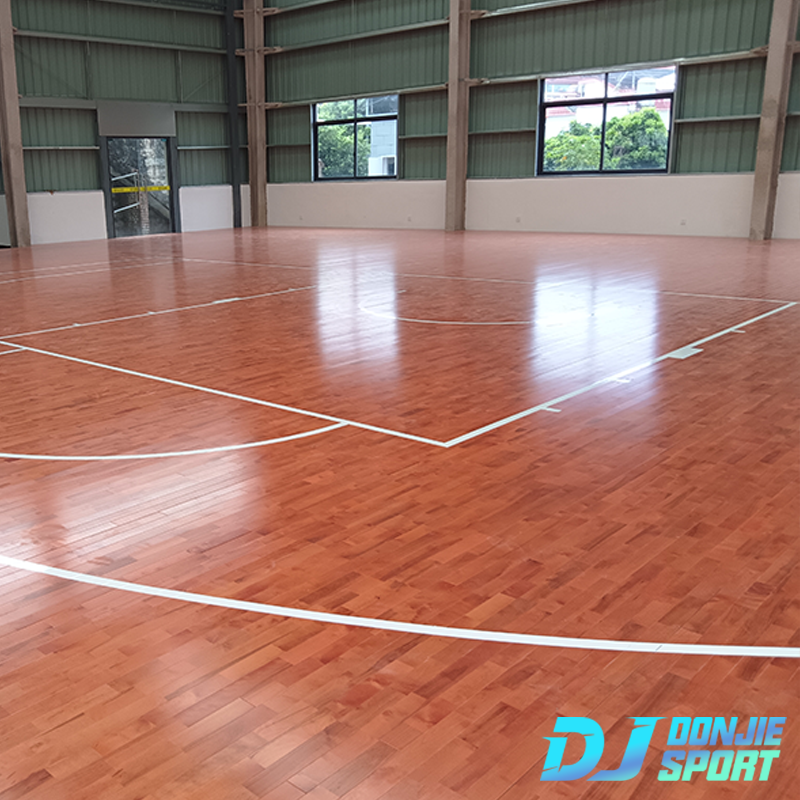
Hardwood Sports Flooring delivers a polished, professional appearance that elevates any sports facility. The natural grain, warm tones, and high-quality finish create a premium atmosphere that enhances athlete motivation and improves spectator experience. Custom court markings and optional graphics also adhere exceptionally well to hardwood surfaces, making it easy for facility owners to design attractive and functional courts.
Key Factors to Consider When Selecting Hardwood Sports Flooring
Understanding Wood Species Options for Hardwood Sports Flooring
When choosing Hardwood Sports Flooring, the species of wood is a fundamental consideration. Maple, particularly Northern Hard Maple, is the most common choice for basketball and volleyball courts due to its durability, resistance to abrasion, and predictable ball response. Other species, such as oak, birch, and ash, can also be used depending on specific requirements, but maple is generally favored for its resilience and long lifespan. The grain pattern of the wood also contributes to the overall aesthetic, with different species offering varied appearances and textures.
Evaluating Surface Hardness and Durability of Hardwood Sports Flooring
The hardness of hardwood directly impacts its durability. The Janka hardness test, which measures the ability of wood to resist wear and indentation, is an essential factor when selecting flooring. Harder woods such as maple tend to have greater resistance to damage from high-impact sports activities, ensuring the floor remains pristine for years. It’s also crucial to consider how the flooring will perform under constant use, ensuring that it maintains its structural integrity while still providing a consistent, high-performance surface for basketball and volleyball.
Moisture Resistance and Dimensional Stability in Hardwood Sports Flooring
Moisture resistance is another key factor in selecting Hardwood Sports Flooring, especially in environments with fluctuating humidity levels or where water might occasionally spill, such as in gymnasiums. High-quality hardwood flooring systems are treated to resist moisture absorption, which can cause warping or swelling. To maintain dimensional stability, flooring should also feature moisture barriers within the installation system, preventing damage over time. Additionally, proper acclimatization of the wood before installation ensures it adapts to the indoor environment.
Acoustic Performance and Environment Control for Hardwood Sports Flooring
The acoustic properties of Hardwood Sports Flooring can significantly influence the play experience. A well-designed flooring system minimizes noise, helping to reduce the echo in large venues and creating a focused, professional environment. It’s important to choose flooring that integrates with appropriate subfloor systems to control sound while still providing the necessary bounce and feel for basketball and volleyball play. A quieter court can improve both player performance and spectator experience.
Construction Systems of Hardwood Sports Flooring
Fixed vs. Floating Systems in Hardwood Sports Flooring
Hardwood Sports Flooring systems can be categorized as fixed or floating. A fixed system is permanently affixed to the subfloor, providing a highly stable and rigid surface. This system is ideal for arenas or venues with high levels of traffic and demanding performance requirements. On the other hand, floating systems use a layer of foam or rubber to allow for more flexibility and shock absorption, which can be ideal for multipurpose courts or spaces where comfort and safety are prioritized.
Subfloor Systems for Performance, Stability, and Longevity
The subfloor plays a crucial role in determining the performance and longevity of Hardwood Sports Flooring. A well-constructed subfloor system should provide stability, uniform support, and resilience against daily wear. A sprung floor system, often used in basketball and volleyball courts, uses layers of wood and rubber to offer dynamic cushioning, preventing injuries while enhancing performance. The quality of the subfloor should match the hardwood flooring to create a seamless, long-lasting solution.
Cushioning Layers and Their Role in Hardwood Sports Flooring
Cushioning layers between the hardwood and the subfloor help absorb shock and reduce the impact on athletes’ joints. This is especially important in high-intensity sports like basketball and volleyball. The cushioning material can vary, from rubber pads to foam systems, each providing different levels of cushioning and sound control. The best systems combine shock absorption with support to deliver an optimal playing surface that promotes performance while minimizing the risk of injury.
Thickness, Surface Coatings, and Finish Types
Standard Thickness Options for Hardwood Sports Flooring
The thickness of Hardwood Sports Flooring typically ranges from 25mm to 40mm, with thicker options providing additional durability and performance. The standard thickness, however, should be chosen based on expected traffic levels and the specific sports activities. Thicker floors are more resilient and can withstand heavier impacts, making them ideal for basketball courts, where frequent jumping and landing occur. However, thinner flooring options can work well in smaller venues or courts with lower intensity use.
Anti-Slip Coatings and Court Marking Compatibility
An essential consideration for any sports flooring is the type of coating applied to the surface. Anti-slip coatings are designed to provide superior grip, preventing athletes from slipping during high-speed maneuvers. For basketball and volleyball courts, the flooring should also be compatible with court markings that do not interfere with the playability of the floor. Courts must maintain their aesthetic appeal while still offering a safe, slip-resistant surface that enhances performance.
UV-Cured vs. Traditional Finishes for Hardwood Sports Flooring
UV-cured finishes offer the benefit of a more durable and environmentally friendly option compared to traditional finishes. They are cured instantly under ultraviolet light, which not only speeds up the finishing process but also provides a stronger, more resistant surface against wear and tear. Traditional finishes, such as polyurethane, offer a more classic look and feel but may require longer drying times and additional coats. Choosing the right finish will depend on both performance requirements and desired aesthetics.
Installation Best Practices for Hardwood Sports Flooring
Site Preparation and Environmental Requirements
Proper site preparation is critical for ensuring a successful installation of Hardwood Sports Flooring. The installation area should be free of moisture and environmental fluctuations that could affect the wood’s performance. The room temperature should be maintained at a consistent level before, during, and after installation. Ensuring a clean, level surface helps avoid complications later and ensures that the flooring system adheres correctly.
Professional Installation vs. DIY Challenges
While some facilities may opt for a DIY installation, it’s important to note that professional installation ensures a higher quality, longer-lasting flooring system. Professionals have the experience to deal with challenging issues such as moisture levels, subfloor variations, and proper acclimatization of the wood. DIY projects may lead to errors, including uneven installation or failure to meet necessary performance standards, which could affect the court’s integrity and lifespan.
Acclimation, Sanding, and Sealing Procedures
Before installation, hardwood floors need to be acclimated to the room’s temperature and humidity to prevent movement after installation. Once the floor is laid, it may require sanding to ensure a smooth, level surface and then sealing to protect it from moisture and daily wear. These processes must be performed correctly to maximize the performance of the floor and ensure its longevity.
Maintenance Strategies to Extend the Lifespan of Hardwood Sports Flooring
Daily, Weekly, and Annual Maintenance Routines
Routine cleaning and maintenance of Hardwood Sports Flooring are essential to preserve its appearance and functionality. Daily cleaning with a damp cloth or specialized floor mop can help remove dirt, dust, and debris that could cause scratches. Weekly, more intensive cleaning can involve using floor cleaners designed for hardwood surfaces. On an annual basis, the flooring may require refinishing or sealing to maintain its durability and performance.
Refinishing Cycles and Preventing Common Flooring Damage
Over time, the top layer of the floor will show signs of wear, and refinishing will be necessary. The frequency of refinishing depends on the amount of traffic the court receives. Courts that see heavy use may require refinishing every few years, while less-used courts may go longer without needing this service. Taking steps to prevent damage, such as using floor mats in entryways and avoiding high heels on the court, can also help reduce the need for extensive repairs.
Proper Cleaning Agents and Avoiding Moisture Issues
Using the right cleaning agents is essential for maintaining the finish and structural integrity of Hardwood Sports Flooring. Harsh chemicals can degrade the finish and damage the wood, while excessive moisture can cause the wood to swell or warp. Always use recommended, floor-safe products that are designed specifically for hardwood surfaces to maintain optimal performance.
Budgeting, Expected Lifespan, and Long-Term Value
Cost Determinants of Hardwood Sports Flooring
The cost of Hardwood Sports Flooring varies based on wood species, thickness, and system type. Higher-quality wood, specialized finishes, and professional installation can drive up costs, but the investment ensures a long-lasting, high-performance court. Budgeting should include both the upfront installation costs and the long-term maintenance requirements to ensure that the facility remains in top condition.
Lifespan Expectations for High-Quality Sports Floors
High-quality Hardwood Sports Flooring, when properly maintained, can last for decades. Most systems have a lifespan of 15-25 years, depending on the intensity of use, with periodic refinishing to extend that period. Investing in a durable flooring system ensures that the court will remain functional and visually appealing for years to come, providing excellent value for the initial investment.
Balancing Initial Investment and Total Ownership Costs
When selecting Hardwood Sports Flooring, it’s important to balance the initial investment with long-term ownership costs. High-quality flooring systems may have a higher upfront cost, but their longevity, durability, and low maintenance needs mean that the total cost of ownership will be lower in the long run. Investing in a quality product ensures your sports venue remains competitive, safe, and appealing to athletes and fans alike.
Choosing the Right Supplier for Hardwood Sports Flooring
What to Look for in a Professional Hardwood Flooring Manufacturer
Choosing a reputable manufacturer is essential to ensure the quality and durability of Hardwood Sports Flooring. Look for companies with a proven track record, positive reviews, and a portfolio of successful projects. Certified manufacturers who meet international standards will provide warranties and support services, ensuring peace of mind and the long-term reliability of your flooring investment.
Certifications, Testing Standards, and Quality Guarantees
Reputable suppliers will offer certifications and adhere to industry testing standards, ensuring that the flooring meets all necessary performance and safety criteria. Look for products that are certified for indoor sports use, with guarantees that back the quality of the materials and workmanship.
Customization Options for Basketball and Volleyball Court Layouts
Many flooring manufacturers offer customization options, allowing for court-specific markings, color schemes, and branding. This flexibility enables you to create a personalized court that aligns with your brand or team identity. Custom courts also ensure that the floor layout meets specific basketball or volleyball requirements, providing an optimized playing surface.
Selecting Hardwood Sports Flooring That Matches Performance, Durability, and Safety Needs
Selecting the right Hardwood Sports Flooring is a critical decision for any basketball or volleyball facility. It involves understanding the technical details such as wood species, construction system, thickness, finishes, and maintenance needs. By considering performance, durability, safety, and aesthetic appeal, you can choose a flooring system that meets the specific needs of athletes while providing long-term value for your venue. Remember to partner with a trusted supplier and professional installation team to ensure your court performs at its best, year after year.