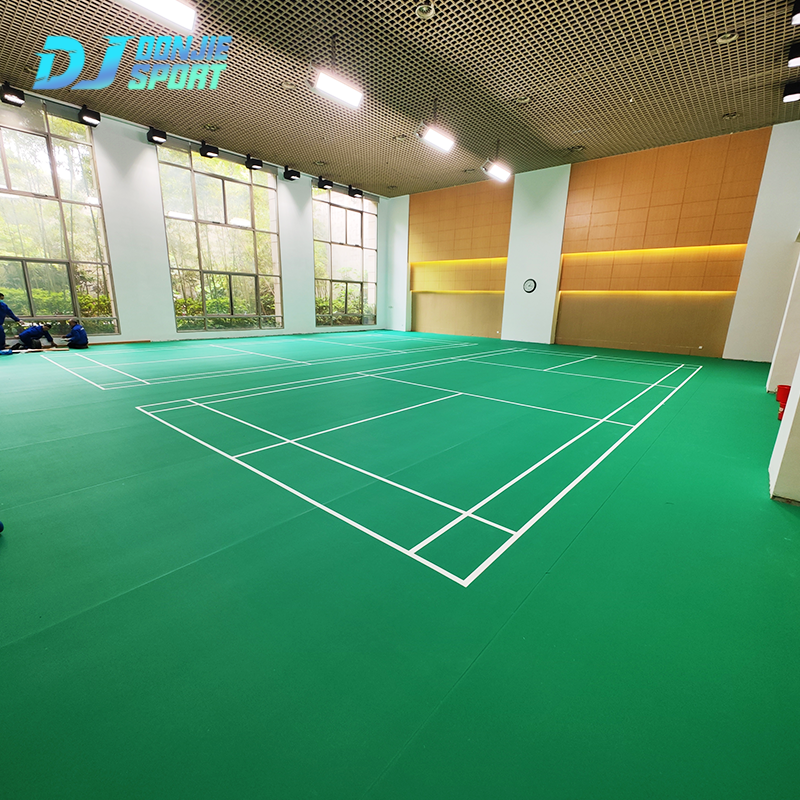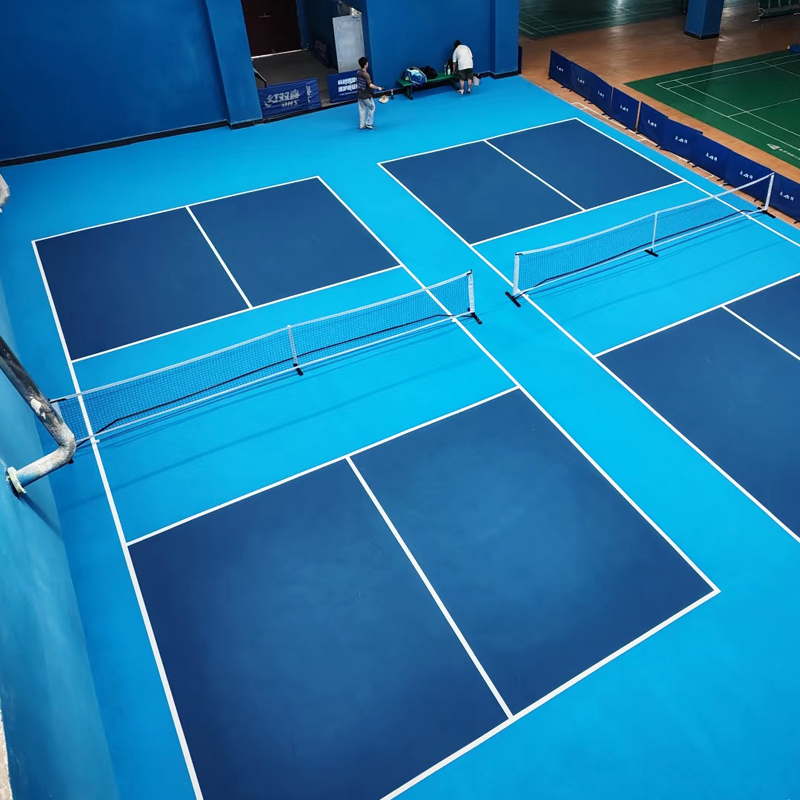
When it comes to creating a safe and high-performance indoor sports environment, PVC sports flooring plays a crucial role. But beyond choosing a reputable manufacturer or attractive design, two key factors determine how your flooring performs over time—thickness and texture. These elements not only affect how the floor feels underfoot but also influence shock absorption, slip resistance, and overall player comfort.
PVC sports flooring, made from durable and flexible vinyl materials, is a popular choice for basketball courts, badminton halls, table tennis venues, and multi-purpose gymnasiums. Its layered structure provides excellent stability and resilience, making it a preferred option for both professional and recreational facilities.
The right thickness ensures optimal energy return and impact absorption, protecting athletes from fatigue and injury. Meanwhile, the right texture determines how much grip the surface provides—too smooth and it becomes slippery, too rough and it may hinder movement. Finding the right balance between these two elements is essential to achieve a flooring surface that supports both safety and performance.
Understanding PVC Sports Flooring Composition
PVC sports flooring rolls are built using multiple layers, each with a specific purpose designed to enhance comfort and durability.
1. Wear Layer – The top surface, made of high-quality PVC, provides resistance to abrasion, scuffing, and chemical exposure. It also determines the texture and friction level of the floor.
2. Reinforcement Layer – Typically made from fiberglass or polyester mesh, this layer stabilizes the flooring, preventing expansion, contraction, or deformation due to temperature changes.
3. Foam Layer – This is the cushioning layer responsible for shock absorption and energy return. Thicker foam layers provide greater comfort, making them suitable for sports with high jumping or running intensity.
Each of these layers works together to ensure that PVC sports flooring maintains its elasticity, provides steady grip, and delivers consistent performance across the court. High-quality materials not only improve player experience but also extend the product’s lifespan—making them a cost-effective choice for sports venues.
Ideal Thickness for Different Sports Applications
The thickness of PVC sports flooring rolls typically ranges from 4.5mm to 8.0mm, and the right choice depends on the sport, player intensity, and facility design. The rule of thumb is: thicker flooring provides more comfort and shock absorption, while thinner flooring offers higher stability and control.
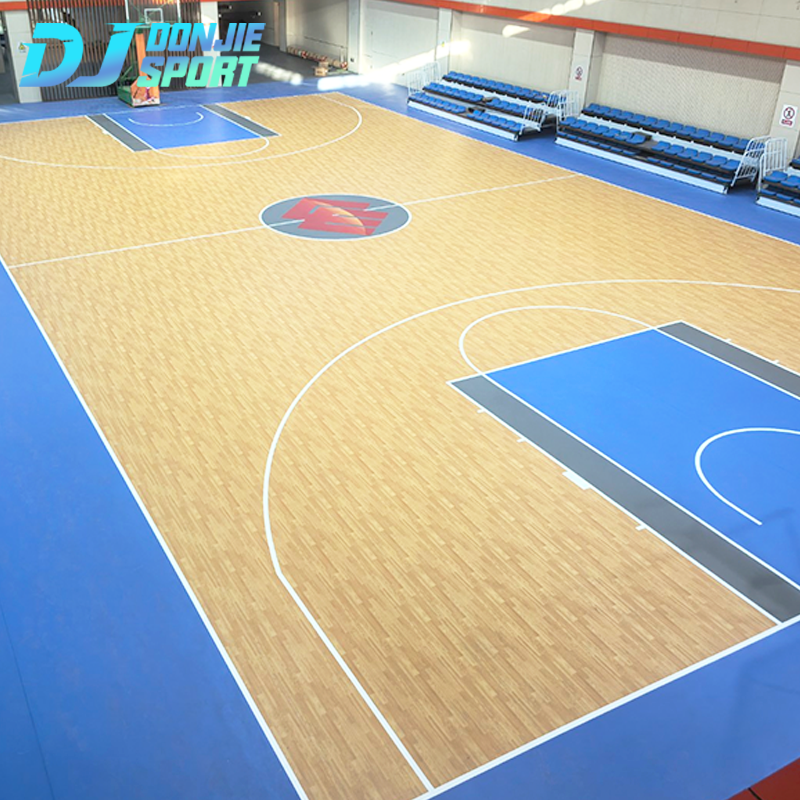
Thickness for Basketball Courts
Basketball is a high-impact sport that requires excellent shock absorption and ball rebound. For basketball courts, the recommended PVC sports flooring thickness is 6.0mm–8.0mm.
This range helps reduce the stress on athletes’ joints and improves ball response. The flooring’s foam layer plays a key role in providing the right amount of bounce and energy return, ensuring consistent playability during fast-paced movements.

Thickness for Badminton and Table Tennis Halls
Badminton and table tennis require quick movements, frequent direction changes, and light footwork. The ideal thickness for these facilities is usually 4.5mm–6.0mm.
This thinner range ensures a stable and responsive surface, giving athletes better control and speed while maintaining enough comfort to prevent fatigue. For table tennis, a thinner PVC roll also enhances sound absorption and reduces echo within indoor halls.
Thickness for Multi-Purpose Sports Halls
Facilities hosting multiple sports—such as school gyms or community centers—benefit from versatile flooring thicknesses of 5.0mm–7.0mm.
This balance offers both adequate cushioning and stability, making the floor suitable for a wide range of activities like volleyball, aerobics, and fitness training. Multi-layer PVC floors with moderate thickness ensure durability even under heavy use.
How Texture Affects Grip and Safety
While thickness impacts comfort, texture defines the safety and control of the playing surface. The surface pattern affects the level of friction and slip resistance, both critical for athlete performance and injury prevention.
PVC sports flooring comes in several textures, each serving different purposes:
-
Crystal Sand Texture – Offers a balanced combination of grip and smoothness. Ideal for indoor gyms and multi-sport facilities.
-
Small Sand Texture – Provides higher traction, perfect for sports requiring fast lateral movements like badminton or pickleball.
-
Maple Grain Texture – Replicates the look of traditional wooden floors, making it suitable for basketball courts and dance studios.
-
Gem Pattern Texture – Features deeper embossing for enhanced slip resistance in high-intensity environments.
A well-designed texture not only ensures proper grip but also helps maintain balance and stability during quick movements. Moreover, textured surfaces prevent moisture buildup, keeping the court safe even in humid conditions.
Smooth vs. Embossed Textures
Smooth PVC surfaces offer a fast feel, ideal for activities like table tennis where quick sliding movements are common. However, they may not provide sufficient traction for sports involving heavy running or abrupt stops.
Embossed or sand-textured PVC sports flooring, on the other hand, enhances grip and safety. The small patterns reduce the risk of slipping while maintaining consistent movement flow. Choosing between smooth and embossed textures depends on the balance between speed and traction your facility requires.
How to Test Surface Grip and Feel
Evaluating grip isn’t just about personal preference—it’s a measurable performance factor. Professional testing standards like DIN 18032, EN 14904, and ASTM F2772 define the acceptable ranges of slip resistance for sports floors.
Facility owners can perform simple on-site tests by walking or running across the floor with different footwear types. However, laboratory-certified testing ensures that your PVC sports flooring meets international safety standards, especially for professional sports venues.
Matching Texture with Sports and Aesthetic Needs
Texture also contributes to the overall visual appeal of your facility. For example:
-
Maple Grain Texture provides a classic wooden appearance, making basketball courts look more professional and elegant.
-
Small Sand or Crystal Sand Textures enhance modern indoor halls with sleek, anti-slip finishes suitable for various sports.
-
Gem Pattern adds depth and sophistication, ideal for premium gyms or event spaces.
In addition to aesthetics, color and gloss level affect player focus. Matte finishes reduce glare under bright lights, while neutral tones help players better track the ball’s movement during gameplay.
Installation Considerations Based on Thickness
Thicker PVC flooring requires more precise installation to maintain stability. The subfloor condition must be smooth, clean, and level to prevent uneven wear or surface bubbles.
When installing rolled PVC sports flooring, professionals use special adhesives suited for flexible vinyl to ensure secure bonding. For thicker rolls, an underlayment layer can be added to enhance sound absorption and improve comfort. Proper seam welding and edge trimming are essential for a seamless, durable finish.
Maintenance and Longevity Tips
The longevity of your PVC sports flooring largely depends on proper care. Both thickness and texture influence maintenance frequency.
-
Textured surfaces require regular cleaning to prevent dust accumulation that could affect traction.
-
Thicker floors with softer foam layers should be protected from sharp objects or heavy equipment to avoid compression marks.
-
Use neutral cleaning agents and avoid harsh chemicals that could damage the wear layer.
-
Schedule professional maintenance checks to assess surface friction and elasticity over time.
Routine maintenance not only preserves the appearance of your floor but also ensures consistent safety and playability for athletes.
Making an Informed Choice for Your Sports Facility
Selecting the right PVC sports flooring thickness and texture is a crucial step toward creating a safe, durable, and high-performance environment. A floor that’s too thin may compromise comfort and shock absorption, while one that’s too thick could reduce stability. Similarly, the right surface texture can make all the difference between a slippery hazard and a professional-grade playing surface.
By understanding your facility’s needs—whether it’s for basketball, badminton, or multi-purpose use—you can choose the perfect combination of thickness and texture. Always consult with experienced PVC sports flooring manufacturers to ensure your selection meets both international safety standards and your design expectations.