Choosing the right sports hall floor covering is crucial for ensuring the safety, performance, and longevity of both the athletes and the facility. The floor serves as the foundation for any sporting activity, directly influencing player performance, comfort, and injury prevention. Whether you’re outfitting a new facility or refurbishing an existing one, the flooring choice will impact everything from gameplay to maintenance costs. In this guide, we’ll explore how to select the ideal floor covering for your sports hall, taking into account various factors like durability, safety, aesthetics, and budget.

Factors to Consider When Choosing Sports Hall Floor Covering
When it comes to selecting the best sports hall floor covering, there are several key factors to consider. These will help you make an informed decision that meets both functional and aesthetic needs.
The Type of Sports Played in Your Facility
Different sports require different floor types. For example, basketball courts need resilient flooring that offers grip and shock absorption, while badminton courts may require a more refined surface for quick movement. Be sure to evaluate the specific demands of the sports that will be played in your facility.
Durability and Maintenance Requirements
Sports halls experience heavy foot traffic, which means the floor covering must be durable and capable of withstanding the wear and tear from athletes. Durability also affects long-term maintenance costs, so choosing a low-maintenance material can save on cleaning and upkeep. Materials like PVC and rubber are known for their longevity and easy maintenance.
Aesthetic Appeal and Design Options
The look and feel of your sports hall play an important role in creating a welcoming and inspiring environment. Floor coverings come in a variety of colors, patterns, and finishes. Whether you want something sleek and modern or a traditional wood finish, the design of the floor should complement the overall aesthetic of your facility.
Budget Considerations
Flooring for sports halls can vary widely in price, depending on the material and installation complexity. It’s essential to balance the initial cost with the long-term durability and performance of the floor. Consider how much you’re willing to invest upfront and the expected return on investment in terms of durability and maintenance savings.
Types of Sports Hall Floor Coverings: Which One is Right for You?
There are several options available when it comes to sports hall floor coverings, each offering unique benefits for different types of activities and needs.
Vinyl Flooring: Advantages for Multi-Purpose Use
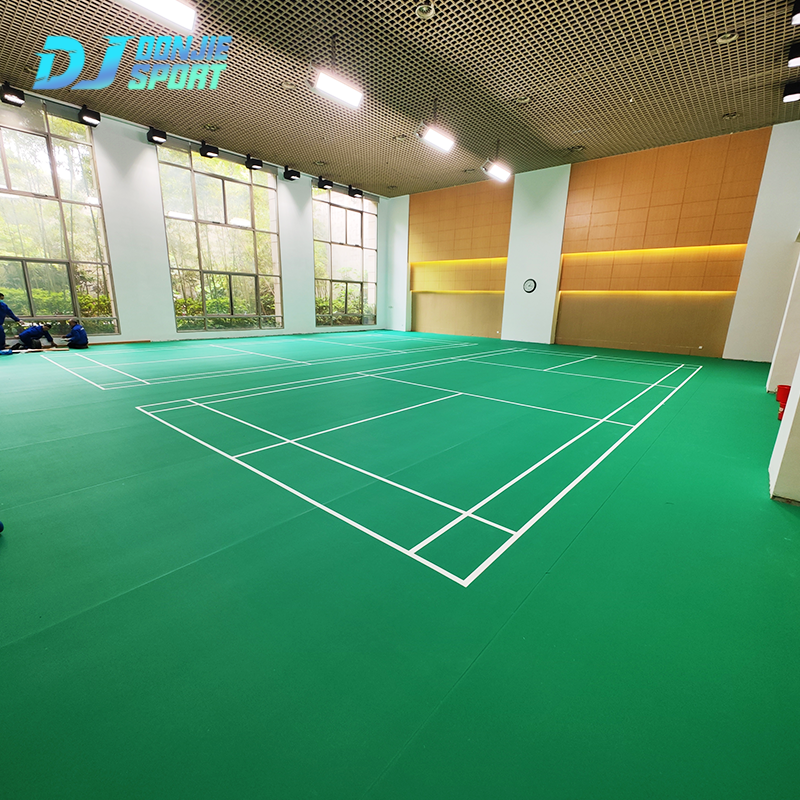
Vinyl flooring is a popular option for sports halls because it is versatile, affordable, and easy to maintain. It provides a smooth, durable surface that can withstand heavy foot traffic and frequent use. Vinyl flooring is available in various styles, including wood-look finishes, making it a great choice for multi-purpose facilities that host a variety of sports and events.
Wood Flooring: Traditional Choice for Performance and Aesthetics
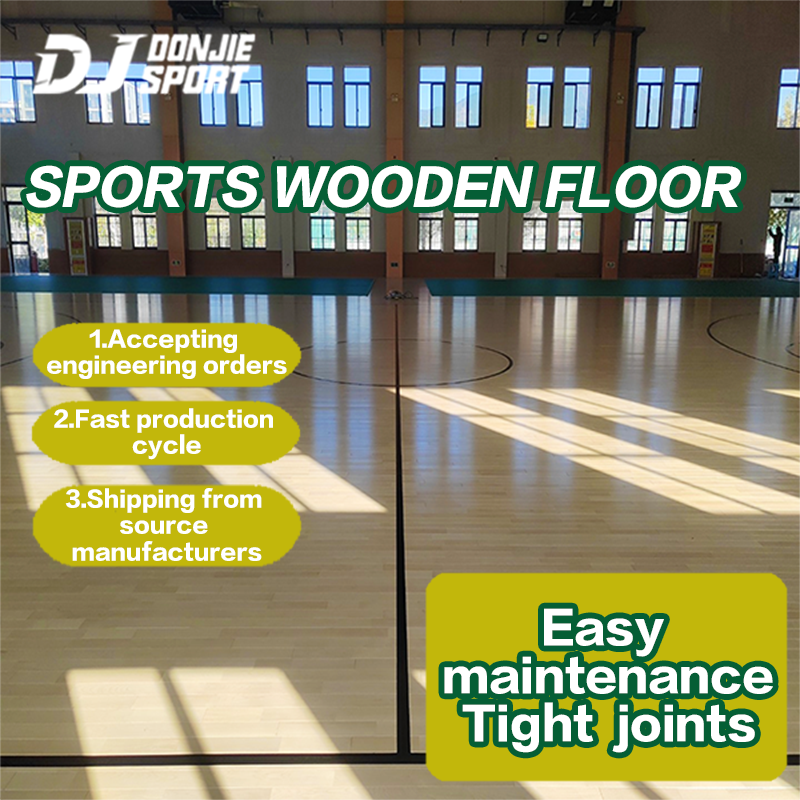
Wooden sports floors are a traditional choice for sports halls, especially for sports like basketball, volleyball, and indoor tennis. Wood provides a classic look and offers excellent shock absorption, which reduces the risk of injuries. However, wood floors require regular maintenance to keep them in top condition, especially in high-traffic areas.
Rubber Flooring: Best for Noise Reduction and Shock Absorption
Rubber flooring is an ideal option for facilities that prioritize noise reduction and shock absorption. It provides a cushioned surface, which helps prevent injuries during high-impact sports. Rubber is also durable, water-resistant, and easy to clean, making it a great choice for gyms and fitness centers as well.
PVC Sports Flooring: Durable, Cost-Effective, and Easy to Maintain
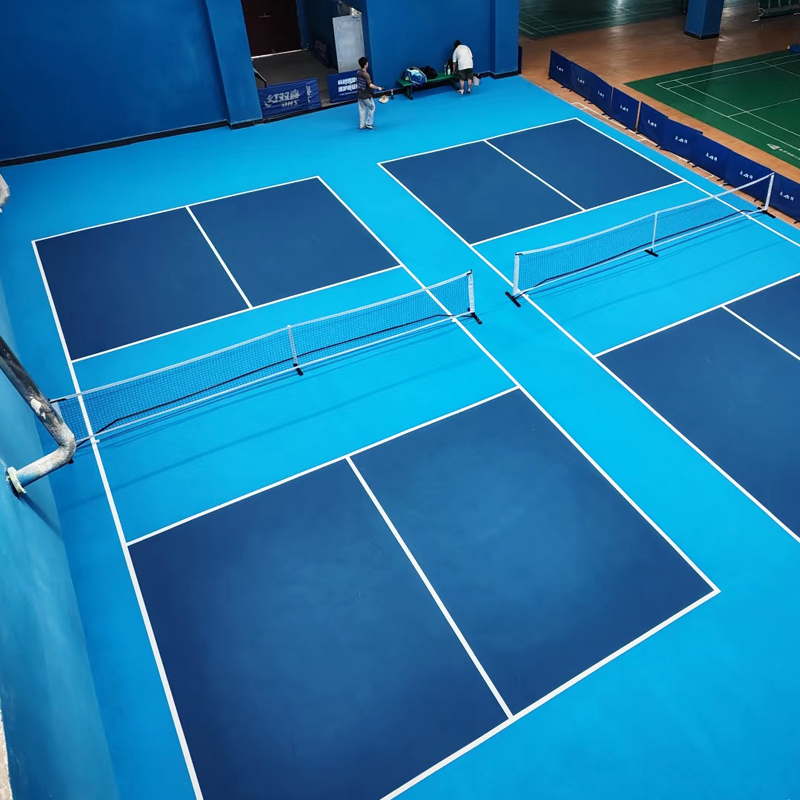
PVC sports flooring is one of the most durable and cost-effective solutions for sports halls. It provides a cushioned surface that offers excellent traction and shock absorption. Additionally, PVC is resistant to stains and wear, which makes it a low-maintenance option for high-traffic areas. It is especially popular in multi-sport facilities due to its versatility and long-lasting performance.
Understanding the Safety Features of Sports Hall Floor Coverings
Safety should always be a priority when selecting flooring for a sports hall. A good sports hall floor covering should have features that enhance player safety and minimize the risk of injury.
Slip Resistance and Traction
The floor must offer adequate grip to prevent slips and falls during intense movements. Floors like PVC and rubber provide excellent slip resistance, helping athletes maintain control during fast-paced activities.
Shock Absorption and Injury Prevention
Floor coverings should absorb impact, reducing the stress on joints and minimizing the risk of injuries. Materials such as wood, rubber, and high-quality PVC are designed with shock-absorbing properties that protect players from the wear and tear associated with repetitive movements.
How Floor Coverings Contribute to Player Performance
The right floor can enhance athletic performance by providing a surface that supports agility, speed, and overall movement. Floors with appropriate traction and shock absorption allow athletes to move freely and efficiently, resulting in better performance and fewer injuries.
How Installation Affects the Performance of Sports Hall Floor Covering
The installation process is just as important as the flooring material itself. A poorly installed floor may not provide the intended benefits, leading to maintenance issues, uneven surfaces, or even safety hazards.
Importance of Professional Installation for Durability and Safety
Professional installation ensures that the floor is laid correctly, with all seams, joints, and surfaces properly aligned. Proper installation helps extend the lifespan of the floor and ensures its safety features are fully functional.
Common Installation Mistakes to Avoid
Improper subfloor preparation, incorrect adhesive use, and misaligned seams can all lead to problems with your sports hall flooring. It’s essential to hire experienced contractors who are familiar with sports hall flooring installations to avoid these issues.
The Role of Maintenance in Extending the Life of Your Sports Hall Floor
Like any investment, sports hall flooring requires ongoing care to ensure its longevity and continued performance.
Regular Cleaning and Care Tips
Regular cleaning is crucial for maintaining the appearance and functionality of your sports hall floor. Sweep or vacuum frequently to remove debris, and clean with appropriate floor cleaners to remove stains. For wood floors, refinishing may be required periodically.
How Maintenance Influences the Longevity of the Floor
A well-maintained floor can last for many years, whereas neglecting maintenance can lead to premature wear and tear. Proper care will help keep the floor looking new and prevent the need for expensive repairs or replacement.
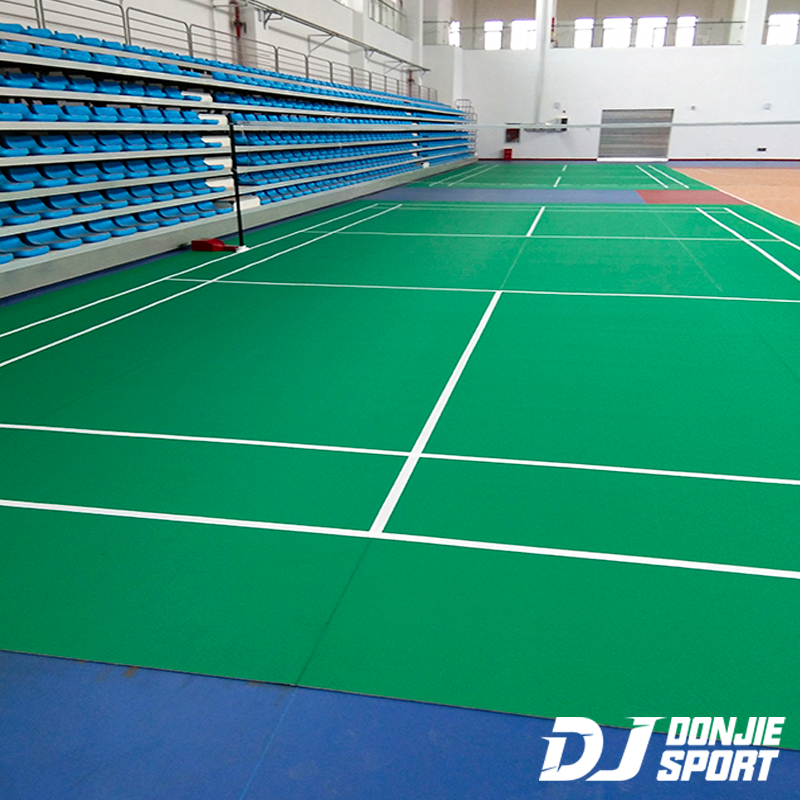
Environmental Considerations: Choosing Eco-Friendly Sports Hall Flooring
Sustainability is an increasingly important consideration in flooring choices. Many manufacturers now offer eco-friendly options for sports hall flooring that use recycled materials, are low in VOCs (volatile organic compounds), and have a smaller carbon footprint.
Sustainable Options and Their Benefits
Eco-friendly flooring options, such as recycled rubber or sustainably sourced wood, help reduce environmental impact. These options also contribute to a healthier indoor environment by improving air quality and reducing harmful emissions.
Why Eco-Friendly Flooring Matters in Today’s World
As environmental concerns continue to grow, more facility managers are prioritizing sustainable flooring solutions. Choosing eco-friendly materials not only benefits the planet but also promotes a healthy, safe environment for athletes and spectators.
Making the Final Decision on Your Sports Hall Floor Covering
Choosing the right sports hall floor covering is a decision that will impact your facility for years to come. By considering the specific needs of your facility, evaluating different material options, and prioritizing safety and durability, you can select a floor that enhances player performance, reduces injury risk, and meets your aesthetic goals.