
Selecting the appropriate flooring for your sports hall is crucial to ensuring both performance and safety for athletes. The flooring material you choose can have a significant impact on how players perform, the safety of the environment, and the longevity of the floor itself. With a variety of flooring options available, it’s essential to understand how each material caters to the specific needs of different sports. In this article, we’ll explore the various flooring materials used in sports halls and guide you through choosing the right one for your facility.
Understanding Sports Hall Flooring Materials
Choosing the best sports hall flooring requires a deep understanding of the materials available and how they align with the specific requirements of different sports. Below are some common flooring materials used in sports halls:
-
PVC Flooring: PVC sports flooring is a popular choice due to its versatility, durability, and cost-effectiveness. It offers excellent shock absorption and is available in a range of colors and designs, making it suitable for various sports, including basketball, badminton, and volleyball.
-
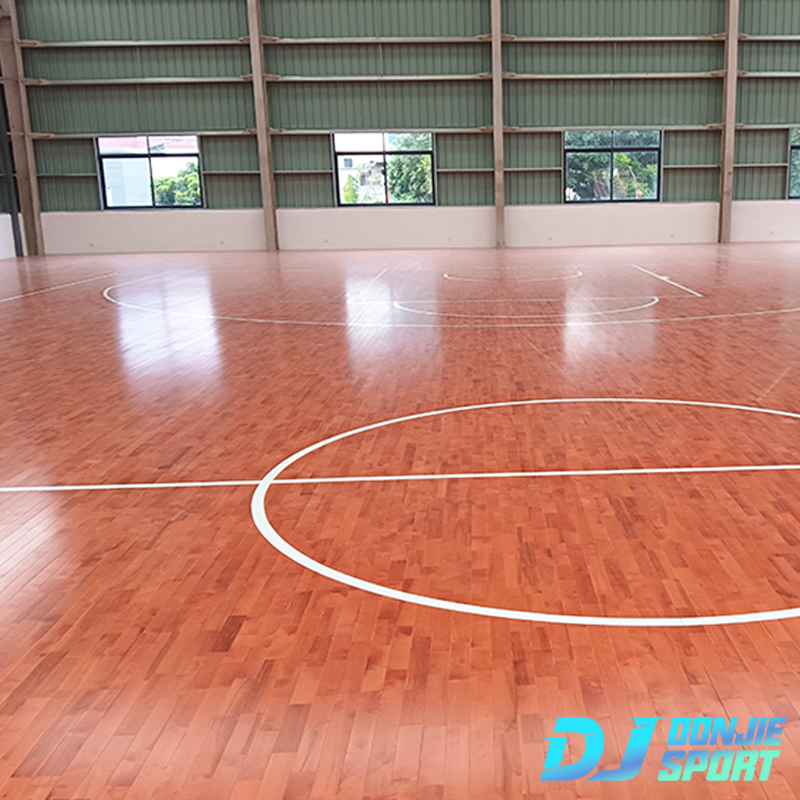
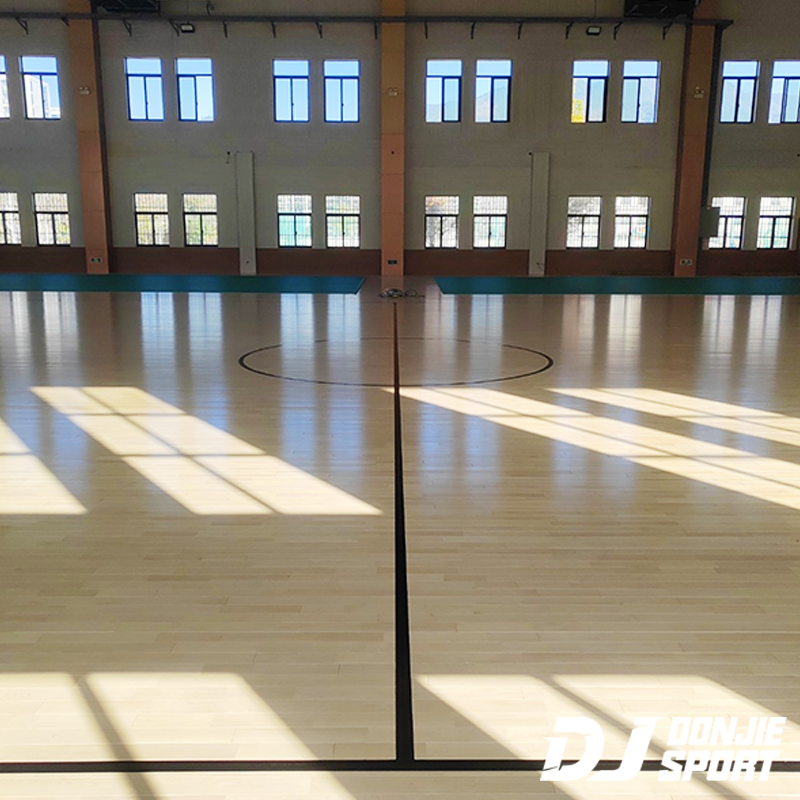
Wood Flooring: Known for its timeless appeal, wood flooring is ideal for sports such as basketball and volleyball. It provides a natural look and feel and offers excellent durability when maintained correctly. Wooden floors are particularly favored in professional and high-end sports facilities.
-
Rubber Flooring: Rubber flooring is durable and provides excellent traction. It is commonly used in gyms and multipurpose courts due to its impact resistance. Rubber flooring is also easy to maintain and is highly resistant to wear and tear.
-
Interlocking Tiles: These tiles are made from materials such as PVC, rubber, or vinyl, and can be easily installed or replaced. Interlocking tiles are a great option for multi-sport halls and are customizable to meet the needs of various sports.
-
Vinyl Flooring: Vinyl flooring is highly durable and is resistant to stains, scratches, and moisture. It is an affordable option for sports halls and provides a comfortable playing surface, especially for sports like indoor soccer and badminton.
Factors to Consider When Choosing Sports Hall Flooring
When selecting flooring for your sports hall, several factors should influence your decision. These include the type of sport, the level of safety required, durability, maintenance needs, and the aesthetic appeal of the flooring.
-
Type of Sport: Different sports have different flooring requirements. For example, basketball courts require floors with excellent shock absorption and grip to support fast movements and sudden jumps, while badminton courts need smooth surfaces that allow for quick footwork and responsive shuttlecock bounce. Make sure to choose a flooring material that suits the specific sport being played.
-
Player Safety and Injury Prevention: Safety should be a top priority when choosing flooring for sports halls. The right flooring material can reduce the risk of injuries by offering adequate cushioning and impact absorption. Non-slip surfaces are also essential to prevent accidents and provide stability for athletes.
-
Durability and Maintenance: The flooring material should be durable enough to withstand constant use and heavy foot traffic. Some materials, such as PVC and rubber, are highly resistant to wear and tear. Consider how often the floor will be used, the type of sports played, and the ease of cleaning and maintaining the surface.
-
Aesthetic Appeal: The visual appeal of your sports hall is another consideration. The flooring can help define the atmosphere of the space, so you may want to choose a material that aligns with your facility’s branding and aesthetic goals. Many materials like PVC and vinyl come in a wide range of colors and designs, offering flexibility in design.
Choosing the Right Flooring for Specific Sports
Different sports have specific requirements when it comes to flooring. Here’s a breakdown of the best options for each sport:
-
Basketball: For basketball, a floor that offers excellent shock absorption, durability, and grip is essential. Hardwood floors are traditional for professional basketball courts due to their high performance and durability. Alternatively, high-quality vinyl or PVC flooring with adequate cushioning can also provide the right balance of traction and comfort.
-
Badminton: Badminton courts require a smooth, non-abrasive surface that allows for fast foot movement and consistent shuttlecock bounce. PVC flooring or engineered wood floors are great choices for badminton courts as they provide the necessary smoothness without compromising durability.
-
Volleyball: Volleyball courts require a floor that provides adequate cushioning to reduce the impact on joints during jumps. A non-slip surface is also important to maintain stability during rapid movements. Hardwood floors or specialized vinyl flooring are suitable for volleyball courts.
-
Table Tennis: Table tennis requires a smooth, consistent surface to ensure an even bounce of the ball. PVC or rubber flooring is often preferred for table tennis courts as they provide the ideal smooth surface and help maintain the pace of the game.
-
Multi-Sport Use: For sports halls that cater to a variety of sports, a versatile flooring option like interlocking tiles or multi-purpose vinyl flooring is ideal. These floors are designed to support the diverse needs of different sports while offering a balance of durability, comfort, and ease of maintenance.
Environmental and Budget Considerations
In addition to the technical aspects of sports flooring, environmental impact and cost are key factors in your decision-making process.
-
Eco-Friendly Flooring Options: Sustainability is becoming increasingly important in sports hall flooring. Materials like recycled rubber or eco-friendly PVC options are available, providing a greener alternative to traditional materials. Opting for environmentally friendly flooring materials can enhance the sustainability of your facility while reducing your carbon footprint.
-
Cost vs. Long-Term Investment: The upfront cost of flooring materials can vary significantly, but it’s important to consider long-term costs as well. Higher-quality materials may have a higher initial cost but can offer lower maintenance costs and a longer lifespan. For example, hardwood floors require more maintenance but last longer than vinyl options, which are cheaper but may need to be replaced more frequently.
-
Choosing the Right Supplier: When selecting flooring for your sports hall, it’s essential to choose a reliable supplier. Look for a supplier who offers high-quality materials, a warranty on their products, and strong after-sales support. This will ensure that you receive the best value for your investment.
Conclusion
Choosing the right flooring for your sports hall is an important decision that will impact the safety, performance, and longevity of your facility. By considering the type of sport, player safety, durability, maintenance needs, and environmental factors, you can make an informed choice that meets the demands of your sports hall. Whether you opt for PVC, wood, rubber, or vinyl flooring, selecting the right material will ensure a safe, durable, and high-performing surface for athletes and sports enthusiasts.



