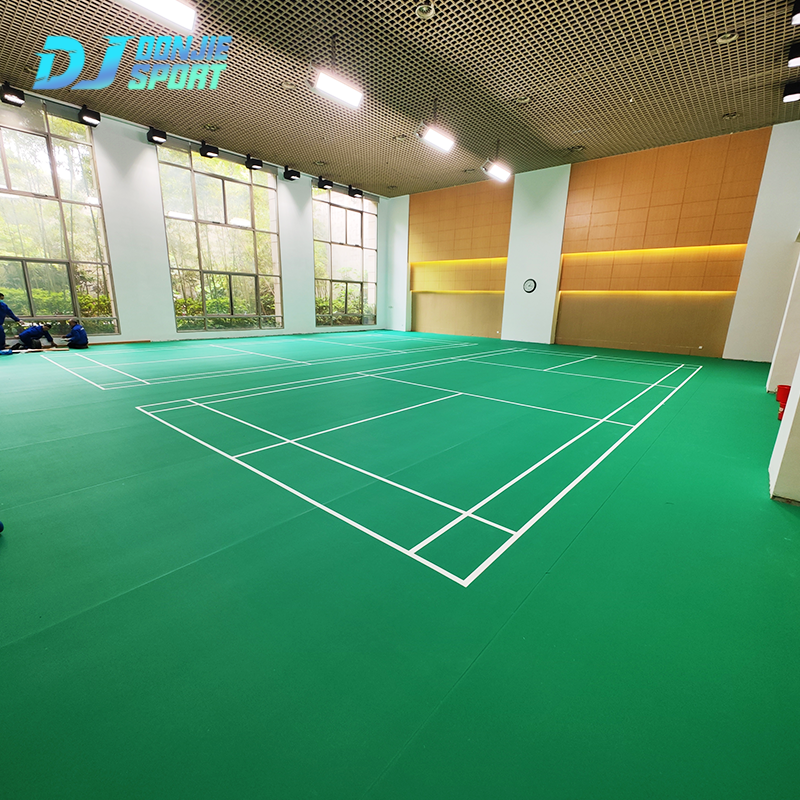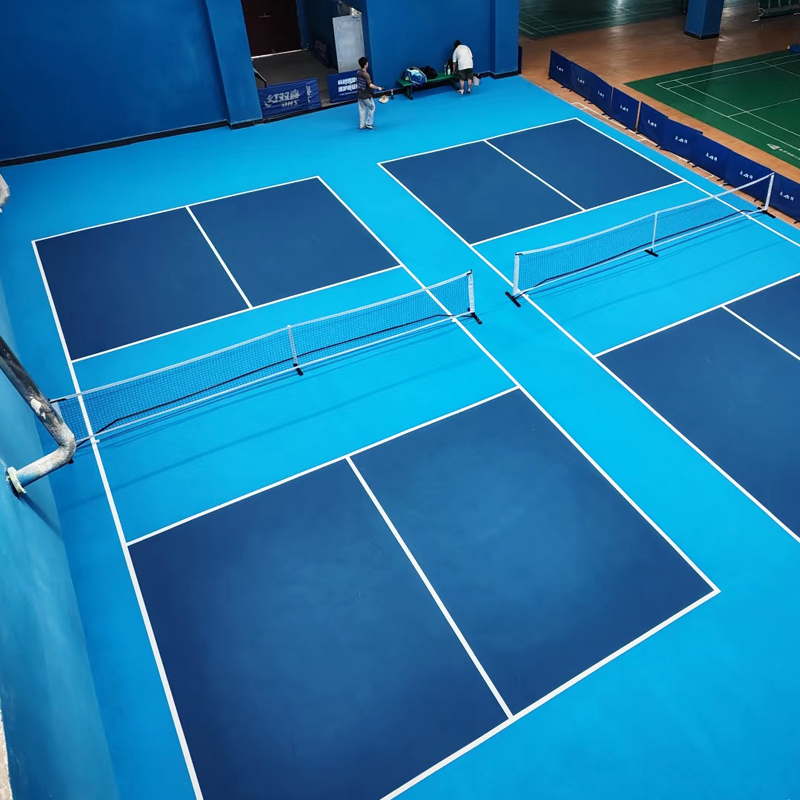
Creating the perfect gymnasium floor for your facility is one of the most critical decisions you’ll make when designing or renovating a sports venue. The right gymnasium floor enhances player performance, promotes safety, and supports the long-term functionality of your space. With a wide array of flooring options available, it can be overwhelming to determine which one best fits your specific needs.
In this guide, we’ll explore the essential factors you must consider when choosing the ideal gymnasium flooring, from material selection to maintenance strategies. By the end of this article, you’ll have a comprehensive understanding of how to select a floor that aligns with your facility’s requirements and ensures the best possible experience for your athletes and guests.
Understanding Your Needs: What to Consider for Your Gymnasium Floor
Before you dive into the specifics of flooring materials and designs, it’s essential to first understand your facility’s specific needs. Different sports and activities place varying demands on gymnasium floors, and your choice should be tailored accordingly.
Identifying the Primary Use of the Gymnasium
Is your gymnasium intended for a single sport, or will it serve multiple purposes? A facility used exclusively for basketball, for example, will have different needs than one that hosts basketball, volleyball, badminton, and fitness activities. Think about the range of activities your gym will support, as this will influence the type of flooring you require.
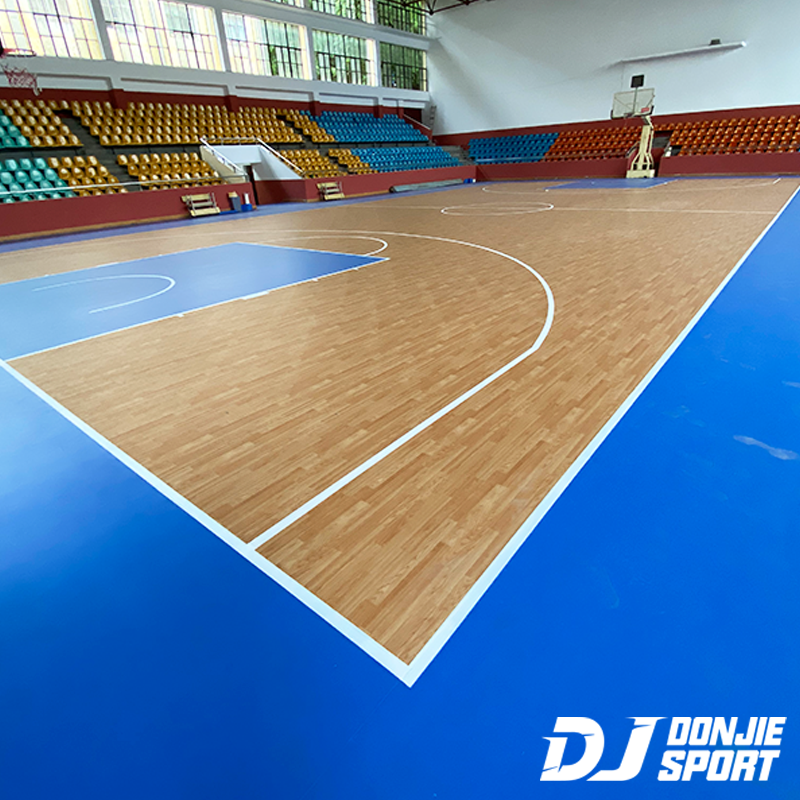
For example, hardwood floors are traditionally used for basketball courts because they provide the ideal bounce and traction. However, multi-use spaces may benefit from a more versatile material like PVC sports flooring, which accommodates a broader range of activities.
Considering the Type of Activities
If your gymnasium hosts various sports, it’s vital to choose a floor that can handle the different demands of each. For example, volleyball requires a non-slippery surface that provides adequate grip, while aerobics and fitness routines benefit from floors that offer excellent shock absorption to reduce stress on joints. Your flooring choice should support performance across the activities you offer, while still ensuring safety for the athletes.
Understanding Foot Traffic and Wear Levels
High-traffic areas, such as the center of the court or gym entrances, will experience more wear and tear. Flooring that is durable enough to withstand frequent use will not only save on replacement costs but will also maintain a professional and safe environment for users. Understanding the expected foot traffic and wear levels will help you choose a flooring material with the appropriate durability and lifespan.
Choosing the Right Material for Your Gymnasium Floor
The material you select for your gymnasium floor plays a critical role in both its functionality and aesthetic appeal. Each flooring type offers distinct benefits depending on your specific needs.
Hardwood vs. Synthetic Flooring: Pros and Cons
Hardwood floors are a popular choice for traditional gymnasiums, especially in basketball and volleyball courts. They offer an elegant look and provide excellent performance for athletes, with superior traction and a smooth surface. However, hardwood floors are expensive, require regular maintenance (such as refinishing), and are prone to damage from moisture.
Synthetic floors, such as PVC and rubber, are often more cost-effective and easier to maintain. PVC flooring, for example, is incredibly durable, versatile, and resistant to moisture, making it ideal for multi-sport venues. It also offers shock absorption and a consistent playing surface, which can help prevent injuries.
Benefits of PVC Sports Flooring and Rubber Gym Floors
PVC flooring is especially well-suited for multi-purpose gymnasiums, providing a versatile and cost-effective solution for diverse activities. It is known for its durability, ease of installation, and low maintenance requirements. PVC flooring also offers a range of design options, with various colors and textures to suit your gym’s aesthetic needs.
Rubber gym floors, on the other hand, are commonly used for fitness centers and weight rooms. They provide excellent shock absorption, which helps protect both the athletes and the floor itself from heavy impacts. Rubber flooring is also resistant to slips, making it a good choice for areas with high humidity or areas where safety is a primary concern.
The Role of Safety in Gymnasium Floor Selection
Safety should always be a top priority when selecting a gymnasium floor. The right floor can help prevent injuries and promote a safe environment for all athletes.
Ensuring Proper Cushioning for Athlete Protection
One of the key features of a gymnasium floor is its ability to absorb shock. Floors that provide adequate cushioning reduce the risk of joint stress and injuries, particularly in high-impact activities like basketball and volleyball. When selecting flooring, make sure it offers sufficient shock absorption to protect your athletes.
How Gymnasium Floors Prevent Injuries
In addition to cushioning, the texture and slip-resistance of the floor are crucial for injury prevention. A smooth surface may look attractive but can be dangerous, especially in sports that require quick movements and sudden stops. Flooring with proper slip resistance helps prevent slips, falls, and other accidents, keeping athletes safe while enhancing their performance.
Compliance with Safety Standards and Certifications
To ensure your gymnasium flooring meets industry safety standards, choose materials that are certified by recognized organizations such as ISO, EN, or ASTM. These certifications guarantee that the flooring meets essential safety criteria, including shock absorption, slip resistance, and overall quality.
Design and Aesthetics: How Your Gymnasium Floor Reflects Your Brand
Your gymnasium floor is more than just a functional surface—it’s also a key element of your facility’s aesthetic. The right design can elevate the look of your space while contributing to a professional atmosphere.
Choosing Colors, Patterns, and Logos
The design of your gymnasium floor should align with your facility’s branding and the types of events you host. A school gymnasium might feature school colors and logos, while a professional sports facility may opt for sleek, minimalistic designs. Many synthetic flooring options allow for custom colors and patterns, enabling you to create a unique look that matches your facility’s identity.
Customizing Your Gymnasium Floor for a Professional Look
Flooring manufacturers often offer the option to incorporate logos and custom designs into the floor itself, adding a touch of professionalism and personalization. Whether it’s for a school, community center, or professional sports venue, a customized floor can make your gym stand out and create a memorable experience for athletes and visitors.
Aesthetic Appeal vs. Functionality
While aesthetics are important, remember that functionality should always come first. A beautiful floor won’t be worth much if it doesn’t support the activities it’s meant for. Strike the right balance between design and functionality to ensure your floor looks good while serving its intended purpose.
Durability and Maintenance: Long-Term Care for Your Gymnasium Floor
Durability and easy maintenance are essential for the long-term success of your gymnasium floor. Choose a material that is not only durable but also easy to clean and maintain over time.
How to Select a Floor that Lasts
Look for flooring materials that are known for their durability and resistance to wear and tear. PVC sports flooring, for example, is highly resistant to scratches, dents, and stains, making it a great long-term investment for busy gymnasiums.
Best Practices for Cleaning and Maintenance
Proper maintenance ensures that your gymnasium floor stays in top condition for years. Regular cleaning is essential to prevent dirt, dust, and moisture from damaging the surface. For synthetic floors, simple sweeping and mopping are usually sufficient, while hardwood floors may require more specialized care, such as refinishing or polishing.
Tips for Extending the Lifespan of Your Gymnasium Floor
To extend the life of your gymnasium floor, avoid using abrasive cleaning tools that could damage the surface. Regularly inspect the floor for signs of wear and address any issues promptly. In high-traffic areas, consider using protective mats to reduce wear.
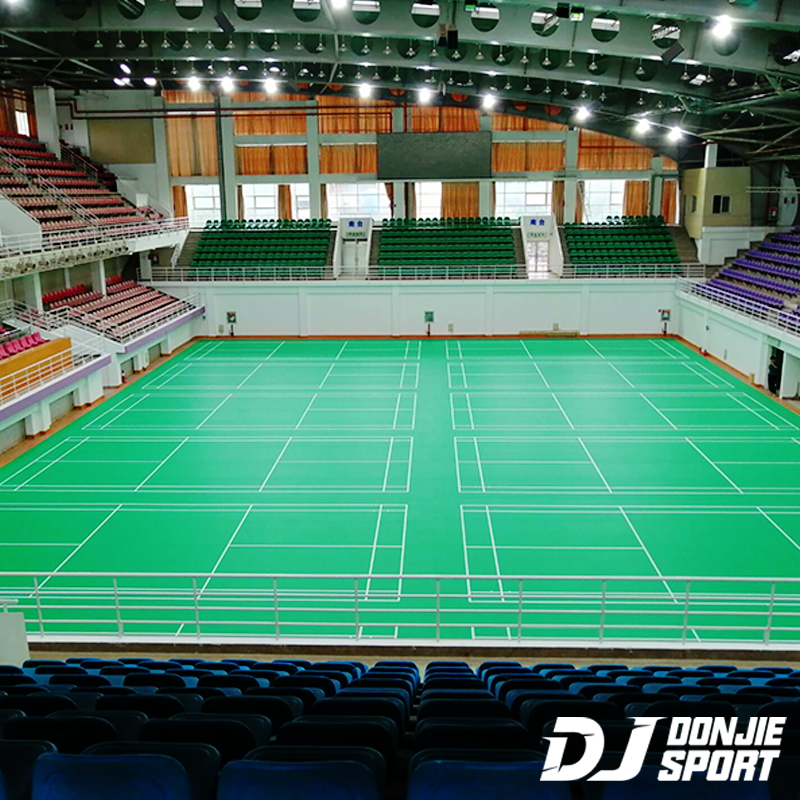
Installation Process: What to Expect During Your Gymnasium Floor Installation
Once you’ve selected the perfect gymnasium floor, it’s time to focus on the installation process. The quality of the installation is just as important as the material you choose.
Understanding the Steps Involved in Professional Installation
Professional installation is key to ensuring your floor performs as expected. The process typically involves surface preparation, followed by the precise laying of the flooring materials. This step is critical to ensure proper alignment and that the floor meets safety standards.
Preparation and Timing Considerations
Before installation begins, make sure your gymnasium space is properly prepared. This includes ensuring the surface is clean, level, and free of debris. Timing is also a consideration—plan your installation during off-peak times to minimize disruption to your facility.
How to Avoid Common Installation Mistakes
One of the most common mistakes during floor installation is inadequate subfloor preparation. Ensure that the professional installers you hire are experienced and familiar with the specific requirements of gymnasium floor installation. Poor installation can lead to costly repairs down the road.
Budgeting and Cost Considerations for Your Gymnasium Floor
Gymnasium flooring can be a significant investment, so it’s important to budget accordingly.
Evaluating Cost vs. Quality in Gymnasium Flooring
When budgeting for gymnasium flooring, don’t compromise on quality for the sake of saving money. A durable floor will save you money in the long run by requiring less frequent repairs and replacements. Consider the overall lifecycle cost, including maintenance and installation, when evaluating your options.
Factors Influencing Pricing
The cost of gymnasium flooring can vary widely depending on the material, size, and customization. For example, hardwood floors are typically more expensive than synthetic options, but may be worth the investment if your facility is dedicated to a single sport, such as basketball.
Budgeting for Installation and Future Maintenance
In addition to the cost of the floor itself, be sure to factor in installation fees and ongoing maintenance costs. A well-maintained floor will last longer, so investing in professional cleaning and care can extend its lifespan.
Creating the Perfect Gymnasium Floor for Your Facility
Choosing the right gymnasium floor is a complex process that involves careful consideration of safety, material, design, and long-term maintenance. By evaluating your facility’s specific needs and prioritizing quality and durability, you can create a floor that enhances both the functionality and appearance of your gymnasium. With the right flooring in place, your facility will provide a safe, high-performing environment for athletes for years to come.