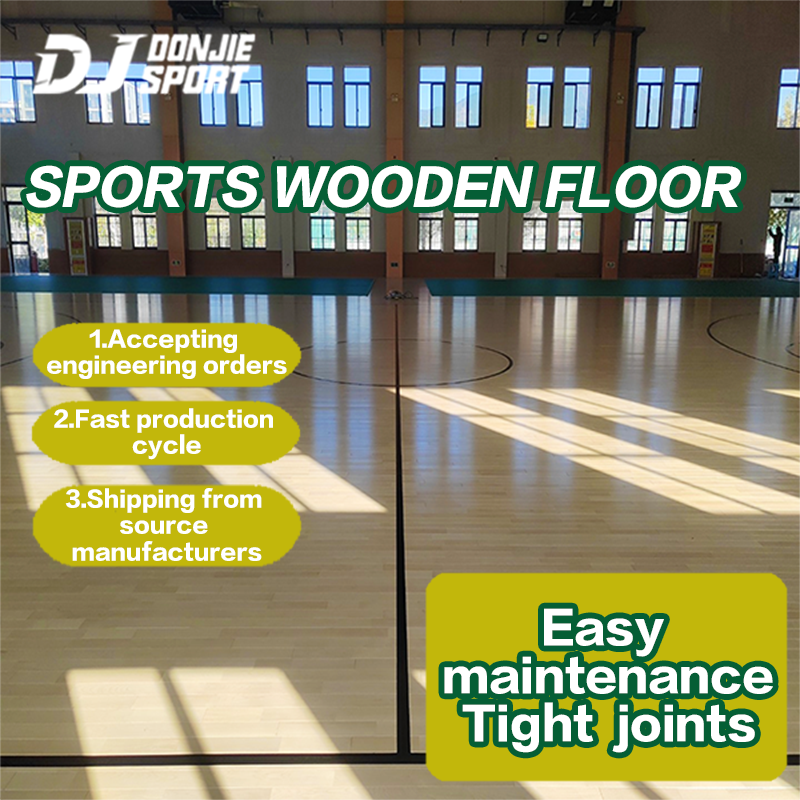
When it comes to basketball courts, the safety of players is the top priority. One crucial aspect of court safety is ensuring that the flooring is both durable and slip-resistant. Basketball court wood flooring is a popular choice due to its aesthetic appeal and performance benefits, but maintaining a safe surface is essential to prevent accidents and injuries. In this guide, we’ll cover everything you need to know about ensuring your basketball court wood flooring remains slip-resistant, safe, and long-lasting.
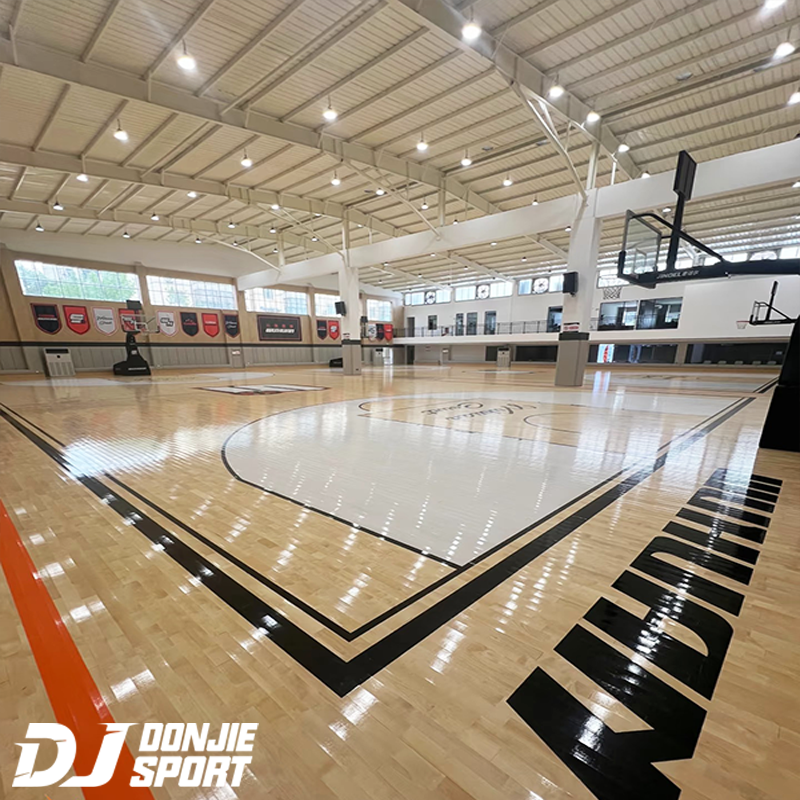
Choosing the Right Wood for Basketball Court Flooring
The first step in creating a safe and slip-resistant basketball court is selecting the right type of wood. Not all woods are created equal, and the choice of material can impact both the safety and performance of the court.
Common Types of Wood for Basketball Courts:
-
Maple: This is the most commonly used wood for basketball courts because of its durability and smooth texture. It provides a hard, flat surface ideal for sports.
-
Oak: Oak is another option, though it tends to be less common than maple due to its denser grain, which can sometimes cause slight slipperiness.
-
Birch: While less common, birch is sometimes used for basketball courts due to its affordability and smooth finish.
What to Consider for Safety:
-
Hardness and Texture: Hardwood flooring, such as maple, offers an ideal balance of durability and slip-resistance. Softer woods, while cheaper, may wear down more quickly and lose their grip over time.
-
Moisture Resistance: Wood flooring should be treated to resist moisture, as wood absorbs water, leading to slippage and potential warping.
Choosing the right wood ensures that the flooring will withstand the heavy use of a basketball court while maintaining a smooth, safe surface for players.
Understanding the Importance of Slip-Resistance
Slip-resistance is crucial in basketball court flooring, as players make quick, sudden movements and need to maintain traction. A slip-resistant surface helps prevent falls, twists, and other injuries.
The Science Behind Slip-Resistance:
Wood, by nature, has some degree of slip-resistance due to its grain and texture. However, the surface can become slippery when it’s exposed to moisture, dirt, or oils from shoes. The type of finish applied to the wood will also affect its traction properties.
Common Causes of Slip Hazards:
-
Wet or Dirty Floors: Moisture and dust on the court can significantly reduce the friction between shoes and the floor.
-
Polished Surfaces: While polished wood floors look beautiful, they can become dangerously slick if not properly treated with anti-slip coatings.
-
Worn-Out Coatings: Over time, the slip-resistant coatings applied to wood floors can wear down, leading to an increased risk of slipping.
Maintaining a non-slippery surface is essential for player safety, especially when the court is being used frequently.
Surface Treatments and Coatings for Enhanced Safety
One of the most effective ways to ensure basketball court wood flooring remains slip-resistant is by applying a surface treatment or coating. These treatments enhance the wood’s natural grip and reduce the chances of slippage.
Non-Slip Coatings and Finishes:
-
Polyurethane Coating: A polyurethane finish is commonly used on basketball courts to enhance both durability and slip-resistance. It provides a hard, protective layer that resists moisture and dirt.
-
Matte or Satin Finishes: These finishes reduce shine and gloss, which can sometimes make the surface slippery, offering a more natural texture that increases traction.
-
Anti-Slip Sealers: These specialized coatings are designed specifically for sports flooring to provide additional grip without compromising the wood’s natural appearance.
By selecting the right coating, you can enhance the court’s safety while maintaining its aesthetic appeal.
Proper Installation and Maintenance for Long-Term Safety
Installing basketball court wood flooring correctly is just as important as the materials used. Even the best wood flooring can become unsafe if installed improperly or maintained poorly.
Installation Tips for Safety:
-
Even Surface Levels: Ensuring the wood is installed level and free of bumps or gaps is crucial for player safety. Any uneven surfaces can lead to tripping hazards.
-
Moisture Control: Wood is susceptible to moisture, so it’s essential to ensure that the subfloor is properly sealed and that the wood is acclimated to the environment before installation.
Maintenance to Preserve Safety:
-
Regular Cleaning: Keeping the floor clean is essential for preventing debris, dust, and dirt from building up. A clean floor reduces the risk of slipping.
-
Periodic Inspections: Inspect the flooring regularly for signs of wear, cracks, or damage. A floor with cracks or chips can create tripping hazards.
-
Refinishing the Surface: Over time, the protective coatings may wear down. Refinishing the court every few years ensures that the surface remains slip-resistant and aesthetically pleasing.
Proper maintenance not only extends the life of your basketball court wood flooring but also ensures that it remains safe to use.
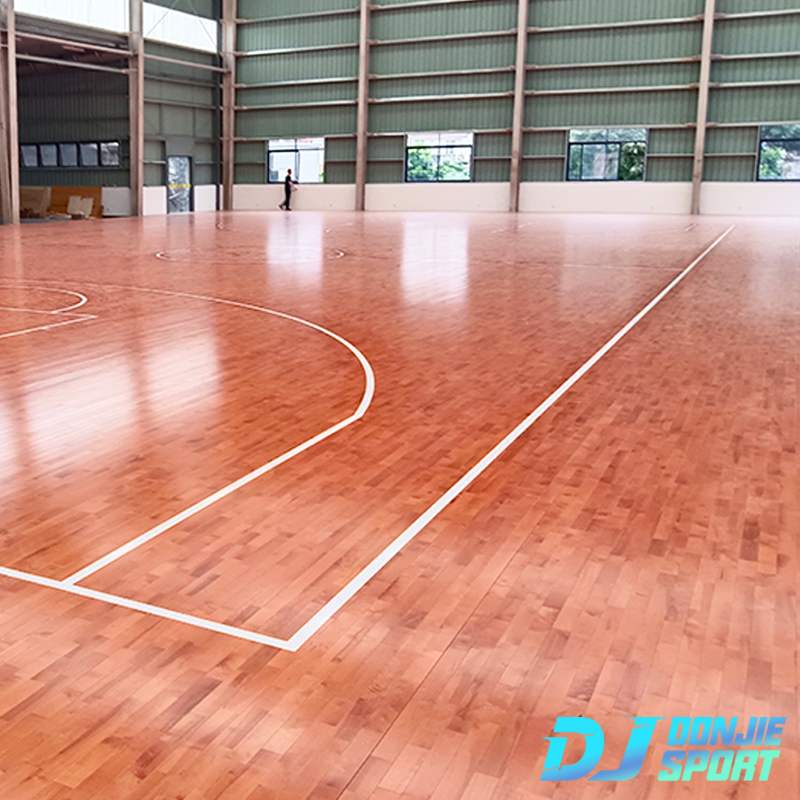
The Role of Court Layout and Design in Safety
Court design and layout also play a significant role in ensuring player safety. The layout must be carefully planned to minimize the risk of slips and falls.
How Court Markings and Boundaries Affect Safety:
-
Non-Slip Markers: Ensure that court markings, such as the key, three-point line, and free-throw line, are designed with slip-resistant materials.
-
Court Size and Spacing: Ensure there is enough space around the court for players to safely maneuver without hitting walls or equipment.
Design Considerations for Slip Prevention:
-
Adequate Lighting: Proper lighting on the court ensures that players can see the surface clearly, reducing the risk of accidental slips.
-
Floor Space: Keep a buffer zone around the court free of clutter. This not only improves safety but also aids in court maintenance.
By designing the court with safety in mind, you can help prevent accidents before they happen.
Safety Tips for Players and Coaches
Educating players and coaches about court safety is equally important for preventing injuries. Everyone on the court should be aware of the role they play in maintaining a safe playing environment.
Proper Footwear:
-
Players should wear shoes with non-slip soles to provide better traction on the wood flooring. Basketball shoes are specifically designed for this purpose.
Cleanliness:
-
Players should ensure their shoes are free of dirt and moisture before stepping onto the court. A quick wipe-down with a towel can help prevent transferring moisture from shoes to the floor.
Repairs and Maintenance:
-
Players should report any damaged areas or wet spots on the court immediately. Prompt repairs can prevent small issues from becoming major hazards.
The Benefits of Investing in High-Quality Basketball Court Wood Flooring
Choosing high-quality wood flooring for your basketball court comes with many benefits beyond slip-resistance. While the initial investment may be higher, the long-term rewards make it worth considering.
Durability and Safety:
-
High-quality wood floors are more durable and resistant to wear and tear, ensuring they maintain their performance and safety for years.
-
They are also easier to maintain, requiring fewer repairs and refinishing jobs.
Improved Player Performance:
-
A properly maintained and slip-resistant wood floor enhances player performance by providing a consistent, reliable surface for quick movements.
Cost-Effectiveness Over Time:
-
Investing in high-quality materials means you’ll spend less on repairs and replacements in the long run. The cost per use over the floor’s lifetime is significantly reduced.
Conclusion
Ensuring that your basketball court wood flooring is safe and slip-resistant involves choosing the right materials, applying appropriate surface treatments, maintaining the floor regularly, and educating players on safe practices. By following these steps, you can create a court that not only looks great but also provides a secure environment for players.