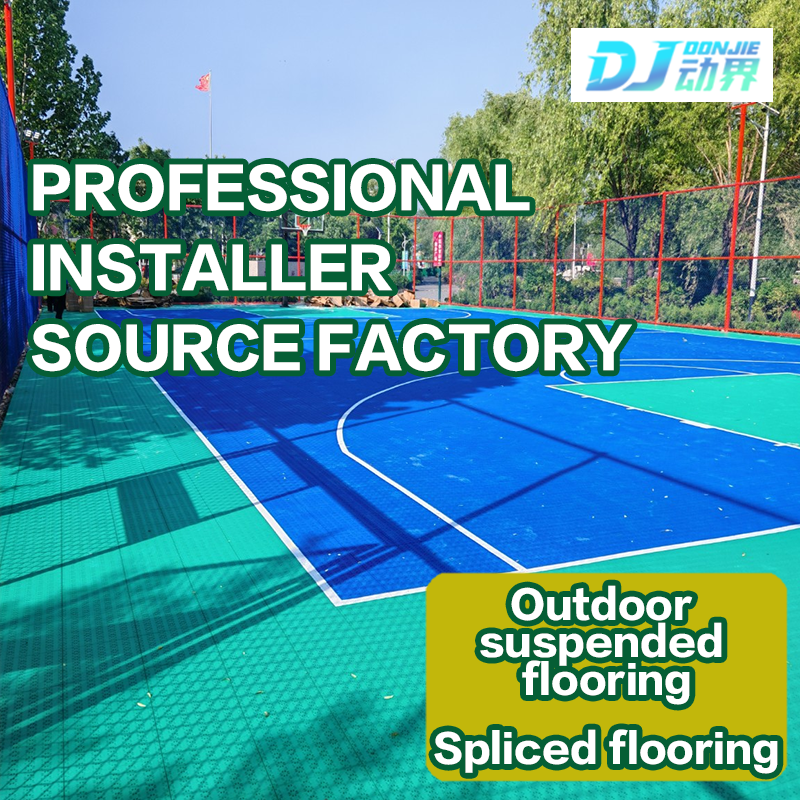
When it comes to designing or upgrading your outdoor basketball court, choosing the right flooring is crucial. Basketball court tiles offer a number of benefits that make them a great option for outdoor sports venues. These tiles are specifically engineered to provide a high-performance playing surface, ensuring that athletes can enjoy a reliable and safe environment, no matter the weather conditions.
One of the key advantages of basketball court tiles is their durability. Made from strong materials like high-quality plastic or rubber, these tiles can withstand the rigors of outdoor sports, including heavy foot traffic, intense games, and exposure to various weather conditions. Whether you’re building a new court or refurbishing an old one, basketball court tiles are a smart choice for long-lasting performance.
Additionally, basketball court tiles are designed for easy installation. Unlike traditional poured concrete or asphalt courts, interlocking tiles can be quickly laid down without the need for professional contractors. This not only saves time but also reduces installation costs. Whether you’re a sports facility manager or a homeowner creating a personal court, basketball court tiles offer a cost-effective, hassle-free solution to transforming your outdoor space.

Understanding the Types of Basketball Court Tiles
Before diving into the installation process, it’s essential to understand the different types of basketball court tiles available and how they impact the installation and performance of your court. Choosing the right tiles for your outdoor sports venue will ensure that the court not only looks good but also provides the best playing experience.
Interlocking Tiles vs. Traditional Tiles
Interlocking basketball court tiles are a popular choice for outdoor sports venues due to their ease of installation and versatility. These tiles feature an interlocking mechanism that allows them to snap together without the need for adhesives or fasteners. This makes them easy to install and replace if necessary, as well as allowing for easy maintenance.
Traditional basketball court tiles, on the other hand, may require glue or screws for installation, which can be more time-consuming and expensive. While they may offer slightly different aesthetic options, they do not provide the same flexibility and ease of use as interlocking tiles.
Material Options: Plastic, Rubber, and Others
Basketball court tiles are typically made from durable materials such as high-density polyethylene (HDPE) plastic or rubber. Plastic tiles are lightweight, UV-resistant, and offer excellent drainage, making them ideal for outdoor installations where weather conditions are a concern. These tiles are also resistant to cracking, ensuring long-term durability.
Rubber tiles, while often heavier, provide excellent cushioning and shock absorption, which can reduce the impact on players’ joints. They’re also more slip-resistant, making them a safer choice for high-intensity games.
Other materials, such as wood or composite tiles, are less commonly used outdoors due to their susceptibility to moisture and weather damage. It’s important to consider the climate of your location and the type of play that will take place on the court before deciding on the material.
Preparing Your Outdoor Space for Basketball Court Tiles
Proper preparation is key to ensuring that your basketball court tiles are installed securely and last for years to come. Here’s what you need to do to get your outdoor space ready:
Step 1: Measuring the Area and Planning the Layout
Start by measuring the area where you plan to install the basketball court tiles. This will help you determine how many tiles you need and what layout will work best for the space. Take into account the dimensions of a standard basketball court and any additional space for safety zones and out-of-bounds areas.
Step 2: Preparing the Surface
The surface where you lay your tiles must be clean, level, and smooth. If your outdoor area is uneven or has debris, use a shovel and rake to remove any large stones or weeds. You may also need to add a layer of sand or gravel to fill in low spots and level the ground. Compact the surface to ensure it’s stable and solid.
Tools and Materials Required
You’ll need basic tools for the installation process, including a rubber mallet for tapping the tiles into place, a utility knife for trimming edges, and a measuring tape. Additionally, make sure you have enough tiles for the entire court and any necessary accessories like edging pieces or expansion joints.
Step-by-Step Guide to Installing Basketball Court Tiles
Now that your space is prepared, it’s time to start installing the basketball court tiles. Follow these simple steps to ensure a professional finish:
Step 1: Laying the First Tile and Working from One Corner
Begin in one corner of the area and lay the first tile down. Make sure it’s properly aligned with the edge of your court layout. This tile will serve as your anchor for the rest of the tiles. It’s essential to get this first one in place correctly, as any misalignment will affect the entire installation.
Step 2: How to Interlock Tiles Correctly for Seamless Integration
Next, begin laying the rest of the tiles, interlocking them with the first tile. Ensure each tile is firmly pressed together to avoid gaps or unevenness. Use a rubber mallet to tap the tiles into place, ensuring a secure fit. Work your way across the court, row by row, until the entire area is covered.
Step 3: Ensuring a Secure Fit and Checking Alignment
As you go along, double-check that each row of tiles is aligned properly and that the surface remains level. If you notice any misalignment, gently lift the tiles and reposition them. It’s important to ensure the tiles are snugly fit to prevent any shifting during use.
Step 4: Trimming and Finishing Edges
Once you’ve completed the main surface, you may need to trim tiles along the edges to fit the dimensions of the court. Use a utility knife or a tile cutter to carefully trim the tiles to the correct size. Be sure to leave a small gap around the edges to allow for expansion and contraction due to temperature changes.
Step 5: Tips for Ensuring a Smooth, Level Surface
When installing the tiles, check regularly with a level to ensure the surface is even. This will prevent any uneven wear or damage to the tiles over time. Also, consider adding an expansion joint or border tiles around the edges of the court to accommodate movement due to temperature fluctuations.

Maintenance and Care Tips for Outdoor Basketball Court Tiles
After your basketball court tiles are installed, it’s important to keep them in good condition. Here are some tips for maintaining your court:
Regular Cleaning and Maintenance
Sweep the court regularly to remove debris, dirt, and leaves. A pressure washer can be used for a deeper clean, but avoid high-pressure settings that could damage the tiles. Occasionally, use a mild detergent mixed with water to clean any stubborn stains.
Handling Wear and Tear from Weather or Heavy Use
Weather and heavy foot traffic can take a toll on your court over time. Inspect the tiles periodically for any cracks, chips, or other damage. If you notice any issues, replace the damaged tiles immediately to maintain the integrity of the playing surface.
Enhancing Your Outdoor Sports Venue with Basketball Court Tiles
Installing basketball court tiles is an excellent way to create a durable, high-performance surface for your outdoor sports venue. Not only do these tiles offer superior durability and ease of installation, but they also provide a professional look that will impress players and spectators alike. By following this guide, you can ensure that your court remains in top condition, ready for action at any time.
Whether you’re a facility manager or a homeowner, basketball court tiles are a smart investment that will enhance the performance and aesthetics of your outdoor sports venue. Don’t forget to consider the material options, prepare your space properly, and maintain your tiles regularly to ensure long-lasting success.