Installing Pickleball Court Flooring correctly is essential for creating a safe, durable, and high-performance playing environment. Whether for a recreational facility, sports club, school gym, or professional venue, proper installation directly affects player comfort, traction, ball response, and long-term maintenance costs. A well-installed Pickleball Court Flooring system not only enhances gameplay but also protects the underlying surface and maximizes return on investment.
Site Assessment
Before beginning installation, thoroughly assess the installation site:
Dimensions: Verify that the area meets the minimum dimensions for a pickleball court (standard court: 30ft x 60ft, with additional clearance recommended around the perimeter)
Levelness: Check that the surface is level, with no more than 1/8″ deviation over a 10ft span
Drainage: For outdoor installations, ensure proper drainage away from the court area
Obstructions: Identify and address any obstructions such as sprinkler heads, utility access points, or vegetation
Surrounding Area: Consider access for materials delivery and installation equipment
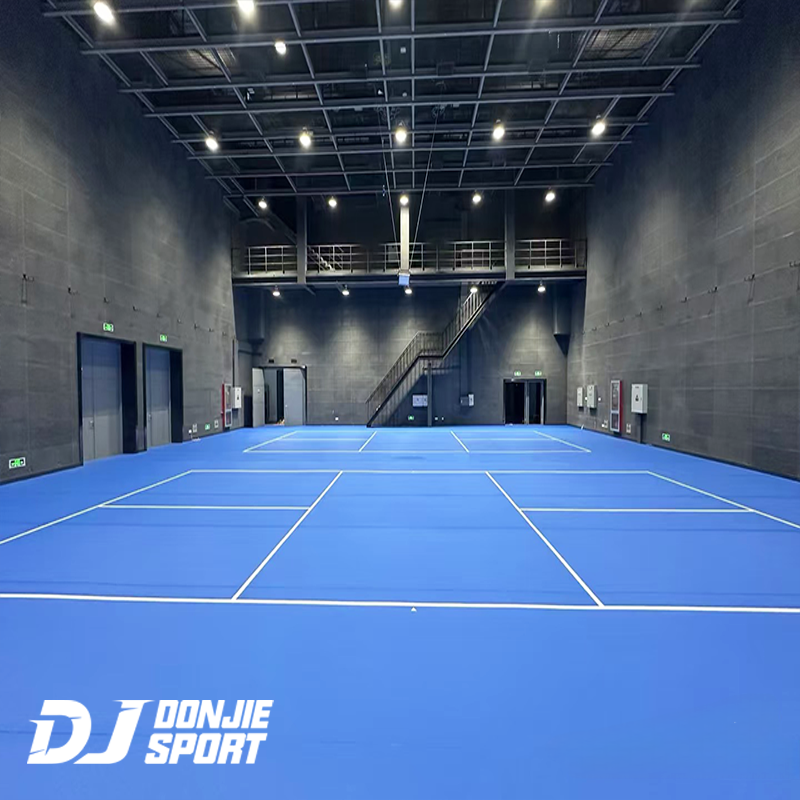
Choose Court Surface Materials
If you are building your outdoor pickleball court from scratch, or if you have an existing court that needs revamping, you will need to choose what type of court surface is best for you. Common types of court surface materials for pickleball include the following:
Concrete: This type of outdoor court surface is the best in terms of both durability and value.
Asphalt: This can be a good option if you want to go a more affordable route, but it can require additional upkeep.
PVC Flooring: PVC Flooring court surfaces can be applied over asphalt or concrete which can be helpful when you want to permanently alter the surface of a multi-use court.
Preparation and Tools
When you get professional, permanent line markings on your indoor pickleball courts, you’re sure to provide an exceptional experience for those who play. However, if you want to ensure you want permanent line markings before installing them, take a step in that direction by first marking lines on your multipurpose courts. Here’s what you’ll need to do so:
Green Frog Tape to create line stencils. This type of tape adheres better to the court and won’t leave residue when removed. It won’t interfere with tennis court lines. Each new court will take a minimum of 200 feet of tape.
Court Dimensions and Markings
Proper marking of the court lines is essential for ensuring fair play. Use high-quality, durable paint or tape that can withstand frequent use. Accurate court markings ensure that players have a clear understanding of boundaries and can enjoy the game without disputes. Regular maintenance of these markings will help them remain visible and effective over time.
Step-by-Step Pickleball Court Flooring Installation Process
The Pickleball Court Flooring installation process varies by material but follows a structured sequence. Flooring materials should be acclimated to the environment before installation. Layout planning begins at a central reference point, ensuring symmetrical placement. Flooring is installed gradually, maintaining consistent alignment and spacing.
Installing Indoor Pickleball Court Flooring Systems
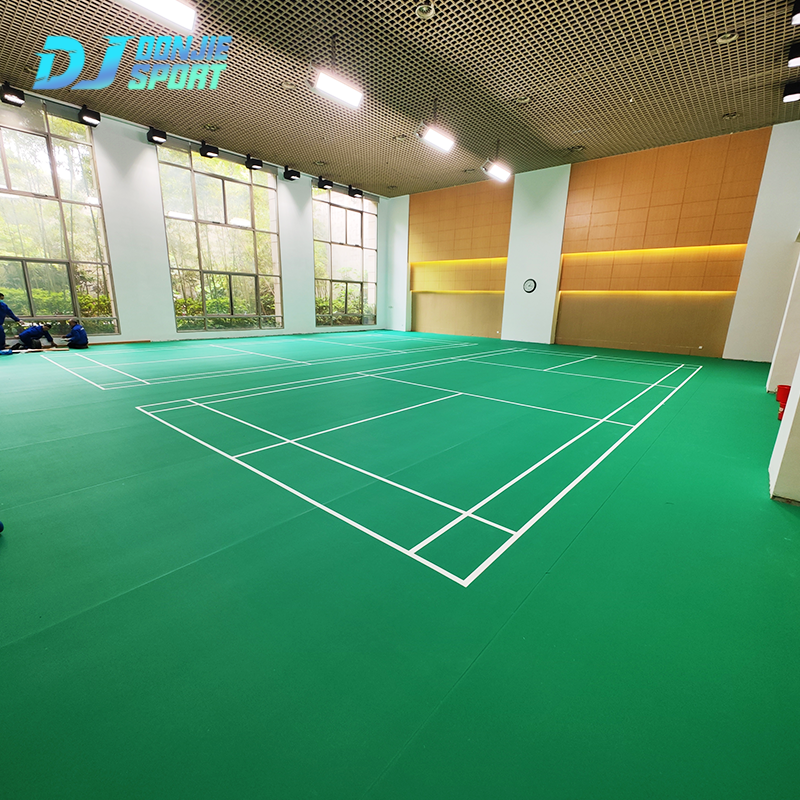
Indoor Pickleball Court Flooring installation often involves PVC or rubber materials that provide shock absorption and comfort. Adhesive-based systems require even adhesive application and rolling to eliminate air pockets. Interlocking systems must be installed with proper expansion gaps to accommodate temperature changes.
Installing Outdoor Pickleball Court Flooring Systems
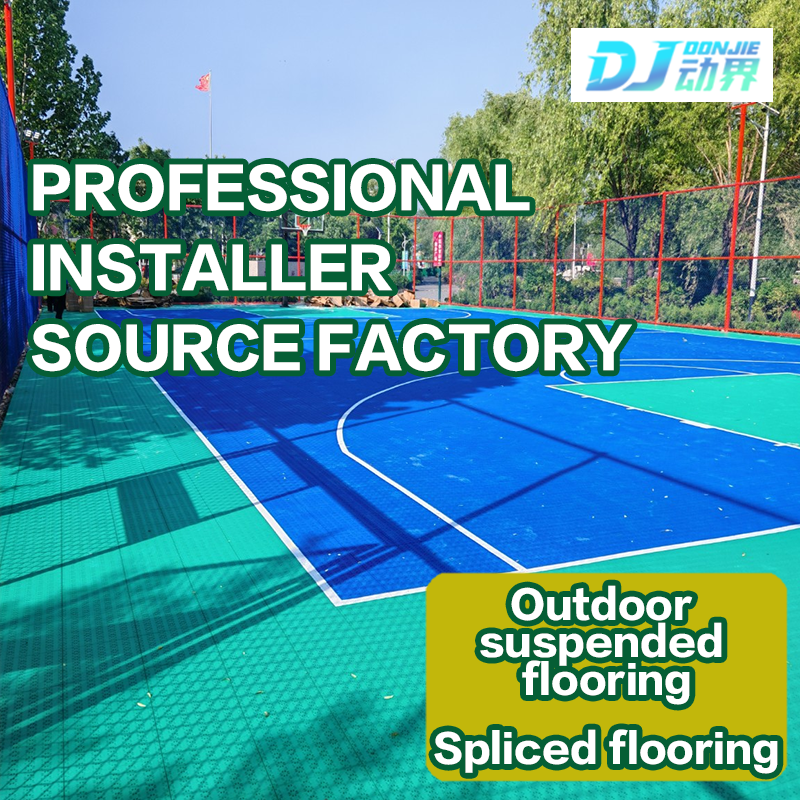
Outdoor Pickleball Court Flooring installation focuses on durability and weather resistance. Modular tiles are commonly used due to their drainage capabilities. Installation begins from one corner, locking tiles securely while maintaining consistent directional alignment. Expansion gaps are critical to prevent buckling under heat.
Adhesive and Interlocking Methods for Pickleball Court Flooring
Different Pickleball Court Flooring systems use different attachment methods. Adhesive installations provide a seamless finish and enhanced stability, while interlocking systems allow faster installation and easier replacement. Choosing the correct method depends on usage intensity, environment, and maintenance needs.
Ensuring Proper Alignment and Seam Finishing
Seam alignment plays a major role in the appearance and performance of Pickleball Court Flooring. Poor seam finishing can cause tripping hazards and visual distractions. Seams should be tightly fitted, rolled, and inspected throughout installation to ensure uniformity.
Line Marking and Court Graphics on Pickleball Court Flooring
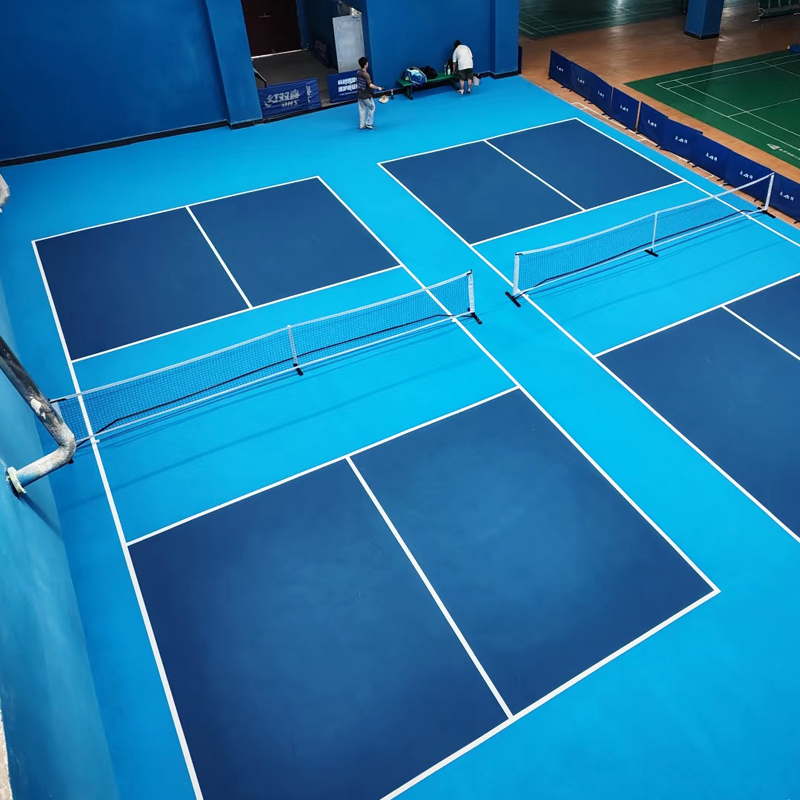
Once the Pickleball Court Flooring is installed, court lines and graphics are applied. Accurate line marking is essential for official play. Specialized paints or pre-marked flooring systems should be used to ensure durability and visibility without compromising surface traction.
Post-Installation Inspection and Quality Checks
After installation, a comprehensive inspection verifies that the Pickleball Court Flooring meets performance and safety standards. This includes checking surface flatness, seam integrity, line accuracy, and adhesion strength. Any issues should be corrected before the court is opened for play.
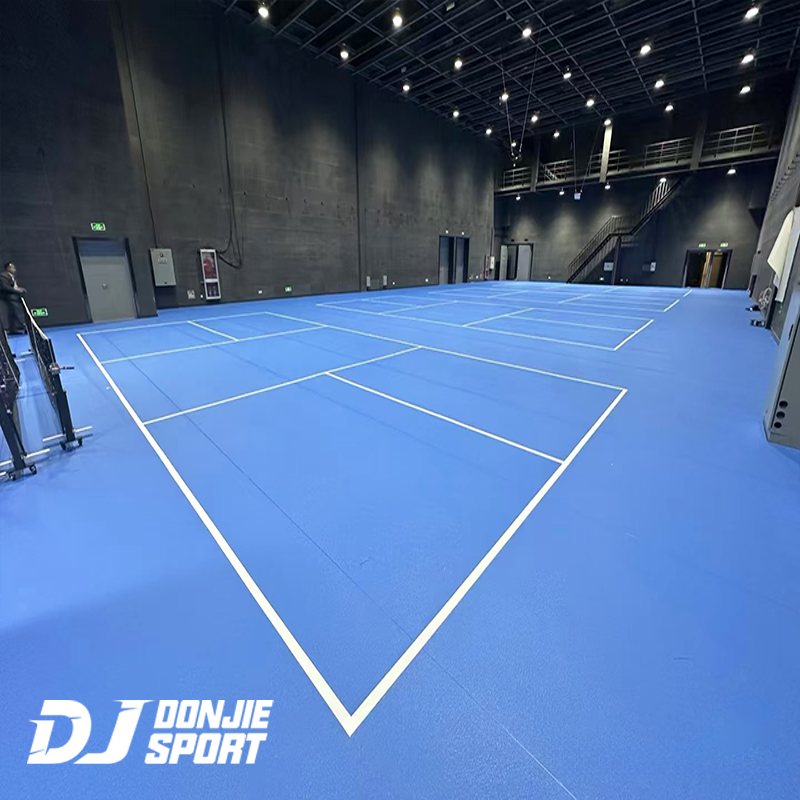
Maintenance Tips After Installing Pickleball Court Flooring
Proper maintenance extends the lifespan of Pickleball Court Flooring. Regular cleaning, prompt spill removal, and periodic inspections prevent surface degradation. Following manufacturer-recommended care guidelines preserves traction, appearance, and performance.
How Professional Installation Enhances Pickleball Court Flooring Lifespan
Professional installation ensures that Pickleball Court Flooring performs as intended. Experienced installers understand material behavior, environmental factors, and technical requirements, resulting in a surface that maintains performance and appearance for years.
Final Thoughts on Installing Pickleball Court Flooring Correctly
Installing Pickleball Court Flooring requires precision, planning, and attention to detail. When installed correctly, the flooring enhances safety, improves gameplay, and reduces long-term costs. A systematic installation approach ensures reliable performance for both recreational and competitive pickleball environments.