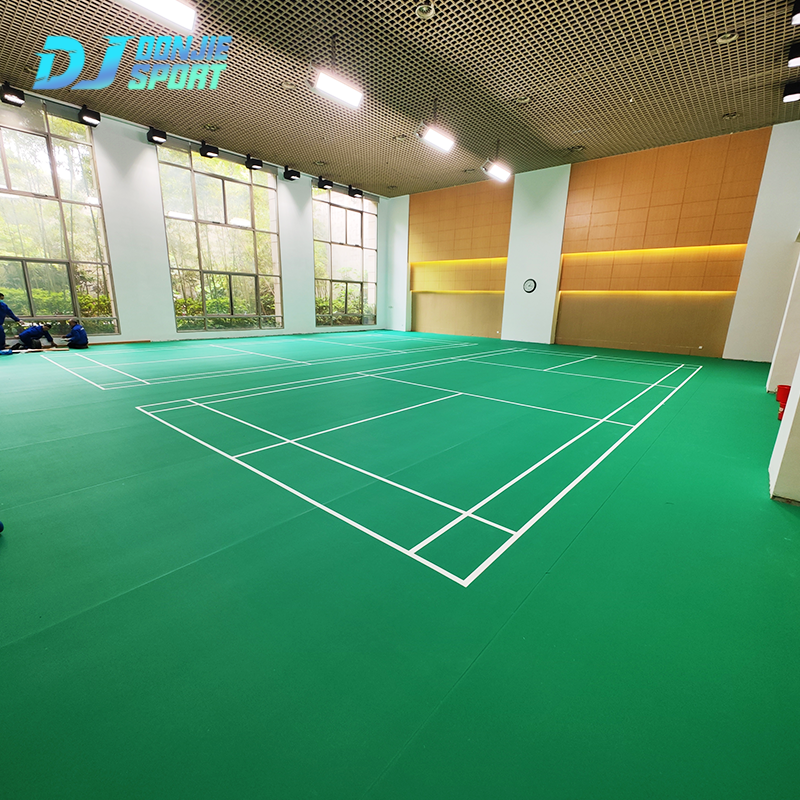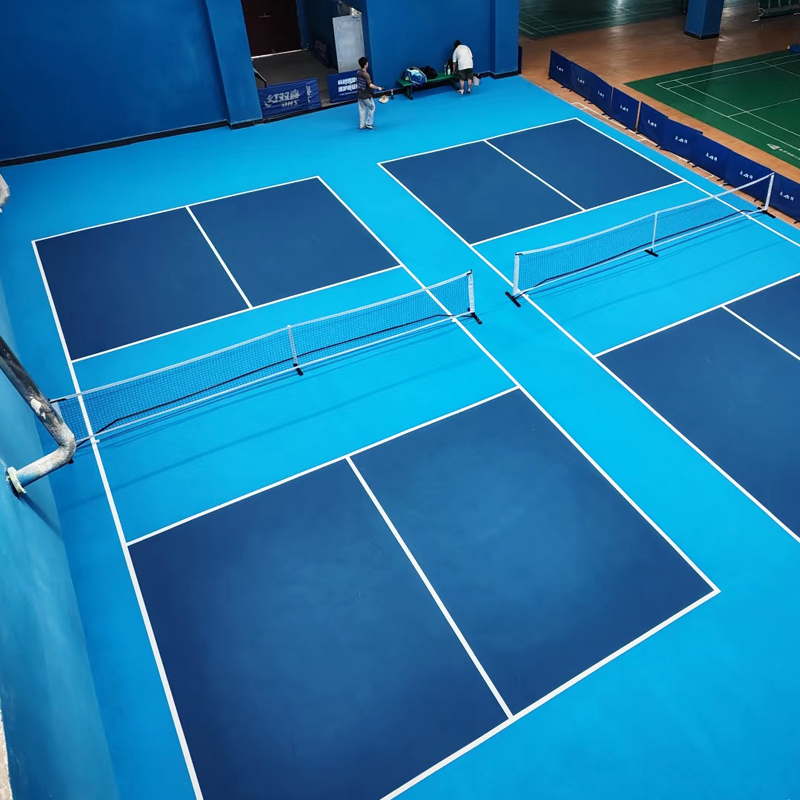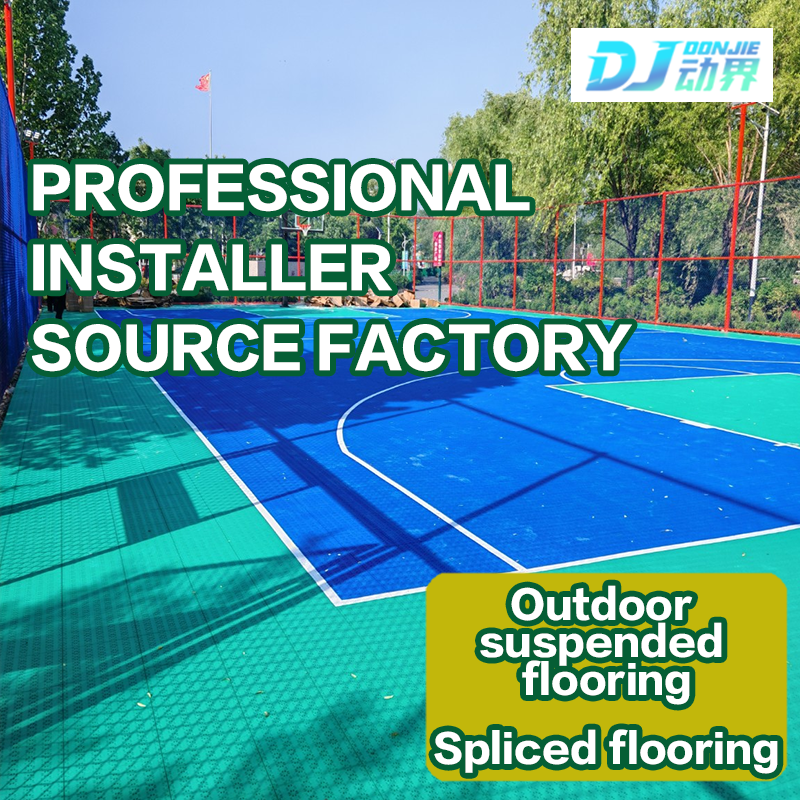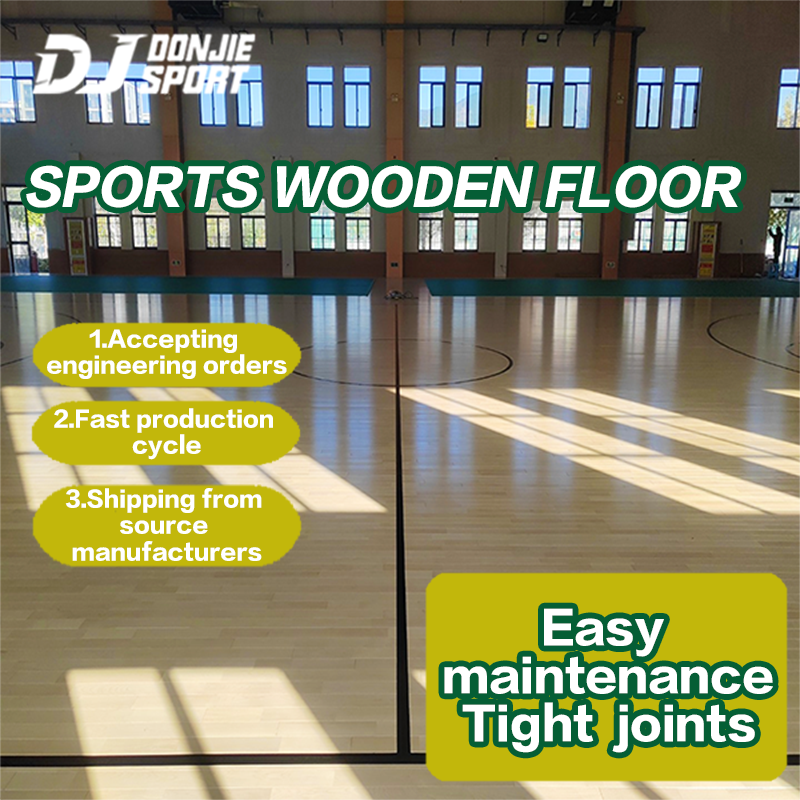
Badminton Court Flooring plays a crucial role in the safety, performance, and overall experience of players. Whether for professional sports facilities or community gyms, keeping your flooring clean and in top condition ensures optimal traction, prevents injuries, and extends the lifespan of your court. However, without a consistent maintenance routine, even high-quality flooring can deteriorate, leading to costly repairs or replacements. This guide will provide practical strategies to maintain your Badminton Court Flooring, from daily cleaning habits to long-term preventive measures.
Understanding Your Badminton Court Flooring
Different Types of Badminton Court Flooring
Badminton Court Flooring comes in several materials, each requiring specific care. Wooden flooring offers a classic look and excellent shock absorption but is prone to scratches and moisture damage. PVC and synthetic flooring are more durable and resistant to wear, but improper cleaning can lead to dull surfaces and reduced grip. Understanding your flooring type is essential before implementing any cleaning routine.
How Flooring Type Affects Maintenance
Wooden floors need gentle cleaning with pH-neutral solutions and careful moisture control, while PVC or synthetic floors can handle slightly more robust cleaning methods. Regular inspections are particularly important for wooden surfaces, which may warp or crack if exposed to excessive moisture or heavy impact.
Common Problems from Neglect
Neglecting flooring maintenance can lead to dirt accumulation, scuff marks, uneven surfaces, and even mold growth in high-humidity environments. These issues compromise player safety and can shorten the life of your Badminton Court Flooring.

Daily Maintenance Tips for Badminton Court Flooring
Sweeping and Dust Removal
Daily sweeping or using a soft-bristle vacuum prevents dirt, dust, and debris from scratching or dulling the surface. Pay special attention to corners and areas near the net posts where debris tends to accumulate.
Spot Cleaning for Spills and Stains
Immediate attention to spills—such as water, sweat, or sports drinks—prevents staining and reduces the risk of slippery spots. Use a damp cloth or mop with mild, non-abrasive cleaner suitable for your flooring type.
Maintaining Proper Indoor Climate
Humidity and temperature control is critical for wooden flooring, preventing warping or expansion. Even synthetic floors benefit from stable conditions, which help maintain traction and surface integrity.
Weekly and Monthly Cleaning Routines
Wet Mopping Techniques
Weekly wet mopping removes accumulated dirt and grime. Use a damp mop—not soaking wet—to avoid water damage, particularly on wooden courts. For PVC or synthetic flooring, ensure that cleaning solutions are pH-neutral and do not leave a sticky residue.
Using Non-Abrasive, pH-Neutral Cleaners
Avoid harsh chemicals, ammonia-based cleaners, or abrasive scrubbing pads that can erode your flooring surface. Select products specifically designed for sports flooring.
Inspecting for Wear or Damage
A monthly inspection can reveal minor scratches, dents, or loose tiles before they worsen. Early detection allows for timely repairs, maintaining the flooring’s performance and appearance.
Preventive Measures to Protect Your Flooring
Using Protective Mats
Place mats at entrances to reduce dirt, mud, and moisture tracked onto the court. This simple measure significantly reduces surface wear and cleaning needs.
Proper Footwear Requirements
Encourage players to wear clean, non-marking shoes to prevent scuffs and dirt transfer. Avoid outdoor shoes or footwear with hard soles on your Badminton Court Flooring.
Avoiding Heavy Equipment
Do not drag heavy carts, benches, or storage equipment across the court, as these can cause scratches, dents, or surface deformation.
Dealing with Common Flooring Issues
Removing Stubborn Marks and Scuffs
Use a specialized floor cleaner or a soft eraser designed for sports flooring to remove scuffs. Avoid aggressive scrubbing, which can damage the surface.
Addressing Minor Scratches and Dents
Wooden floors may benefit from professional sanding or touch-up kits for small scratches. For PVC and synthetic flooring, minor dents often resolve with proper cleaning and light pressure over time.
Managing Moisture and Mold Prevention
Promptly address spills or water accumulation. Ensure proper ventilation and humidity control to prevent mold or mildew growth, which can compromise player safety and flooring durability.
Professional Maintenance and Long-Term Care
Scheduling Professional Cleaning or Resurfacing
Even with routine cleaning, professional maintenance every 1–2 years can restore traction, polish surfaces, and extend the life of your Badminton Court Flooring.
Tips for Extending Flooring Lifespan
Maintain consistent cleaning, limit exposure to heavy loads, and control indoor environmental conditions. Following the manufacturer’s maintenance guidelines is essential.
Cost-Effective Maintenance Strategies
Preventive measures, such as mats and proper footwear, reduce repair costs over time. Regular, moderate cleaning is more economical than dealing with extensive damage.
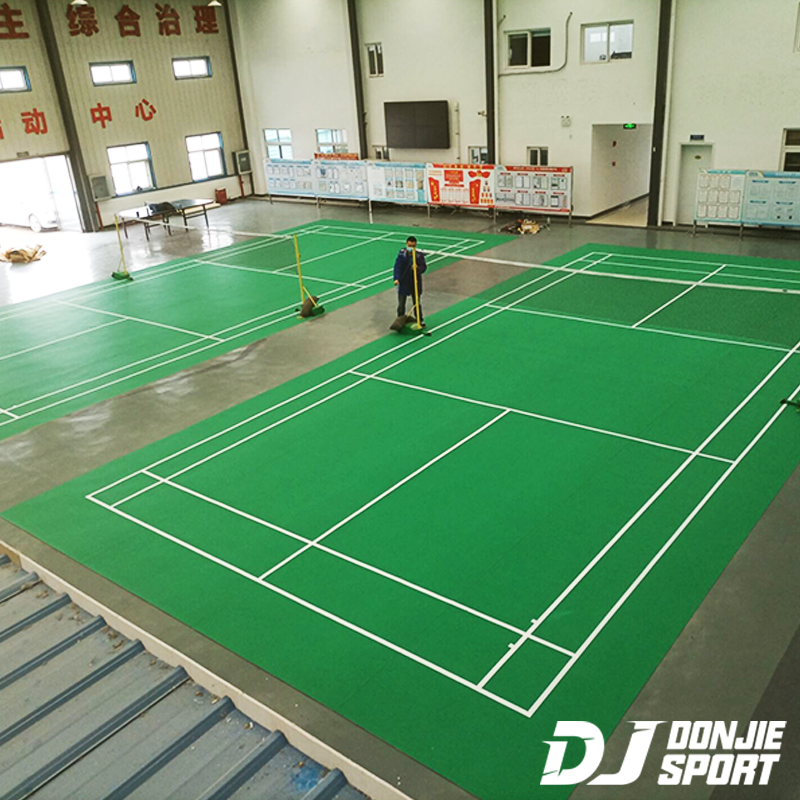
Creating a Maintenance Schedule for Optimal Performance
Daily, Weekly, and Monthly Checklist
Develop a routine checklist including sweeping, spot cleaning, wet mopping, and inspection. Assign responsibilities if multiple staff members use the facility.
Seasonal Adjustments and Deep-Cleaning Strategies
Seasonal changes may affect indoor humidity or dust levels. Deep clean the court quarterly to maintain optimal performance and safety.
Importance of Documentation
Keep a maintenance log to track cleaning routines, inspections, and repairs. This record helps anticipate future issues and maintain warranty compliance.
Conclusion
Maintaining your Badminton Court Flooring is essential for safety, performance, and aesthetics. By combining daily cleaning habits, weekly inspections, preventive measures, and professional maintenance, you can ensure your flooring remains in top condition for years. A well-cared-for court enhances player confidence, reduces injury risks, and protects your investment in sports facilities.