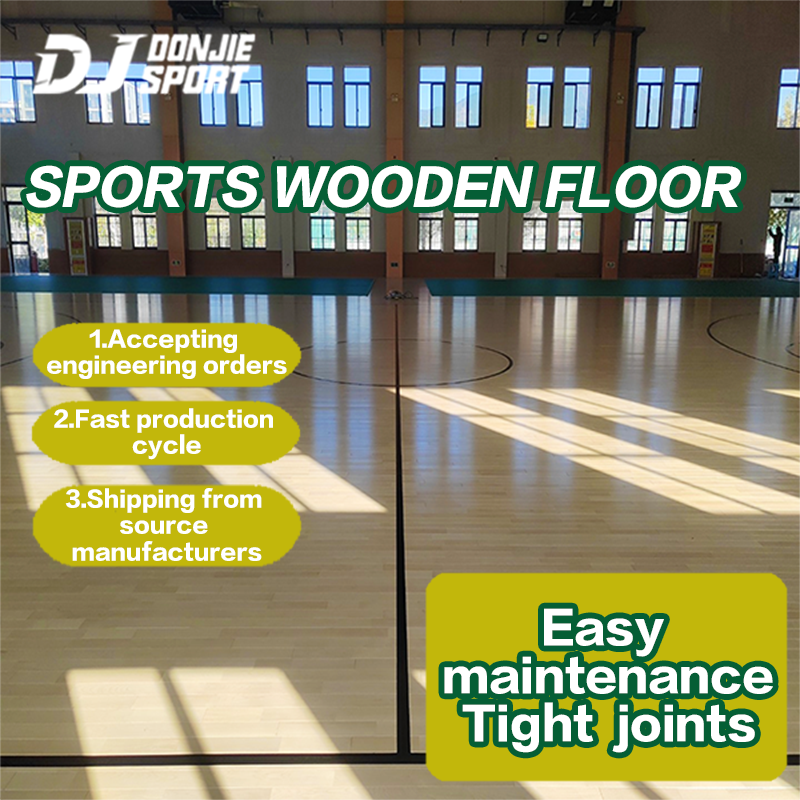
Maintaining basketball court hardwood flooring is crucial for ensuring the longevity of the court, preserving its aesthetic appeal, and promoting player safety. Hardwood floors, especially those used in high-traffic areas like basketball courts, require regular care to maintain their strength, smoothness, and overall performance. A well-maintained court provides a safer playing surface, reduces injury risks, and ensures consistent ball bounce, making the game more enjoyable for players.
In this guide, we’ll explore the essential steps you can take to maintain your basketball court hardwood flooring, from daily cleaning routines to deeper maintenance practices. By following these steps, you can ensure your court remains in top condition for years to come.
Understanding Basketball Court Hardwood Flooring
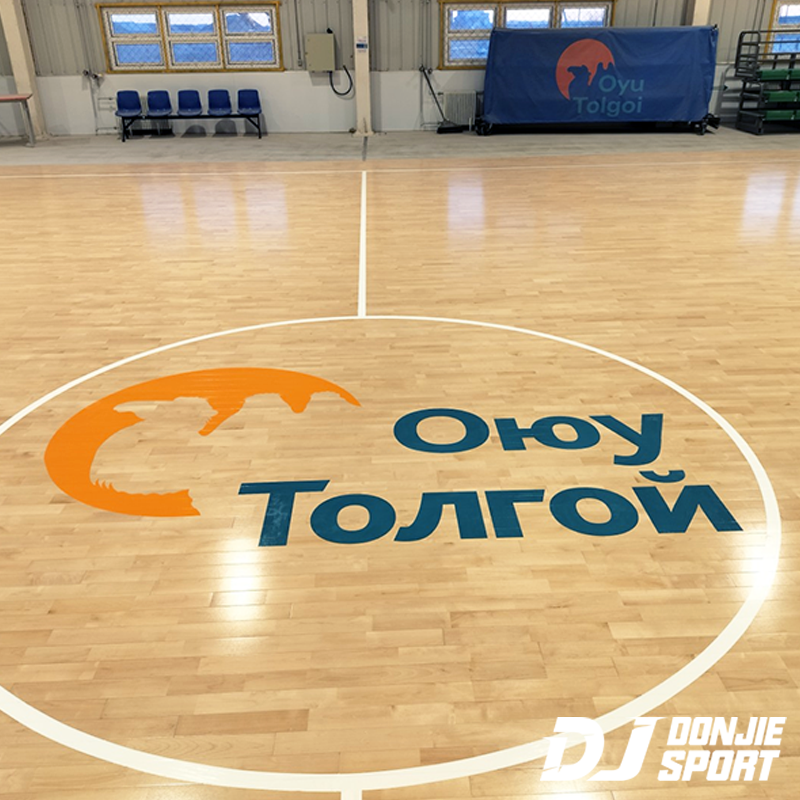
Hardwood flooring is a popular choice for basketball courts due to its durability, resilience, and high-quality performance. The wood typically used in these courts is maple, a strong, dense wood that can withstand heavy foot traffic and intense play. Hardwood basketball court floors are also chosen for their excellent shock absorption qualities, which help reduce the risk of player injuries and provide an optimal surface for the game.
Hardwood flooring is often finished with a protective coating, such as polyurethane, to enhance its longevity and to keep it looking new. However, even the most durable wood floors require regular care to maintain their functionality and appearance.
Daily Maintenance Tips for Hardwood Basketball Flooring
Proper daily care is the first step in maintaining your basketball court’s hardwood flooring. Regular cleaning prevents dirt, dust, and debris from accumulating, which can cause scratches and other damage over time.
-
Sweeping and Dusting Regularly: The first line of defense against dirt and debris is regular sweeping. Use a soft-bristle broom or a vacuum with a hardwood floor setting to remove dust and dirt. Sweeping the court at the end of each day or after each practice session will prevent particles from scratching the floor’s surface.
-
Using the Right Cleaning Tools: When mopping the court, always use a microfiber mop, as it is gentler on the wood than traditional string mops. Avoid wet mopping too often, as excessive moisture can seep into the wood and cause warping or swelling. A damp mop with a mild, hardwood-friendly cleaner is usually sufficient for daily cleaning.
-
Humidity Control: Hardwood floors are sensitive to changes in humidity, which can cause them to expand or contract. To prevent damage, maintain a consistent humidity level in the gymnasium. Use a dehumidifier or air conditioner during humid months to keep moisture levels in check and avoid warping or buckling of the wood.
Deep Cleaning and Periodic Care
In addition to daily cleaning, your basketball court’s hardwood flooring needs periodic deep cleaning to remove dirt and grime that can accumulate in harder-to-reach areas. Deep cleaning also refreshes the wood’s appearance and enhances its overall performance.
-
Cleaning Spills and Stains: Accidents happen, and spills are inevitable on the basketball court. It’s important to clean up any liquids immediately to avoid long-term damage. Use a soft cloth to blot, not wipe, the spill. For stubborn stains, use a gentle, wood-safe cleaning solution. Never use harsh chemicals like bleach, which can damage the finish.
-
Using the Right Cleaning Solutions: Stick to cleaning solutions that are designed for hardwood floors. Avoid excessive moisture when cleaning the court, and make sure to dry the surface immediately after mopping. If you are unsure of the best cleaning products to use, consult the flooring manufacturer or a professional cleaning service.
-
Professional Cleaning: While daily maintenance can be done in-house, it’s a good idea to schedule a professional cleaning once or twice a year. Professionals have the tools and expertise to deep clean the flooring, removing any embedded dirt and restoring the court’s shine.
Protecting the Flooring from Damage
Preventative measures can significantly reduce the risk of permanent damage to the basketball court flooring.
-
Preventing Scuff Marks and Scratches: Players often wear shoes with rubber soles, which can leave scuff marks on the floor. To prevent this, encourage players to wear clean, non-marking shoes. Additionally, using furniture pads on chairs and benches around the court can help reduce scratches from equipment.
-
Using Protective Mats: Placing protective mats or runners near high-traffic areas, such as the entryways and sidelines, can help protect the court from excessive wear and tear. These mats should be placed where players and equipment are most likely to make contact with the floor.
-
Regular Inspections: Periodically check the floor for cracks, dents, or areas of heavy wear. Addressing minor issues early can prevent them from becoming larger, more expensive repairs later.
Refinishing Hardwood Flooring for Longevity
Over time, even the most well-maintained hardwood flooring will show signs of wear. Refinishing is an essential part of maintaining the court’s surface, and it helps restore the wood’s appearance while providing additional protection.
-
When and Why to Refinish: Refinishing should be done every 3 to 5 years, depending on the amount of traffic the court receives. Signs that it may be time to refinish include visible scratches, discoloration, or a worn-out surface. Refinishing helps restore the smoothness of the floor, enhances its durability, and improves its overall aesthetic.
-
The Refinishing Process: Refinishing typically involves sanding the floor to remove the old finish, followed by applying new coats of polyurethane or a similar protective layer. This process not only restores the floor’s appearance but also adds a fresh layer of protection against dirt, moisture, and wear.
-
Refinishing Benefits: A newly refinished court will look as good as new, improve player safety by providing better traction, and increase the overall longevity of the hardwood flooring.
Maintaining the Court’s Appearance and Safety Features
A well-maintained court is not only visually appealing but also contributes to player safety.
-
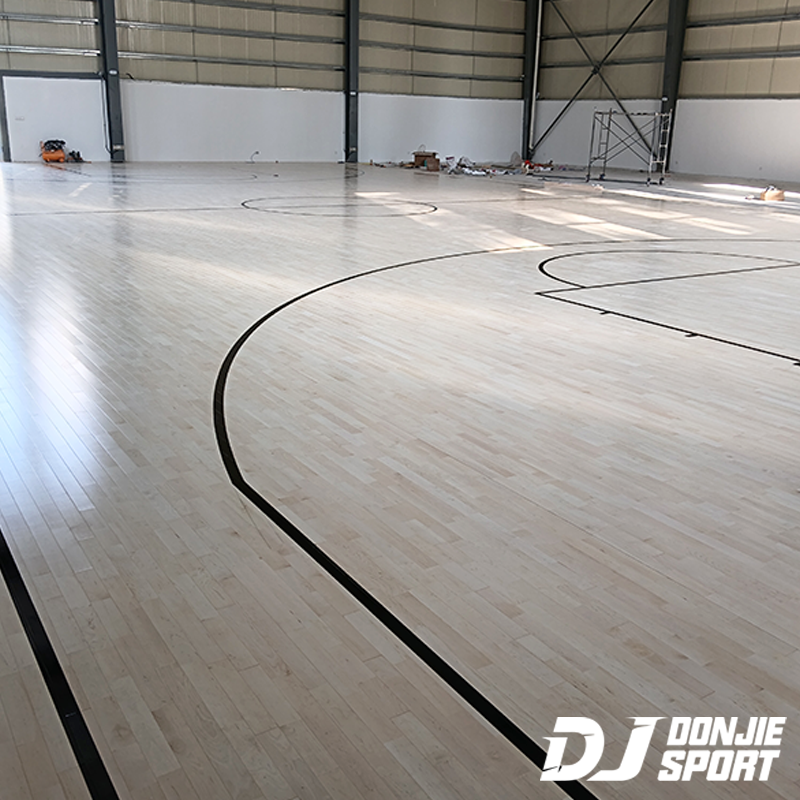
Maintaining Court Lines and Logos: The markings on the court, including the three-point lines and team logos, should be regularly checked for visibility and accuracy. If these lines become faded or worn, it’s essential to repaint them to maintain a professional look and ensure the game is played according to regulations.
-
Non-Slip Surface: Ensuring that the floor remains slip-resistant is crucial for player safety. Over time, the finish on the floor may wear down, reducing its grip. Refinishing the court will help restore its non-slip properties, reducing the risk of injuries.
Seasonal Care and Environmental Considerations
The environment in which the basketball court is located plays a significant role in its condition. Seasonal changes and fluctuating temperatures can affect hardwood floors, so it’s important to take extra steps during certain times of the year.
-
Seasonal Adjustments: During the winter months, dry air can cause hardwood floors to shrink and crack. Using a humidifier can help maintain the floor’s integrity. In the summer, humidity can cause expansion, so it’s essential to keep the facility well-ventilated.
-
Climate Control: Installing a climate control system in the gym can help maintain a consistent temperature and humidity level, which will protect the wood from seasonal damage.
Ensuring Longevity for Basketball Court Hardwood Flooring
Proper maintenance of your basketball court hardwood flooring is essential for ensuring its durability, functionality, and safety for players. By following daily cleaning routines, performing periodic care, and scheduling refinishing when necessary, you can preserve the integrity and appearance of the court for many years. Whether you are a facility manager or a coach, investing in regular maintenance practices will provide long-lasting benefits for your court and its players.