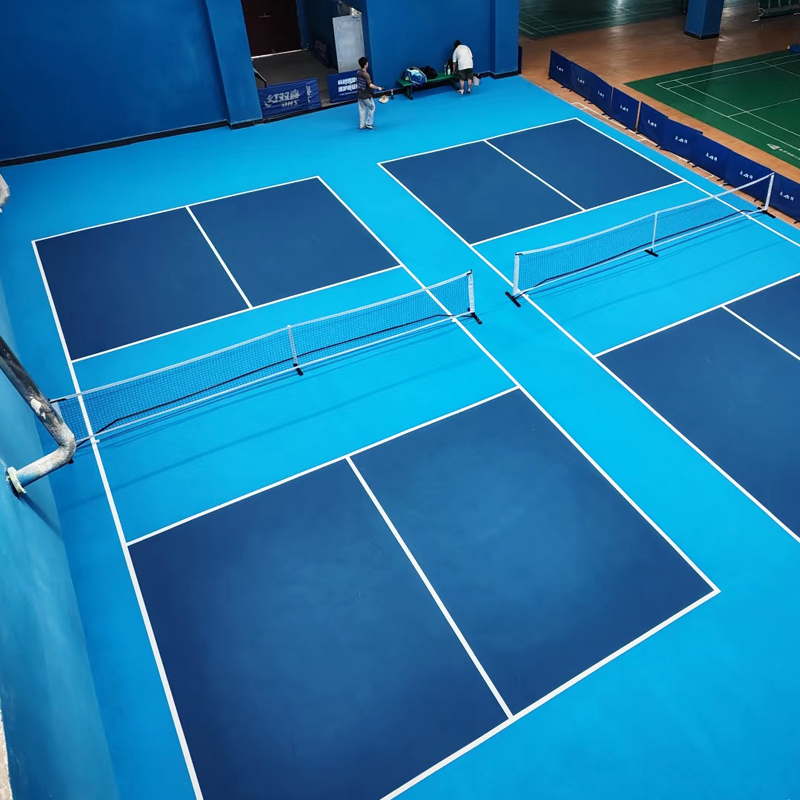
Gymnasium wood flooring is a prized feature in sports venues, offering a perfect balance of durability, aesthetics, and safety. However, to ensure these floors remain in top condition for many years, proper maintenance is crucial. Whether you’re responsible for maintaining a school gym, sports complex, or fitness center, keeping your wood flooring in great shape not only enhances the overall appearance of the space but also contributes to the safety and performance of athletes. Regular care and the right cleaning practices are key to extending the life of gymnasium wood flooring, providing a consistent, high-quality surface for sports and activities.
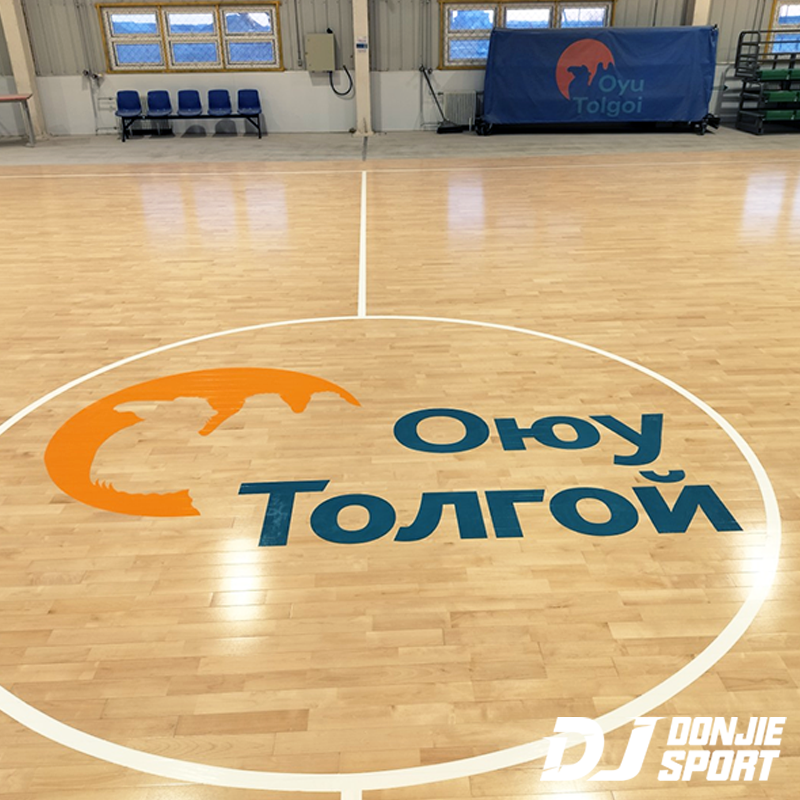
Understanding Gymnasium Wood Flooring
Gymnasium wood flooring is more than just a functional surface; it’s a carefully designed element that enhances both the aesthetic and practical aspects of a sports venue. Typically, gym floors are made from hardwoods like maple, oak, or beech, chosen for their strength, resilience, and shock-absorbing qualities. The surface of the flooring is not only designed to withstand constant foot traffic, but it must also provide adequate grip for athletes while minimizing the risk of injury.
High-quality gymnasium wood floors are engineered for performance. They allow for smooth movements, reduce fatigue, and prevent excessive joint strain, making them ideal for various sports, including basketball, volleyball, and indoor soccer. However, these benefits can only be maintained with proper upkeep.
Daily Maintenance Tips for Gymnasium Wood Flooring
Keeping your gymnasium wood flooring in top shape requires consistent attention. A daily maintenance routine is essential for preventing dirt and debris from building up and causing scratches or premature wear.
-
Sweeping and Dusting: Use a soft broom or dust mop to remove dirt, dust, and debris from the floor’s surface. Regular sweeping prevents particles from scratching the wood and helps maintain its smooth finish.
-
Entry Mats: Placing high-quality mats at entry points and areas with heavy foot traffic can greatly reduce the amount of dirt and moisture that comes into contact with the wood surface. Be sure to clean the mats frequently.
In addition to regular sweeping, always encourage gym users to wear clean, non-marking shoes to prevent unnecessary dirt and scuffing.
Regular Cleaning Routine for Gymnasium Wood Flooring
Even with daily sweeping, occasional deep cleaning is necessary to preserve the floor’s appearance and structural integrity. It’s important to use cleaning products that are specifically designed for wood flooring to avoid damage.
-
Cleaning Products: Use pH-neutral cleaners that are formulated for wood surfaces. Avoid harsh chemicals, abrasive cleaning tools, or excessive water, as these can damage the wood and lead to long-term issues such as warping or discoloration.
-
Microfiber Mops: Microfiber mops are ideal for cleaning gymnasium wood floors, as they are gentle on the surface while effectively removing dirt and grime. They should be slightly damp, not wet, to avoid soaking the wood.
It’s important to clean the floor at least once a week or more frequently depending on usage. A routine deep cleaning can also help maintain the shine and protective finish of the floor.
Preventing Damage to Gymnasium Wood Flooring
Preventative measures go a long way in preserving the condition of gymnasium wood flooring. By addressing potential risks before they occur, you can prevent long-term damage.
-
Avoiding Heels and Sharp Objects: High heels, metal cleats, and other sharp objects can cause irreparable damage to wood floors. Ensure that athletes and staff wear appropriate footwear that doesn’t damage the surface.
-
Footwear Guidelines: Encourage all gym users to wear clean, non-marking shoes. This minimizes scuff marks and dirt that can accumulate and cause permanent damage.
-
Moisture Management: Moisture is one of the biggest threats to wood floors. Keep the gymnasium well-ventilated and manage humidity levels to prevent moisture buildup. Use dehumidifiers in damp environments, especially in areas with high humidity.
-
Extreme Temperature: Wood expands and contracts with temperature fluctuations. Keeping the temperature in the gymnasium consistent and within a range recommended for wood floors helps prevent warping.
Refinishing and Recoating for Gymnasium Wood Flooring
Over time, even with excellent care, gymnasium wood floors will show signs of wear. Regular refinishing and recoating are crucial steps in restoring the floor’s appearance and functionality.
-
Signs It’s Time to Refinish: If the surface looks dull, scratched, or shows visible signs of wear, it may be time for refinishing. This process will remove the top layer of the wood to expose a fresh, smooth surface.
-
Refinishing Process: The process involves sanding down the floor to remove scratches and stains, followed by applying a fresh coat of protective finish. Refinishing is typically required every 5-7 years, depending on the floor’s usage.
-
Recoating for Protection: If the floor is not significantly damaged but requires some maintenance, recoating can be a quicker solution. This involves applying a new layer of finish to restore its shine and add an extra layer of protection.
Repairing Minor Damages on Gymnasium Wood Flooring
Despite the best preventive efforts, minor damages like scratches or dents can still occur. The good news is that minor issues can usually be repaired without refinishing the entire floor.
-
Scratches and Scuffs: For light scratches or scuffs, use a wood floor repair kit that matches the floor’s finish. Buffing the damaged area with a fine sanding pad and applying a touch-up solution can restore the appearance of the floor.
-
Cracks or Dents: Deeper damage requires more extensive repair. If a crack or dent occurs, it’s best to consult a professional who can fill the damage and restore the floor’s structural integrity.
Professional Maintenance for Gymnasium Wood Flooring
While regular care can be performed by facility staff, professional maintenance is sometimes necessary for deeper issues. Professionals are equipped with the tools and expertise to handle intricate tasks such as refinishing, major repairs, and preventive treatments.
-
When to Call a Professional: If there is significant damage, wear that cannot be repaired through simple maintenance, or if you’re unsure how to treat a particular problem, contacting a professional will ensure that the floor is properly restored.
-
Benefits of Professional Care: Professional maintenance will extend the lifespan of the wood floor and ensure that it meets safety and performance standards.
Seasonal Maintenance for Gymnasium Wood Flooring
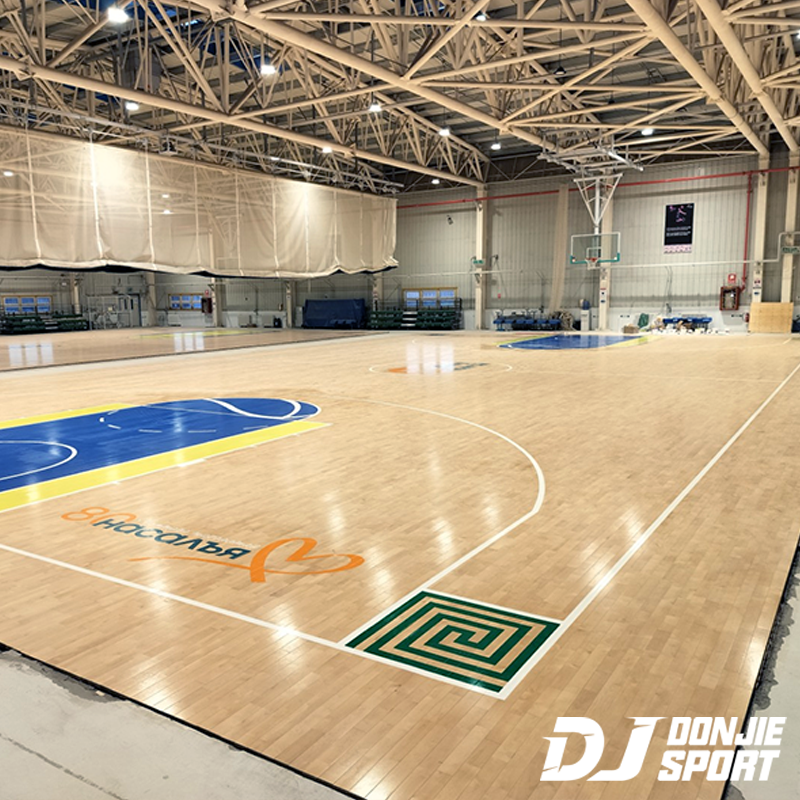
The care required for gymnasium wood flooring can change depending on the season and environmental conditions.
-
Humidity Control: In the winter, dry air can cause wood to shrink and crack, while summer humidity can cause the wood to expand. Maintaining proper humidity levels year-round (ideally between 35-55%) can prevent these issues.
-
Adjusting for Seasonality: In colder climates, ensuring that heating systems don’t dry out the air too much is crucial. In warmer climates, air conditioning or dehumidifiers can help regulate the environment.
Conclusion
Maintaining gymnasium wood flooring requires a combination of daily care, regular cleaning, preventive measures, and professional attention. By following a routine maintenance plan and being proactive about addressing potential damage, you can extend the lifespan of your wood floors and keep your gymnasium looking and performing at its best. Whether you’re responsible for a school gym, fitness center, or professional sports venue, the time and effort you put into maintaining your wood flooring will pay off in the long run.