When it comes to basketball courts, the flooring is one of the most essential components of the game. A high-quality basketball parquet floor not only enhances the aesthetic appeal of the space but also ensures safety and performance. Maintaining your parquet floor properly is crucial to extending its lifespan and preserving its ability to withstand the wear and tear of intense basketball games.
Proper maintenance not only keeps your court looking pristine but also prevents costly repairs or replacements in the future. Whether you have a professional basketball court or a recreational one, long-term care is essential for durability and performance. In this guide, we’ll walk you through the necessary steps to maintain your basketball parquet floor, ensuring it remains in top condition for years to come.
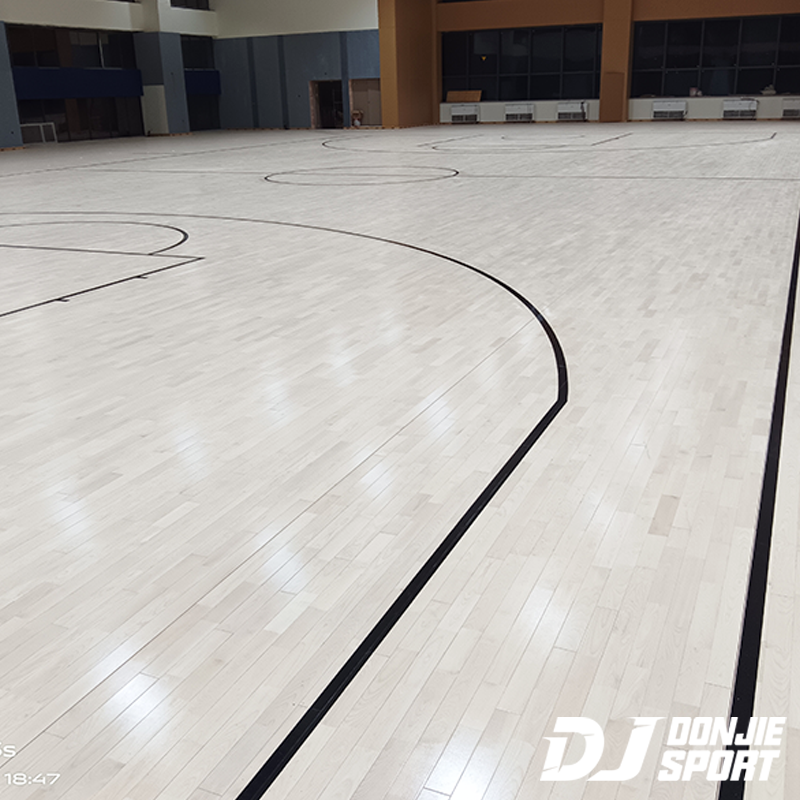
Understanding Your Basketball Parquet Floor
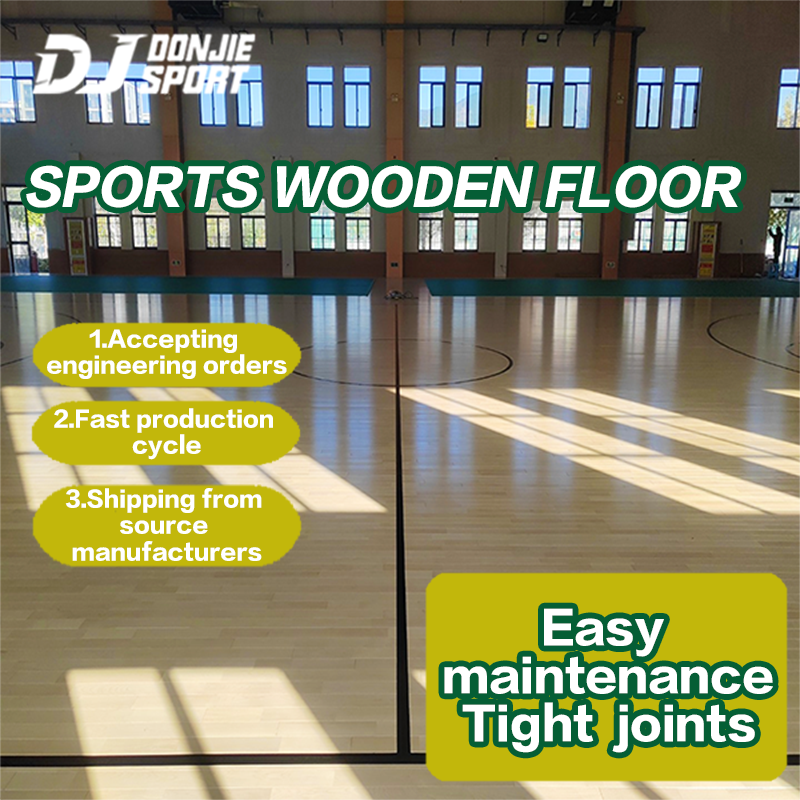
A basketball parquet floor is a high-performance court surface designed for competitive sports, particularly basketball. Parquet flooring consists of wooden tiles arranged in a pattern, often in the form of herringbone or basket weave, which gives it a distinctive look while offering superior durability. Parquet floors are favored for their ability to provide a consistent bounce, excellent grip, and safety for athletes.
Materials Used in Basketball Parquet Flooring
Basketball parquet floors are typically made from hardwood such as maple, which is known for its strength, resilience, and ability to absorb shock. This makes it the ideal material for high-impact sports like basketball. The hardwood tiles are coated with a protective finish that not only enhances the floor’s aesthetic but also provides resistance against moisture, scratches, and general wear.
Why It’s Popular in Professional and Recreational Courts
The popularity of basketball parquet floors in both professional and recreational courts stems from their durability and performance benefits. In addition to offering excellent grip and bounce, parquet floors also provide consistent ball response and help reduce the risk of injuries due to their shock-absorbing properties. Maintaining this type of floor properly ensures that it continues to meet the high standards required for competitive play.
Regular Cleaning and Maintenance
Daily Cleaning Routines for Basketball Parquet Floors
Keeping your basketball parquet floor clean is essential to its longevity. Regular cleaning helps remove dirt, dust, and debris that can cause abrasion on the surface, leading to wear and tear over time. Sweep the floor daily using a soft-bristled broom or a dust mop to prevent particles from scratching the surface.
For deeper cleaning, use a microfiber mop slightly dampened with a mixture of water and a mild wood-safe cleaner. Avoid using excessive water, as moisture can damage the wood over time.
Choosing the Right Cleaning Products
When selecting cleaning products, make sure to choose those that are specifically formulated for hardwood floors. Avoid harsh chemicals or abrasive cleaners, as they can damage the finish and lead to discoloration. Look for cleaners that are non-toxic and safe for both athletes and the environment.
Avoiding Harmful Chemicals that Could Damage the Floor
Never use wax-based cleaners or strong solvents on your basketball parquet floor, as these can leave residues that affect the floor’s grip and appearance. Additionally, avoid ammonia-based cleaners, which can strip the protective coating and cause the wood to dry out.
Step-by-Step Guide to Cleaning Your Court
-
Sweep or dust mop the floor daily to remove debris.
-
Damp mop the surface weekly using a mild wood cleaner diluted in water.
-
Dry the floor with a clean microfiber cloth after mopping to avoid excess moisture.
-
Inspect the floor regularly for scratches or areas that need attention.
Preventing Scratches and Damage
Common Causes of Scratches and Wear on Basketball Parquet Floors
Scratches and damage are common on basketball floors, especially from footwear, sports equipment, or debris brought onto the court. Over time, these marks can wear down the floor’s protective finish, causing the wood to become more vulnerable to further damage.
Best Practices to Prevent Damage During Use
To reduce the risk of scratches and scuffs, encourage players to wear proper footwear that is clean and free of dirt. Placing floor mats at the entrances to the court can also help prevent debris from being tracked in. For courts with heavy traffic, consider applying a layer of protective floor finish to reinforce the surface.
Importance of Protective Floor Covers and Mats
When the court is not in use, protect it with floor covers or mats to shield it from potential damage. This is especially important in areas where furniture or heavy equipment may be placed temporarily. Floor covers are also useful when conducting cleaning or maintenance tasks.
Refinishing and Polishing Your Basketball Parquet Floor
When to Refinish Your Basketball Parquet Floor
Over time, your basketball parquet floor may show signs of wear such as dullness, scratches, or discoloration. Refinishing is necessary when the floor’s protective finish has worn away, exposing the wood to potential damage. Depending on the level of traffic and usage, refinishing may be required every 3 to 5 years.
Step-by-Step Refinishing Process
-
Clean the floor thoroughly to remove all dust and debris.
-
Sand the surface gently to remove the old finish and create a smooth base for the new coating.
-
Apply a fresh coat of finish to restore the floor’s sheen and protection. Choose a polyurethane finish for maximum durability and longevity.
-
Buff the floor after the finish has dried to ensure a smooth, glossy surface.
How to Properly Polish the Floor for Optimal Shine and Grip
Polishing the floor is essential to maintain both its shine and its traction. After refinishing, apply a wood polish specifically designed for basketball courts to restore its luster and enhance grip. Polishing should be done every few months to maintain both appearance and safety.

Dealing with Stains and Discoloration
Common Stains on Basketball Parquet Floors
Spills and accidents are inevitable on a basketball court. Common stains include food, drinks, and oils, which can seep into the wood and cause permanent discoloration if not cleaned up quickly.
Effective Methods to Remove Stubborn Stains
For food or beverage stains, gently blot the area with a damp cloth and mild soap solution. For tougher stains, you may need to use a wood-safe stain remover. Always test the product in a small, inconspicuous area before applying it to the entire stain.
Preventing Future Stains and Maintaining a Consistent Color
To prevent future staining, clean up spills immediately. Applying a protective floor coating can also help reduce the chances of staining by creating a barrier between the wood and any liquids or contaminants.
The Role of Humidity and Temperature
How Humidity Affects Your Basketball Parquet Floor
Wood floors are sensitive to changes in humidity and temperature. Excessive moisture can cause the wood to expand and warp, while overly dry conditions can lead to cracks and splits. Maintaining a consistent indoor climate is key to preserving the integrity of your basketball parquet floor.
Tips for Controlling Temperature and Humidity in the Court Area
To maintain optimal conditions, use a dehumidifier or humidifier as needed. Ensure that the temperature stays within the recommended range for wood floors, usually between 60-80°F (15-27°C) with a relative humidity of 35-55%.
Why Proper Airflow and Ventilation are Important
Proper ventilation helps regulate moisture levels and prevents mold or mildew from forming on the floor. Open windows and use fans or HVAC systems to ensure continuous airflow and temperature stability.
Repairing Minor Damages
How to Fix Small Cracks and Chips in Your Basketball Parquet Floor
Minor damage such as small cracks or chips can be fixed using a wood filler that matches the color of the parquet. Apply the filler, smooth it out, and let it dry before sanding it flush with the floor. Once dried, refinish the patched area to restore its appearance.
Professional Repair vs. DIY Solutions
For larger or more complex damages, it’s best to consult a professional who specializes in parquet flooring repair. Attempting to repair significant damage without the right tools and expertise can result in uneven surfaces or further damage.
When to Call in Experts for Major Repairs
If the damage is extensive or the floor needs full refinishing, it’s time to call in an expert to ensure the floor is properly restored and protected.
Seasonal Maintenance Tips
Preparing Your Basketball Parquet Floor for Seasonal Changes
Seasonal changes can take a toll on your basketball floor, particularly during the winter and summer months. Before the colder months, inspect your court for any damage and ensure it’s properly cleaned and sealed.
Winter Care: Preventing Freezing and Moisture Issues
During winter, the moisture from snow or rain can damage the floor. Be sure to place mats at entrances and clean up moisture immediately. A humidifier may be necessary to keep the air at an ideal level to prevent the floor from drying out.
Summer Care: Ensuring the Floor Remains Cool and Dry
In summer, high temperatures can cause the wood to dry out. Keep the area well-ventilated, and avoid placing heavy items directly on the floor. Consider applying an extra coat of finish before the hot months to protect the wood from the heat.
Conclusion
Maintaining a basketball parquet floor is crucial for ensuring long-term durability, safety, and optimal performance. From regular cleaning to refinishing, every step you take to protect your floor will prolong its life and preserve its functionality. By following the tips outlined in this guide, you can enjoy a high-quality court for years, making sure it remains in excellent condition for both professional and recreational use.