Maintaining a pickleball court floor is essential for ensuring its longevity, performance, and safety. A well-kept floor not only enhances the aesthetic appeal of the court but also ensures that players can move freely and safely without risking injuries. Regular maintenance is crucial, as it helps preserve the quality of the surface, reduces repair costs, and extends the life of the court. Whether you have a wooden, acrylic, rubber, or synthetic floor, proper care will keep your pickleball court in optimal condition for years.
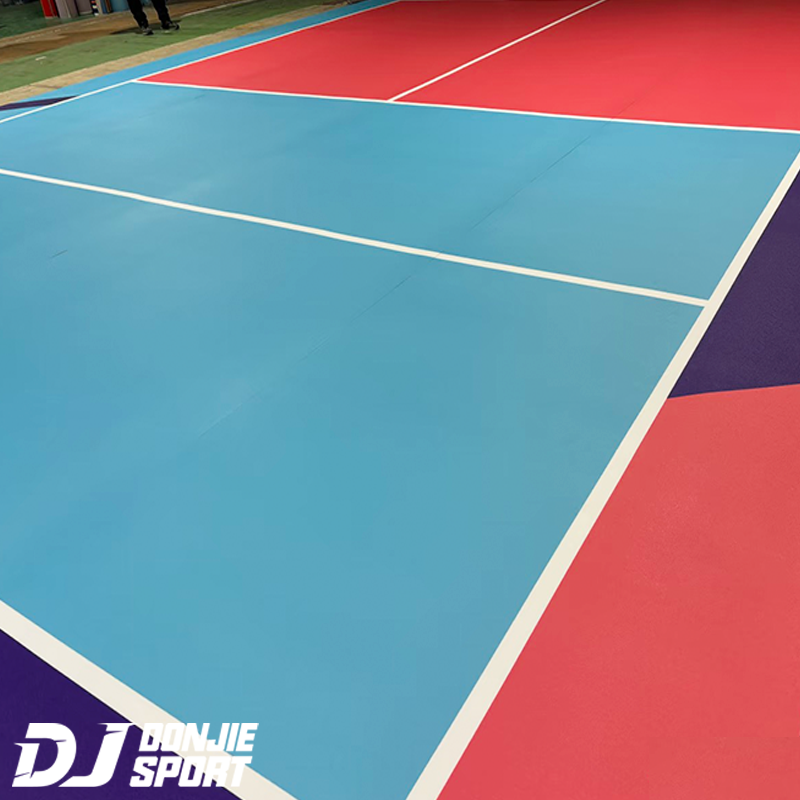
Understanding the Different Types of Pickleball Court Floors
There are several types of flooring used in pickleball courts, each requiring its own unique care and maintenance routine. Let’s take a closer look at the most common options:
Wooden Floors:
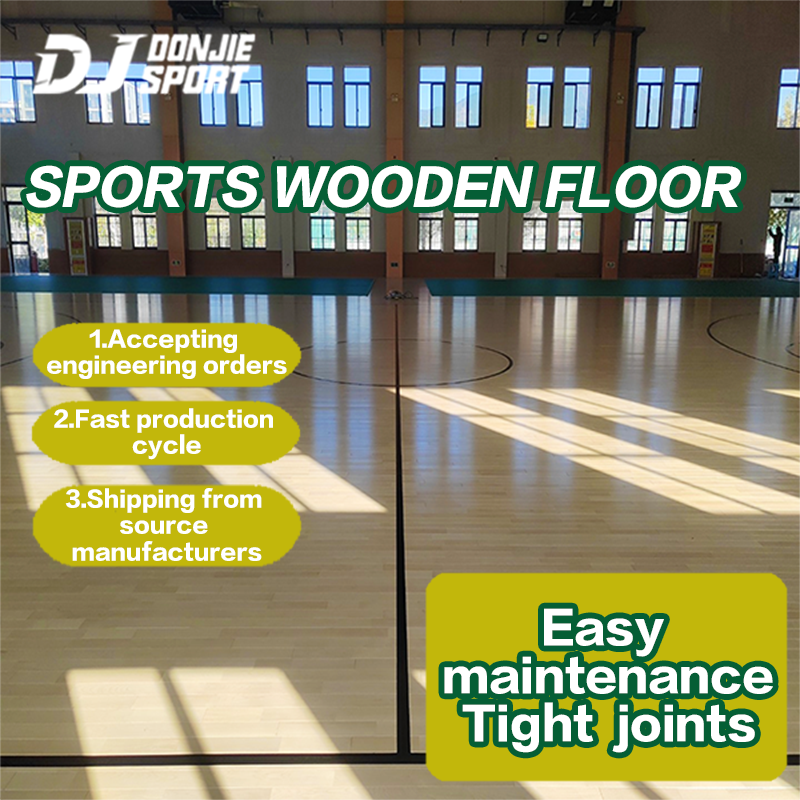
Wooden floors are often chosen for indoor courts due to their aesthetic appeal and smooth surface. However, they require regular cleaning and refinishing to avoid wear from constant foot traffic. Wooden floors are also susceptible to damage from humidity and moisture, so it’s important to maintain proper climate control.
Acrylic Floors:
Acrylic is a popular choice for outdoor pickleball courts because it provides excellent durability and a consistent playing surface. Acrylic courts are relatively low maintenance, but they do require periodic resealing to maintain their slip resistance and protect against weather damage.
Rubber Flooring:
Rubber flooring is ideal for both indoor and outdoor courts. It is shock-absorbent, reduces noise, and offers superior traction. However, it needs to be cleaned frequently to prevent dust and dirt buildup, which can affect its performance.
Synthetic Floors:
Synthetic floors are designed to mimic the performance of natural surfaces, providing a durable, low-maintenance solution. These floors are resistant to weather and physical wear, but they do require cleaning and occasional resurfacing to maintain their smooth, even texture.
Regular Cleaning and Sweeping
The most fundamental aspect of maintaining a pickleball court floor is regular cleaning. Dust, dirt, and debris can accumulate quickly, especially in outdoor courts, making the surface slippery and unsafe. Here’s how to keep your court floor spotless:
Daily Sweeping:
Use a soft broom or a leaf blower to remove debris from the court. Sweeping should be done daily, particularly in outdoor courts, where leaves and dirt tend to collect.
Weekly Deep Cleaning:
Once a week, use a mild, non-abrasive cleaner designed for your floor type. For wooden floors, use a wood-safe cleaner to avoid damage. Acrylic floors may need a specific acrylic cleaner to prevent buildup that could dull the surface. Avoid harsh chemicals that could erode the finish or cause discoloration.
Proper Cleaning Tools:
Invest in a high-quality mop or floor scrubber that is suitable for your floor type. For outdoor courts, you may want to use a pressure washer with a gentle setting to remove built-up grime. Make sure to dry the floor thoroughly after cleaning to prevent any moisture-related damage.
Dealing with Stains and Marks
Stains and scuff marks are common on pickleball court floors, but with the right techniques, they can be easily removed.
Common Stains:
Food and drink spills, shoe marks, and even tire tracks can stain the surface of your pickleball court. For light stains, a simple cleaning with soapy water can do the trick. However, for stubborn stains like ink or rubber marks, you may need a stronger cleaning solution or stain remover.
Removing Scuff Marks:
Scuff marks from shoes are one of the most common issues on pickleball court floors. Use a gum eraser or a special floor scuff remover to gently rub away the marks. Avoid scrubbing too hard, as this can damage the floor’s finish.
Protecting Against Staining:
Consider using court floor mats in high-traffic areas to minimize the chance of stains and scuffs. Also, encourage players to wear court-specific shoes that have non-marking soles.
Protecting the Surface from Wear and Tear
The pickleball court floor is subject to significant wear and tear, especially with frequent use. Here are a few ways to protect the surface:
Using Court Mats:
Court mats can be placed at the entrance to the court to reduce the amount of dirt and debris brought onto the playing surface. These mats also help minimize damage from shoes, providing an extra layer of protection for the court.
Reducing Foot Traffic:
Try to limit heavy foot traffic on the court when it’s not in use. This may include creating designated walking paths around the court or using barriers to prevent non-players from walking on the court.
Avoiding Furniture and Equipment:
If the court doubles as a multi-purpose space, make sure to avoid placing heavy furniture or equipment directly on the floor. The pressure from heavy objects can cause indentation or damage over time.
Preventing Damage from Weather
Weather can be a major factor in the longevity of your pickleball court floor, especially for outdoor courts.
Protecting Outdoor Courts:
For outdoor courts, it’s important to protect the surface from sun exposure, rain, and extreme temperatures. UV rays can fade and damage acrylic or synthetic surfaces, while moisture can cause wooden floors to warp or crack. Install covers or tarps during off-seasons to shield the floor from weather conditions.
Climate Control for Indoor Courts:
For indoor courts with wooden floors, maintaining the right humidity level is crucial to prevent the wood from expanding or contracting. Using a dehumidifier or humidifier can help control the moisture level and preserve the floor’s integrity.
Inspection and Repairs
Regular inspections are necessary to catch minor issues before they become major problems. Perform a quick visual check of the floor every month, looking for any cracks, dents, or discoloration. Addressing small issues promptly can prevent the need for expensive repairs down the road.
Repairing Small Damages:
If you notice minor surface cracks, many flooring options can be repaired with specialized filler. For deeper damage, you may need to consult a professional who can reseal or resurface the floor.
When to Seek Professional Help:
If the floor shows signs of major damage, such as deep cracks, warping, or significant discoloration, it’s best to consult a professional. Regular professional inspections can help ensure that your court is safe and fully functional.
Maintenance Schedule and Budgeting
A structured maintenance schedule will help ensure that your pickleball court floor stays in great shape. Here’s how to create a plan:
Routine Maintenance:
Set a schedule for daily, weekly, and monthly cleaning tasks. Regular inspections should be done quarterly, while more intensive maintenance (like resealing or resurfacing) should be scheduled yearly.
Budgeting for Maintenance:
Consider budgeting for routine repairs and the purchase of cleaning supplies. Allocate funds for periodic resurfacing or refinishing, as these costs can add up over time. By planning ahead, you can avoid costly emergency repairs.
Conclusion
Maintaining your pickleball court floor requires consistency, care, and attention to detail. By following the steps outlined in this guide, you can ensure that your court remains in top condition for many years. Whether you’re cleaning, repairing, or protecting the surface, every little bit of maintenance contributes to the floor’s overall longevity. With the right care, your pickleball court floor will continue to provide a safe and enjoyable environment for players to enjoy the game.