A PVC sports floor, short for Polyvinyl Chloride sports floor, is a type of flooring specifically designed for various sports and fitness areas. It is primarily made from polyvinyl chloride resin, which is a common synthetic plastic polymer. This base material is combined with a series of additives such as fillers to enhance its strength, plasticizers to improve flexibility, stabilizers to ensure durability against environmental factors like heat and light, and colorants to provide a wide range of color options.
PVC sports floors have gained immense popularity in numerous sports venues. They can be frequently seen in indoor indoor stadiums, where they serve as the perfect surface for multiple sports activities. For instance, in basketball courts, the smooth and resilient nature of PVC sports floors allows players to move quickly, make sharp turns, and jump without much risk of slipping or getting injured.
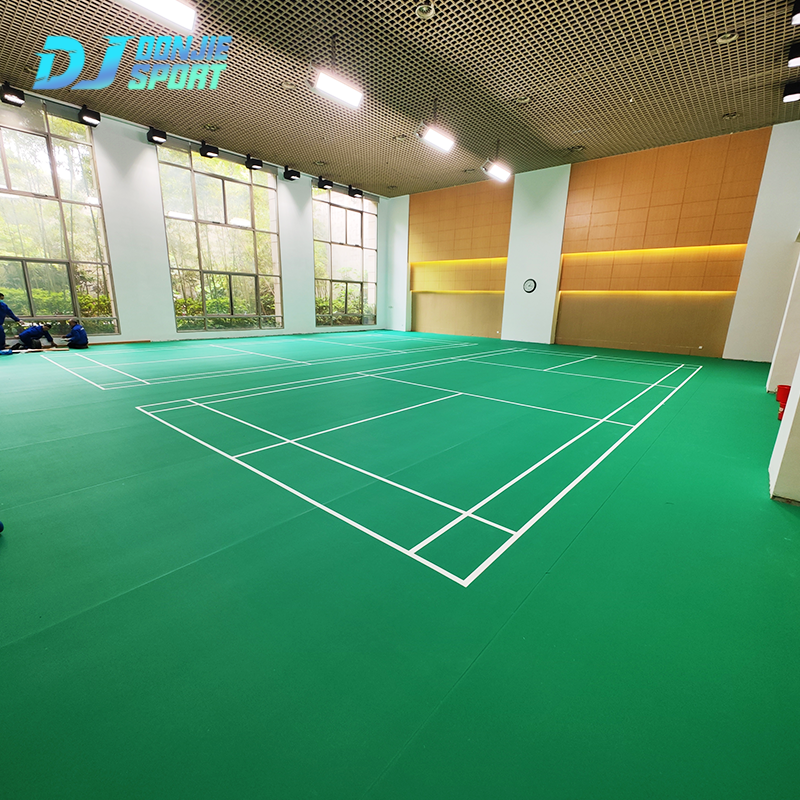
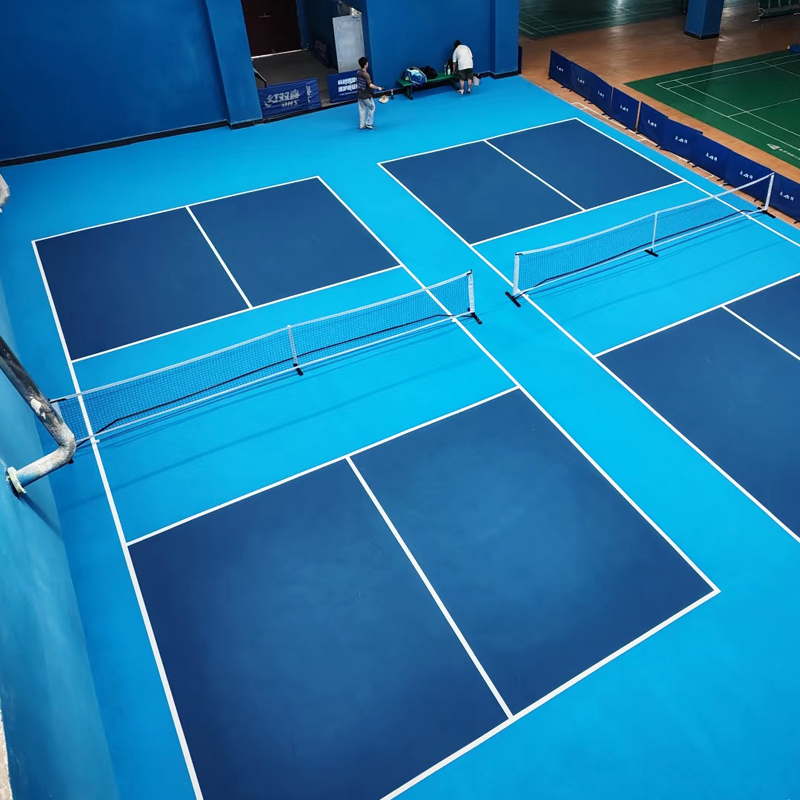
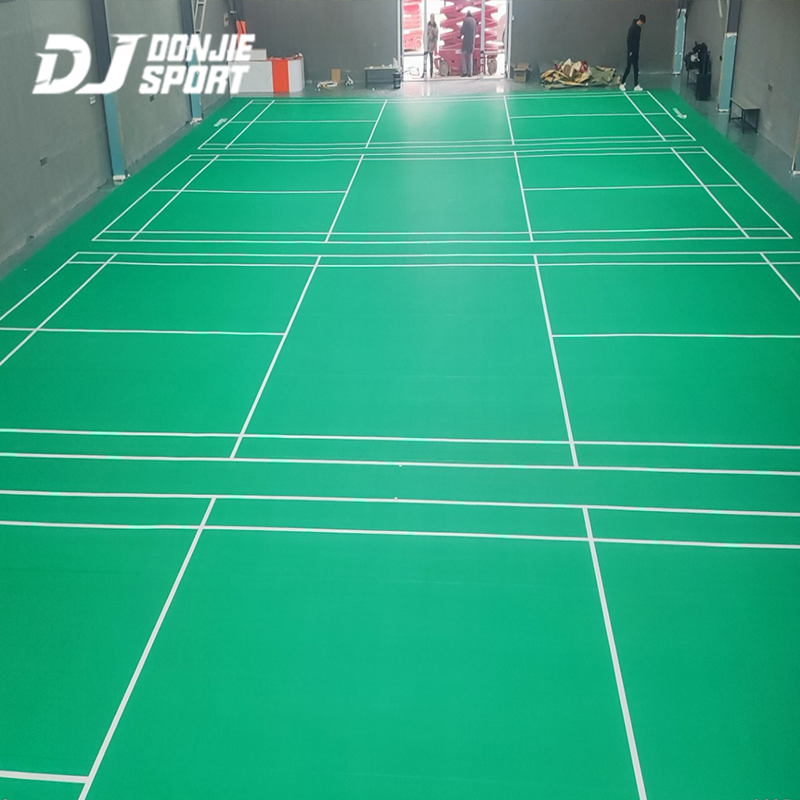
In badminton courts, the lightweight and shock – absorbing properties of PVC floors are highly beneficial. The floor can reduce the impact on players’ joints when landing from jumps, and its low – friction surface enables shuttlecocks to glide smoothly during play. In pickleball courts, the consistent texture of PVC floors ensures that the ball bounces predictably, enhancing the overall playing experience. In dance studios, PVC sports floors provide a soft and comfortable surface for dancers to perform a variety of movements, protecting their feet and joints from excessive stress.
Importance of Long – term Maintenance
Long – term maintenance is crucial for PVC sports floors to ensure they maintain their excellent performance and have a long lifespan. Firstly, regular maintenance helps to preserve the surface’s original properties. For example, over time, dust, dirt, and small particles can accumulate on the floor.
If not cleaned regularly, these substances can scratch the surface of the PVC floor, gradually reducing its smoothness and increasing the risk of slips. By keeping the floor clean, the coefficient of friction remains stable, providing a safe environment for athletes and users.
Secondly, proper maintenance can extend the lifespan of the PVC sports floor. PVC floors are an investment for sports facilities. With good maintenance, such as timely repair of minor damages and regular application of protective coatings when necessary, the floor can last for more than 10 years. This not only saves the cost of frequent floor replacements but also ensures that the sports venue can operate continuously without long – term disruptions due to floor – related issues.
Moreover, well – maintained PVC sports floors enhance the overall appearance of the sports venue. A clean, shiny, and damage – free floor gives a positive impression to athletes, coaches, and spectators. It creates a more professional and inviting atmosphere, which is beneficial for the success of sports events and the popularity of the sports facility.
Suitable Places for PVC Sports Floor
Indoor Stadiums
Indoor stadiums often host a wide variety of sports events, from basketball games to gymnastics competitions. PVC sports floors are an ideal choice for these multi – purpose venues. Their excellent anti – slip properties are crucial. For example, in a high – intensity basketball game where players are constantly running, jumping, and making quick stops, the anti – slip surface of the PVC floor ensures that players can maintain their footing even when their shoes are sweating.
The shock – absorbing feature of PVC sports floors also plays a significant role. Gymnasts performing acrobatic movements on the floor need a surface that can reduce the impact on their joints when they land. The PVC floor’s ability to absorb shock effectively protects gymnasts from potential joint injuries, allowing them to focus on their performance without worrying about excessive stress on their bodies.
Basketball Courts
Basketball is a fast – paced sport that requires players to make rapid movements such as sprinting, quick cuts, and high – velocity jumps. PVC sports floors are well – equipped to meet these demands. The smooth surface of PVC floors enables players to move with ease, reducing the energy wasted on friction.
When a player makes a sudden sudden stop, the appropriate friction coefficient of the PVC floor provides enough traction to prevent slipping, while also being gentle on the player’s feet and knees. The high elasticity of the PVC floor also helps players gain more power when they jump. It rebounds the force applied by the players, giving them an extra boost, which is especially important for activities like dunking and blocking shots.
Badminton Courts
Badminton is a sport that emphasizes quick movements, precise footwork, and fast – paced rallies. PVC sports floors are highly suitable for badminton courts due to their unique properties. The elasticity of PVC floors allows players to make quick and agile movements. When a player lunges forward to retrieve a shuttlecock, the floor can adapt to the sudden change in the player’s weight distribution and provide support.
The low – friction coefficient of PVC floors is also beneficial. Shuttlecocks can glide smoothly on the surface, mimicking the natural flight path of the shuttlecock in the air. This ensures that the game’s rhythm is not disrupted, and players can focus on their shots and strategies. Additionally, the shock – absorbing quality of PVC floors reduces the impact on players’ joints during jumps, protecting them from long – term joint problems caused by repetitive jumping.
Pickleball Courts
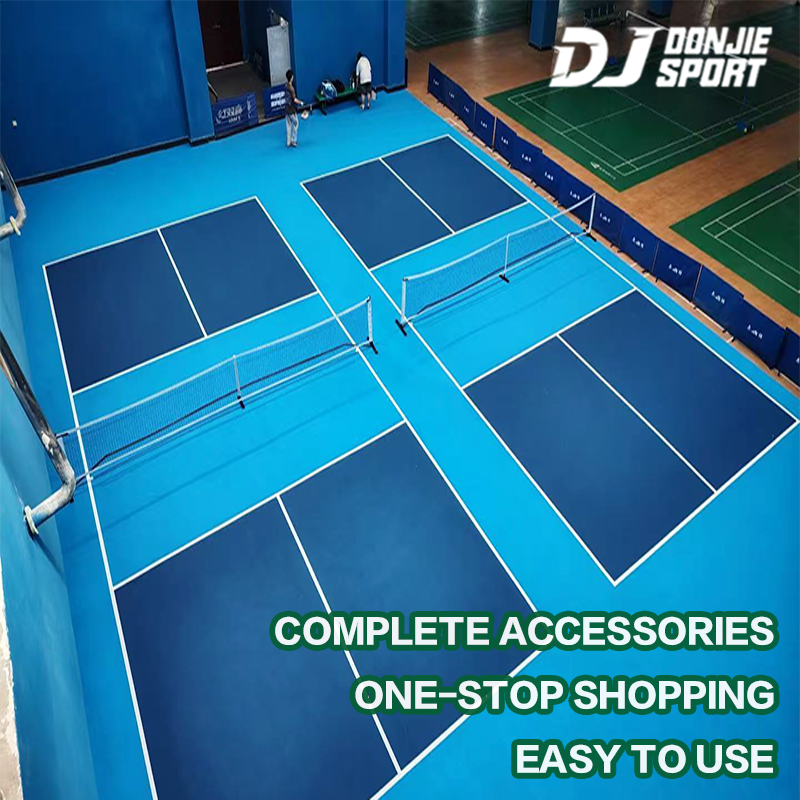
Pickleball is a popular paddle sport that combines elements of tennis, badminton, and table tennis. PVC sports floors offer a great playing experience for pickleball enthusiasts. The consistent texture of PVC floors ensures that the ball bounces predictably. Whether the ball is served softly or hit with a powerful stroke, players can rely on the floor to provide a uniform bounce, which is essential for accurate shot – making.
The anti – slip nature of PVC floors is also important in pickleball, as players need to move quickly around the court to return shots. With a PVC floor, players can change directions rapidly without the fear of slipping, enhancing the safety and enjoyment of the game.
Dance Studios
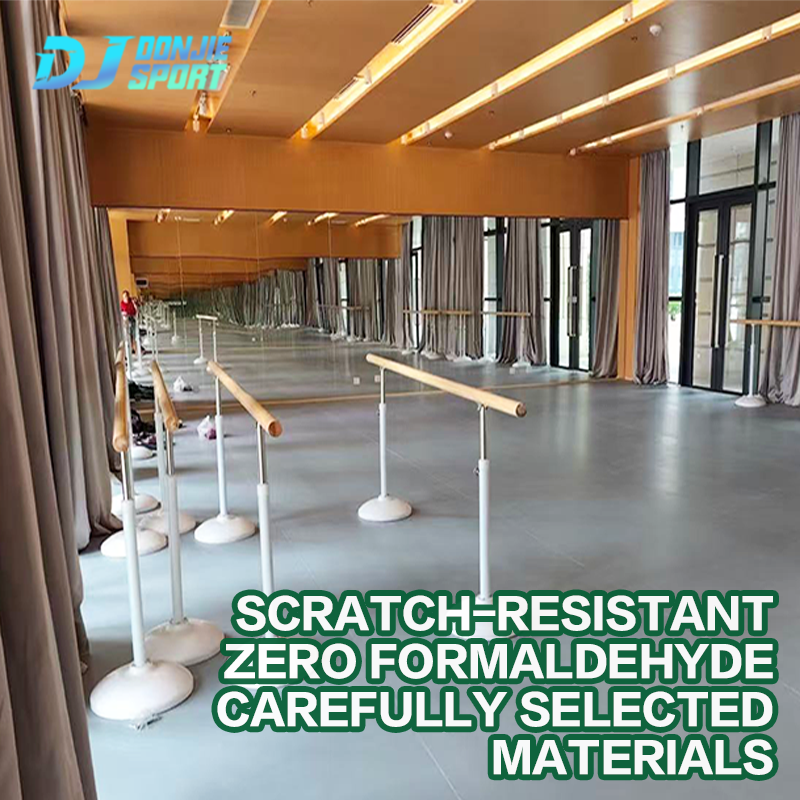
In dance studios, PVC sports floors are highly favored by dancers. The good foot feel and flexibility of PVC floors are key factors. When dancers perform various dance moves such as pirouettes, leaps, and turns, the soft and flexible surface of the PVC floor provides a comfortable and forgiving platform.
It allows dancers to feel the floor beneath their feet clearly, which is crucial for maintaining balance and control. The shock – absorbing property of PVC floors also protects dancers’ feet and joints from the stress of continuous dancing. Dancers often spend long hours practicing, and the PVC floor’s ability to reduce the impact of each step helps prevent fatigue and injuries, enabling them to train and perform at their best.
Maintenance Basics
Regular Cleaning
Dry Sweeping
Dry sweeping is the first line of defense in maintaining a PVC sports floor. Using a soft – bristled broom, it is essential to sweep the floor on a daily basis. Dust, sand, and small particles are common contaminants that can find their way onto the floor. Even the tiniest grains of sand, if left unattended, can act like abrasive materials. When people walk or play on the floor, these particles can be rubbed against the PVC surface, causing scratches over time.
Scratches not only mar the appearance of the floor but also reduce its smoothness and anti – slip properties. For example, in a busy indoor stadium where multiple sports events are held regularly, dry sweeping before and after each event can prevent the accumulation of dust and debris. This simple step can significantly extend the life of the PVC sports floor by keeping its surface in good condition.
Wet Mopping
Wet mopping is another important aspect of regular cleaning for PVC sports floors. However, it should be done correctly. Use a micro – damp mop, as excessive water can seep into the joints of the PVC floor tiles and cause damage, such as swelling or warping. When wet mopping, it is advisable to use a neutral cleaner. Avoid using harsh chemicals like acidic or alkaline cleaners, as they can react with the PVC material and damage its surface.
A neutral cleaner is formulated to clean effectively without causing any chemical reactions with the floor. For instance, in a dance studio where the PVC floor needs to maintain its softness and flexibility for dancers, using a neutral cleaner and a micro – damp mop during regular cleaning can ensure that the floor’s properties are not compromised. Dilute the neutral cleaner according to the manufacturer’s instructions in warm water. Gently mop the floor in a back – and – forth motion, covering the entire surface area. After mopping, allow the floor to air – dry completely before allowing people to use the area again. This helps to keep the PVC sports floor clean, shiny, and in optimal condition for long – term use.
Deep – Cleaning
Frequency and Tools
Deep – cleaning your PVC sports floor is essential for maintaining its long – term durability, but it should not be overdone. A good rule of thumb is to deep – clean the floor every 1 – 3 months, depending on the frequency of use and the level of dirt and wear it experiences. For example, in a high – traffic indoor stadium that hosts multiple events every week, deep – cleaning every month might be necessary. However, in a less – used dance studio, deep – cleaning every 3 months could be sufficient.
When it comes to tools, a professional floor cleaning machine is highly recommended. These machines are specifically designed to clean different types of floors, including PVC sports floors, more effectively than manual methods. They usually come with rotating brushes or pads that can remove stubborn dirt and stains without causing damage to the PVC surface. The brushes can be adjusted according to the hardness of the floor, ensuring a gentle yet thorough clean.
Some floor cleaning machines also have a vacuum function, which can suck up dirt and moisture immediately, leaving the floor dry and clean. Additionally, microfiber mop pads can be used in combination with the cleaning machine. Microfiber is known for its excellent absorbency and ability to trap dirt particles, making it an ideal choice for deep – cleaning PVC sports floors.
Cleaning Solutions
Choosing the right cleaning solution is crucial for deep – cleaning PVC sports floors. There are several options available on the market that are specifically formulated for PVC surfaces. One common type is a pH – balanced, non – abrasive cleaner. These cleaners are designed to break down dirt and grime without reacting with the PVC material. They can effectively remove oil, grease, and other stubborn stains that regular cleaning might miss. For example, a cleaner with mild surfactants can help lift dirt from the floor surface and suspend it in the cleaning solution, making it easy to wipe away.
Another option is a foaming cleaner. Foaming cleaners are great for deep – cleaning as the foam adheres to the floor surface, allowing the cleaning agents to penetrate deeper into the pores of the PVC and remove embedded dirt. They are also easy to apply and wipe off, leaving the floor clean and residue – free.
It is extremely important to avoid using strong acid or alkaline cleaners. Strong acids, such as hydrochloric acid or sulfuric acid, can corrode the PVC surface, causing it to become brittle, discolored, and lose its anti – slip properties. Alkaline cleaners, like sodium hydroxide – based products, can also damage the PVC by breaking down its chemical structure. These harsh chemicals can also cause the floor’s color to fade, making it look dull and unattractive. Always check the label of the cleaning solution to ensure it is suitable for PVC sports floors and follow the manufacturer’s instructions for dilution and application.
Dealing with Stains
Common Stains and Removal Methods
Stains are inevitable on PVC sports floors, especially in high – traffic sports areas. Understanding how to deal with common stains is crucial for maintaining the floor’s appearance and performance.
Sports Drink Stains
Sports drinks often contain sugars, dyes, and electrolytes that can leave stubborn stains on PVC sports floors. To remove these stains, start by blotting up as much of the spilled drink as possible with a clean, dry cloth. This helps to prevent the stain from spreading further into the floor. Then, create a cleaning solution using a mild detergent. Mix about 1 – 2 teaspoons of mild liquid detergent in a gallon of warm water. Dip a clean cloth or sponge into the solution and gently scrub the stained area in a circular motion. The detergent helps to break down the sugars and dyes in the sports drink. After scrubbing, rinse the area thoroughly with clean water and dry it with a clean towel. In a basketball court where players frequently consume sports drinks during breaks, this method can quickly and effectively remove any accidental spills, keeping the floor looking clean and presentable.
Shoe Print Stains
Shoe prints are a common sight on PVC sports floors, especially in areas with high foot traffic. The rubber soles of shoes can leave black or gray marks that are not only unsightly but can also be difficult to remove. For light shoe prints, a simple mixture of warm water and a small amount of white vinegar can work wonders. Vinegar is a natural cleaning agent with mild acidic properties that can help dissolve the rubber residue. Mix equal parts of warm water and white vinegar in a spray bottle. Spray the solution onto the shoe print and let it sit for a few minutes. Then, use a soft – bristled brush or a clean cloth to scrub the area gently. For more stubborn shoe prints, a specialized floor cleaner designed for removing rubber marks can be used. These cleaners usually contain solvents that are effective in breaking down the rubber. Apply the cleaner according to the manufacturer’s instructions, usually by spraying or pouring it onto the stain, and then scrubbing it with a brush. After cleaning, rinse the area well with water and dry it to prevent any residue from remaining on the floor. In a busy indoor stadium with multiple events and a large number of people walking on the floor, prompt removal of shoe prints is essential to maintain the floor’s aesthetic appeal and safety.
Preventive Measures
Using Mats at Entrances
Placing mats at the entrances of sports facilities with PVC sports floors is a simple yet highly effective preventive measure. Mats act as a first – line filter, capturing dirt, sand, gravel, and other debris from the shoes of people entering the area. These small particles, if allowed to enter the sports area, can cause significant damage to the PVC floor over time. For example, in an indoor stadium that has multiple entrances and a large number of people coming in and out every day, mats can prevent a large amount of dirt from being tracked onto the floor.
When choosing entrance mats, it is important to select ones with a high – quality, non – slip backing to ensure they stay in place and do not pose a tripping hazard. The surface of the mat should be made of a material that can effectively trap dirt, such as a dense, textured fabric or rubber. Mats should be regularly cleaned or replaced when they become too dirty. Vacuuming the mats weekly and washing them thoroughly every month can help maintain their dirt – trapping effectiveness. By using mats at entrances, the frequency of deep – cleaning the PVC sports floor can be reduced, and the overall lifespan of the floor can be extended as it is less likely to be scratched or abraded by foreign particles.
Furniture and Equipment Protection
Furniture and sports equipment can cause damage to PVC sports floors if not properly protected. When moving or placing furniture such as benches, chairs, or storage cabinets on the PVC floor, it is essential to use protective pads. These pads, usually made of rubber or felt, are placed under the legs of the furniture. They create a buffer between the hard furniture legs and the soft PVC floor, preventing scratches and dents. For example, in a dance studio where there may be chairs for dancers to sit on during breaks, using protective pads under the chair legs can ensure that the floor remains in good condition.
Similarly, sports equipment like weightlifting racks, exercise bikes, and basketball hoops can also damage the floor if not properly protected. For heavy – duty equipment, large, thick – textured mats can be placed underneath. These mats not only protect the floor from the weight and movement of the equipment but also provide additional stability. When installing or moving sports equipment, it is important to be careful and avoid dragging the equipment across the floor. Lifting and carrying the equipment instead can prevent any accidental scratches or scuffs. Regularly inspecting the protective pads and mats under furniture and equipment to ensure they are in good condition is also crucial. If a pad is worn out or damaged, it should be replaced immediately to continue providing effective protection for the PVC sports floor.
Handling Wear and Tear
Identifying Early Signs of Wear
Identifying the early signs of wear on your PVC sports floor is crucial for timely maintenance and long – term durability. One of the first noticeable signs is a decrease in surface gloss. A brand – new PVC sports floor has a shiny and lustrous appearance. However, over time, due to regular use, friction from shoes, and the accumulation of dirt, the surface may start to lose its shine. This dullness is an indication that the protective layer of the PVC floor is gradually being worn away.
Another early sign is the appearance of minor scratches. These scratches may be barely visible at first, but they can be felt when you run your hand over the surface. They are often caused by small particles like sand or gravel that get trapped under shoes or equipment and are dragged across the floor.
In a basketball court, for example, players’ shoes can pick up debris from the outside and carry it onto the court, leading to these small scratches. Even the movement of sports equipment such as basketball hoops or weightlifting racks can cause scratches if not properly protected. These minor scratches, although seemingly insignificant, can act as starting points for more extensive damage if not addressed promptly. They can make the floor more prone to collecting dirt and moisture, which can further degrade the PVC material.
Minor Repairs
When dealing with small – area wear or scratches on a PVC sports floor, there are some simple repair methods that can be employed. For minor scratches, a PVC floor scratch remover can be an effective solution. These removers are usually designed to fill in the scratches and restore the smoothness of the surface. First, clean the scratched area thoroughly with a mild cleaner and a micro – damp cloth to remove any dirt or debris.
Then, apply the scratch remover according to the manufacturer’s instructions. This often involves gently rubbing the remover into the scratch in a circular motion using a soft cloth or sponge. The remover contains materials that bond with the PVC surface, filling in the scratch and making it less visible.
In the case of small areas of wear, such as a worn – out spot in a high – traffic area of a dance studio, a PVC floor patch kit can be used. Start by cutting out the damaged area in a square or rectangular shape, making sure to remove all the damaged material. Then, cut a patch from the replacement PVC material provided in the kit to match the size of the cut – out area. Apply a suitable adhesive to both the back of the patch and the floor surface where the damaged area was removed.
Carefully place the patch onto the adhesive – covered area and press it down firmly, making sure there are no air bubbles trapped underneath. Use a roller or a heavy object to apply even pressure on the patch for a few minutes to ensure a strong bond. After the adhesive has dried completely, the repaired area should blend in well with the rest of the floor, and the functionality of the PVC sports floor will be restored.
Seasonal Maintenance
Summer Care
Summer months often bring high temperatures, which can pose challenges to the maintenance of PVC sports floors. In areas with hot summers, such as in some southern regions, it is crucial to keep the indoor environment well – ventilated. Installing and using fans or air – conditioning systems can help regulate the temperature in sports facilities like indoor stadiums, basketball courts, and dance studios. High temperatures can cause the PVC material to expand.
If the expansion is not properly managed, it can lead to the floor buckling or warping. For example, in an unventilated indoor stadium during a hot summer day, the temperature inside can soar well above the normal range. Without proper ventilation, the PVC sports floor may start to expand unevenly, creating bumps and dents on the surface. These irregularities not only affect the aesthetics of the floor but also pose a safety hazard to athletes.
Regularly checking the temperature – regulating equipment and ensuring its normal operation can prevent such issues. Additionally, avoid direct sunlight exposure on the PVC sports floor for extended periods. Sunlight contains ultraviolet (UV) rays that can damage the colorants and stabilizers in the PVC material over time, causing the floor to fade and become more brittle. Using curtains or blinds to block out direct sunlight can effectively protect the floor from UV damage during the summer months.
Winter Care
In winter, especially in colder regions, special attention should be paid to prevent the PVC sports floor from freezing. When the temperature drops below the recommended range for PVC floors, the material can become brittle, increasing the risk of cracking. For instance, in an outdoor – adjacent basketball court or an unheated indoor stadium in a cold area, if the temperature is not properly maintained, the PVC floor can be severely damaged. To avoid this, keep the indoor temperature above the minimum temperature specified by the PVC floor manufacturer, usually around 5 – 10°C (41 – 50°F).
Humidity control is also crucial in winter. In many cold – climate areas, the air tends to be dry in winter. Low humidity can cause the PVC sports floor to contract, which may lead to gaps between the floor tiles or panels. To maintain the appropriate humidity level, which is typically between 40% – 60%, consider using a humidifier. In a dance studio, for example, a dry environment can not only damage the PVC floor but also be uncomfortable for dancers, potentially leading to skin dryness and respiratory problems. On the other hand, excessive humidity can also be a problem. If there is too much moisture in the air, it can condense on the cold surface of the PVC floor, creating a slippery and dangerous situation. Using a dehumidifier when necessary can help keep the humidity in check and ensure the safety and durability of the PVC sports floor throughout the winter.
Conclusion
Maintaining a PVC sports floor for over 10 years of durable use requires a combination of regular cleaning, deep – cleaning, stain removal, preventive measures, and timely handling of wear and tear, along with seasonal care. Regular dry sweeping and wet mopping with the right tools and products keep the surface free from dirt and debris, preventing scratches and maintaining the anti – slip properties. Deep – cleaning at appropriate intervals, using the correct cleaning solutions and professional equipment, ensures that the floor remains in top – notch condition. Prompt removal of stains, whether from sports drinks or shoe prints, helps preserve the floor’s appearance.
Preventive measures like using mats at entrances and protecting furniture and equipment significantly reduce the risk of damage. Identifying early signs of wear and conducting minor repairs immediately can stop small issues from turning into major problems. Seasonal care, such as temperature and humidity control in summer and winter respectively, is also essential for the long – term integrity of the PVC sports floor.
In the long run, investing time and effort in maintaining a PVC sports floor not only saves costs associated with frequent replacements but also ensures a safe and high – performing surface for athletes and users. By following these maintenance guidelines, sports facilities in indoor stadiums, basketball courts, badminton courts, pickleball courts, and dance studios can enjoy a durable and reliable PVC sports floor for more than a decade.