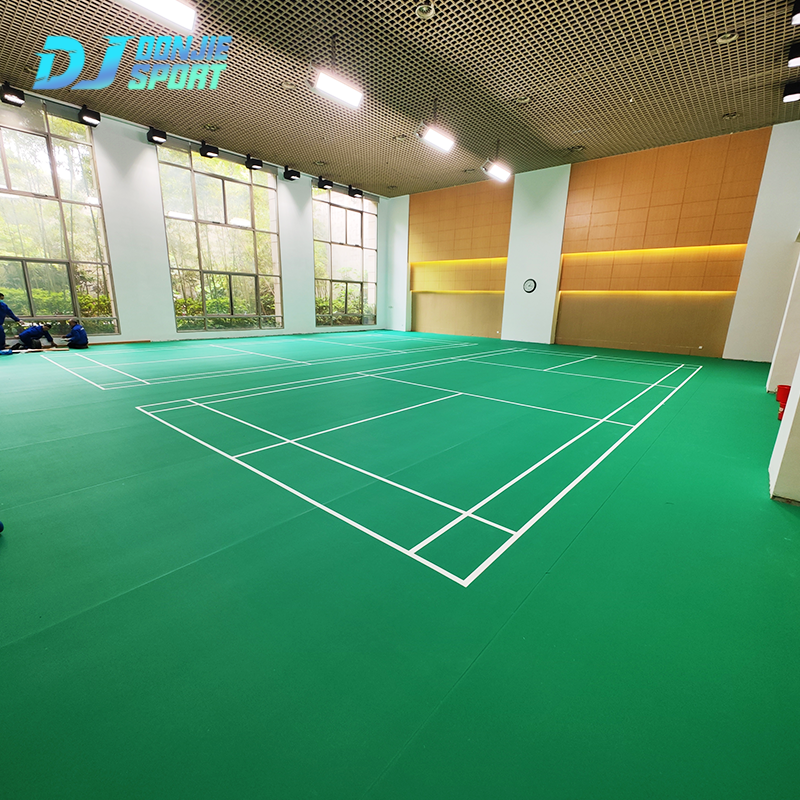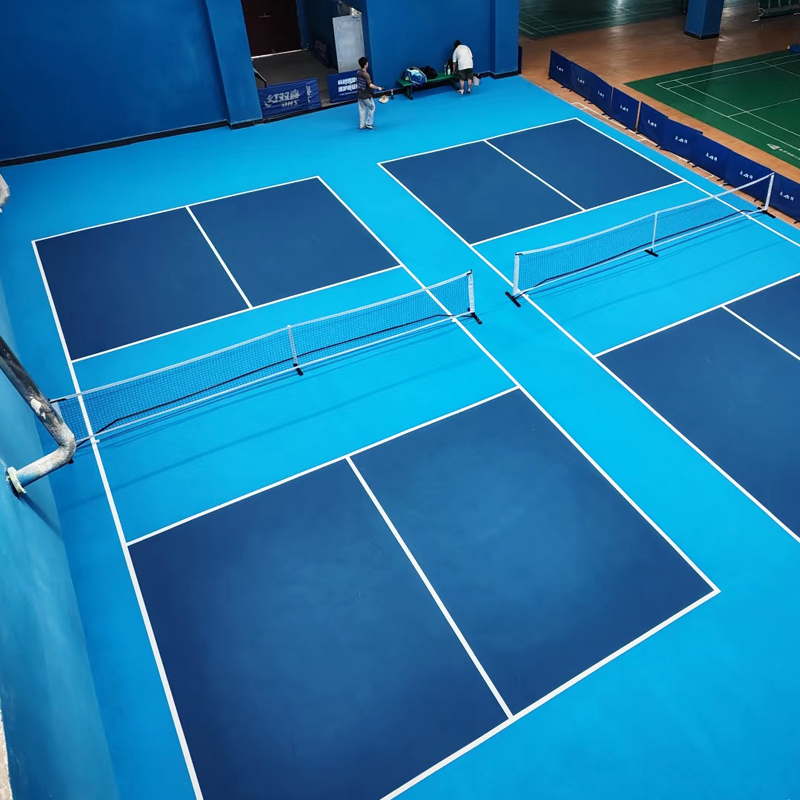
A well-maintained volleyball court floor is crucial for ensuring optimal game performance, player safety, and longevity of the flooring material. Whether you’re managing a school gym, sports hall, or professional volleyball arena, taking the time to properly care for your volleyball court floor will ensure it remains in top condition. From cleaning routines to addressing surface repairs, understanding the importance of regular maintenance will help extend the lifespan of the court and improve the overall experience for players.

Understanding Volleyball Court Floor Materials
The first step in maintaining your volleyball court floor is understanding the materials that make up the surface. Volleyball courts are typically made from either hardwood or synthetic materials like PVC or rubber. The type of material used plays a significant role in how you care for and maintain the surface.
-
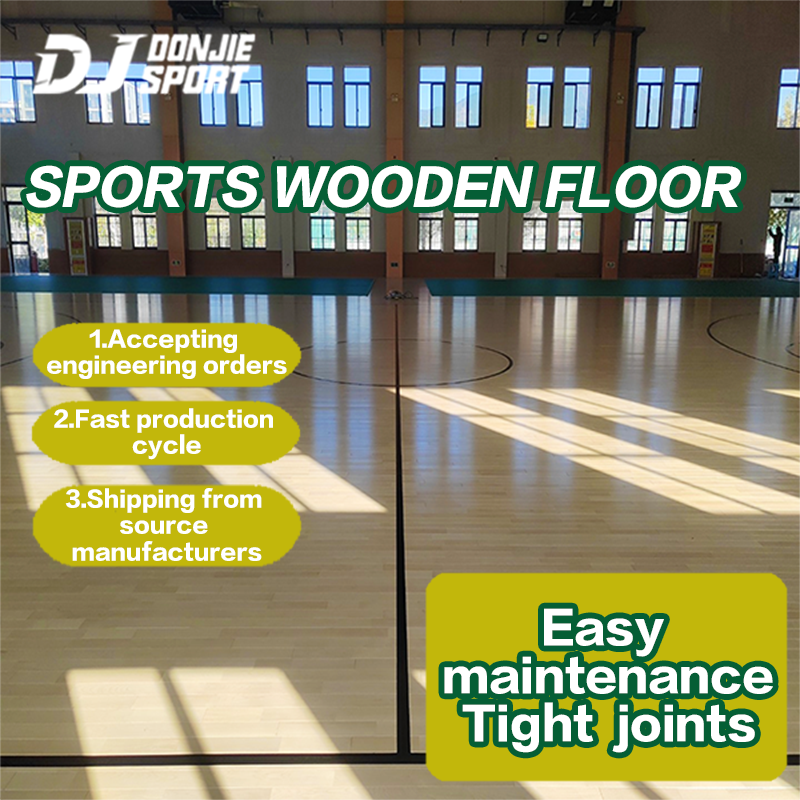
Hardwood Floors: Traditional wooden courts are commonly used for professional indoor volleyball. These floors are durable and provide excellent traction, but they require specific care, such as regular polishing and refinishing to maintain their smooth, high-performance surface.
-
Synthetic Floors: PVC, rubber, and other synthetic materials are increasingly popular for volleyball courts due to their durability and ease of maintenance. These surfaces are less likely to warp or crack, but they still require regular cleaning and occasional surface treatment to ensure they perform at their best.
Understanding the material allows you to choose the right maintenance tools and techniques to preserve its quality.
Regular Cleaning and Maintenance
A clean volleyball court floor is essential for both performance and safety. Dust, debris, and moisture can affect the surface’s traction, making it more slippery and increasing the risk of injury. Regular cleaning ensures that the court remains safe and functional.
-
Daily Cleaning: It’s essential to remove dirt, dust, and moisture daily. A soft-bristled broom or vacuum cleaner is perfect for sweeping up dust and debris. If the court is particularly prone to moisture or humidity, consider using a dehumidifier or moisture-absorbing mats to prevent water buildup.
-
Cleaning Tools and Agents: For synthetic surfaces, use non-abrasive cleaners that won’t damage the finish. A mop with warm water and a mild floor cleaner can help keep the court surface clean without leaving harmful residues. For hardwood floors, a specific wood floor cleaner or polish will help protect the finish and keep it looking new.
By maintaining a consistent cleaning routine, you’ll ensure that your court remains free from debris and stays in great condition.
Protecting the Surface from Damage
Protecting the volleyball court floor from physical damage is crucial for its longevity. Regular play and heavy foot traffic can cause scratches, dents, and general wear over time, especially in high-use areas.
-
Prevent Scratches and Dents: During the off-season or when the court is not in use, consider laying down protective covers to shield the floor from any damage. This is particularly important for wooden floors, which are more susceptible to scratches and gouges. Additionally, ensure that players wear appropriate footwear—shoes with non-marking soles help prevent unnecessary scuff marks and surface damage.
-
Avoid Heavy Equipment Contact: When moving equipment such as bleachers or volleyball nets, ensure that they are lifted rather than dragged across the surface. Dragging heavy items can cause deep scratches or surface damage.
By taking preventive measures, you can keep your volleyball court floor looking new for years.
Addressing Surface Repair and Refinishing
Over time, even the most well-maintained volleyball court floor may require repairs or refinishing. Understanding when and how to address surface issues can help you avoid further damage and restore the court to its best condition.
-
Signs of Wear and Tear: Look out for signs of wear such as fading colors, deep scratches, or uneven spots on the surface. For wooden floors, you may notice that the finish is wearing thin or that certain areas feel rougher than others.
-
Refinishing the Court: Hardwood courts may need to be refinished every few years to maintain a smooth, glossy surface. This involves sanding the floor to remove damaged layers, followed by reapplying a fresh layer of finish. For synthetic floors, surface treatment may involve using specific products designed to restore shine and protect against future damage.
While refinishing can be done as a DIY project, it’s often a good idea to consult a professional, especially for large or complex floors. A professional will ensure that the court is properly restored, preserving its functionality and appearance.
Monitoring and Maintaining the Court’s Grip and Traction
One of the most important factors in player safety and game performance is the court’s traction. A slippery floor can lead to injuries, while a court with too much friction can cause discomfort and reduce mobility.
-
Maintaining Traction: Cleanliness is essential to maintaining traction. Dust and dirt can reduce the friction between players’ shoes and the floor, making it slippery. Regular cleaning with appropriate floor cleaners will help maintain the court’s grip.
-
Re-coating the Surface: Some courts, especially those with a synthetic surface, may benefit from periodic re-coating or treatment to restore traction. For wooden floors, specialized coatings can be applied to maintain grip without compromising the floor’s aesthetics.
Managing Environmental Factors
The environmental conditions in which the volleyball court is situated can significantly affect its durability. Temperature, humidity, and even light exposure can all influence the condition of the court floor.
-
Temperature and Humidity: High humidity can cause wooden floors to warp and swell, while extreme heat can cause synthetic surfaces to become brittle or crack. It’s essential to maintain consistent climate control within the gymnasium, using air conditioning and dehumidifiers if necessary.
-
Storage and Handling: If your volleyball court is used for multi-purpose events, ensure that the floor is protected when not in use. Roll-up protective covers or mats can shield the court from environmental factors when it’s not actively being used for games or events.
Periodic Inspections for Long-Term Care
Regular inspections are a proactive way to spot issues before they turn into costly repairs. Scheduling annual or bi-annual assessments will help identify potential problems early on.
-
Inspection Checklist: Look for cracks, warping, and discoloration that may signal damage. For synthetic floors, check for any signs of peeling or surface deterioration. Ensure that the floor’s edges remain sealed to avoid moisture infiltration.
-
Professional Inspections: While simple issues can often be identified by staff, consider bringing in a professional for an in-depth inspection. This will ensure that any hidden issues are addressed before they cause significant damage.
Conclusion
Maintaining a volleyball court floor for optimal performance involves a combination of regular cleaning, careful protection, and timely repairs. By following these maintenance tips, you can ensure that your court stays safe, functional, and visually appealing for years to come. Regular inspections, proper cleaning techniques, and prompt attention to repairs will help you keep your volleyball court in top shape, enhancing both player safety and game performance.