Basketball courts are essential not only for playing but also for creating an atmosphere of athleticism and competition. However, the floor beneath those intense games can take a significant beating over time. To ensure that your basketball court flooring lasts as long as possible, it’s crucial to understand the factors that impact its lifespan. Whether you have a hardwood court, vinyl surface, or engineered wood flooring, taking the right steps to care for it will help preserve its integrity and performance.
This guide will walk you through various ways to maximize the lifespan of your basketball court flooring, from proper maintenance techniques to preventative measures that will ensure your court continues to perform at its best. You’ll also learn how the type of flooring you choose can make a difference in its durability.
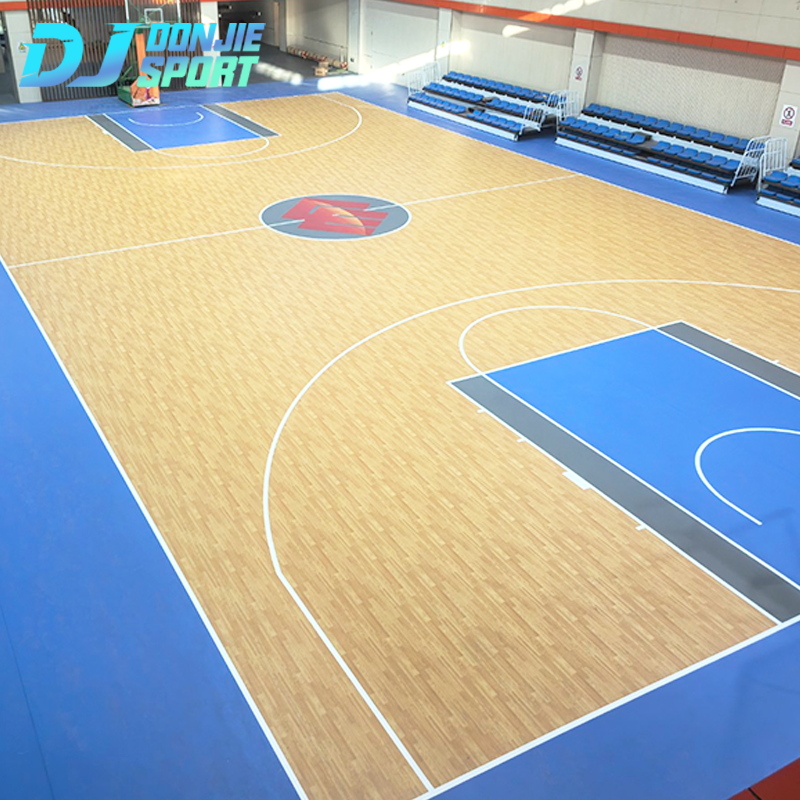
Understanding Basketball Court Flooring Types
When it comes to choosing the right flooring for your basketball court, different materials offer varying levels of durability, maintenance needs, and performance. Understanding these options will help you make an informed decision that aligns with your priorities for longevity and ease of upkeep.
Hardwood Flooring: Pros and Cons
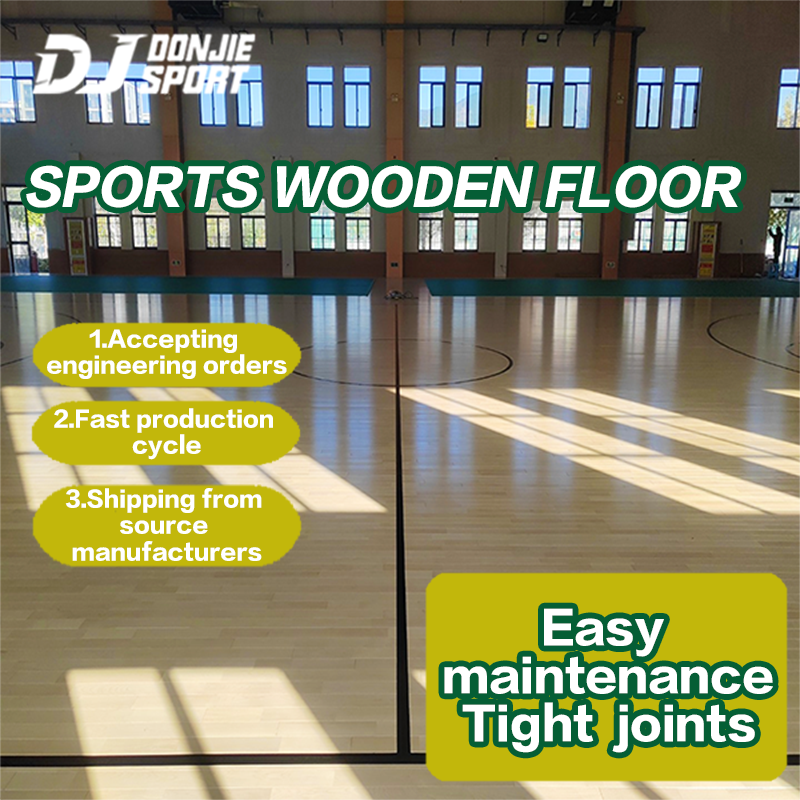
Hardwood floors are the gold standard for basketball courts due to their durability, aesthetic appeal, and superior playing performance. The high-quality surface provides excellent grip, which is critical for safety and gameplay. However, hardwood requires consistent care to maintain its appearance and function. Over time, with constant foot traffic, the surface can become scratched, dented, or worn, especially in high-usage areas. Regular refinishing and resealing can help restore its shine and protect it from further damage.
Vinyl Flooring: Durability and Maintenance
Vinyl basketball court flooring offers a cost-effective and low-maintenance alternative to hardwood. It is resistant to moisture, scratches, and dents, making it ideal for both indoor and outdoor courts. Vinyl surfaces are easy to clean and do not require the same level of upkeep as hardwood. However, vinyl can show signs of wear after extensive use, such as discoloration or slight bubbling at seams. It is crucial to keep vinyl surfaces clean and avoid using harsh cleaning chemicals that could damage the surface.
Rubber Flooring: Ideal Uses and Care Instructions
Rubber flooring is a popular choice for outdoor courts or recreational facilities. It provides excellent shock absorption and is highly resistant to wear and tear. Rubber floors are less prone to damage from impacts, making them a great choice for multi-sport courts. However, they can be more challenging to repair if damaged and may not offer the same aesthetic appeal as hardwood or vinyl. Regular sweeping and occasional cleaning with mild soap and water will help preserve its condition.
Engineered Wood: A Hybrid Solution for Long-Term Performance
Engineered wood combines the beauty of hardwood with enhanced durability and moisture resistance. The layered construction of engineered wood makes it less susceptible to expansion and contraction due to temperature and humidity fluctuations. This flooring type is ideal for areas that experience higher levels of moisture or temperature changes. While engineered wood still requires proper care and maintenance, it is a more stable and long-lasting option compared to solid hardwood flooring.
Factors That Impact the Lifespan of Basketball Court Flooring
Several factors influence how long your basketball court flooring will last. Understanding these can help you take the necessary precautions to protect your investment.
Frequency of Use: High-Traffic Court Management
The more frequently a court is used, the quicker its surface will show signs of wear. High-traffic areas such as the key, free-throw line, and the baseline are particularly susceptible to damage from constant foot traffic. Scheduling regular maintenance, including spot repairs in high-wear areas, can help extend the lifespan of your flooring. Consider limiting access to the court for non-basketball activities to reduce unnecessary wear.
Environmental Conditions: Humidity, Temperature, and Flooring Longevity
Humidity and temperature fluctuations can negatively impact the longevity of certain types of basketball court flooring, especially hardwood. Excessive moisture can cause wood to swell, warp, or develop mold, while dry conditions can lead to cracks and shrinkage. Installing a dehumidifier or climate control system can mitigate these effects and prolong the life of your court. For outdoor courts, ensuring proper drainage and protection from the elements is essential for preserving flooring integrity.
Quality of Installation: How Proper Installation Can Extend Lifespan
One of the most crucial factors in ensuring the longevity of your basketball court flooring is the quality of installation. Improperly installed flooring can lead to uneven surfaces, poor adhesion, and premature wear. Hiring professional installers who specialize in basketball court floors can ensure the proper application and alignment, which will maximize the floor’s lifespan.
Maintenance Practices: Cleaning, Sealing, and Other Upkeep Tips
Routine maintenance is key to maximizing the lifespan of your flooring. For hardwood courts, regular cleaning, refinishing, and resealing are essential to maintain both its appearance and functionality. Vinyl and rubber floors require less intensive upkeep but should still be swept and cleaned frequently to prevent dirt buildup. Always use manufacturer-approved cleaners and avoid abrasive tools that could damage the surface.
Essential Maintenance Tips for Basketball Court Flooring
Proper maintenance can make all the difference in the lifespan of your basketball court flooring. Here are some essential maintenance tips to follow:
Regular Cleaning: Best Practices for Sweeping, Mopping, and Using the Right Cleaning Products
Sweeping the floor regularly is the first step in keeping it in good condition. Dust and debris can create abrasions over time, leading to surface damage. For hardwood floors, use a microfiber mop to remove dirt without scratching the surface. Vinyl and rubber floors can be mopped with a damp cloth and a mild detergent. Avoid using harsh chemicals or abrasive pads that could damage the finish.
Protective Measures: Using Floor Mats, Furniture Pads, and the Importance of Limiting Heavy Equipment on the Surface
To minimize wear, use floor mats at entry points to prevent dirt and moisture from being tracked onto the court. Additionally, consider using furniture pads or other protective coverings if heavy equipment is used on the court. Limiting the use of the floor for non-sporting activities will also help preserve its condition.
Refinishing Hardwood Floors: When and How to Refinish to Maintain Optimal Conditions
Refinishing is necessary for hardwood basketball courts to restore their appearance and ensure optimal performance. Depending on the amount of use, refinishing should be done every 3-5 years. This process involves sanding the surface to remove damage and applying a fresh coat of sealant to protect it. Consult a professional to determine the best time to refinish and the right products for your specific flooring.
Sealing and Coating: Importance of Periodic Sealing to Protect Against Wear and Tear
Sealing your basketball court flooring helps protect it from moisture, dirt, and physical wear. For hardwood floors, resealing should be done every few years, while vinyl and rubber floors may only need occasional touch-ups. The right coating can also help improve the floor’s grip and prevent it from becoming slippery during intense games.
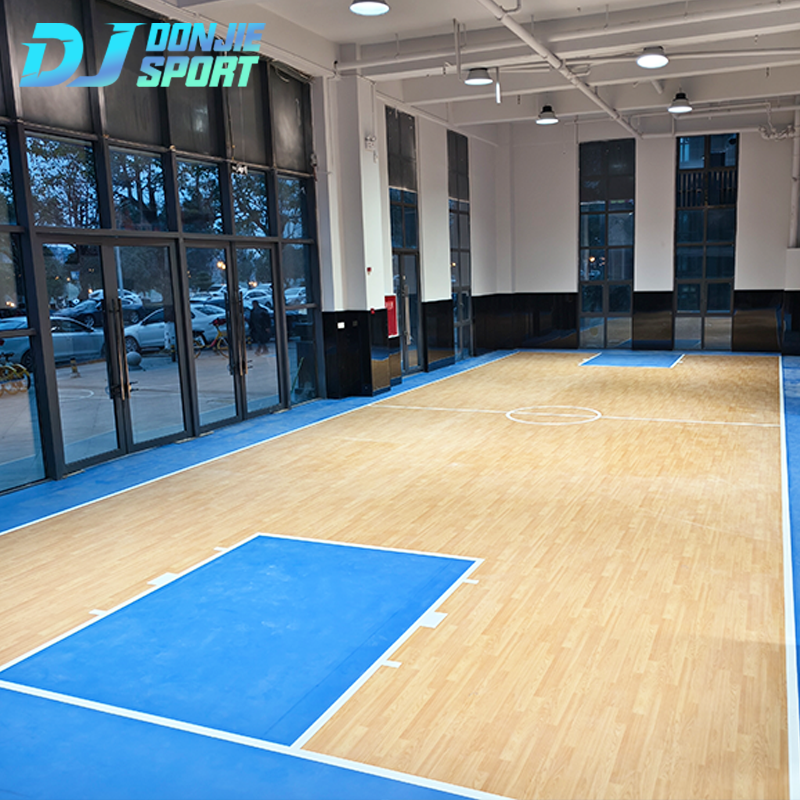
How to Prevent Common Damage to Basketball Court Flooring
Scratches and Scuffs: Prevention and Repair Techniques
Scratches and scuffs are common on basketball courts, especially in high-traffic areas. To prevent them, encourage players to wear proper footwear and keep the court clean. If scratches do appear, they can often be repaired with a floor repair kit designed for your specific flooring material.
Water Damage: Preventing and Handling Water Exposure
Water damage can cause warping, mold, and discoloration, particularly in hardwood and engineered wood floors. To prevent water damage, keep the floor dry at all times and address spills immediately. For outdoor courts, ensure proper drainage to prevent water from pooling on the surface.
UV Damage: Protecting the Floor from Sun Damage
Ultraviolet (UV) rays from the sun can cause flooring materials, especially wood and vinyl, to fade and degrade over time. Installing window coverings or UV-blocking films can help protect the floor from harmful rays and preserve its appearance.
Wear and Tear from Sports Activities: Understanding How Different Sports Affect Flooring
Different sports activities can place unique stresses on basketball court floors. For example, intense dribbling and pivoting can cause abrasions, while frequent stopping and starting can result in surface damage. Use floor protectors for non-basketball activities, and always monitor the condition of the flooring to address any damage promptly.
Professional Maintenance and Repairs
When to Call a Professional: Identifying Issues That Need Expert Attention
While routine cleaning and basic maintenance can be handled in-house, certain issues require professional attention. If your basketball court flooring has significant wear, deep scratches, or water damage, it’s time to call in an expert. Professionals can perform refinishing, repair damages, and ensure that your court remains in peak condition.
Cost of Professional Maintenance: Understanding the Value of Expert Services
Professional maintenance may seem like an added expense, but it is a worthwhile investment in preserving the quality and longevity of your flooring. The cost of refinishing, sealing, or repairing a court is typically much lower than replacing the flooring entirely.
Long-Term Benefits of Professional Care: How Hiring Professionals Can Increase the Lifespan of Your Flooring
Professional care can extend the lifespan of your basketball court flooring by ensuring that maintenance is done correctly and promptly. A well-maintained court will not only last longer but will also continue to provide a safe and high-performance environment for players.
Maximizing Flooring Performance with Proper Storage
Proper Storage of Equipment: How to Store Basketball Equipment to Minimize Floor Damage
Improper storage of basketball equipment can cause unnecessary damage to the court. Always store basketballs, gym equipment, and other items off the court when not in use to prevent scuffs and dents. Use storage units or shelves to keep equipment organized and out of the way.
Protecting the Floor During Off-Seasons: Tips for Safeguarding Your Court During Extended Periods of Non-Use
During off-seasons or extended periods of non-use, it’s essential to protect the court from dust, debris, and environmental factors. Covering the floor with a protective tarp or mat and maintaining proper climate control can help preserve the integrity of the flooring during these times.
Conclusion
To ensure that your basketball court flooring remains in excellent condition for years to come, consistent care and maintenance are essential. From routine cleaning to professional refinishing, every step you take will contribute to extending the life of your court. By understanding the unique needs of your flooring material, protecting it from common damage, and investing in regular professional care, you can maximize the performance and durability of your basketball court.