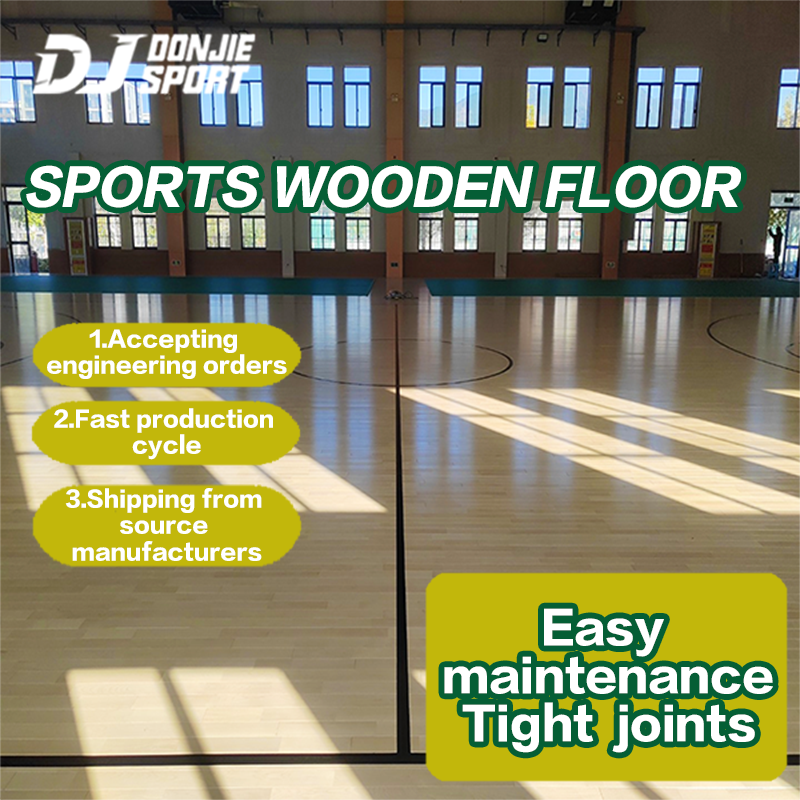
A basketball court is more than just a place to play—it’s where athletes push their limits, where competitive energy flows, and where countless games are played. However, the wooden floor beneath the action is often subjected to immense wear and tear. Over time, dirt, scratches, moisture, and heavy use can all lead to deterioration. To ensure that your court remains in prime condition, it’s essential to implement a solid maintenance strategy.
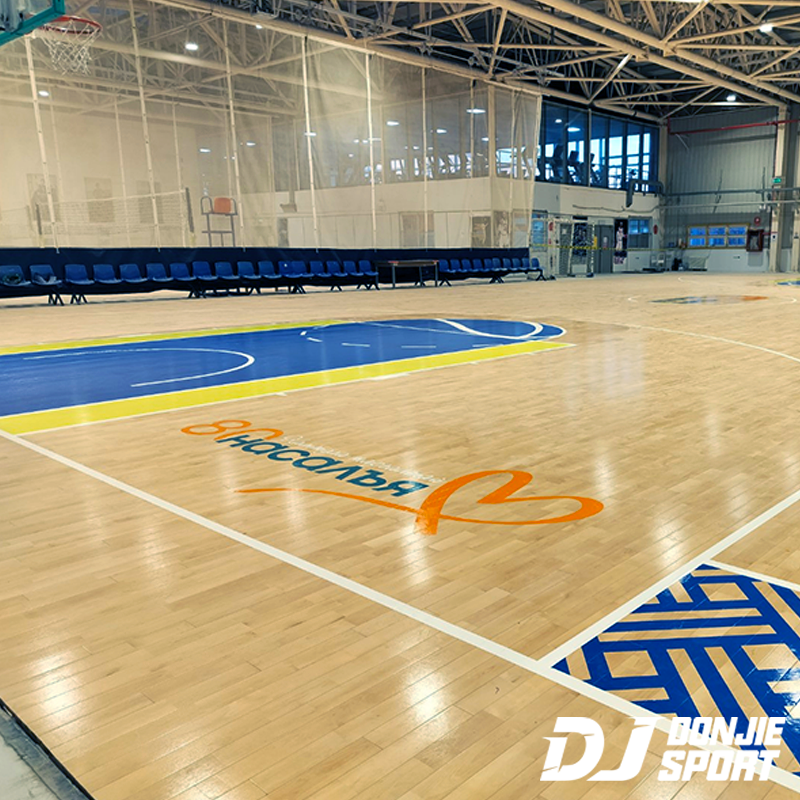
Regular Maintenance is Key
Regular maintenance is the first line of defense against wear and tear on your basketball court wood floor. Frequent cleaning and routine inspections can prevent minor issues from developing into major problems.
-
Importance of Routine Inspections: Begin by inspecting the floor regularly for signs of wear, such as cracks, scratches, or areas where the finish may have worn away. Identifying problems early on allows you to take action before they worsen. For high-traffic areas, pay extra attention to spots where shoes may cause the most friction.
-
Cleaning Tips for Basketball Court Wood Floors: Regular cleaning removes dirt and debris that can cause scratches over time. Sweep the court at least once a day with a soft-bristle broom to prevent dust buildup. Additionally, use a microfiber mop with a wood-safe cleaning solution for deep cleaning. Avoid using harsh chemicals or excessive water, as they can damage the wood finish.
-
Recommended Cleaning Products for Wood Floors: Choose cleaners designed specifically for wood floors. Avoid wax-based or abrasive products, as they can leave a sticky residue and create an uneven surface. Opt for pH-balanced wood floor cleaners that are gentle yet effective.
Preventive Measures to Avoid Scratches and Scuffs
Prevention is always better than cure, and this holds true for your basketball court wood floor. Taking proactive measures to protect the surface from scratches and scuffs can help maintain its appearance and durability.
-
The Role of Protective Mats and Pads: To avoid damage from heavy equipment and furniture, place protective mats or pads under items that are frequently moved or stored on the court. These will absorb impact and reduce friction, preventing scuff marks and scratches.
-
Proper Footwear for Players: One of the main causes of wear on basketball court wood floors is players’ shoes. Encourage players to wear non-marking, soft-soled shoes that are designed specifically for indoor basketball courts. These shoes help reduce the risk of scuffing and scratching the surface during play.
-
Furniture and Equipment Placement Guidelines: If the court is used for events or other activities, ensure that any furniture or equipment placed on the floor has protective coverings, like rubber feet, to prevent damage. When moving items across the floor, lift them instead of dragging to avoid creating scratches.
Restoring the Shine: Sanding and Refinishing Your Court
Even with regular maintenance, wear and tear will eventually take its toll on your basketball court wood floor. Fortunately, sanding and refinishing are effective ways to restore its appearance and improve its resilience.
-
When and Why Sanding is Necessary: Over time, your wood floor may show signs of heavy use, including surface scratches, discoloration, and worn spots. Sanding the floor removes the old finish and any damaged layers, restoring the surface to a like-new condition. Typically, refinishing is needed every few years, depending on usage and the floor’s overall condition.
-
Step-by-Step Guide to Refinishing Your Wood Floor: Refinishing involves sanding the entire surface, cleaning off the dust, and then applying a fresh coat of finish. Make sure to hire a professional for this task if you’re unsure, as improper refinishing can cause more damage. Ensure that the finish you use is appropriate for high-traffic areas and can withstand the physical demands of a basketball court.
-
Choosing the Right Finish for Your Court: The right finish is essential for maintaining your floor’s durability. Polyurethane finishes are commonly used on basketball courts due to their high durability and resistance to abrasions. Matte finishes can also be chosen for aesthetic purposes, but they tend to require more frequent maintenance.
Controlling the Environment
Environmental factors, particularly temperature and humidity, can significantly impact the lifespan of your basketball court wood floor. Maintaining a stable environment is crucial for preventing damage caused by swelling, warping, or cracking.
-
Temperature and Humidity Control for Wood Floor Preservation: Wood is a natural material that reacts to environmental changes. Excessive heat can cause the wood to shrink, while high humidity can lead to swelling. Install a climate control system that ensures the temperature stays between 60°F and 80°F, with humidity levels ideally kept between 35% and 55%. This will help maintain the integrity of the wood over time.
-
How Moisture Affects the Wood Surface: Excess moisture can cause wood to expand and buckle. It’s essential to fix any leaks immediately and use dehumidifiers if necessary, especially in areas that are prone to high humidity, like basements or gymnasiums with poor ventilation.
-
Recommended Climate Conditions for Basketball Court Wood Floors: To preserve the floor’s condition, it’s essential to maintain a consistent climate. Avoid sudden temperature changes or allowing the court to be exposed to direct sunlight for prolonged periods. This will help avoid excessive wear and prevent warping or cracking of the wood.
Investing in High-Quality Wood Flooring
When installing a new basketball court, choosing high-quality wood flooring can make a huge difference in terms of durability and long-term care. Not all wood is created equal, so it’s essential to invest in materials that can stand up to the rigors of regular basketball play.
-
Why Choosing Durable Wood Makes a Difference: High-quality hardwood, such as maple, is commonly used in professional basketball courts due to its strength, resilience, and ability to absorb impact. It’s more resistant to scratching and denting compared to softer woods, making it ideal for areas with heavy foot traffic.
-
The Benefits of Premium Finishes and Materials: In addition to high-quality wood, choosing a top-tier finish ensures the surface remains protected from dirt, moisture, and abrasion. Premium finishes also improve the overall look of the floor, adding a level of elegance that can elevate the court’s aesthetics.
-
Comparing Different Wood Types for Basketball Courts: Maple is the most common wood used for basketball courts because of its durability, but oak and cherry are also excellent choices. Consider the specific needs of your court before making a decision—whether it’s for professional competition or recreational play.
Repairing Damage Quickly
Even with the best maintenance, accidents can happen, and minor damage to your basketball court wood floor is inevitable. Addressing these issues promptly will prevent them from escalating into bigger problems.
-
How to Handle Small Cracks and Dents: For minor cracks and dents, you can use wood filler to fill in the gaps and then sand the area smooth. Be sure to match the color of the filler to the wood to maintain a consistent appearance. Once the repair is dry, reapply the finish to protect the repaired area.
-
Professional vs. DIY Repairs: While some minor repairs can be handled on your own, more extensive damage (such as deep gouges or significant structural issues) may require the help of a professional. Consider hiring a flooring expert to address major concerns to ensure the work is done properly.
-
When to Call in the Experts: If the damage is widespread, or if you are unsure about how to properly repair the floor, it’s always better to call in a professional. Attempting a DIY fix could lead to further damage and costly repairs in the future.
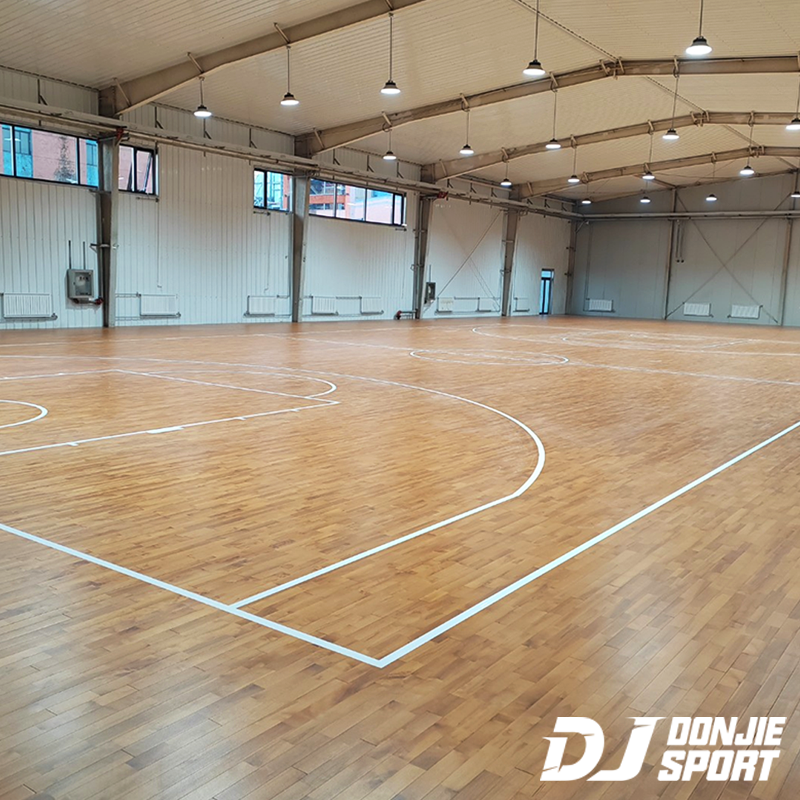
Protecting the Court During Off-Season
During periods of low use, such as the off-season, it’s crucial to take extra steps to protect your basketball court wood floor. These periods of inactivity provide a great opportunity to maintain the floor and prevent unnecessary damage.
-
Steps to Take During Periods of Low Use: Clean and inspect the floor before storing any equipment. Ensure that no furniture or heavy items are placed on the court. If the court will not be used for an extended period, consider covering it with a protective tarp or mat to shield it from dust and debris.
-
Covering and Storing the Court to Prevent Damage: If the court is not being used for a while, cover it with a breathable, protective cover to prevent exposure to dust, dirt, or moisture. Avoid using plastic tarps, as they can trap moisture and cause damage. Use a fabric cover designed for wood floors that allows air circulation.
Conclusion
Protecting your basketball court wood floor from wear and tear is essential to maintaining its beauty and functionality over the long term. By incorporating regular maintenance, preventive measures, and proper care, you can ensure your court stays in top shape for many years. With these tips, you’ll not only extend the life of your court but also ensure that it remains a safe and attractive place for players to compete.