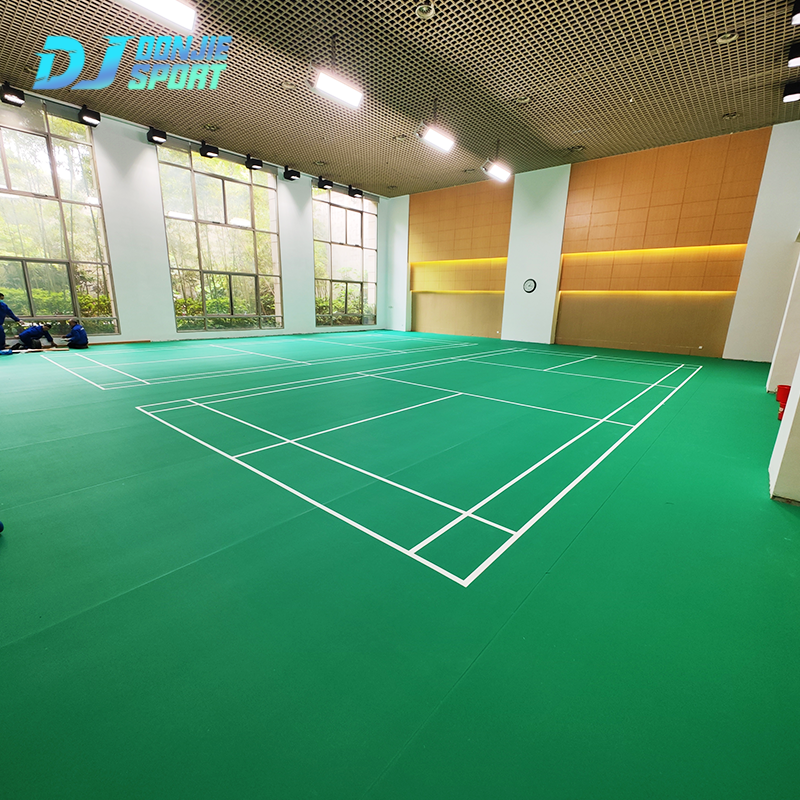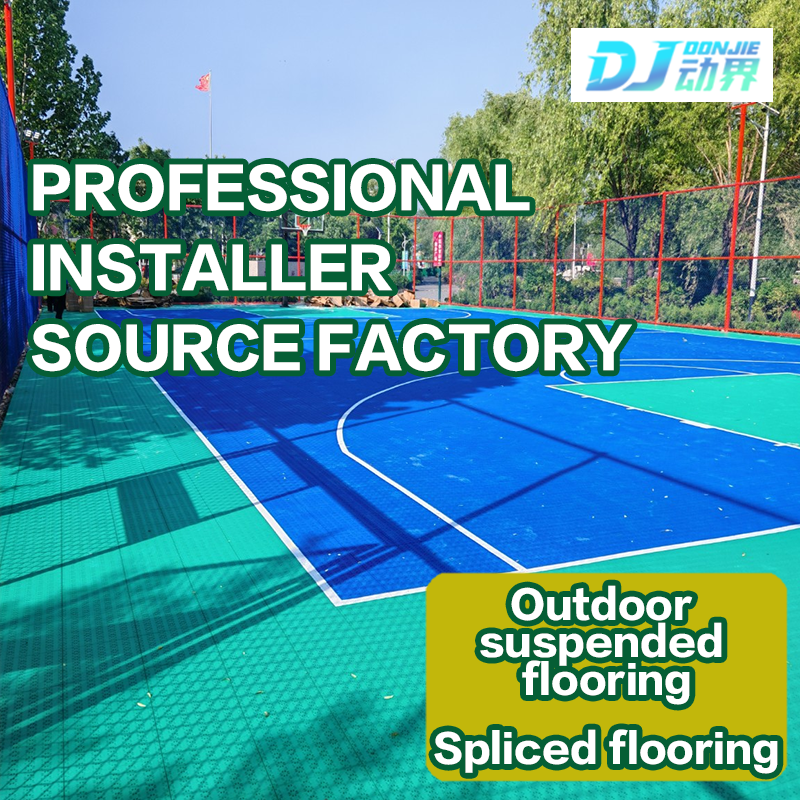
A well-maintained sports hall floor is crucial for both safety and performance, especially in environments like gyms, sports centers, and recreational facilities. Over time, heavy use can cause wear and tear, leading to potential safety hazards and aesthetic issues. Refurbishing your sports hall floor can be costly, but there are budget-friendly ways to refresh your floor without breaking the bank. In this guide, we will show you how to refurbish your sports hall floor affordably, focusing on practical tips that can extend the life of your flooring.

Understanding Your Sports Hall Floor
Before embarking on any refurbishment project, it’s essential to understand the type of flooring in your sports hall. Different flooring materials, such as wood, vinyl, or synthetic surfaces, require different maintenance and repair approaches.
-
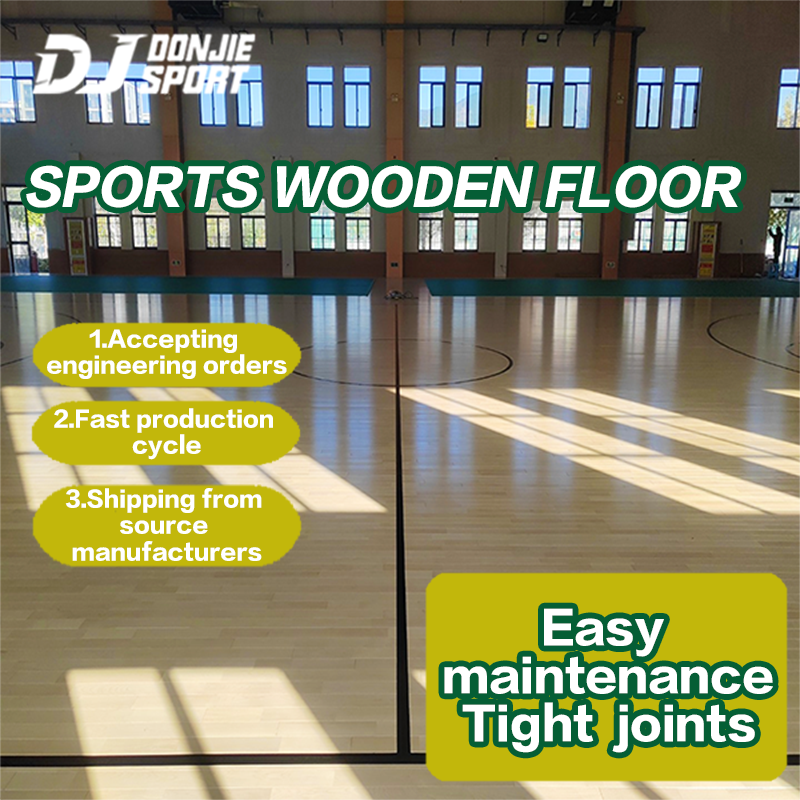
Wood Flooring: Wood floors can suffer from scratches, dents, and discoloration over time, especially in high-traffic areas. The refinishing process, including sanding and resealing, can bring the floor back to life.
-
Vinyl Flooring: Vinyl is durable but can get damaged by heavy equipment or moisture, leading to cracks or tears. Replacing sections of the floor might be more economical than complete replacement.
-
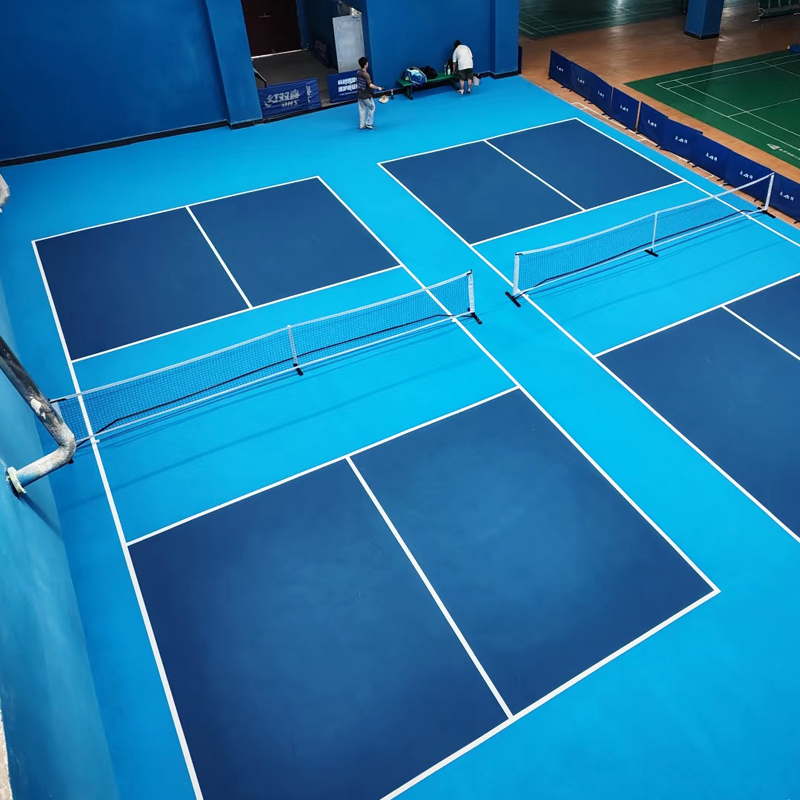
Synthetic Flooring (e.g., for pickleball courts): Synthetic floors are often used in sports halls for courts like pickleball, offering durability and ease of maintenance. However, these floors may need occasional resurfacing and repair of damaged areas.
By identifying the type of floor and the specific issues it faces, you can determine the most cost-effective refurbishment methods.
Assess the Condition of the Floor
The first step in refurbishing your sports hall floor is to conduct a thorough assessment. Look for visible signs of damage, such as:
-
Cracks: Cracks can develop over time, especially in wooden or vinyl floors. Small cracks can often be filled and refinished, but larger cracks may require replacement.
-
Wear Spots: Areas that see high traffic (e.g., near entrances, in the middle of courts) may have worn-out finishes or exposed underlayers. These spots can often be patched or refinished.
-
Stains: Stubborn stains, especially on synthetic or vinyl floors, can sometimes be removed with specialized cleaners or by refinishing the surface.
Once you’ve identified the areas that need attention, you can prioritize repairs based on the severity of the damage. For example, minor surface wear can be addressed with cleaning and refinishing, while more significant structural damage may need a professional’s help.
DIY Maintenance vs. Professional Help
Many simple refurbishing tasks can be done yourself, saving money and extending the life of your sports hall floor. However, there are instances when professional assistance is the better option. Here’s a breakdown of what you can do yourself and when you should hire a professional:
-
DIY Maintenance:
-
Cleaning and Staining: Regular cleaning helps prevent dirt buildup that can lead to scratches and stains. You can also use wood stains or vinyl cleaners to freshen up the look.
-
Minor Repairs: Filling small cracks in wood flooring or vinyl sections can often be done with minimal effort and expense.
-
Refinishing: Sanding and resealing wood floors can be done by a skilled DIYer with the right equipment.
-
-
Professional Help:
-
Major Repairs: Large cracks or structural damage may require professional intervention, especially if the floor needs to be replaced.
-
Surface Resurfacing: For synthetic floors (like pickleball courts), resurfacing may require specialized equipment and expertise.
-
Balancing your budget with DIY skills and professional services is key to keeping the refurbishment cost-effective.
Choose Budget-Friendly Flooring Solutions
If replacing parts of the floor is necessary, there are many affordable flooring options to consider. Here are some choices that won’t break the bank:
-
PVC Flooring: PVC or vinyl flooring is a popular and budget-friendly choice for sports halls, including pickleball courts. It’s easy to clean, durable, and available in various styles. Additionally, PVC flooring often allows for simple tile replacement, so you don’t have to replace the entire floor if one section is damaged.
-
Rubber Flooring: Rubber is another cost-effective material that can withstand heavy traffic and impacts. It’s particularly useful for high-impact sports and areas like gymnasiums.
-
Refinished Wood: If your sports hall has wooden floors, refinishing can be much cheaper than replacing the entire floor. By sanding and resealing the wood, you can restore its appearance and functionality for a fraction of the cost.
In some cases, replacing only a section of the floor is a smart move. For example, if only the area around the pickleball court is damaged, you can replace those specific tiles or panels instead of the entire surface.
Refinishing and Resurfacing
Refinishing your sports hall floor is one of the most cost-effective ways to refresh it. The process may vary depending on the type of flooring:
-
Wood Floors: Sanding and refinishing wood floors can eliminate scratches, dents, and discoloration. After sanding, apply a fresh coat of sealant to restore the shine and protect the surface from further wear.
-
Vinyl Floors: For vinyl floors, applying a new coat of polish can help restore their luster. If the damage is more significant, you may need to replace individual tiles.
-
Synthetic Flooring: Resurfacing synthetic floors (such as those used for pickleball courts) involves applying a fresh layer of material to the surface. This can be done professionally or with DIY kits, depending on the level of expertise required.
Refinishing is a cost-effective method that allows you to breathe new life into your floor without the expense of a complete replacement.
Maintenance Tips to Prolong the Life of Your Sports Hall Floor
Maintaining your refurbished sports hall floor is just as important as the refurbishment itself. Regular upkeep can prevent costly repairs in the future. Here are some tips:
-
Routine Cleaning: Clean your sports hall floor regularly to remove dirt, debris, and moisture. Use gentle, non-abrasive cleaning solutions to avoid damaging the surface.
-
Inspection: Perform regular checks to identify minor issues before they become major problems. Early intervention can save you a lot of money in repairs.
-
Floor Protectors: Consider using floor protectors in high-traffic areas or when setting up heavy equipment. This will reduce wear and tear on your flooring.
-
Resealing: For wood floors, resealing every few years can protect the surface from moisture damage and wear.
A proactive maintenance routine can help keep your sports hall floor in excellent condition for years, reducing the need for future refurbishments.
Conclusion
Refurbishing your sports hall floor on a budget is entirely possible with the right strategies. Start by assessing the condition of your floor, and then decide whether DIY maintenance or professional help is necessary. Choose budget-friendly flooring solutions like PVC or rubber, and consider refinishing and resurfacing to extend the life of your existing floor. With regular maintenance, you can ensure that your sports hall floor stays in top condition without breaking the bank.