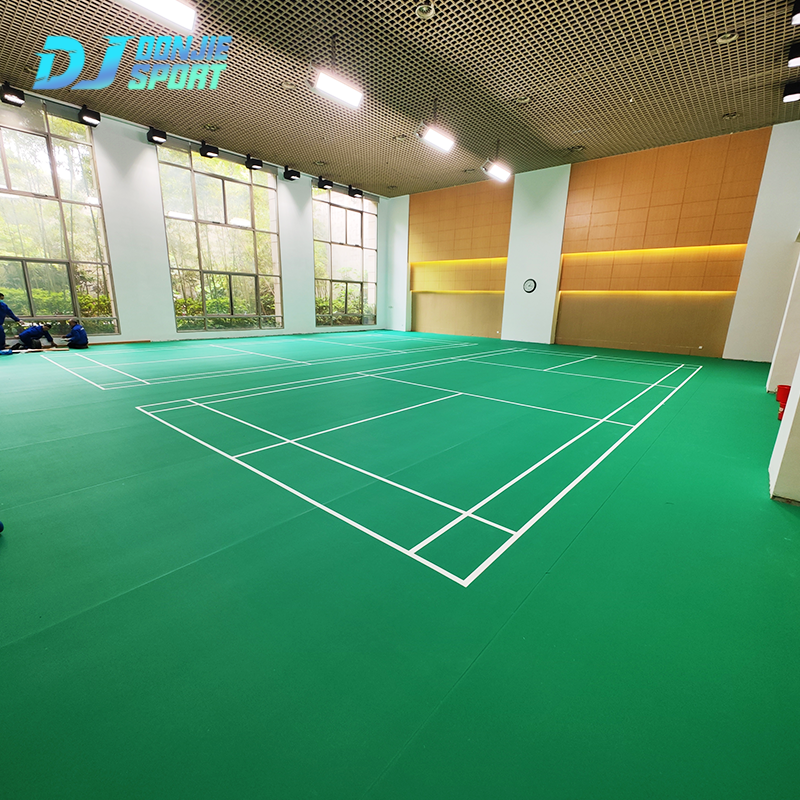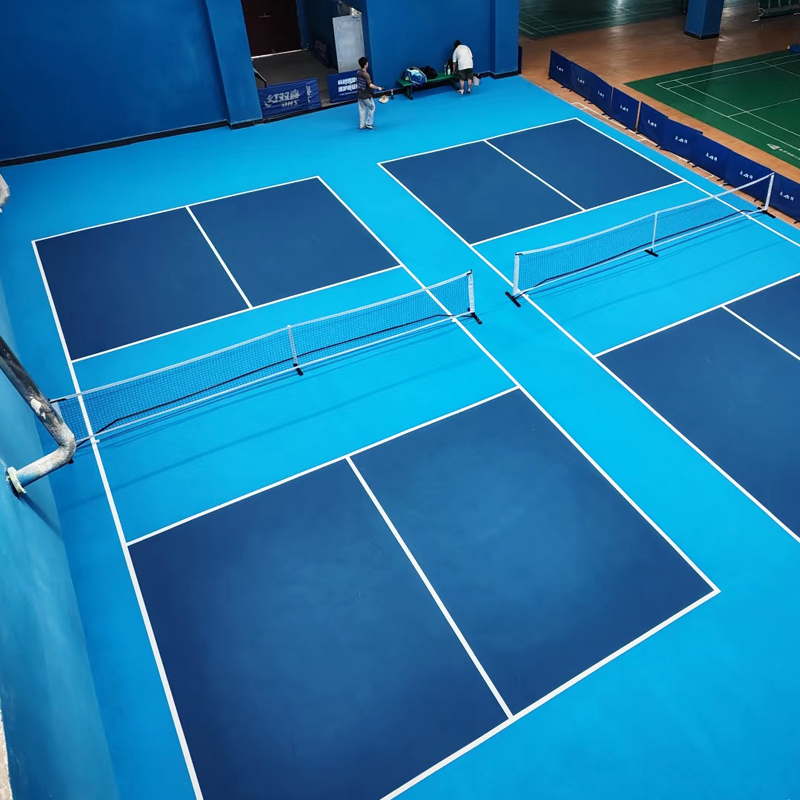
The flooring in a sports hall is more than just a surface—it’s the foundation for safe, high-performance athletic activities. Over time, wear and tear from heavy foot traffic, sports equipment, and general usage can damage the floor, affecting both performance and safety. This is why floor refurbishment is essential for maintaining an optimal environment in sports halls. Refurbishing your sports hall floor not only restores its aesthetics but also ensures it meets safety standards, improving comfort and reducing the risk of injuries. Timely refurbishment prevents the need for more extensive (and expensive) repairs later, ensuring the floor remains in top condition for athletes.
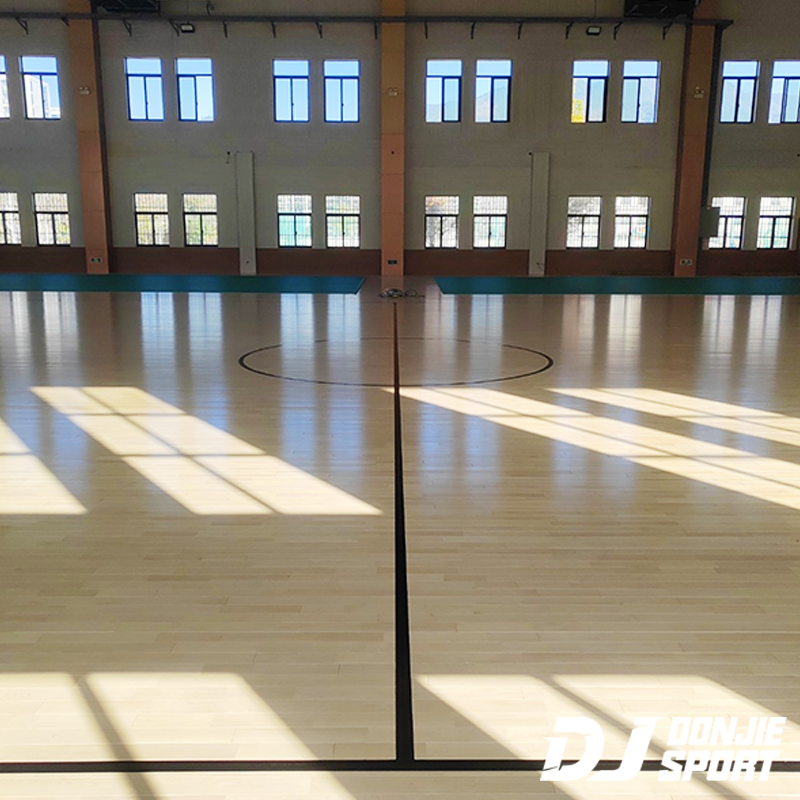
Understanding the Costs Involved in Sports Hall Floor Refurbishment
Refurbishing a sports hall floor can vary significantly in cost depending on several factors. The primary costs include labor, materials, and equipment required for the job. Materials like wood, PVC, and rubber come with different price points, and the quality of these materials will directly influence the final cost. Additionally, labor costs can vary based on the complexity of the refurbishment.
While initial costs can seem high, the long-term benefits of refurbishing are undeniable. By restoring the floor to its original condition, you avoid further damage that could require more expensive repairs or replacements down the road. Regular refurbishments can also extend the life of your flooring, reducing the overall cost over time.
Factors That Affect the Cost and Time of Refurbishment
Several factors influence both the cost and time required for a sports hall floor refurbishment. Understanding these can help you make more informed decisions and plan effectively.
-
Type of Flooring Material:
Whether you’re working with hardwood, PVC, or rubber flooring will play a major role in the cost and time of the refurbishment. Hardwood floors may require sanding, refinishing, and polishing, while PVC or rubber flooring might just need to be cleaned and repaired. Each material has a different maintenance process, affecting the overall timeline and budget. -
Extent of Wear and Tear:
The level of damage the floor has sustained will determine the scale of the refurbishment. Floors with minimal damage may only need a partial repair, such as patching up small sections. In contrast, floors with significant wear might require a complete replacement or resurfacing, leading to higher costs and a longer refurbishment timeline. -
Customization and Design Needs:
If your sports hall requires specific designs, logos, or custom patterns, this can add both time and cost. Customizations are typically more expensive and may require longer setup times, especially if special materials or techniques are needed. -
Full Refurbishment vs. Partial Repair:
Opting for a full refurbishment often involves complete removal and replacement of the flooring, which takes longer and costs more. However, a partial repair, where only the damaged sections are addressed, can save both time and money, especially if the damage is localized.
Tips for Saving Time on Sports Hall Floor Refurbishment
Time management is crucial in any refurbishment project. Delays in flooring installation can disrupt your sports hall’s operations, so it’s important to plan carefully to minimize downtime.
-
Plan and Schedule in Advance:
One of the best ways to save time is by planning well ahead of the refurbishment. Scheduling the work during off-peak hours or during planned breaks in activity will help you avoid disruptions. A clear timeline ensures that the project stays on track and doesn’t drag on unnecessarily. -
Choose the Right Contractors:
Choosing a professional contractor with experience in sports hall flooring can significantly reduce the time it takes to complete the job. Make sure the contractors you select have a good track record with similar projects and can work efficiently within the timeline. -
Prep the Hall in Advance:
Minimizing the time spent on site prep can help speed up the overall process. Ensure that the sports hall is cleared of equipment and other obstructions before the work begins. The quicker the preparation, the quicker the flooring team can get started. -
Consider Quicker Installation Methods:
Some flooring options, like interlocking tiles or pre-fabricated flooring systems, offer quicker installation times than traditional wood or vinyl options. If time is a primary concern, it may be worthwhile to explore these alternatives.
Money-Saving Strategies for Sports Hall Floor Refurbishment
While refurbishment can be costly, there are ways to save money without sacrificing quality. Here are some tips for keeping your project within budget.
-
Invest in Durable Materials:
Investing in high-quality materials may seem like a larger upfront cost, but it can pay off in the long run by reducing the frequency of repairs and replacements. Materials like commercial-grade PVC or resilient rubber often last longer and require less maintenance, saving you money over time. -
Repair Rather than Replace:
If the damage to the flooring is localized, repairing instead of replacing the entire surface can be a cost-effective option. Small repairs can restore functionality without the need for a full-scale refurbishment, thus reducing costs. -
Get Multiple Quotes:
Always compare quotes from different contractors before making your decision. This will give you an idea of the average cost for the refurbishment, and you can identify the best value for your budget. However, don’t compromise on quality—cheaper options might save money short-term but could lead to higher maintenance costs in the future. -
Leverage Bulk Purchasing for Materials:
If you’re refurbishing a large sports hall or multiple venues, purchasing materials in bulk can help you negotiate discounts with suppliers. Buying flooring in larger quantities can significantly reduce your material costs, which can be a substantial portion of the overall project.
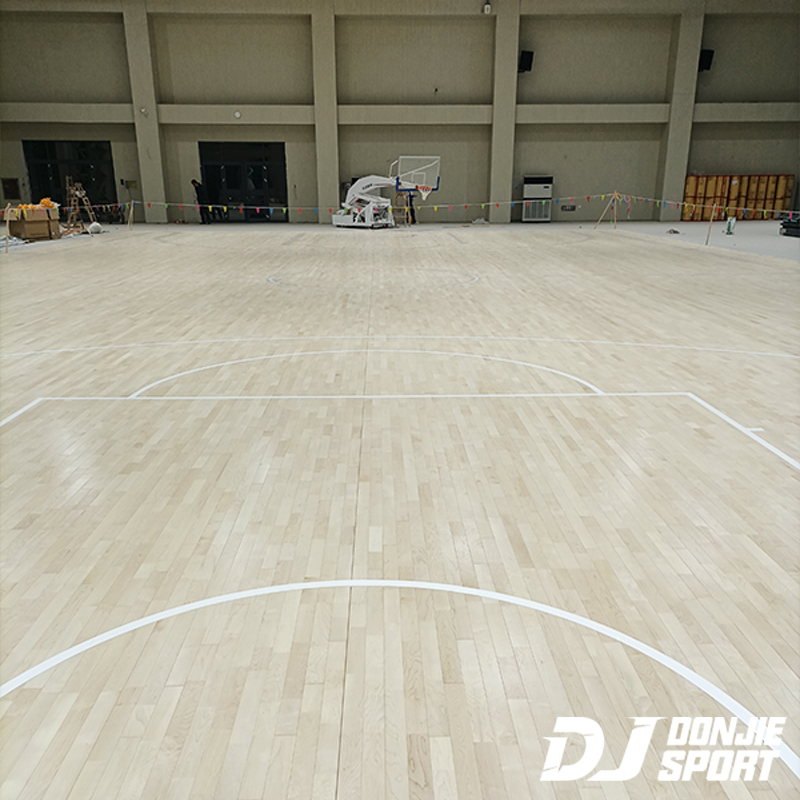
Case Studies: Successful Sports Hall Floor Refurbishments that Saved Time and Money
Looking at examples of other successful refurbishments can provide valuable insights. Many sports halls have managed to save both time and money through careful planning and smart choices.
For instance, one sports hall opted to refurbish its worn-out PVC flooring with a more durable, high-performance variant. Not only did this new flooring save on maintenance costs, but the installation process was also quicker thanks to the easy-to-assemble interlocking tiles. This approach reduced downtime and allowed the facility to reopen faster.
In another case, a large gymnasium opted to repair small sections of the wooden floor rather than replacing the entire surface. By focusing on key damaged areas, they saved a significant amount on materials and labor while still ensuring a safe playing environment.
Key Takeaways for a Successful and Cost-Efficient Refurbishment
Refurbishing sports hall floors is an investment in both the safety and aesthetics of your facility. To save time and money, start by understanding the costs involved, choosing the right materials, and planning carefully. By focusing on the most cost-effective and time-efficient refurbishment strategies, you can extend the life of your flooring while minimizing disruption to your sports hall’s operations. With these strategies in mind, you’ll be able to achieve a successful, cost-efficient refurbishment that meets the needs of both athletes and administrators alike.