Selecting the best basketball court surface for your outdoor arena is one of the most critical decisions you’ll make when planning your court. Whether you are creating a recreational space for the community or a professional-level basketball facility, the surface will have a major impact on gameplay, safety, maintenance, and the overall experience of players. Choosing the right surface not only enhances performance but also ensures that your court can withstand the wear and tear of outdoor conditions.
In this guide, we’ll explore the key factors to consider when selecting an outdoor basketball court surface, helping you make an informed choice. From durability and safety features to material options that match your budget, we’ll cover everything you need to know to create a court that is as functional as it is long-lasting.

Factors to Consider When Choosing the Best Basketball Court Surface
When selecting the best basketball court surface for your outdoor arena, several factors play a crucial role in ensuring that your court is not only high-performing but also durable and safe for players. Let’s explore these factors in detail:
Durability: Why It’s Essential for Outdoor Environments
Outdoor basketball courts are exposed to various environmental elements, such as rain, UV rays, and temperature fluctuations. A durable surface is necessary to withstand these conditions without degrading over time. High-quality surfaces like modular court tiles, concrete, or asphalt are built to resist wear, cracking, and fading, ensuring that your investment lasts for many years.
Traction and Safety: Ensuring Player Safety and Optimal Performance
A basketball court surface should offer the right level of traction. Surfaces that are too slippery can increase the risk of falls and injuries, while those with too much friction can affect player movements and performance. Look for a surface that offers an ideal balance of grip, allowing players to pivot, jump, and run with ease while maintaining safety.
Weather Resistance: Materials That Can Handle the Elements
Weather resistance is a major consideration for outdoor basketball courts. Some materials, like asphalt, can deteriorate under extreme weather conditions, whereas others, like rubber and PVC, are specifically designed to endure all types of climates. Choose a material that is resistant to fading, cracking, and shifting due to exposure to sun, rain, and snow, depending on the climate in your region.
Maintenance Requirements: Ease of Upkeep and Longevity
The amount of maintenance required for your court is another important factor. Some surfaces, like asphalt, may require periodic resealing to maintain their condition, while others, like modular tiles or PVC, are low-maintenance and easy to repair. Choosing a surface with minimal upkeep can save time and money in the long run.
Different Types of Basketball Court Surfaces
Now that we’ve covered the essential factors to consider, let’s dive into the different types of basketball court surfaces available for outdoor arenas. Each surface type has its own set of benefits and drawbacks, and the best choice depends on your specific needs.
Asphalt: Pros, Cons, and Suitability for Outdoor Courts
Asphalt is one of the most popular choices for outdoor basketball courts. It is relatively inexpensive and offers a smooth, even playing surface. Asphalt courts are highly durable and can withstand various weather conditions, but they may require periodic sealing to prevent cracking and deterioration. Asphalt also offers good traction but can be hard on players’ joints over time due to its rigidity.
Concrete: Benefits and Drawbacks for Outdoor Arenas
Concrete surfaces are known for their strength and longevity. Like asphalt, they can handle outdoor elements effectively and provide a stable surface for basketball. However, concrete can become slippery when wet and may require a coating for better grip. It is also more prone to cracking under temperature fluctuations, making it less ideal for certain climates. Concrete can be a more expensive option compared to asphalt.
Modular Court Tiles: Innovative Options for Flexibility and Easy Maintenance
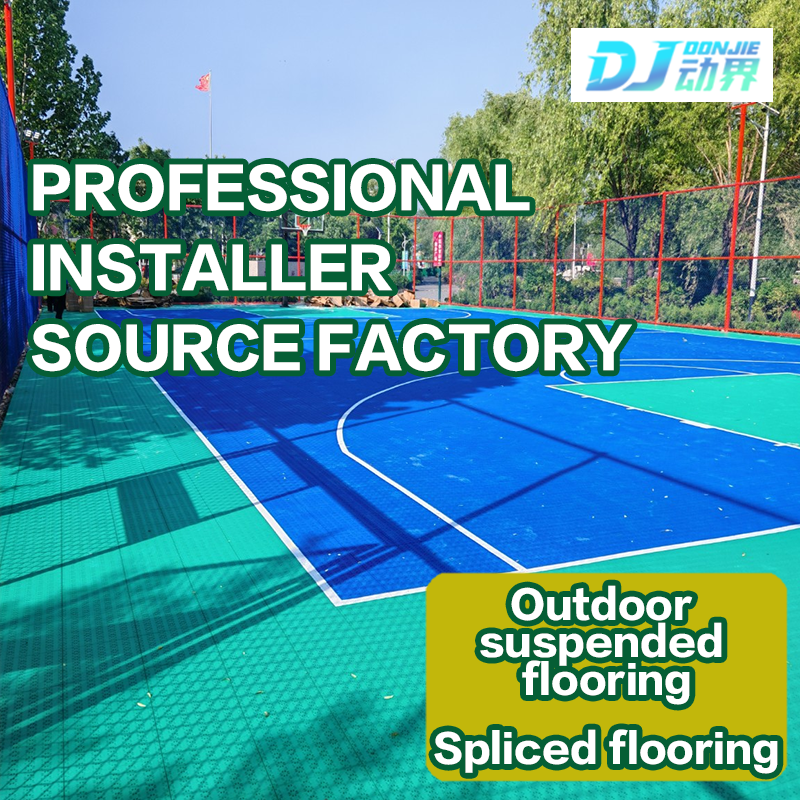
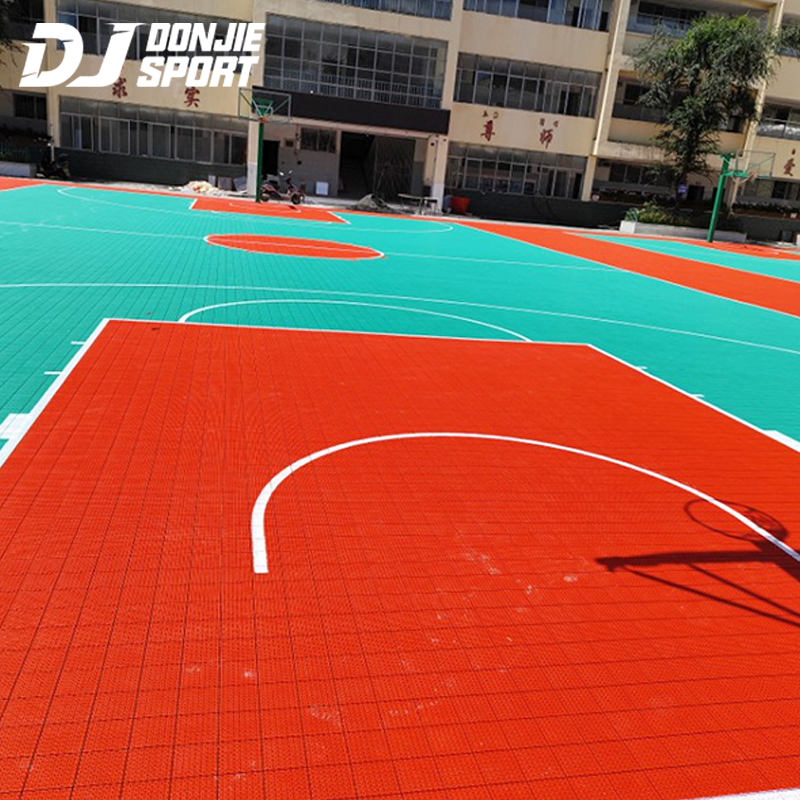
Modular court tiles are a modern and flexible option for outdoor basketball courts. These interlocking tiles are easy to install, maintain, and replace. They offer excellent traction and are available in a variety of materials, including rubber and plastic. Modular tiles are weather-resistant and provide good cushioning, reducing the strain on players’ joints. One of their major advantages is the ability to replace individual tiles if damaged, making them a low-maintenance and long-lasting solution.
Rubber and PVC Surfaces: Benefits for Comfort, Safety, and Performance
Rubber and PVC are two popular materials for outdoor basketball courts, known for their shock-absorbent properties, which enhance player comfort and safety. These surfaces provide excellent grip, reducing the risk of injuries from slipping. They also require minimal maintenance and are resistant to weathering, making them an ideal choice for areas with extreme weather. Additionally, rubber and PVC surfaces are available in a range of colors and patterns, offering both functional and aesthetic value.
How to Match the Best Basketball Court Surface with Your Needs
Selecting the best basketball court surface involves balancing a variety of factors, including budget, usage, and long-term goals. Here’s how you can match the right surface with your needs:
Budget Considerations: Which Surface Gives You the Best Value?
The cost of the surface material plays a significant role in your decision. Asphalt and concrete are relatively affordable options, whereas modular tiles and rubber/PVC may require a higher initial investment. However, if your priority is long-term durability and low maintenance, investing in higher-quality materials may save you money over time due to fewer repairs and replacements.
Intended Use: Are You Building for Recreational Play or Competitive Sports?
If the court is for recreational use, a basic surface like asphalt or concrete may suffice. However, for competitive or professional basketball play, surfaces like modular tiles or rubber/PVC may be better suited due to their superior grip, performance features, and comfort. Consider who will be using the court and what level of performance is required when making your decision.
Long-Term Goals: Planning for Future Maintenance and Upgrades
Think about the future maintenance and upgrades needed for the court. Some surfaces, like asphalt and concrete, may require occasional resealing or repair, while modular tiles and PVC are designed to be low-maintenance and long-lasting. Planning for future upgrades, such as adding more features or improving the playing experience, can also influence your surface choice.
Environmental Impact of Your Surface Choice
Sustainability has become an essential factor in many construction projects, including outdoor sports courts. By choosing eco-friendly materials, you can reduce the environmental impact of your basketball court while still maintaining quality and performance.
Eco-Friendly Surface Options: Sustainability in Basketball Court Construction
Rubber and PVC surfaces are often made from recycled materials, making them a more sustainable option compared to asphalt or concrete. These surfaces are designed to minimize environmental impact during both the manufacturing process and the product’s lifespan. Additionally, modular court tiles, made from recycled plastic, offer a durable and eco-conscious solution that also reduces the need for frequent repairs.
How Choosing the Right Material Can Benefit Your Local Environment
In addition to choosing sustainable materials, it’s important to consider how your surface choice impacts the local environment. Surfaces that promote water drainage or reduce heat island effects, such as rubber or modular tiles, can contribute to a healthier outdoor environment. When selecting a surface, keep in mind how it may contribute to the overall sustainability of the space and the surrounding area.
Making the Best Decision for Your Outdoor Arena
Choosing the best basketball court surface for your outdoor arena involves careful consideration of durability, safety, performance, and long-term costs. Whether you decide on asphalt, concrete, modular tiles, or rubber/PVC surfaces, each material offers distinct advantages depending on your needs. It’s important to assess your budget, the court’s intended use, and the environmental conditions to ensure that your surface choice meets both functional and aesthetic requirements. By taking these factors into account, you can create a basketball court that is safe, durable, and enjoyable for years to come.