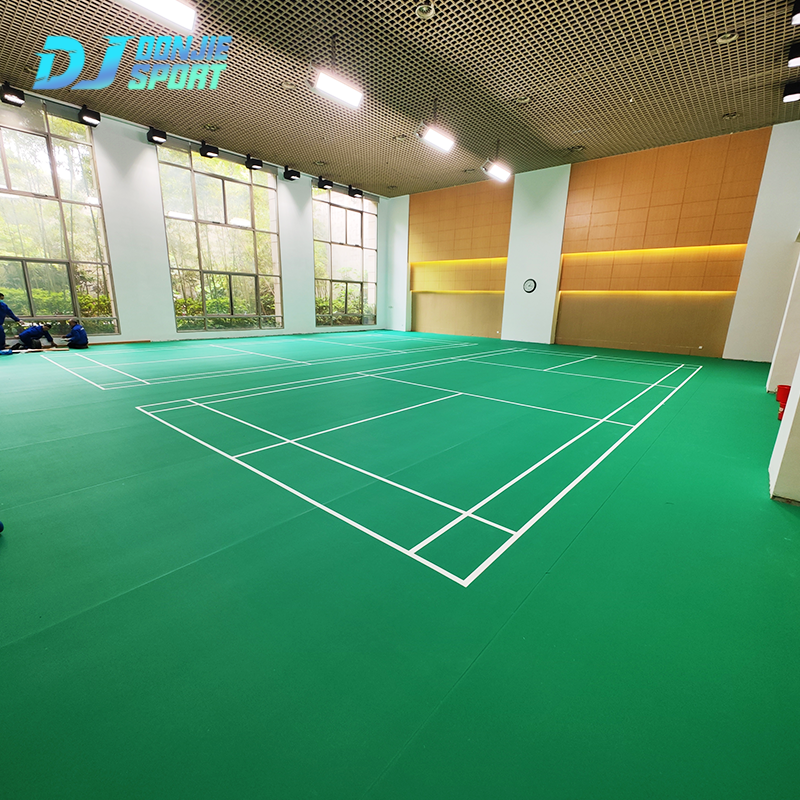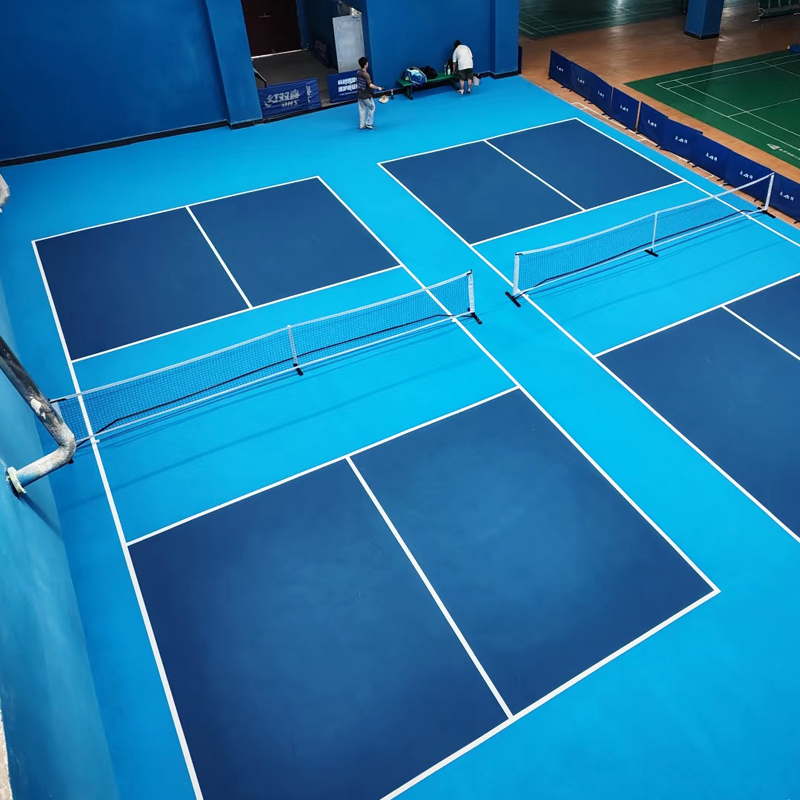
When setting up a table tennis room, the flooring you choose plays a significant role in ensuring the best playing experience. Not only does it affect the overall aesthetic of your space, but it also influences the performance of the players and the safety of the environment. The right flooring can enhance speed, consistency, and comfort, while the wrong flooring could lead to discomfort, poor performance, and even injuries.
In table tennis, the floor is often overlooked in favor of the table and paddles, but it is just as important. Players need a surface that allows them to move quickly and pivot with ease, without worrying about slips or unnecessary strain on their joints. Flooring materials that provide the right amount of grip, shock absorption, and durability are key to ensuring that players can perform at their best.
Selecting the right flooring involves considering factors like comfort, safety, durability, and maintenance needs. With several options available on the market, it can be difficult to know which flooring material is best suited to your specific needs. This guide will walk you through everything you need to know to make an informed decision for your table tennis room.
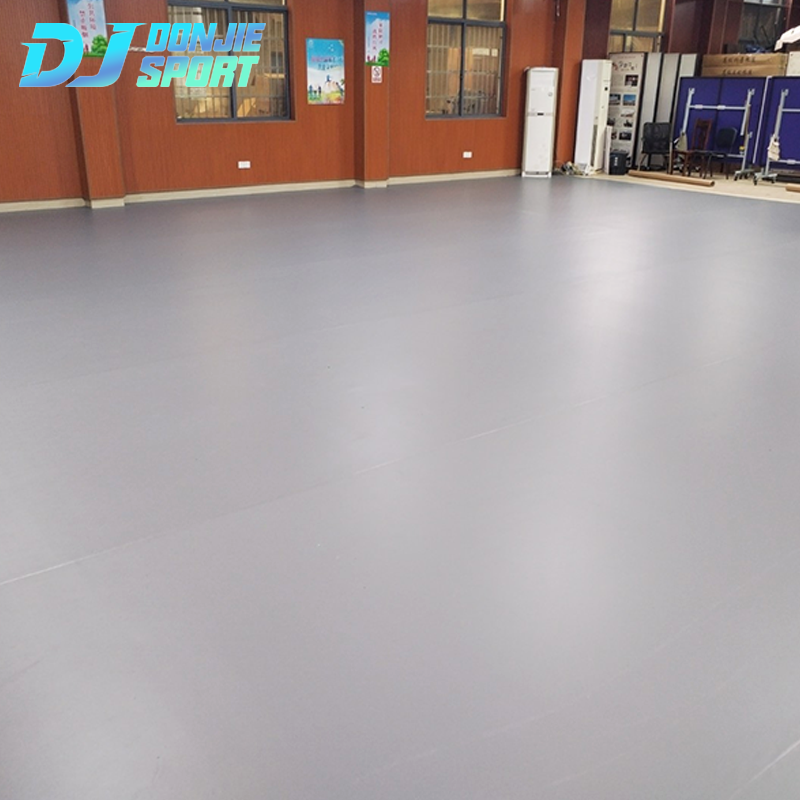
Key Factors to Consider When Choosing Flooring for Your Table Tennis Room
Selecting the right flooring for your table tennis room requires careful consideration of several important factors. Each of these elements impacts not just the aesthetics, but also the safety, comfort, and overall performance during play. Let’s dive into what you should prioritize when making your flooring choice.
-
Durability: Table tennis can be a fast-paced and physically demanding sport. The flooring in your room needs to stand up to heavy foot traffic, fast movements, and repeated impact from the bouncing ball. Flooring that is durable will last longer, maintain its appearance, and reduce the need for frequent replacements.
-
Comfort: A good table tennis floor provides a balanced level of comfort, especially for players who engage in extended sessions. Flooring that is too hard can increase the risk of injury over time, while overly soft surfaces can hinder movement and gameplay. Ideally, the flooring should provide enough cushioning to absorb impact, but not so much that it becomes a hazard.
-
Traction: Traction is essential in preventing slips, falls, and ensuring that players can make fast, controlled movements. Whether you’re playing at a professional level or for recreational purposes, a non-slip surface is critical to safety and overall performance.
-
Shock Absorption: The level of shock absorption in the flooring material is crucial for player comfort, particularly when performing rapid or intense movements. Flooring with good shock absorption reduces the stress on joints and muscles, helping players avoid injury over time.
-
Aesthetic Appeal: While function is the primary concern, the look of your table tennis room should also be considered. The right flooring can elevate the overall aesthetic, adding to the professional feel of the space. A visually appealing floor not only enhances the playing experience but also creates a welcoming environment for players.
Top Flooring Options for Table Tennis Rooms
When it comes to flooring for your table tennis room, there are several materials to choose from. Each type offers different benefits in terms of durability, comfort, and performance. Let’s explore some of the most popular options.
-
PVC Sports Flooring: PVC (Polyvinyl Chloride) is one of the most commonly used materials for sports flooring. It offers excellent durability, resistance to wear and tear, and is easy to maintain. PVC sports flooring comes in a variety of colors and finishes, allowing you to customize the look of your table tennis room. Its non-slip surface provides excellent traction and shock absorption, making it an ideal choice for both amateur and professional players.
-
Rubber Flooring: Rubber flooring is known for its superior cushioning properties, making it an excellent choice for reducing joint stress during play. Its durability and resilience make it suitable for high-traffic areas, and its non-slip nature ensures safety. While it may not offer the same level of customization as PVC, rubber flooring is a cost-effective and practical option for table tennis rooms.
-
Wooden Sports Flooring: For a more traditional look, many high-end table tennis rooms opt for wooden sports flooring. Wood is a classic choice that offers excellent shock absorption, comfort, and aesthetic appeal. However, it requires more maintenance than other flooring types, as it is susceptible to moisture and damage from high-impact use. Wooden floors can also be more expensive, making them a better option for commercial spaces or professional facilities.
-
Vinyl Sports Flooring: Vinyl is a budget-friendly alternative that still offers decent performance. While not as durable or cushioned as PVC or rubber flooring, vinyl sports flooring provides a good balance of cost, comfort, and durability. It is relatively easy to clean and maintain, making it a great option for home table tennis rooms or smaller setups.
Benefits of PVC Sports Flooring for Table Tennis
Among the various flooring options available, PVC sports flooring stands out as one of the best choices for table tennis rooms. Here’s why:
-
Durability: PVC flooring is known for its long-lasting properties. It can withstand the constant movement, impact, and foot traffic typical in table tennis, ensuring that the surface remains in top condition for years.
-
Low Maintenance: PVC floors are easy to clean, making them perfect for high-usage areas. You won’t need to spend much time or effort maintaining the surface, which makes it ideal for both home and commercial settings.
-
Comfort and Shock Absorption: PVC flooring offers an excellent level of cushioning, making it comfortable to play on for long periods. The shock absorption properties help reduce the strain on players’ joints, preventing injury during intense play.
-
Customizability: PVC flooring is available in a wide range of colors, patterns, and textures, allowing you to match the aesthetic of your table tennis room. Whether you prefer a bright, vibrant design or a more neutral look, PVC offers flexibility in your choices.
-
Cost-Effectiveness: While PVC flooring provides a high level of durability and comfort, it is more affordable than wooden or rubber flooring. This makes it a great choice for those who want quality flooring without breaking the bank.
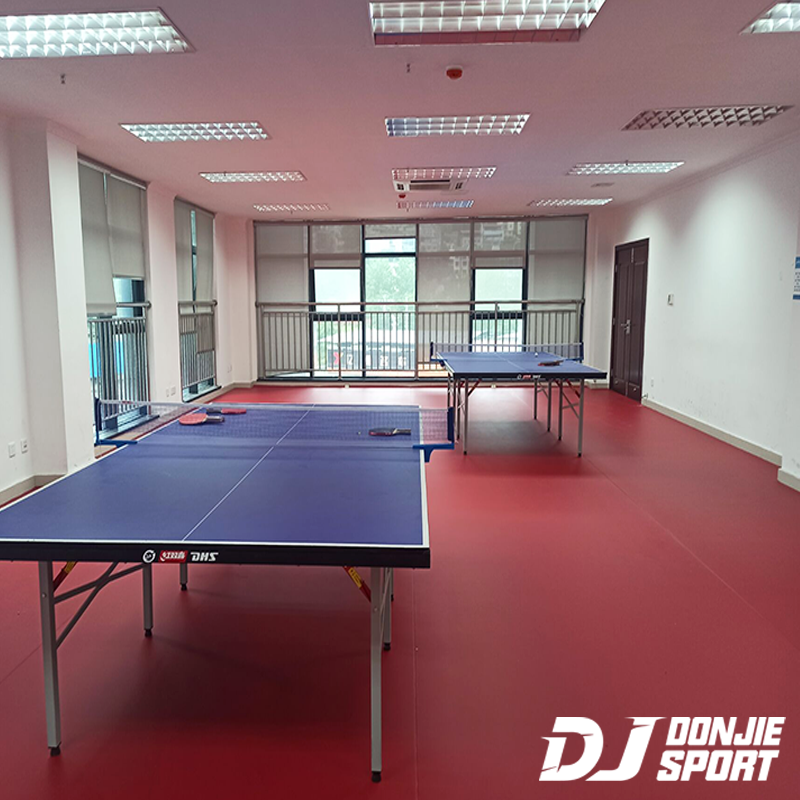
How to Maintain Your Table Tennis Flooring
Proper maintenance is key to ensuring that your table tennis flooring continues to perform well over time. Here are some simple tips for keeping your flooring in optimal condition:
-
Regular Cleaning: Dust, dirt, and debris can accumulate on the floor and affect both its appearance and performance. Sweep the floor regularly with a soft broom or vacuum to keep it clean. For a deeper clean, mop the floor using a mild detergent and water.
-
Addressing Wear and Tear: Over time, certain areas of your flooring may experience wear and tear, especially in high-traffic zones. Keep an eye on these areas and address any damage promptly. Small repairs can help prolong the life of the flooring and prevent further deterioration.
-
Prevent Moisture Damage: Excess moisture can damage the flooring, particularly wood and vinyl. Be sure to clean up spills immediately and avoid excessive exposure to water. For wooden floors, consider applying a protective sealant to prevent moisture from seeping in.
-
Inspect for Safety: Periodically inspect the flooring for any signs of slippage or damage. This will help ensure that the flooring remains safe to use and does not pose a risk to players.
Choosing the Best Flooring for Your Table Tennis Room
When selecting flooring for your table tennis room, it’s important to weigh all factors, including durability, comfort, traction, and aesthetic appeal. PVC sports flooring emerges as an excellent choice for most table tennis setups, offering a perfect balance of performance, affordability, and easy maintenance. However, rubber, wood, and vinyl flooring can also be great options, depending on your specific needs and preferences.
Ultimately, the best flooring for your table tennis room is one that fits your space, enhances your playing experience, and suits your budget. Whether you’re setting up a home play area or a professional sports facility, the right flooring can make all the difference in your game.