Volleyball is a high-intensity sport that demands quick reflexes, fast movements, and the ability to pivot or dive at a moment’s notice. The flooring of the court plays a pivotal role in shaping the game. The surface impacts not only the speed of the game but also the safety of the players. A well-chosen volleyball court floor contributes to player performance by enhancing game speed, while also reducing the risk of injury. In this article, we will explore how volleyball court flooring can make a difference in both player safety and the overall flow of the game.
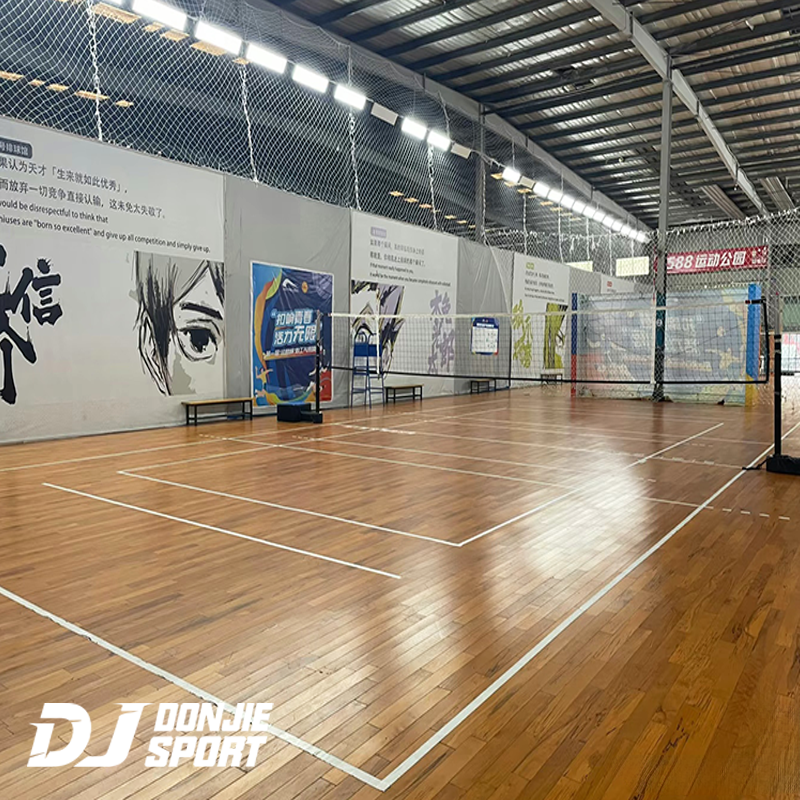
Understanding the Different Types of Volleyball Court Flooring
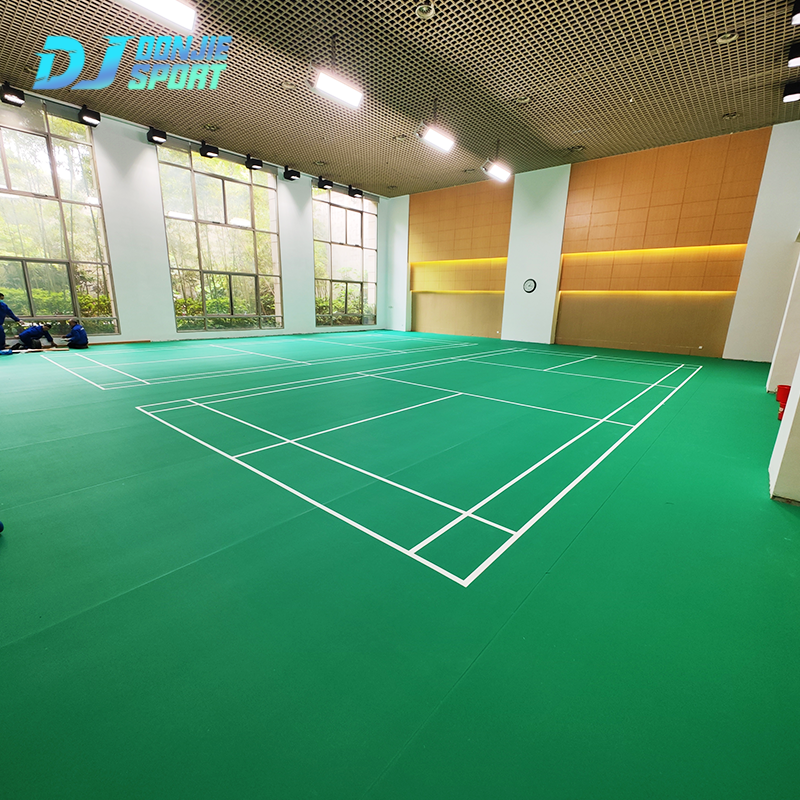
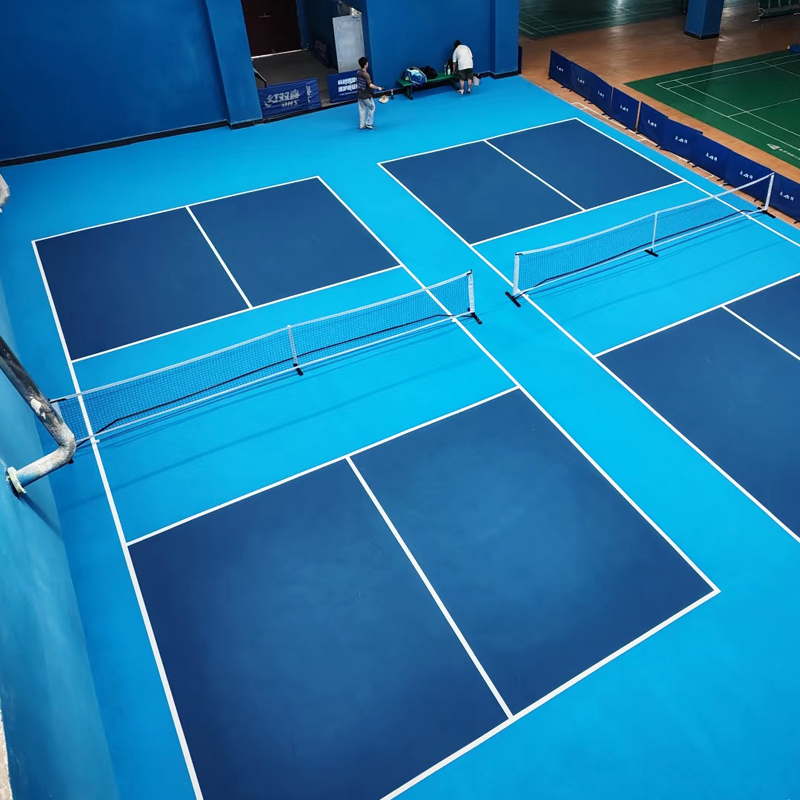
When selecting the right flooring for a volleyball court, there are several options, each offering distinct benefits in terms of game speed and safety. The most common materials include hardwood, synthetic rubber, and modular tiles.
-
Wood Flooring:
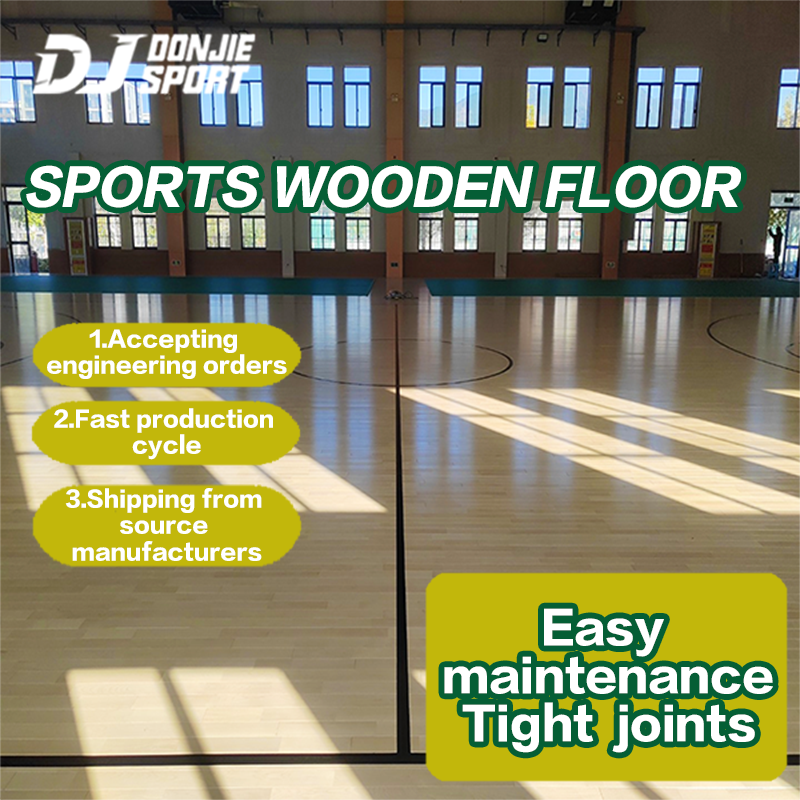
Hardwood is a traditional choice for indoor volleyball courts, known for its durability and high-performance characteristics. It provides excellent shock absorption and smoothness, allowing players to make quick movements with minimal risk of injury. -
Synthetic Flooring:
Synthetic floors, often made of vinyl or polyurethane, are known for their resilience and smooth surface. These floors typically offer more consistent traction, which helps players move quickly and comfortably. -
Rubber Flooring:
Rubber is often used in gymnasiums or recreational courts due to its shock-absorbing qualities. It reduces the strain on the body during intense gameplay, making it a safer option for players. -
Modular Tiles:
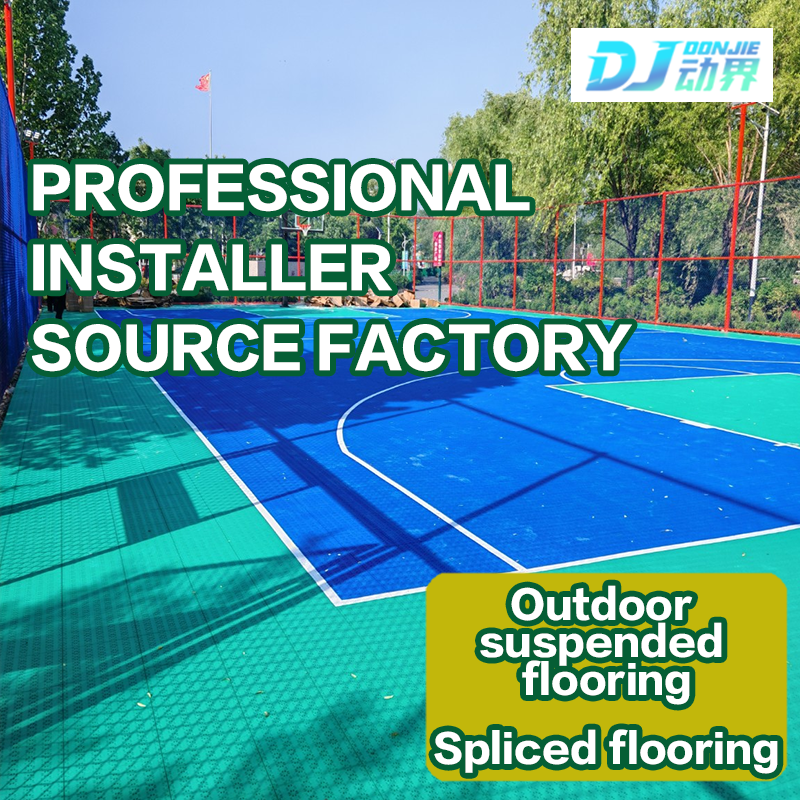
Modular tile systems are growing in popularity, particularly for outdoor courts or events. These tiles offer quick installation, portability, and customizable options, while still providing solid traction and player protection.
Each type of flooring affects player movement and safety differently. For example, wood provides a fast and smooth surface, ideal for professional-level play, while synthetic or rubber flooring may be more appropriate for recreational settings due to their enhanced comfort and injury-prevention properties.
Game Speed and Court Flooring: How the Right Surface Impacts Movement
The flooring of a volleyball court plays a critical role in how quickly the game progresses. Game speed is largely influenced by the friction between the player’s shoes and the court surface. A surface that is too slick can make players slip, while a surface that is too rough can slow down their movements.
-
Traction and Agility:
The right amount of grip allows players to change direction swiftly without losing balance. Volleyball requires sudden starts and stops, and flooring that provides moderate traction allows for explosive acceleration and quick deceleration. -
Surface Smoothness:
A smooth yet slightly textured surface provides the perfect balance for players to move quickly while maintaining control. It reduces the time it takes to reach the ball and enables smoother transitions between movements, which is especially important during fast-paced rallies. -
Flooring’s Effect on Jumping:
Volleyball is a game full of jumps, whether for spikes or blocks. A flooring surface with adequate bounce and support can enhance a player’s vertical leap while providing the necessary cushion during landings. This is especially true for wood and synthetic floors, which are designed to absorb shock and reduce the impact on joints.
Player Safety: Protecting Athletes from Injuries Through Proper Flooring
Injuries are an unfortunate part of any sport, but the right volleyball court flooring can minimize the risk of these injuries. Flooring material that provides the right amount of cushioning and shock absorption is key to reducing the risk of joint-related injuries, such as sprained ankles or knee damage.
-
Shock Absorption:
Flooring materials that have good shock-absorbing properties can soften the impact when players land after a jump, significantly reducing the risk of injury. Materials like hardwood and synthetic surfaces are engineered to offer the right amount of give, helping protect players’ knees, ankles, and lower back. -
Traction and Slip Resistance:
A well-textured floor provides the ideal level of friction to prevent players from slipping or twisting their ankles. Too much traction can cause resistance, potentially leading to muscle strain, while too little can cause falls. A balance between the two is essential for ensuring both performance and safety. -
Surface Consistency:
Consistency across the court is essential to ensure players don’t encounter unexpected unevenness that might lead to falls. Flooring that is uniform in texture and elasticity helps reduce injury risks, particularly in fast-moving games.
Selecting the Ideal Volleyball Court Flooring: What to Look For
When selecting volleyball court flooring, it’s essential to consider a few key features that directly impact player performance and safety.
-
Traction:
The surface should offer a balance of traction that supports quick movements without causing excessive friction, which could slow down players. -
Shock Absorption:
Look for flooring materials designed to absorb shock, especially when players make frequent jumps. This helps reduce the strain on muscles and joints, particularly in professional and competitive settings. -
Durability:
Flooring should be durable enough to withstand the constant wear and tear of intense gameplay. Long-lasting materials ensure the court remains safe and functional for extended periods. -
Maintenance Requirements:
Choose flooring that is easy to maintain and clean. Consistent maintenance ensures a consistent surface, reducing injury risks associated with wear and tear.
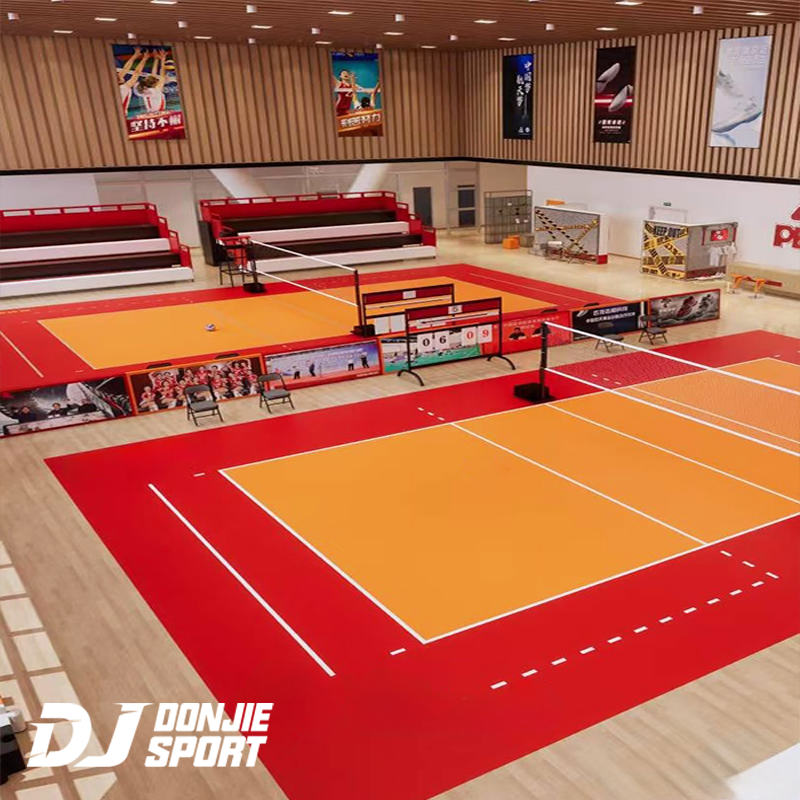
How Volleyball Court Flooring Affects the Overall Game Experience
The court surface does more than just influence player performance; it impacts the entire game experience. When players feel confident in their footing, they are more likely to perform at their best. Comfort, control, and safety all contribute to a positive environment, which translates into better gameplay and greater enjoyment for both players and spectators.
Maintenance and Longevity of Volleyball Court Flooring
Proper care and maintenance are essential to prolong the life of a volleyball court floor and preserve its safety features. Regular cleaning and periodic refinishing (for hardwood) or surface repairs (for synthetic or modular flooring) help keep the surface level, safe, and in optimal playing condition.
-
Regular Cleaning:
Regular cleaning prevents dirt, dust, and grime from building up, which can alter the texture of the flooring and make it slippery. -
Surface Refinishing and Repair:
Over time, flooring can show signs of wear, including dents or scratches that compromise both performance and safety. Regular refinishing for wood floors and repairs for modular tiles ensure the court remains in top condition.
Why Volleyball Court Flooring is Essential for Player Performance and Safety
Choosing the right volleyball court flooring is more than just a matter of aesthetics; it’s a crucial aspect of player safety and game speed. The flooring impacts how players move, react, and perform, directly influencing the pace of the game. A properly chosen floor also reduces injury risks, providing athletes with the necessary support and comfort to excel. By considering factors like traction, shock absorption, and durability, facilities can ensure a high-quality, safe environment for players at all levels of competition.