Outdoor volleyball is a popular and thrilling sport that attracts players of all ages. However, playing on outdoor courts exposes the surface to various environmental challenges, such as rain, heat, humidity, and UV exposure. Over time, these factors can degrade the quality of the court and impact player safety and performance. To address these issues, weather-resistant volleyball court flooring materials have emerged as a game-changer. These advanced materials not only provide a high level of durability and performance in all weather conditions but also ensure a safer and more enjoyable playing experience. In this article, we’ll explore how weather-resistant flooring materials are transforming outdoor volleyball courts and enhancing the overall sports experience.
Understanding the Challenges of Outdoor Volleyball Courts
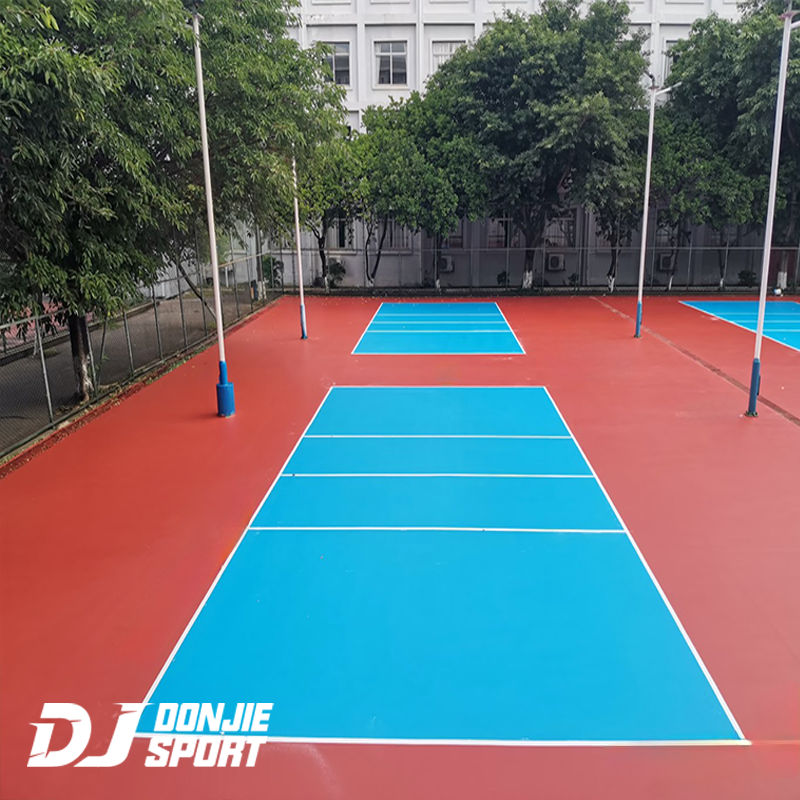
Outdoor volleyball courts face constant exposure to the elements, and as a result, traditional flooring materials can quickly deteriorate. Whether it’s the intense heat of summer, the rain during winter, or the freeze-thaw cycles in colder regions, outdoor courts are subjected to a range of challenging conditions. These environmental factors can cause cracks, fading, and warping in the flooring, leading to an unsafe and uneven playing surface.
Beyond durability concerns, weather fluctuations can also affect gameplay. For instance, moisture on the court can cause slippery conditions, while extreme temperatures can alter the traction of the surface, making it difficult to move or jump effectively. In addition, UV rays from the sun can cause certain materials to weaken or discolor over time, further compromising the court’s performance and aesthetic appeal.
Key Features of Weather-Resistant Volleyball Court Flooring
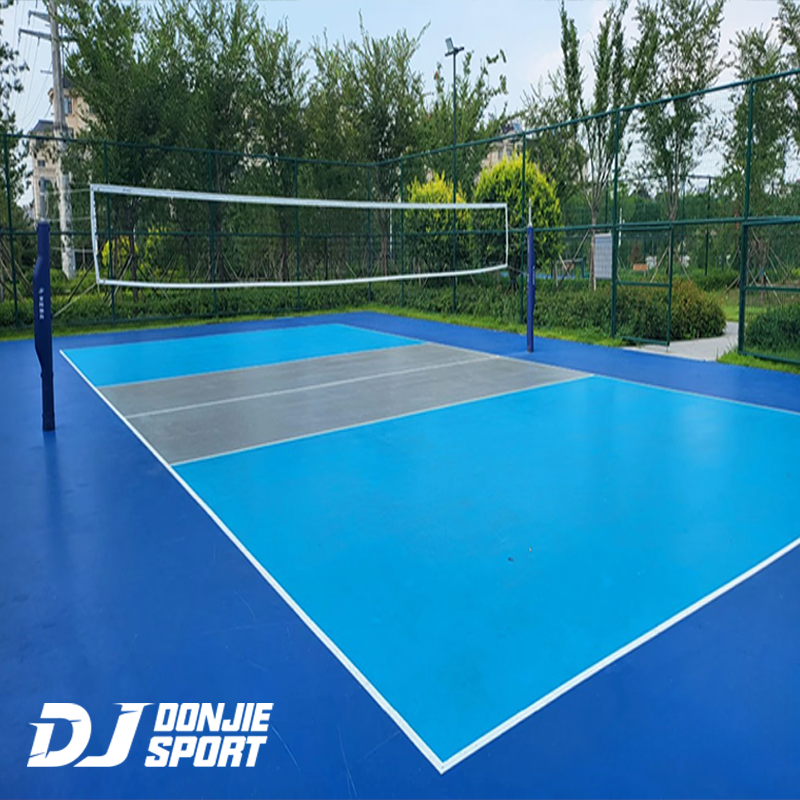
Weather-resistant volleyball court flooring materials are specifically designed to tackle these challenges. These materials are engineered to withstand extreme environmental conditions while maintaining their structural integrity and performance. Some of the key features that make weather-resistant flooring ideal for outdoor volleyball courts include:
-
Durability: Weather-resistant materials are built to last, even in the face of harsh environmental conditions like UV exposure, rain, and extreme temperatures. They are highly resistant to wear and tear, ensuring that your court remains functional for years.
-
Moisture Resistance: Many weather-resistant flooring options are designed to prevent water from penetrating the surface. This helps to maintain a stable and level court, reducing the risk of slippery conditions and preventing mold or mildew growth.
-
UV Protection: UV-resistant flooring materials are designed to resist sun damage, such as fading and cracking. This keeps the court looking fresh and ensures the surface remains safe for players under the sun’s intense rays.
-
Temperature Stability: High-quality weather-resistant materials can maintain their integrity in both hot and cold climates. They won’t expand, contract, or warp due to temperature fluctuations, providing a consistent playing experience year-round.
Types of Weather-Resistant Materials Used for Volleyball Court Flooring
Several types of materials are available for weather-resistant volleyball court flooring, each offering its own set of benefits:
-
PVC Flooring: Polyvinyl chloride (PVC) flooring is a popular option for outdoor volleyball courts due to its durability, moisture resistance, and ease of maintenance. PVC flooring is designed to withstand rain and heat without warping, cracking, or fading. It also provides excellent traction, ensuring a safe and reliable playing surface.
-
Rubber Flooring: Rubber flooring is another top choice for weather-resistant outdoor volleyball courts. Known for its shock-absorbing properties, rubber flooring helps reduce the impact on players’ joints and minimizes the risk of injuries. It is also resistant to water and UV rays, making it an ideal option for outdoor use.
-
Composite Materials: Composite materials, such as rubber and plastic blends, are designed to offer the best of both worlds. These materials provide superior resistance to moisture, UV rays, and temperature changes, while also delivering a high level of durability and performance. Composite surfaces often feature textured finishes that enhance traction and grip for players.
-
Synthetic Grass: Some outdoor volleyball courts opt for synthetic grass as a weather-resistant flooring solution. This material offers a natural look while providing excellent performance in all weather conditions. Synthetic grass is particularly effective at draining water, preventing puddles, and ensuring a level playing surface even after heavy rain.
Benefits of Weather-Resistant Flooring for Volleyball Courts
Investing in weather-resistant flooring for outdoor volleyball courts offers a multitude of benefits, not only in terms of the material’s durability but also in terms of the overall playing experience:
-
Enhanced Player Safety: Weather-resistant flooring reduces the risk of injury by providing a stable and consistent surface. The shock-absorbent qualities of materials like rubber and composite surfaces help cushion players’ movements, preventing joint strain and minimizing the chances of falls or slips.
-
Consistent Game Performance: A weather-resistant court ensures that the surface remains functional and reliable in all conditions. Whether it’s a sunny day, a rainy afternoon, or a cold evening, players can enjoy a consistent playing experience without worrying about surface inconsistencies.
-
Lower Maintenance Costs: Traditional outdoor flooring materials often require frequent repairs and maintenance to keep up with wear and tear caused by weather. Weather-resistant materials, however, are designed to require minimal upkeep. This can significantly reduce long-term costs and ensure the court remains in top condition with less effort.
-
Extended Lifespan: Weather-resistant flooring materials have a longer lifespan compared to traditional options. By resisting environmental damage such as UV rays, moisture, and temperature fluctuations, these surfaces stay functional and attractive for many years, reducing the need for costly replacements.
How Weather-Resistant Flooring Improves Outdoor Sports Experiences
Weather-resistant volleyball court flooring doesn’t just improve the quality of the game—it also enhances the overall outdoor sports experience:
-
Improved Player Comfort: Players can focus on their performance without being distracted by uneven or slippery surfaces. With weather-resistant flooring, athletes can play with confidence, knowing that their footing will remain stable, even in inclement weather.
-
Increased Accessibility: Weather-resistant surfaces allow communities to use outdoor volleyball courts year-round, regardless of the season. This expands opportunities for recreation, particularly in areas where extreme weather conditions might have previously limited outdoor sports activities.
-
Real-Life Success Stories: Many schools, sports clubs, and municipalities have already adopted weather-resistant flooring for their volleyball courts, resulting in positive outcomes. These courts have become more widely used, attracting athletes and spectators alike. Case studies highlight the durability, safety, and aesthetic appeal of these surfaces, demonstrating their effectiveness in real-world settings.
Installation and Maintenance of Weather-Resistant Flooring
Installing weather-resistant flooring for volleyball courts is a straightforward process, but it requires careful planning and expertise to ensure the best results. Here’s a quick overview of what the installation process entails:
-
Surface Preparation: Before installing the flooring, the ground must be level and free of debris. A proper base layer is essential for creating a stable foundation that will support the flooring materials.
-
Material Selection: Based on the climate and desired performance characteristics, the appropriate flooring material must be selected. For example, PVC or rubber flooring may be ideal for areas with high rainfall, while composite materials might be better suited for regions with extreme temperature fluctuations.
-
Professional Installation: Although some DIY options exist, it’s often best to hire a professional installation team with experience in outdoor flooring. This ensures that the flooring is laid correctly and that all seams and edges are properly sealed to prevent water infiltration.
Once installed, maintaining a weather-resistant volleyball court requires minimal effort. Regular cleaning, inspection for signs of wear, and addressing any minor issues promptly will help extend the lifespan of the court.
Conclusion
Weather-resistant volleyball court flooring has revolutionized outdoor sports, offering a durable, safe, and reliable solution for players and facility managers alike. By resisting the elements and providing consistent performance, these materials ensure that outdoor volleyball courts remain functional, regardless of weather conditions. With a range of material options available, such as PVC, rubber, composite, and synthetic grass, sports enthusiasts can now enjoy their favorite sport without worrying about the impact of the weather. As these materials continue to evolve, we can expect even more advanced solutions that will further enhance outdoor sports experiences for years to come.