In the fast-paced world of sports, athlete safety is paramount. Whether it’s a professional basketball court, a high school gymnasium, or a multi-purpose training facility, the flooring on which athletes perform plays a critical role in preventing injuries and ensuring top performance. Among various types of sports flooring, wood sport floors stand out for their unique benefits in promoting safety. This article will explore how these floors contribute to injury prevention and enhance player well-being.
The Importance of a Safe Playing Surface
The playing surface in any sports venue significantly impacts the safety of athletes. A poorly designed or unsuitable floor can lead to a higher incidence of injuries, affecting everything from minor sprains to more severe fractures. The right flooring, on the other hand, can absorb shock, reduce stress on the joints, and provide the necessary grip for stable movements. Wood sport floors are designed to offer just the right balance between cushioning and traction, making them a top choice for athletes who require a safe and reliable surface for their performance.
The surface type also plays a crucial role in reducing the risk of slips and falls, which can lead to serious injuries. Wood floors, when properly installed, provide the ideal combination of durability and flexibility to minimize these risks.
Wood Sport Floors: The Optimal Choice for Safety
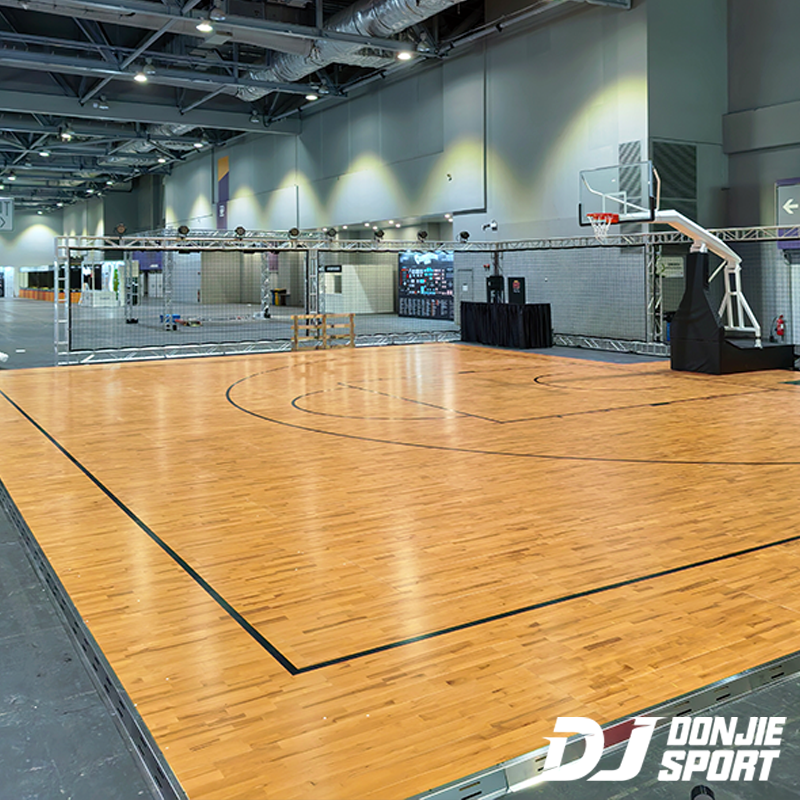
Wood sport floors are often regarded as the best option for sports facilities due to their unique characteristics that contribute to athlete safety. One of the primary advantages of wood is its natural ability to absorb shock. When athletes jump, land, or pivot, the floor’s shock absorption properties help reduce the impact on their joints, particularly the knees, ankles, and spine. This reduction in impact force not only enhances performance but also significantly lowers the risk of overuse injuries and joint strain.
In comparison to other flooring materials such as concrete or synthetic floors, wood offers a softer landing. Concrete floors, while durable, can cause a higher level of shock to the body, leading to fatigue and potential injuries over time. Synthetic floors may also lack the same level of shock absorption, making wood a superior choice for ensuring long-term athlete safety.
The Benefits of Wood Sport Floors for Injury Prevention
Injury prevention is at the core of what makes wood sport floors essential for sports venues. One of the most common injuries in sports are sprains, fractures, and joint stresses. The right floor can mitigate these injuries by providing a more forgiving surface during high-impact activities like running, jumping, and sudden directional changes.
Wood floors help distribute impact forces evenly, reducing stress on specific areas of the body. This is particularly important in sports where rapid movements and sudden stops are common, such as basketball or volleyball. The surface’s ability to “give” slightly underfoot allows athletes to land more comfortably and with less risk of stress fractures or sprained ligaments.
Wood sport floors also promote better overall stability, providing athletes with enhanced grip and control during movement. This ensures fewer instances of slipping or losing balance, which can result in falls or other injuries.
How Wood Sport Floors Enhance Performance and Prevent Overuse Injuries
Wood sport floors contribute not only to safety but also to athletic performance. Overuse injuries, such as tendinitis or stress fractures, are often the result of repeated strain on muscles and joints. By providing a surface that reduces shock and improves joint alignment, wood floors help mitigate the risk of these injuries, even during intense training sessions.
The elasticity of wood flooring allows athletes to maintain optimal body mechanics while reducing strain on muscles and joints. This is particularly important in sports that involve repetitive motions, such as basketball and volleyball. Wood floors also reduce the risk of chronic pain that can develop from constant pressure on certain body parts, helping athletes maintain peak performance levels over longer periods.
The Design and Construction of Wood Sport Floors for Injury Prevention
The design and construction of wood sport floors are integral to their safety features. These floors are typically multi-layered, incorporating a strong wood surface with shock-absorbing underlays and cushioning layers. This multi-layer system helps maximize the floor’s ability to absorb shock while maintaining durability and performance over time.
High-quality wood sport floors are also equipped with shock pads and other supportive materials that enhance their protective properties. These additions further help to distribute impact forces evenly across the floor, ensuring consistent protection for athletes. The durability of wood flooring ensures that the performance characteristics remain intact even after prolonged use, providing ongoing injury prevention.
Certification and Standards for Wood Sport Floors
When it comes to ensuring that wood sport floors meet safety standards, certifications play a crucial role. Many wood sport floors are certified by industry organizations such as the Sports Floor Industry (SFI) and FIBA (International Basketball Federation). These certifications guarantee that the flooring meets strict safety and performance criteria, ensuring the highest level of protection for athletes.
Certified wood floors are tested for aspects such as shock absorption, surface friction, and resilience, ensuring that they comply with international safety standards. Choosing a certified wood sport floor is essential for sports venues looking to prioritize safety while adhering to industry regulations.
Long-Term Benefits of Wood Sport Floors for Injury Prevention
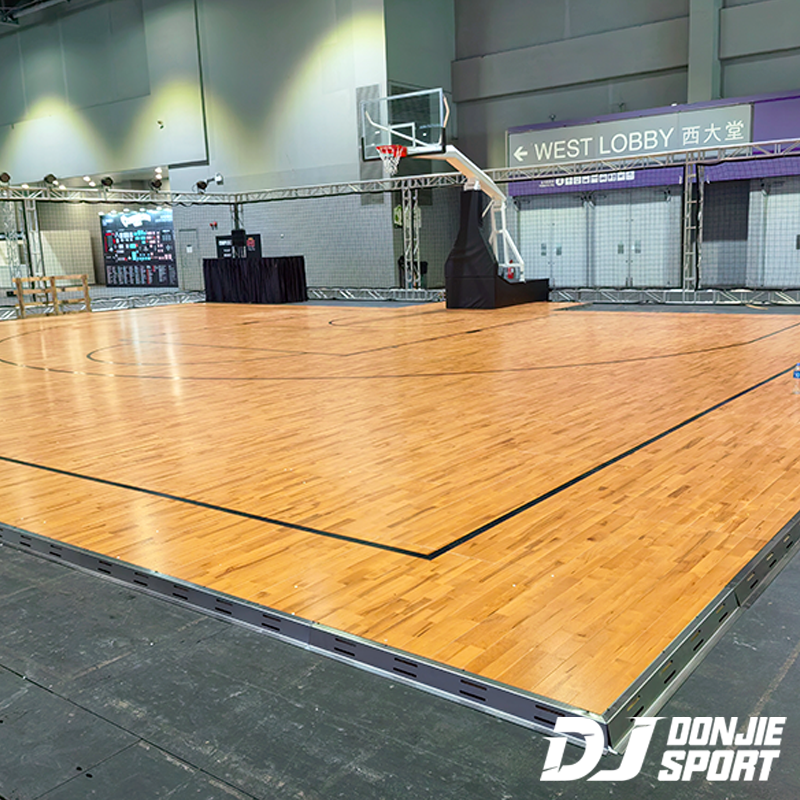
One of the key long-term benefits of wood sport floors is their ability to maintain performance and safety over time. Wood floors are not only durable, but they also retain their shock-absorbing qualities throughout their lifespan. This makes them a smart investment for sports venues, as the flooring continues to promote safety and reduce injury risks for years.
Regular maintenance is essential to keep wood sport floors in optimal condition. By keeping the surface free from dirt, dust, and debris, and ensuring it remains properly sealed, the floor can continue to provide a high level of protection for athletes. When maintained correctly, wood sport floors offer long-lasting benefits in terms of both safety and performance.
Conclusion
In conclusion, wood sport floors play a pivotal role in promoting safety and injury prevention in sports venues. Their shock-absorbing properties, combined with superior stability and durability, make them the ideal choice for athletes. Whether it’s reducing the impact on joints, preventing slips and falls, or mitigating the risk of overuse injuries, wood floors provide the protection athletes need to perform at their best while minimizing injury risks. As sports venues continue to prioritize athlete safety, investing in high-quality wood sport floors is an essential step in fostering a safe, supportive environment.