When it comes to indoor pickleball courts, selecting the right flooring is crucial for both player performance and safety. Unlike outdoor courts, where weather conditions can impact playability, indoor courts provide a controlled environment where flooring plays a more significant role. The choice of flooring affects everything from the comfort of the players to the overall safety during intense games. In indoor pickleball, where rapid movements and quick direction changes are common, a floor that offers both comfort and safety can significantly enhance the overall playing experience.
In this article, we’ll explore the various flooring options available for indoor pickleball courts and discuss how these materials can improve comfort, reduce injury risks, and contribute to better game performance. Whether you’re designing a recreational court or a professional facility, choosing the right flooring is essential to maximizing player safety and ensuring optimal performance on the court.
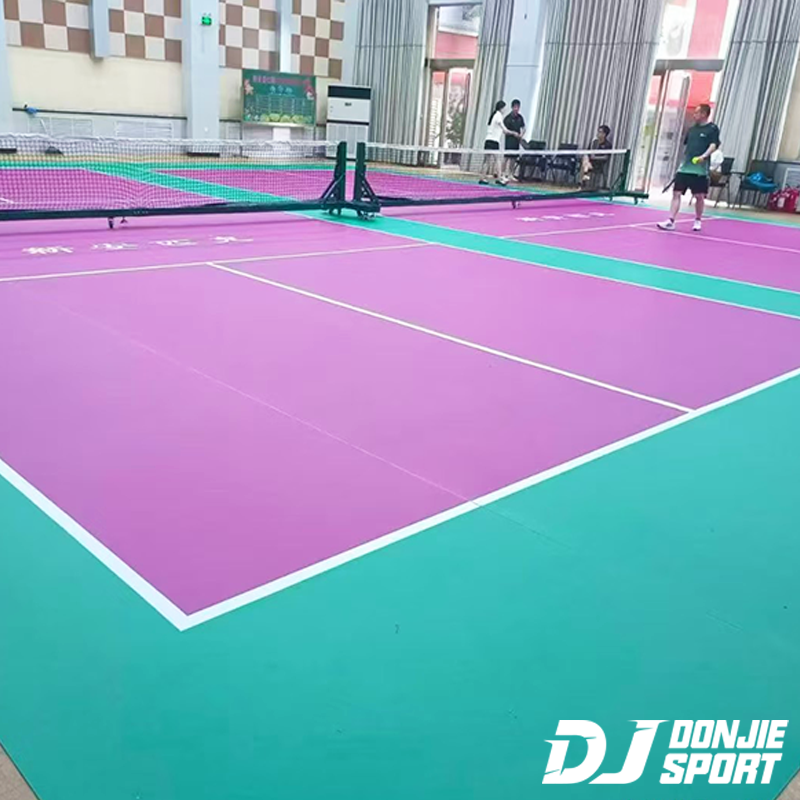
Key Factors to Consider When Selecting Indoor Pickleball Court Flooring
Comfort: Providing the Right Level of Cushioning for Movement
The comfort of players is one of the top priorities when selecting flooring for indoor pickleball courts. Unlike many sports, pickleball involves quick lateral movements, sudden stops, and frequent changes of direction, which can put significant strain on a player’s joints. Flooring that offers some cushioning can help absorb these impacts, reducing the risk of injury while ensuring a comfortable playing experience. The right amount of cushioning also helps prevent player fatigue, making it easier to play for longer periods without discomfort.
Safety: Minimizing Injury Risks with the Correct Surface
Safety is an essential aspect of indoor pickleball court flooring. A safe surface is one that minimizes the risk of slips and falls while still providing sufficient traction for players to make sharp movements. Flooring materials like PVC and rubber offer non-slip surfaces that enhance player stability. Additionally, a well-designed surface will help reduce the likelihood of twisted ankles or other injuries caused by uneven or slippery floors. When choosing flooring, it’s vital to consider the texture and grip it provides, ensuring that players can move confidently without risking their safety.
Durability: Choosing Flooring That Withstands Constant Use
Indoor pickleball courts often experience high volumes of play, making durability an important factor in flooring selection. Floors that are worn down quickly or lose their functionality over time can affect the quality of the game and increase maintenance costs. Materials like PVC, rubber, and polyurethane are known for their long-lasting durability, making them ideal choices for courts that will see frequent use. Choosing a flooring option that can withstand the test of time helps protect your investment while ensuring a consistent playing experience.
Aesthetics: Enhancing the Court’s Appearance and Atmosphere
While functionality is key, aesthetics shouldn’t be overlooked. The right flooring can enhance the visual appeal of an indoor pickleball court, creating an inviting and professional atmosphere. Whether you’re aiming for a vibrant, modern look or a more classic design, flooring options come in various colors, textures, and patterns. A well-designed court can also provide a motivational environment, helping players stay focused and engaged during their games.
Types of Flooring Materials for Indoor Pickleball Courts
PVC Flooring: Ideal for Durability and Comfort
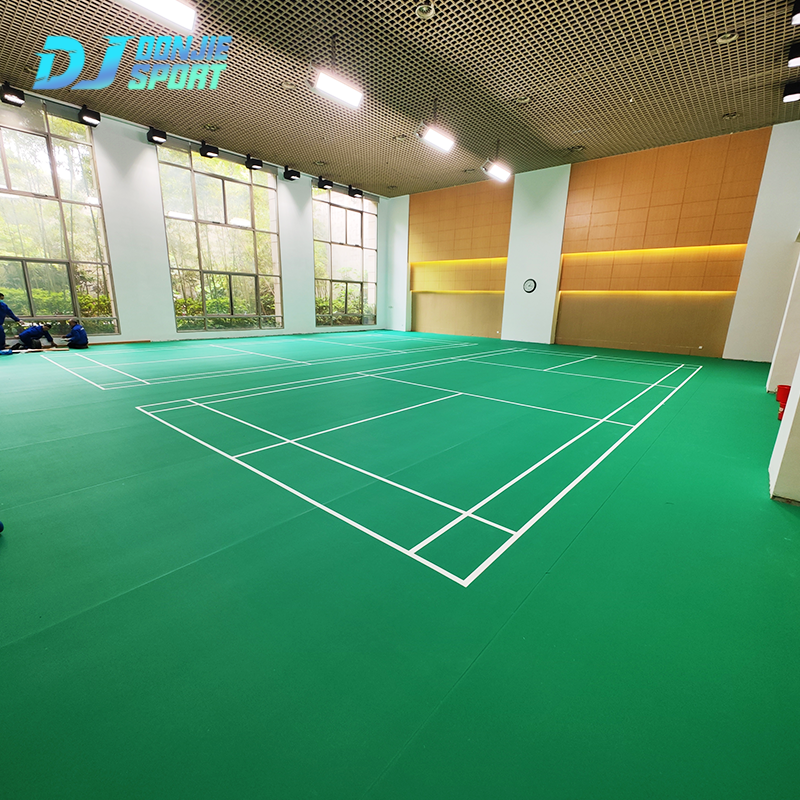
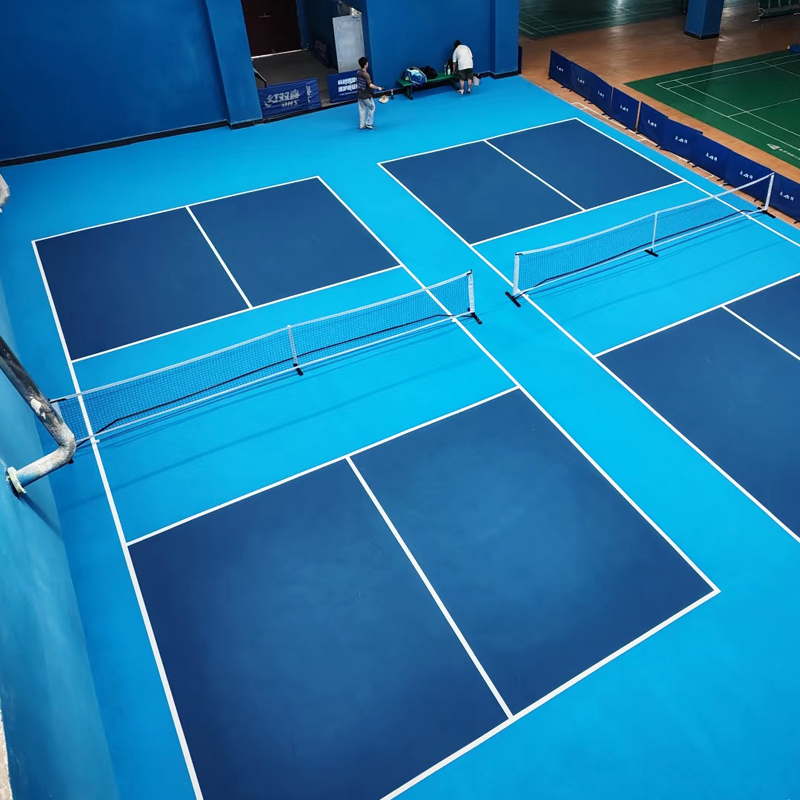
PVC flooring is a popular choice for indoor pickleball courts due to its excellent combination of durability and comfort. This material is resistant to wear and tear, ensuring that the court remains functional for many years. PVC offers a smooth, even surface that provides good traction, making it safer for players. Additionally, it has built-in shock-absorption qualities that help reduce the strain on joints. PVC flooring is available in various colors and designs, allowing you to customize your court to suit your aesthetic preferences.
Rubber Flooring: A Reliable Choice for Shock Absorption
Rubber flooring is another top contender for indoor pickleball courts, particularly for its superior shock-absorption qualities. This flooring material is known for its ability to cushion impacts, making it ideal for reducing joint stress. Rubber floors are also non-slip, offering excellent grip and stability during play. The surface can help prevent injuries like sprained ankles or knee strain, especially during intense matches. Rubber flooring is available in interlocking tiles or rolls, making it easy to install and maintain.
Hardwood Flooring: Traditional and Stylish But Requires Maintenance
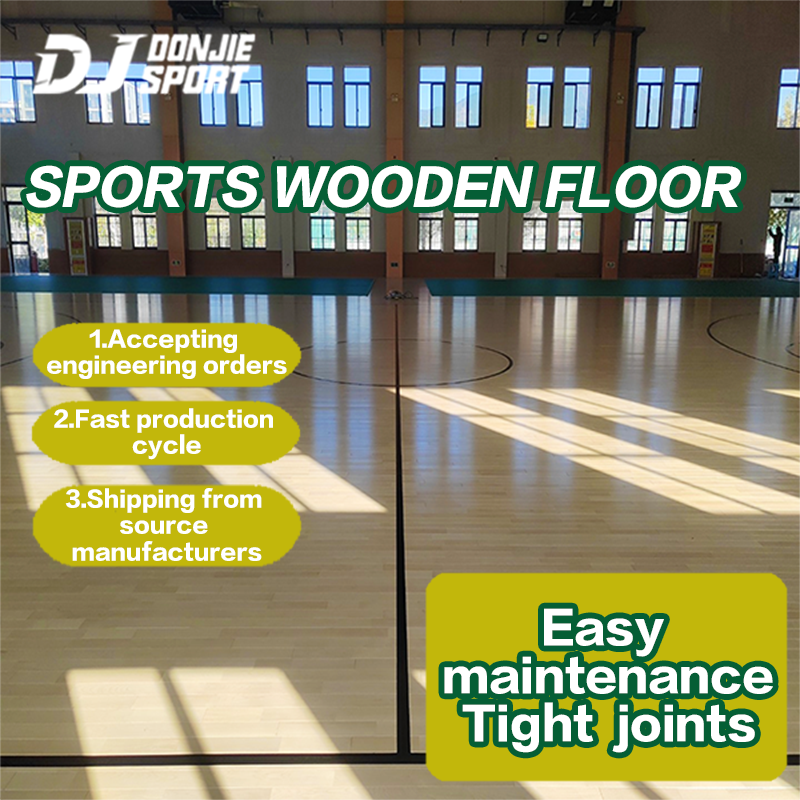
For those seeking a more classic look, hardwood flooring is a timeless option. Hardwood courts provide a sleek, polished finish that can give any indoor pickleball facility a professional, high-end feel. While it provides a good level of traction and aesthetic appeal, hardwood does require more maintenance than synthetic options like PVC or rubber. Hardwood floors must be properly sealed and refinished over time to maintain their appearance and performance.
Polyurethane Flooring: Popular for Professional Courts
Polyurethane flooring is commonly found in professional indoor courts due to its ability to provide a high level of performance. It offers excellent durability and is resistant to abrasion, making it suitable for high-traffic areas. Polyurethane flooring is known for its smooth, consistent surface that promotes fast-paced gameplay and excellent ball bounce. Although it tends to be on the pricier side, its long-lasting performance and minimal maintenance needs make it an excellent choice for serious pickleball players.
Comfort and Safety Benefits of High-Quality Flooring
When it comes to pickleball court flooring, the primary focus is on ensuring a surface that enhances comfort and safety for the players. High-quality flooring can provide several benefits:
-
Shock absorption: Flooring materials like rubber and PVC offer excellent shock absorption, helping to reduce the impact on players’ joints, particularly the knees and ankles. This cushioning effect ensures players can engage in fast-paced matches without putting too much strain on their bodies.
-
Non-slip surfaces: A safe surface is one that provides optimal traction. Materials like PVC and rubber offer slip-resistant properties, which help players maintain control of their movements and prevent accidents caused by sudden slips.
-
Consistent texture: A high-quality floor will offer a smooth and even texture, ensuring consistent ball bounce and better traction. This consistency is important for players who need to rely on precise movements and accurate ball control during play.
-
Fatigue reduction: Cushioning flooring helps reduce fatigue by providing better support for the feet and legs. This means players can stay comfortable for longer periods, making it easier to focus on their game and performance.
How Indoor Pickleball Court Flooring Affects Game Performance
The right flooring can have a significant impact on the overall performance of the game. Here’s how:
-
Impact on speed and agility: Flooring that offers a responsive surface can help players achieve better acceleration, improving speed and agility during play. For instance, rubber and PVC flooring are known to provide the right level of resistance, helping players move quickly and efficiently across the court.
-
Control and grip: Flooring materials like rubber and PVC provide the necessary grip for players to maintain control over their movements. The ability to stop quickly, pivot sharply, and make precise moves is critical in pickleball, and flooring that allows for this kind of agility is key.
-
Maintaining balance and foot traction: The right surface ensures that players can balance and maintain foot traction, preventing slips or loss of footing during fast-paced exchanges. Flooring with a good texture provides better grip, which helps players remain in control, even during intense moments of the game.
Installation Considerations for Indoor Pickleball Court Flooring
Choosing the best flooring is only one part of the process—installation also plays a key role in ensuring the court’s functionality and durability. Here are some key installation considerations:
-
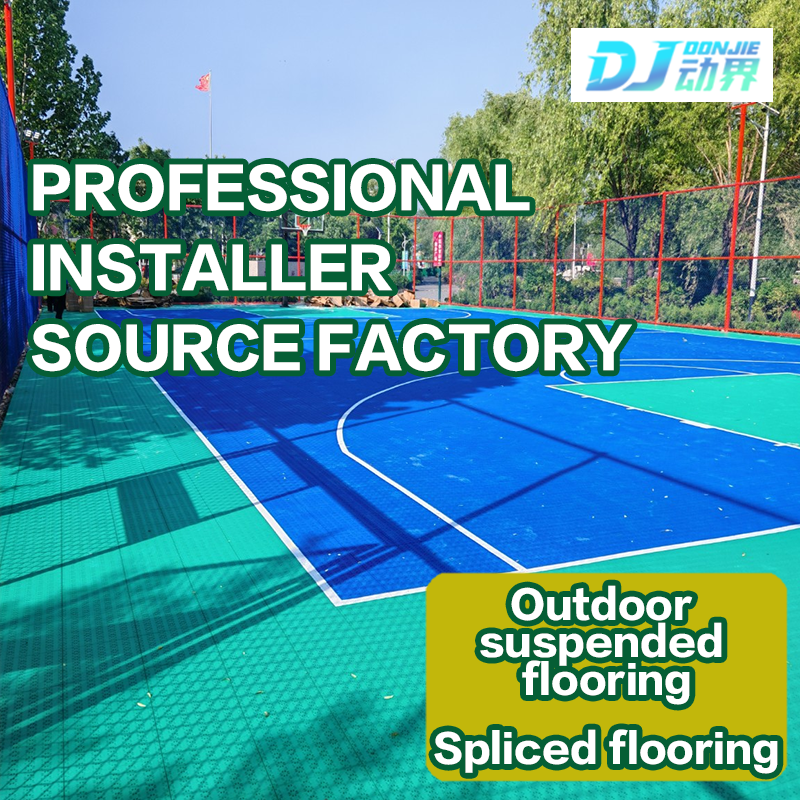
Professional installation vs. DIY options: While some flooring materials, like interlocking tiles, can be installed by DIYers, it is often best to rely on professionals for installation to ensure the surface is level and properly secured. Professional installation also ensures that the flooring is optimally fitted to the court’s specifications.
-
Subfloor preparation: The preparation of the subfloor is essential for the longevity of the court. The surface must be smooth, clean, and properly leveled before installation to avoid any imperfections that could affect the court’s performance.
-
Maintenance: Regular maintenance is crucial for keeping your indoor pickleball court in top condition. Whether it’s cleaning the surface or repairing minor damages, consistent upkeep ensures that the flooring remains safe and functional for players.
-
Cost-effectiveness and long-term investment: While some flooring options may have a higher upfront cost, investing in durable materials like PVC or rubber can save money in the long run by reducing the need for frequent repairs or replacements.
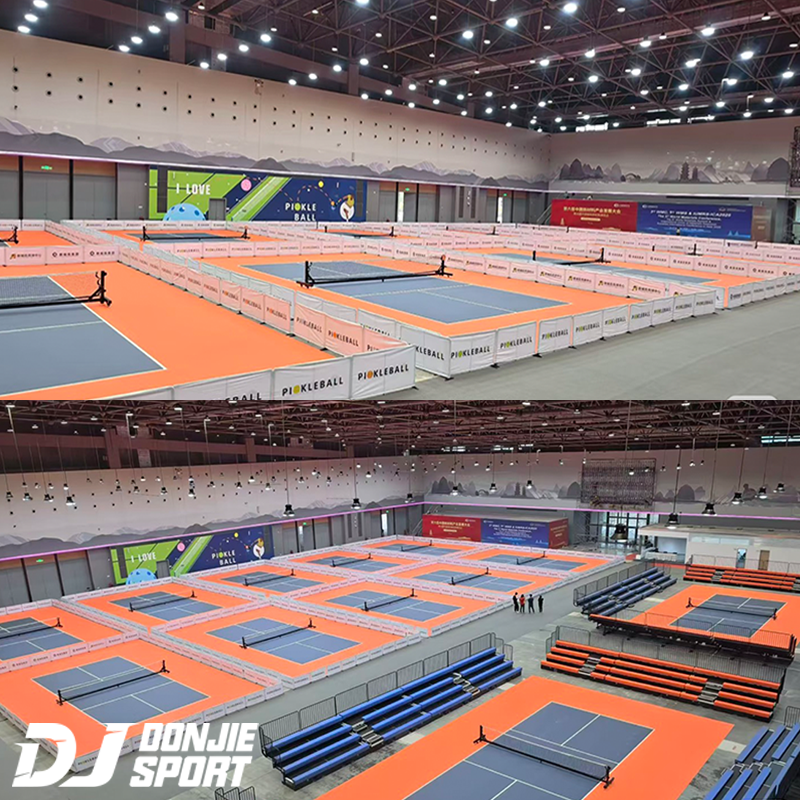
Popular Flooring Options for Different Indoor Pickleball Settings
Depending on the type of facility and the level of play, there are various flooring options suitable for different indoor pickleball settings:
-
Recreational vs. professional courts: For recreational courts, affordability and ease of maintenance are key. PVC and rubber flooring offer a balance of comfort, safety, and durability. For professional-level courts, more specialized flooring like polyurethane or premium hardwood may be preferred for a higher-performance experience.
-
Multi-purpose sports facilities: If your indoor facility will host a variety of sports, it’s essential to choose flooring that can accommodate different activities. PVC and rubber flooring are versatile choices that provide the right balance of durability, comfort, and safety for multiple sports.
-
Customizing for different skill levels: Whether you’re creating a beginner-friendly court or a professional-level facility, customization is possible with flooring options like multi-colored PVC tiles or personalized designs for hardwood floors. Choose a flooring that matches the skill level and needs of your players.
Maintenance and Care for Indoor Pickleball Court Flooring
Maintaining the flooring of your indoor pickleball court ensures its long-term durability and performance. Here are some essential maintenance tips:
-
Cleaning: Regular cleaning helps preserve the surface’s appearance and function. Sweeping and mopping are simple ways to keep dust and dirt from accumulating, which can affect traction and appearance.
-
Wear and tear prevention: To protect your flooring from damage, consider using protective mats in areas with high foot traffic, such as entry points or areas near seating.
-
Routine inspections: Check the flooring for any signs of wear, cracks, or loose tiles. Catching these issues early can prevent larger, more costly repairs down the line.
Making the Best Flooring Decision for Your Indoor Pickleball Court
Choosing the right flooring for your indoor pickleball court is a crucial decision that can significantly impact player comfort, safety, and overall performance. By considering factors like cushioning, durability, safety, and aesthetics, you can create a court that enhances the playing experience for everyone. Whether you opt for PVC, rubber, or polyurethane flooring, the right surface will not only protect players but also elevate the quality of the game. Ultimately, investing in high-quality flooring is a smart choice that ensures your court remains a safe, comfortable, and durable space for pickleball enthusiasts.