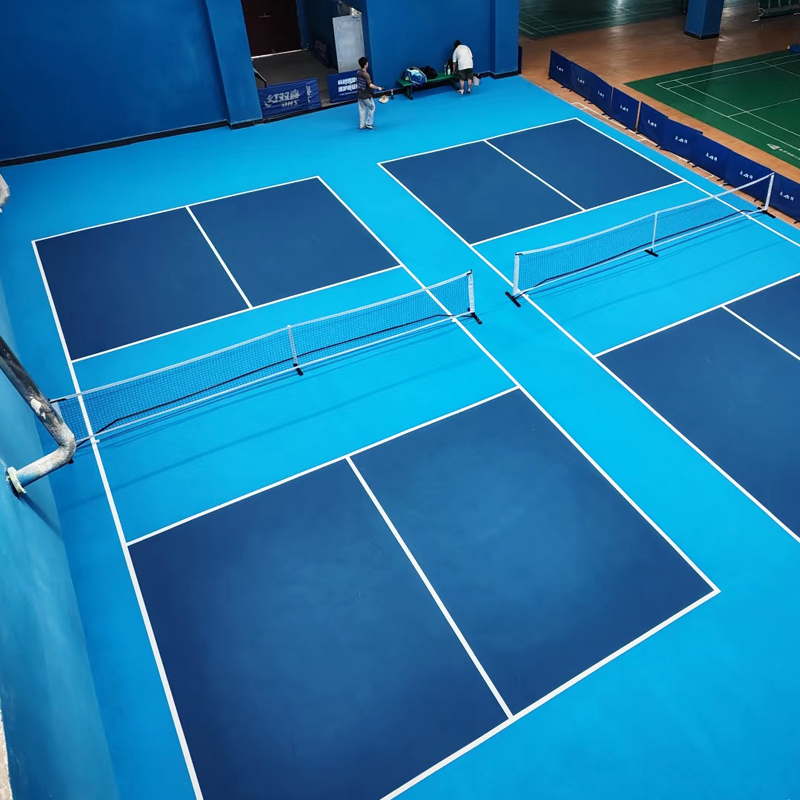
Pickleball, a sport rapidly gaining popularity worldwide, is not just about skill and strategy—it’s also about the right equipment, and flooring is a crucial part of this. Whether you’re designing a new indoor pickleball court or upgrading an existing one, selecting the ideal flooring material is essential for providing an optimal playing surface. The right flooring ensures maximum performance, comfort, safety, and durability.
Indoor pickleball courts demand specific features in their flooring to support fast-paced play. From preventing injury to improving player performance, the flooring serves as more than just a surface—it’s an integral part of the game. In this post, we will explore the top flooring materials used for indoor pickleball courts, focusing on the qualities that make them stand out in terms of performance, comfort, and safety. We’ll dive into the benefits of each material, provide tips on choosing the right flooring for your needs, and offer insights into installation and maintenance.
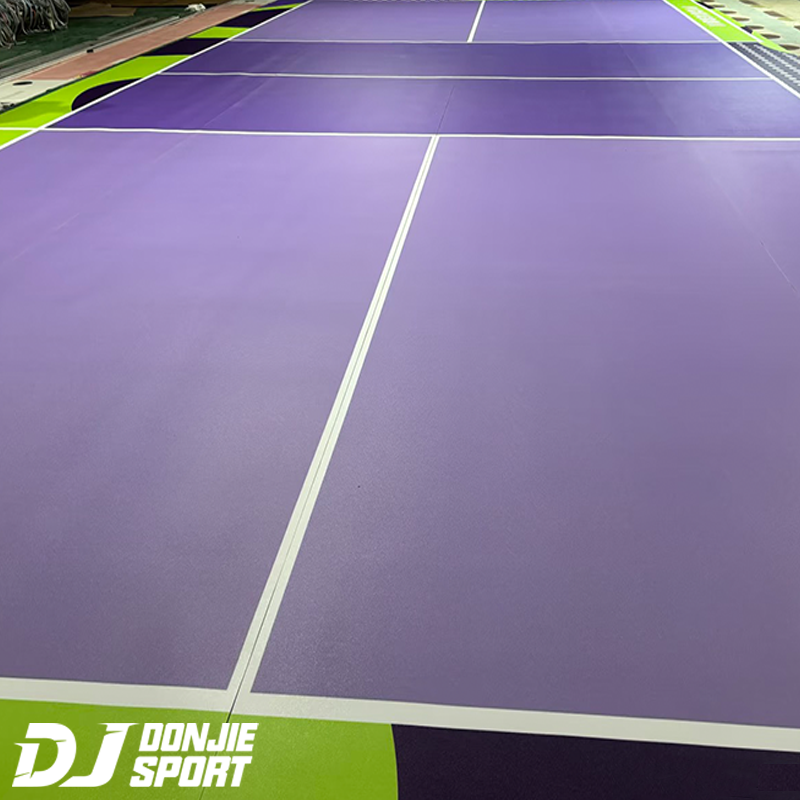
Key Features of Ideal Pickleball Flooring
When selecting flooring for indoor pickleball courts, there are several key features to consider to ensure maximum performance and player satisfaction. These features include durability, safety, comfort, and aesthetics—each playing a vital role in enhancing the quality of the game. Let’s explore each of these in more detail:
Durability
Durability is one of the most important factors when selecting pickleball flooring. The floor should be able to withstand the constant foot traffic and the impact of pickleball paddles and balls. This is particularly crucial for high-use courts, such as those in recreational centers or competitive environments. Flooring that is durable will not only last longer but will also maintain its performance under heavy use, minimizing the need for frequent repairs or replacement.
Safety
The safety of the players is paramount in any sports environment. Flooring that provides adequate grip and prevents slips or falls can reduce the likelihood of injuries. This is especially important in pickleball, where players make quick, lateral movements. Flooring with a good balance of traction and cushioning helps protect joints and muscles, reducing the risk of strain or injury.
Comfort
Comfort plays a significant role in player performance. Flooring materials that offer impact resistance will cushion players’ movements, reducing fatigue during long games or intense training sessions. Flooring with proper shock absorption properties ensures that players can move comfortably and confidently without feeling too much pressure on their joints or feet.
Aesthetics
The visual appeal of a pickleball court should not be underestimated. A court that looks inviting and professional can enhance the overall experience for both players and spectators. Flooring options come in a range of colors and patterns, allowing you to create a court that not only performs well but also has a modern, clean appearance.
The Top Materials for Indoor Pickleball Court Flooring
Now, let’s explore the top flooring materials that are ideal for indoor pickleball courts. Each material offers distinct advantages, making it important to choose the one that best meets your specific needs.
PVC Flooring
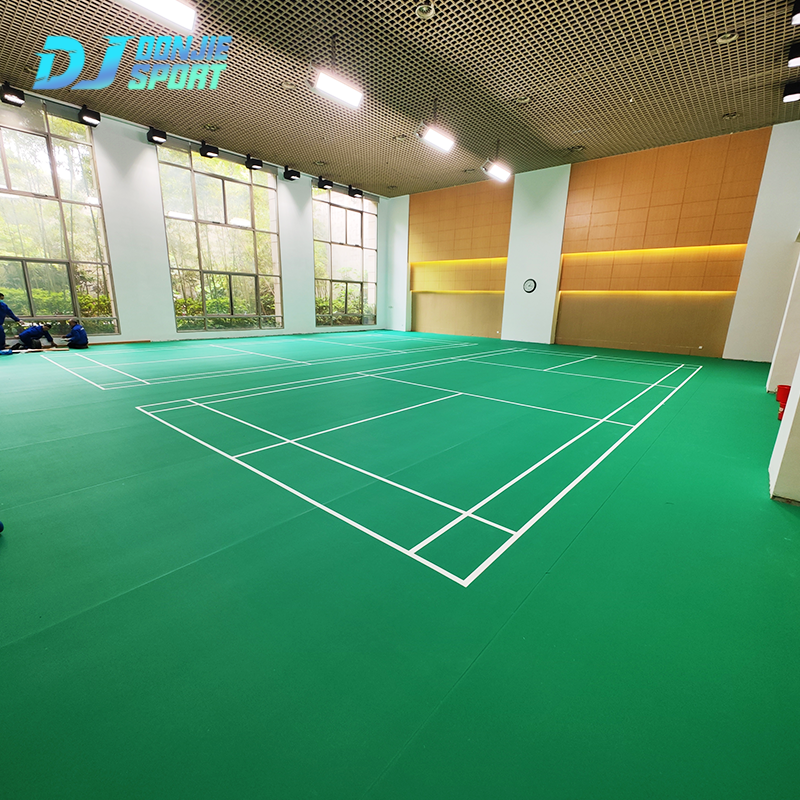
PVC flooring is a popular choice for indoor pickleball courts due to its combination of durability, affordability, and ease of maintenance. It is made from synthetic materials that offer excellent resistance to wear and tear, making it perfect for courts that see frequent play. PVC flooring is also highly versatile in terms of design, with various color options available to match your facility’s aesthetic. Additionally, it’s easy to clean and maintain, which helps ensure a long lifespan.
Benefits of PVC Flooring:
-
Long-lasting and resistant to damage
-
Low maintenance
-
Available in a variety of colors and designs
-
Affordable
Rubber Flooring
Rubber flooring is well-known for its exceptional shock absorption and comfort. It provides an excellent surface for players, as it reduces impact on the joints and muscles. This makes rubber flooring an ideal option for players who engage in long pickleball sessions, as it helps reduce fatigue. The material also provides a non-slip surface, which enhances player safety and stability during rapid movements.
Benefits of Rubber Flooring:
-
Great shock absorption properties
-
Comfort and support during intense play
-
Slip-resistant surface for safety
-
Quiet underfoot, reducing noise
Vinyl Flooring
Vinyl flooring offers a smooth, consistent surface that is ideal for competitive play. This type of flooring provides a fast, predictable ball bounce, which is important for serious players. Vinyl is also durable and easy to clean, making it a popular choice for indoor sports environments. It can be installed as large sheets or as tiles, allowing for flexibility in installation and design.
Benefits of Vinyl Flooring:
-
Smooth, consistent surface for predictable play
-
Ideal for competitive environments
-
Low maintenance and easy to clean
-
Highly durable
Wood Flooring
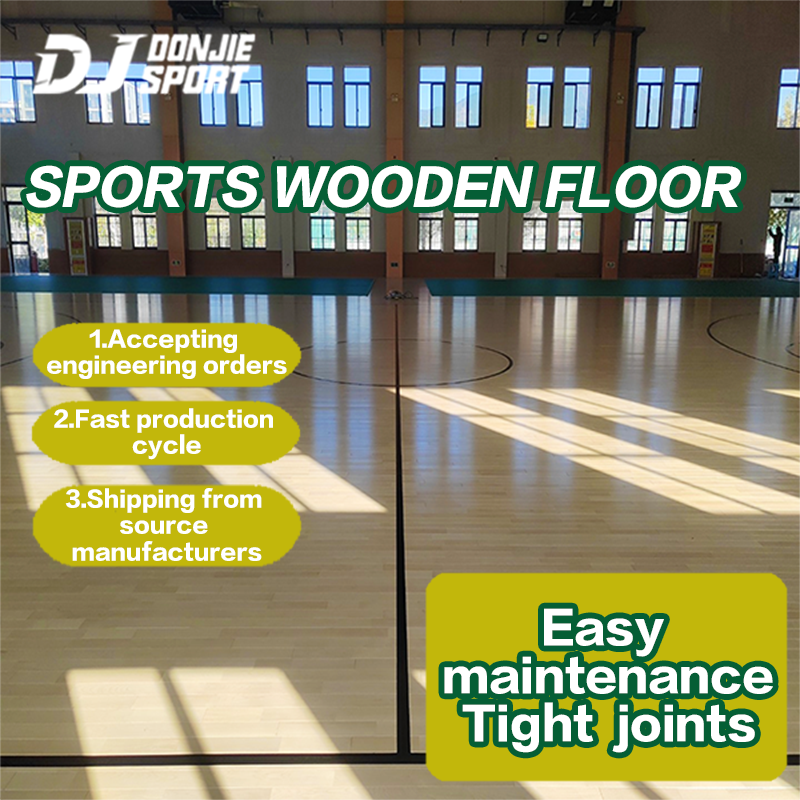
Wood flooring is a traditional and elegant choice for indoor sports courts. It is commonly found in multi-purpose gyms and arenas. Hardwood floors provide a firm, stable surface that is suitable for pickleball, as it offers a consistent bounce. However, wood floors require regular maintenance and can be prone to damage from moisture, so they may not be as durable in areas with high humidity.
Benefits of Wood Flooring:
-
Classic, professional appearance
-
Stable and firm surface for precise ball control
-
Offers a consistent bounce
-
Great for high-end, multi-use sports facilities
Interlocking Tiles
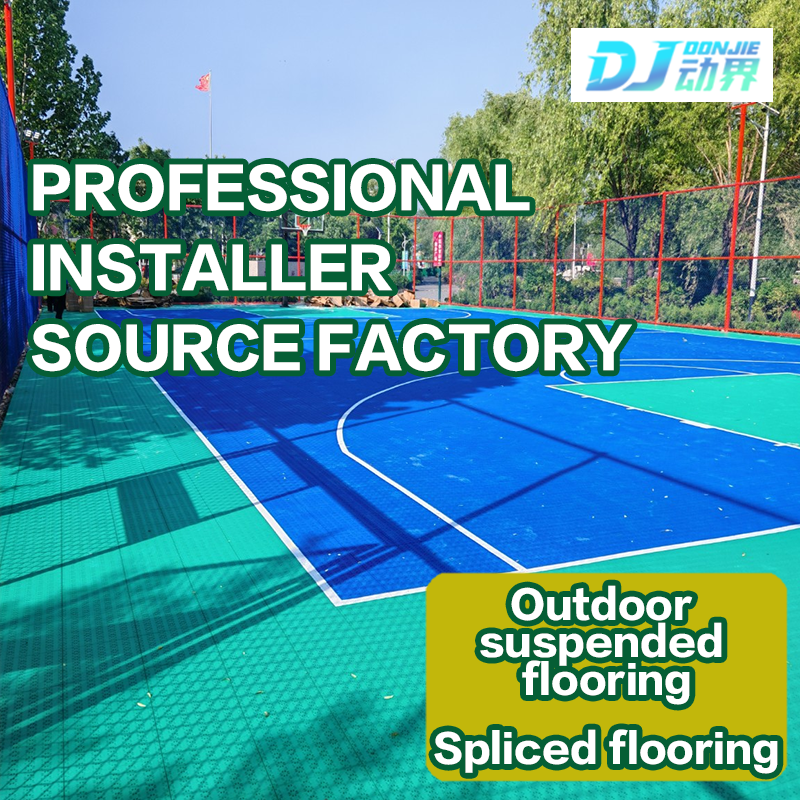
Interlocking tiles are a versatile option for pickleball courts. These tiles can be easily installed and replaced, offering flexibility for court layouts. They come in a range of materials, including rubber and PVC, allowing you to choose the material that best suits your needs. Interlocking tiles are ideal for temporary or mobile courts but are also durable enough for permanent installations.
Benefits of Interlocking Tiles:
-
Easy to install and replace
-
Modular design allows for customized court layouts
-
Durable and low-maintenance
-
Flexible installation options for temporary or permanent courts
How to Choose the Right Flooring for Your Pickleball Court
Choosing the best flooring for your indoor pickleball court depends on various factors. Here are some things to consider when making your decision:
Understand Your Needs
Consider the level of play your court will accommodate. For recreational play, comfort and safety might be your top priorities. For competitive environments, you’ll want flooring that offers a consistent bounce and smooth surface.
Evaluate Court Usage
Think about how often the court will be used. High-use courts will benefit from durable flooring options like PVC or rubber, which can withstand heavy traffic and wear. If the court will be used occasionally or for recreational purposes, less durable but comfortable options like interlocking tiles might be sufficient.
Budget Considerations
The cost of flooring materials varies widely, so be sure to factor in your budget. While PVC and rubber are typically affordable, premium options like hardwood floors or specialized vinyl might cost more upfront but could offer better long-term value due to their durability.
Maintenance and Longevity
Some flooring materials require more maintenance than others. Wood floors, for example, need regular refinishing, while PVC and vinyl are relatively low-maintenance. Consider how much time and effort you’re willing to dedicate to maintaining the court.
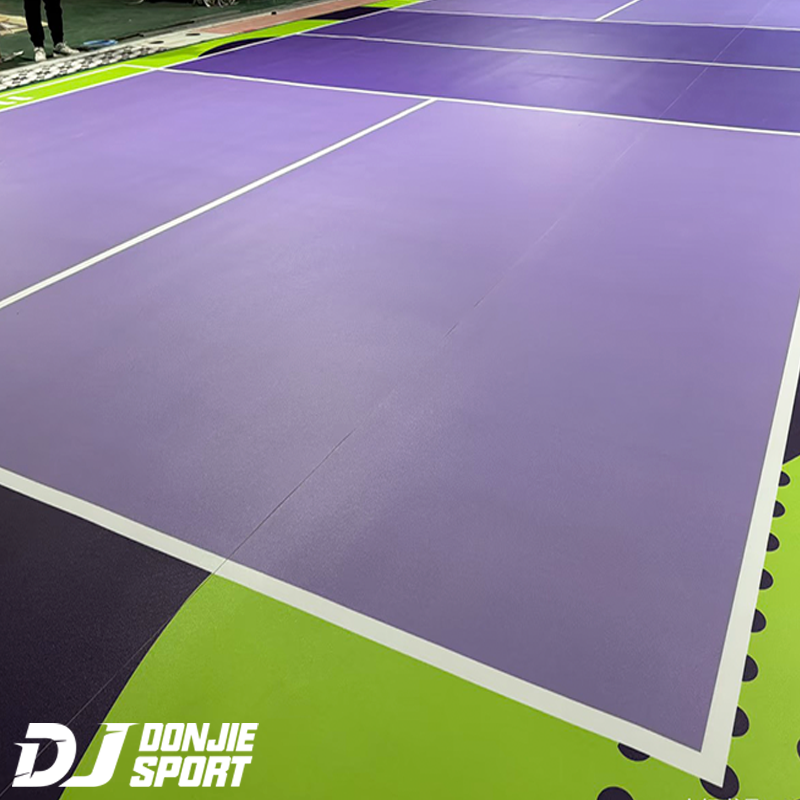
Installation Tips for Pickleball Flooring
Proper installation is essential for ensuring that your flooring performs at its best. Here are some tips for a successful installation:
-
Follow Manufacturer Guidelines: Always follow the installation guidelines provided by the flooring manufacturer to ensure proper performance.
-
Prepare the Subfloor: Ensure the subfloor is clean, dry, and level before installing the flooring material to avoid any future issues.
-
Allow Time for Adjustment: If installing vinyl or rubber, give the materials time to acclimate to the room temperature and humidity before installation.
-
Hire Professionals: For certain flooring options like wood or vinyl, it may be best to hire professional installers to guarantee the job is done correctly.
Conclusion
In conclusion, selecting the right indoor pickleball court flooring is key to optimizing player performance and ensuring a safe, comfortable environment. Whether you choose PVC, rubber, vinyl, wood, or interlocking tiles, each material has its unique benefits to offer. By carefully considering factors like durability, comfort, safety, and maintenance, you can create a high-performance court that suits both casual players and competitive athletes alike.