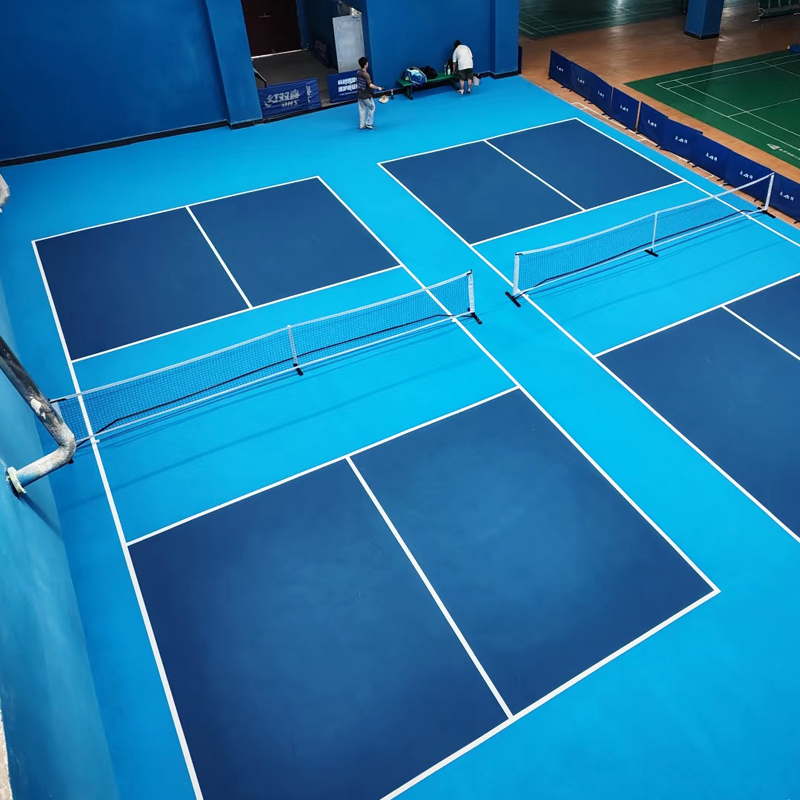
When it comes to indoor pickleball, the choice of flooring is not just about aesthetics or convenience; it’s about optimizing your game. The surface you play on significantly impacts your performance, the safety of the players, and the longevity of the court. Whether you’re playing in a recreational gym, a professional facility, or a home court, understanding the importance of indoor pickleball flooring is crucial to creating an environment that supports both competitive play and fun.
Indoor pickleball courts require a unique combination of durability, shock absorption, and traction to ensure optimal game play. A well-chosen flooring material can help prevent injuries, enhance player comfort, and provide a consistent bounce of the ball, all of which contribute to a better playing experience. In this article, we’ll explore various types of indoor pickleball flooring, the factors to consider when selecting the right surface, and practical advice for installation and maintenance.
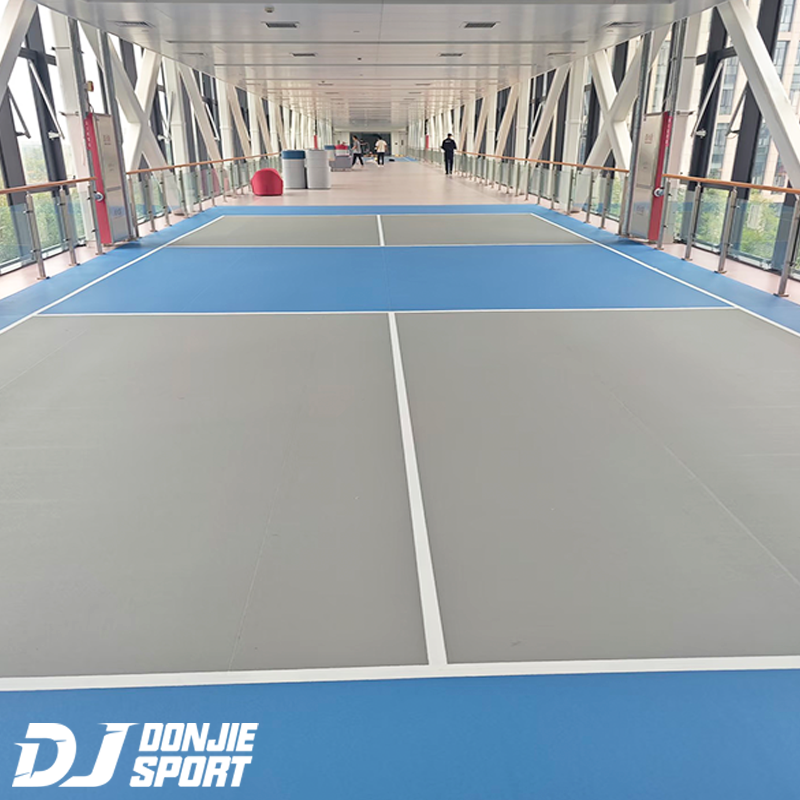
Why the Right Flooring Matters for Your Game
The choice of flooring plays a significant role in your performance on the court. Not only does it affect how the ball bounces, but it also influences how quickly you can move, how well you can pivot, and how comfortable you feel during extended play. Here’s a breakdown of why the right indoor pickleball flooring is essential:
The Role of Flooring in Enhancing Player Performance
A good flooring system provides the right amount of grip and cushioning, which helps players move efficiently and comfortably. When the surface offers the right balance of traction, players are able to make quick directional changes without fear of slipping. The surface also affects the ball’s bounce. Flooring with proper bounce characteristics ensures consistency in game play, which is crucial for both recreational and competitive matches.
How Flooring Choices Affect Ball Bounce and Movement
The ball bounce is directly influenced by the flooring material. A surface that is too soft might absorb too much energy from the ball, causing it to bounce lower than expected. On the other hand, overly hard surfaces may cause the ball to bounce too high, making it difficult to predict and control. Finding the perfect balance is key to providing players with an optimal playing experience. Flooring that maintains a consistent and predictable bounce allows players to focus on their game rather than adapting to unpredictable ball movements.
Injury Prevention: Cushioning and Shock Absorption
One of the most important aspects of indoor pickleball flooring is injury prevention. Players are constantly running, stopping, and pivoting, which can place a strain on their joints, particularly the knees and ankles. Flooring materials that offer shock absorption and cushioning can help reduce the impact on the body, decreasing the likelihood of injuries over time. Choosing the right flooring material can contribute to a safer, more enjoyable experience for players of all ages and skill levels.
Types of Indoor Pickleball Flooring Materials
Now that we understand why flooring matters, let’s look at some of the most popular flooring materials used for indoor pickleball courts:
PVC Flooring: Durability and Performance
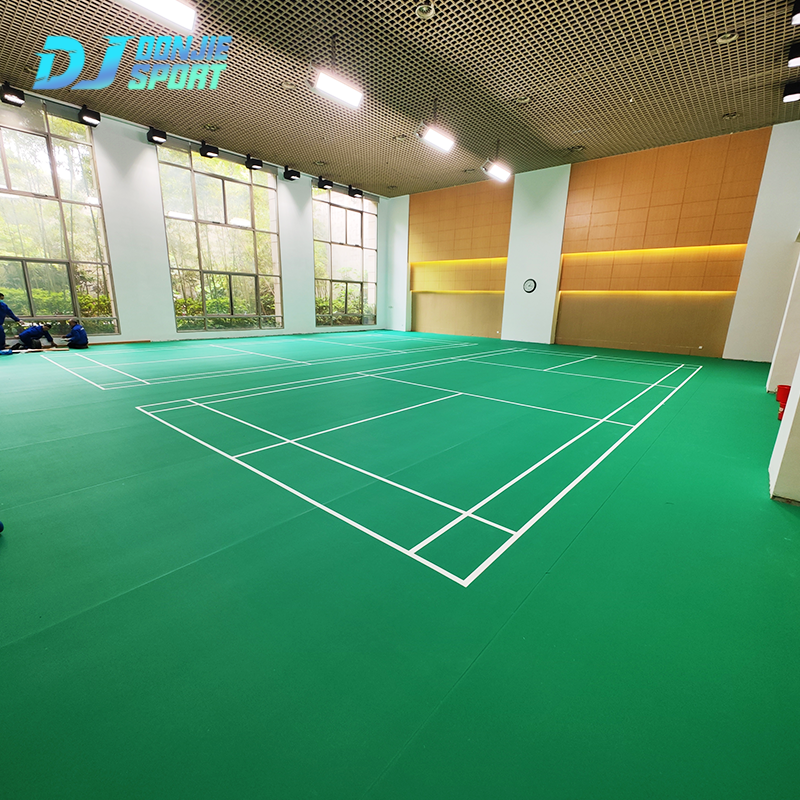
PVC flooring is one of the most common and reliable choices for indoor pickleball courts. This material is durable, resistant to wear and tear, and provides excellent cushioning. PVC floors are also moisture-resistant, making them ideal for indoor environments that may experience fluctuating humidity levels.
Pros:
-
Highly durable and low-maintenance
-
Offers consistent bounce
-
Resistant to moisture and spills
-
Ideal for multi-purpose courts
Cons:
-
Can be harder and less forgiving compared to rubber or wood
-
May require professional installation for optimal performance
PVC flooring is popular for both recreational and professional indoor courts due to its durability and performance characteristics.
Rubber Flooring: Comfort and Traction
Rubber flooring is another excellent option for indoor pickleball courts. It is softer than PVC, offering greater comfort and shock absorption. Rubber floors are known for their excellent traction, which minimizes the risk of slips during quick movements.
Pros:
-
Superior shock absorption
-
Reduces risk of slipping
-
Easy to maintain
-
Often quieter than other flooring options
Cons:
-
Less durable in high-traffic areas
-
May not offer the same ball bounce consistency as harder surfaces
Rubber flooring is ideal for gyms and multi-use facilities where safety and comfort are paramount. It’s especially great for recreational play, where comfort and injury prevention are the top priorities.
Wood Flooring: A Classic Option for Indoor Courts
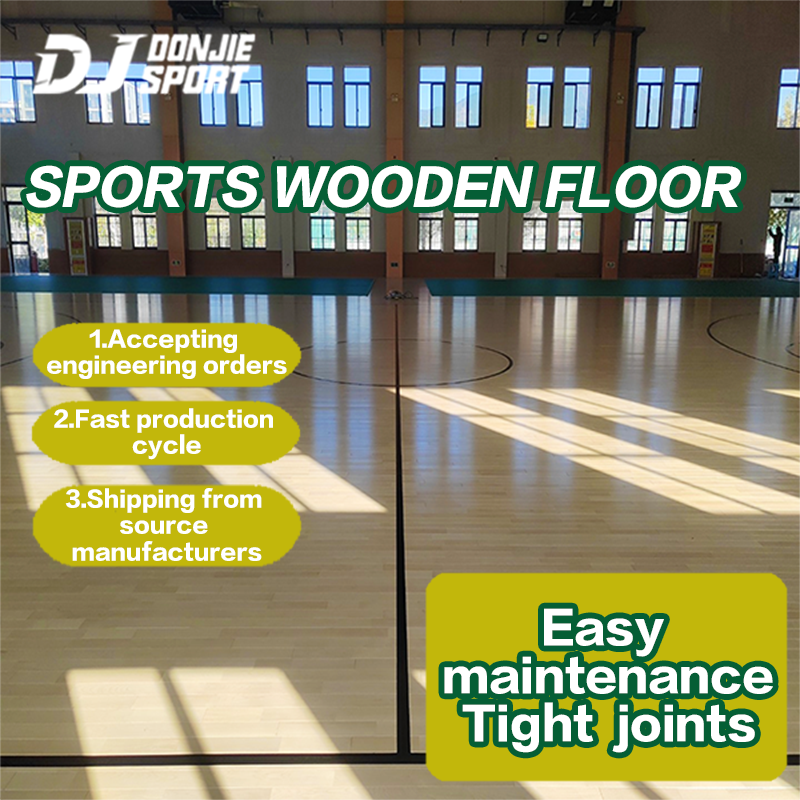
Wooden flooring is a classic choice for indoor sports courts, including pickleball. Hardwood floors, like maple, provide a smooth, firm surface with a predictable bounce, making them popular for both basketball and pickleball courts. The aesthetic appeal of wood also adds a touch of elegance to indoor sports facilities.
Pros:
-
Provides a consistent ball bounce
-
Ideal for competitive play
-
Aesthetically pleasing
Cons:
-
Requires regular maintenance (sanding, refinishing)
-
Can be slippery if not properly maintained
-
Can be prone to moisture damage if not properly sealed
Wood flooring is often found in more upscale sports facilities and arenas, making it a top choice for professional-level pickleball courts.
Modular Tile Flooring: Customization and Easy Installation
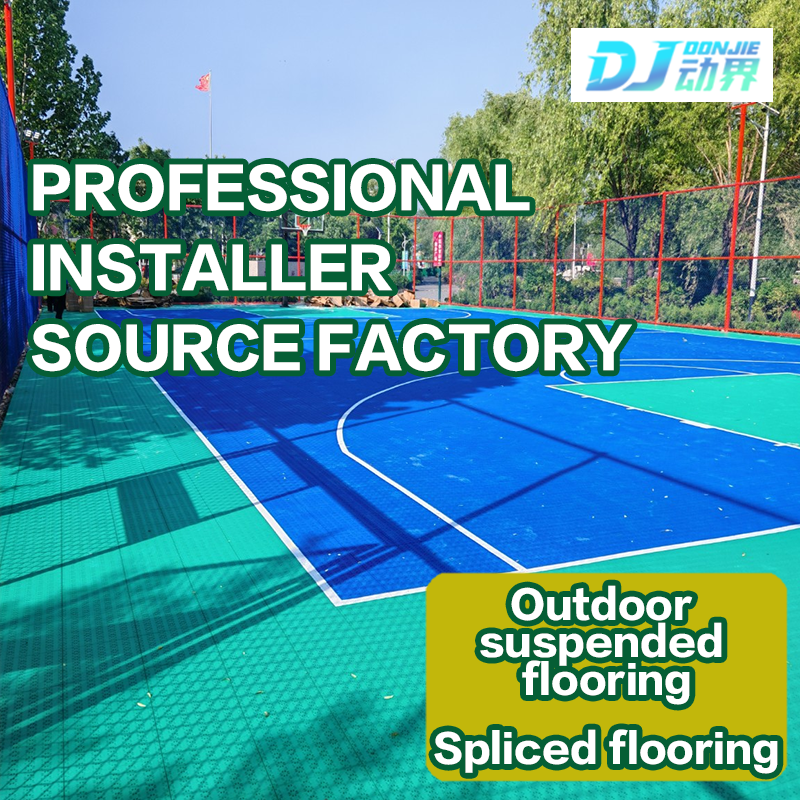
Modular interlocking tile flooring has become a popular choice for pickleball courts due to its ease of installation and customization. These tiles come in various materials, including PVC and rubber, and can be easily assembled without professional help. This flexibility makes modular tiles ideal for multi-use spaces and courts that need to be modified or relocated.
Pros:
-
Easy to install and maintain
-
Customizable to different court sizes and layouts
-
Durable and long-lasting
-
Provides a consistent bounce
Cons:
-
May not offer the same level of comfort as rubber flooring
-
Can shift over time if not properly installed
Modular tiles are particularly useful for facilities that need to set up or reconfigure courts quickly and efficiently.
Factors to Consider When Choosing Indoor Pickleball Flooring
Selecting the right indoor pickleball flooring is not just about the material itself, but how well it matches your specific needs. Here are some key factors to consider:
Court Usage and Frequency
If your court will be used frequently for competitive play, you’ll want a surface that can withstand heavy traffic and provide consistency. For recreational courts, comfort and safety may be higher priorities. Knowing how often the court will be used helps you make an informed decision about the type of flooring that will best serve your needs.
Court Location and Environmental Conditions
Temperature and humidity can affect the performance of different flooring materials. Some floors, like wood, may warp in areas with high moisture, while PVC and rubber floors are more resistant to environmental changes. Make sure to consider the climate in your area and the conditions of the building when selecting your flooring.
Budget: Balancing Quality and Cost
Quality flooring can be a significant investment, but it’s important to balance performance with your budget. While higher-end options like wood flooring may offer great aesthetics and performance, they may also require more maintenance and come with a higher upfront cost. PVC and modular tiles offer durability and ease of maintenance at a more affordable price point.
Maintenance and Longevity
Some flooring options require more maintenance than others. Wood flooring, for example, may need regular sanding and refinishing, while PVC and rubber floors are easier to clean and maintain. Consider the amount of time and money you’re willing to invest in upkeep when making your decision.

How to Install Indoor Pickleball Flooring: A Step-by-Step Guide
Installing indoor pickleball flooring varies depending on the material, but here’s a general overview of the process for each option:
-
PVC Flooring: Often requires professional installation, especially for larger courts. Ensure the subfloor is level before installation.
-
Rubber Flooring: Typically comes in tiles or rolls and can be installed by a DIYer with the right tools.
-
Wood Flooring: Usually requires professional installation due to the need for precise measurement and finishing.
-
Modular Tiles: The easiest to install yourself. Simply interlock the tiles and ensure they’re securely placed.
Selecting the Best Indoor Pickleball Flooring for Your Court
Choosing the right indoor pickleball flooring is a decision that should not be taken lightly. The right surface will not only improve the game experience but also ensure player safety and court durability. Whether you choose PVC for its durability, rubber for comfort, wood for aesthetics, or modular tiles for convenience, each material offers unique advantages. Consider your budget, the frequency of court use, and environmental conditions to make the best decision.