Pickleball court flooring plays a decisive role in how the game is played, experienced, and enjoyed. Whether the court is installed indoors or outdoors, the surface directly affects player movement, ball bounce, safety, and long-term maintenance. Choosing the right pickleball court flooring requires a clear understanding of how indoor and outdoor environments influence performance and durability.
Indoor vs. outdoor pickleball court flooring is not simply a matter of location. Each setting demands specific materials, surface textures, and structural features designed to meet different challenges. From climate exposure to player comfort, the right flooring choice can significantly elevate the quality of play and extend the lifespan of the court.
Indoor vs. Outdoor Court Considerations
When planning a pickleball court, deciding between an indoor or outdoor facility will significantly influence the choice of flooring materials.
Indoor Courts:
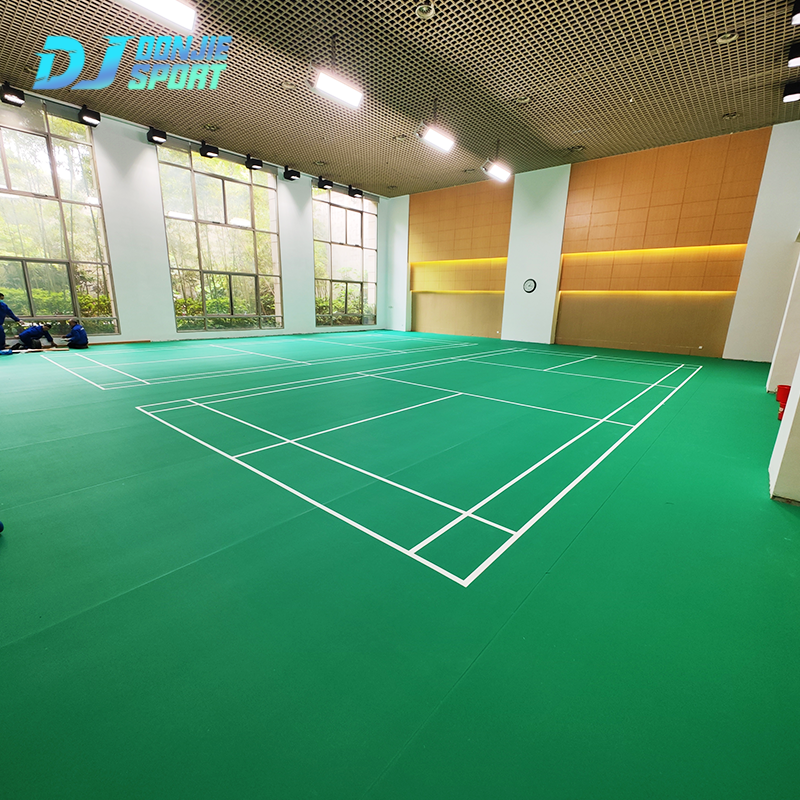
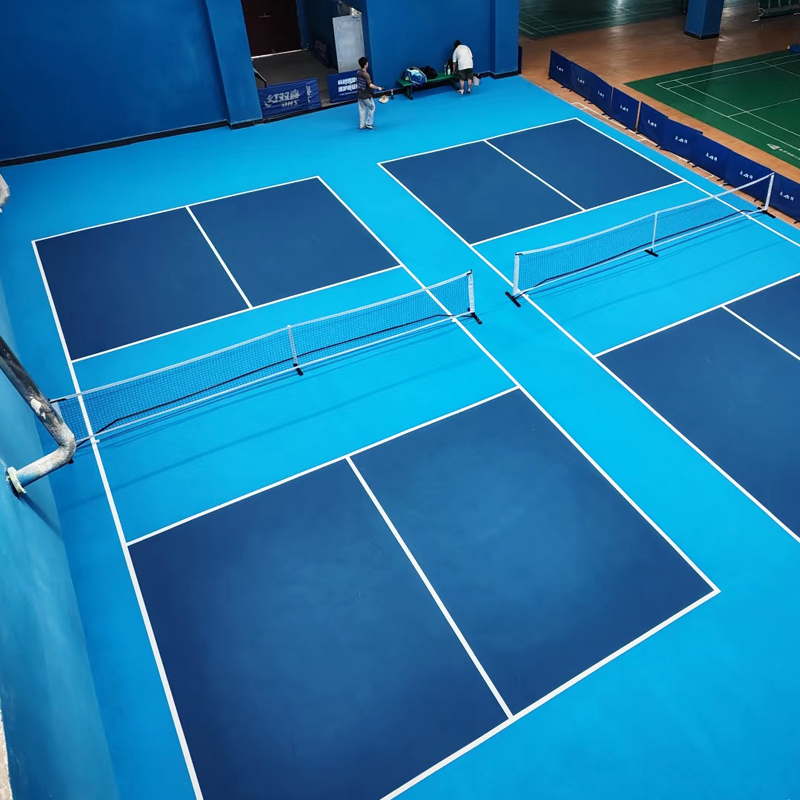
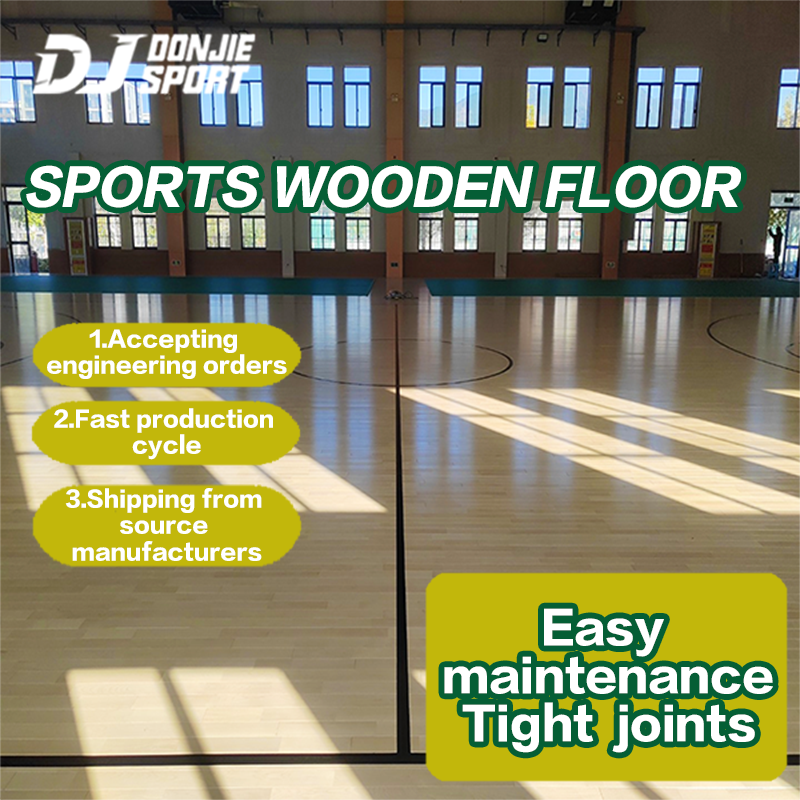
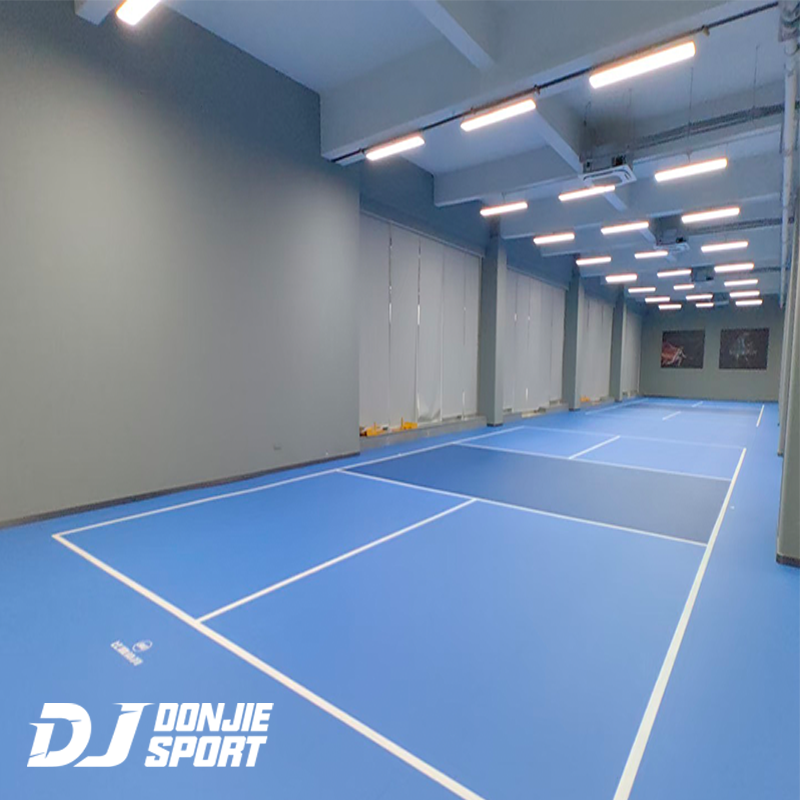
Indoor courts are typically housed in gyms, recreation centers, or sports complexes. These environments are controlled, meaning factors like weather, temperature, and UV exposure are not concerns. The primary focus for indoor courts is ensuring excellent traction, shock absorption, and a smooth, even surface to prevent tripping hazards. Additionally, the surface should minimize glare from overhead lighting, which can interfere with players’ vision during fast rallies.
Outdoor Courts:
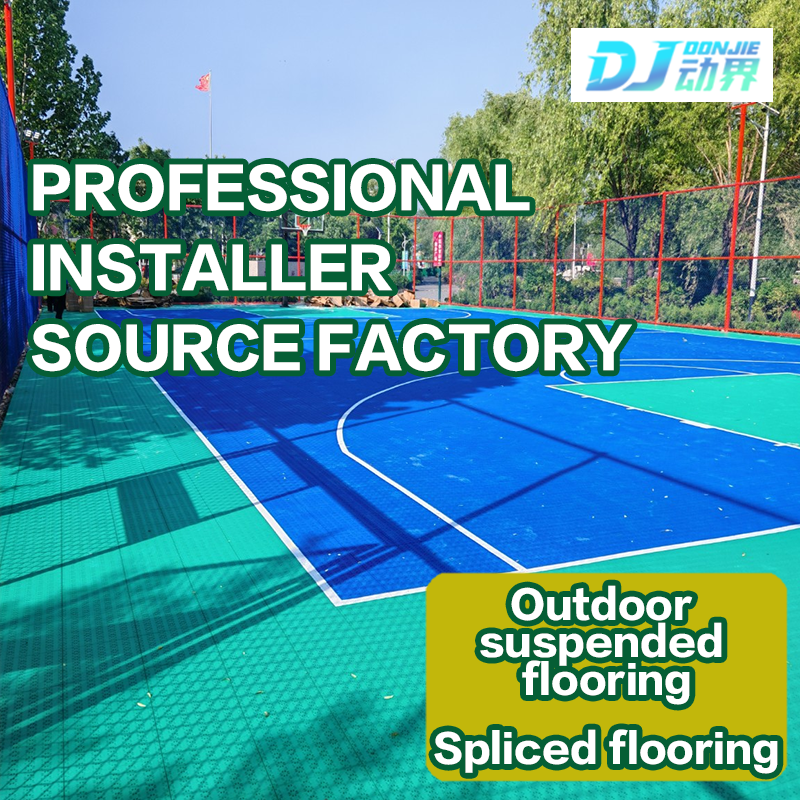
Outdoor courts are exposed to varying weather conditions, including sunlight, rain, and temperature fluctuations. As such, the flooring material must be weather-resistant, with strong UV protection to prevent fading and cracking. Additionally, outdoor courts should be slip-resistant, even when wet, to reduce the risk of accidents. Drainage capabilities are also crucial to prevent water accumulation after rain, which could delay games and damage the surface over time.
What Location Considerations Matter for Indoor and Outdoor Builds?
Indoor Court Locations
Building an indoor court requires an enclosed structure with:
- A minimum ceiling height of 18 to 20 feet
- A flat, level floor
- Proper ventilation, heating, and cooling systems
- Access to electrical connections for lighting and scoreboards
Indoor spaces are often shared with other sports or programs. Facilities like community centers and school gyms use portable nets and court markers to switch between activities.
Outdoor Court Locations
Outdoor courts are usually placed in open areas such as:
- Public parks
- HOA common areas
- Schoolyards
- Residential backyards
Before building outdoors, make sure the land has good drainage and minimal slope. A flat, open surface with access to utilities (if lighting is planned) is ideal. You should also check for zoning restrictions or neighborhood regulations that may affect fencing, lighting, or noise.
The location you choose plays a major role in the success of your indoor vs outdoor pickleball court project. For example, in rainy or snowy regions, indoor facilities provide greater reliability. In sunny, dry climates, outdoor courts offer cost-effective and accessible options.
The Future of Pickleball
The future of pickleball courts is exciting as technology continues to innovate the sports landscape. From pickleball mats designed with sustainable materials to AI-powered coaching programs, the next generation of courts emphasizes accessibility and innovation.
Modular Court Technology: Modular pickleball court floors feature interlocking systems for quick setups and takedowns, making them suitable for both indoor and outdoor applications.
Sustainability Initiatives: Manufacturers are increasingly developing eco-friendly pickleball mat options, prioritizing sustainability in sports facility setups.
Smart Courts: The integration of sensors that track game stats and player performance on pickleball court surfaces is gaining traction.
Indoor vs. Outdoor Pickleball Court Flooring: A Detailed Comparison
Comparing indoor vs. outdoor pickleball court flooring highlights the importance of aligning surface choice with usage conditions.
Performance Differences in Indoor and Outdoor Pickleball Court Flooring
Indoor pickleball court flooring delivers predictable ball bounce and smoother movement, while outdoor surfaces may feel slightly firmer due to durability-focused construction.
Safety and Injury Prevention Across Different Pickleball Court Flooring Types
Indoor pickleball court flooring generally offers better shock absorption, while outdoor pickleball court flooring focuses on slip resistance and stability under varying conditions.
Cost Considerations for Indoor and Outdoor Pickleball Court Flooring
Indoor pickleball court flooring may have higher upfront material costs, whereas outdoor pickleball court flooring often requires more investment in base preparation and resurfacing over time.
Installation Requirements for Indoor and Outdoor Pickleball Court Floors
Indoor installations are typically faster and less complex. Outdoor pickleball court flooring requires careful site preparation, drainage planning, and weather considerations.
Long-Term Maintenance Comparison of Pickleball Court Flooring
Indoor pickleball court flooring is easier to maintain, while outdoor surfaces demand periodic inspections and weather-related upkeep.
How to Choose the Right Pickleball Court Flooring for Your Facility
Selecting the right pickleball court flooring depends on practical and performance-related factors.
Assessing Usage Frequency and Player Skill Level
High-traffic courts and competitive play require premium pickleball court flooring with enhanced durability and comfort.
Climate and Environmental Factors Affecting Pickleball Court Flooring
Local weather conditions heavily influence whether indoor or outdoor pickleball court flooring is the better investment.
Budget Planning for Indoor and Outdoor Pickleball Court Flooring
Balancing initial installation costs with long-term maintenance helps determine the most cost-effective pickleball court flooring solution.
Customization Options for Pickleball Court Flooring Surfaces
Color schemes, line markings, and surface textures allow facilities to tailor pickleball court flooring to branding or functional needs.
Future Trends in Indoor and Outdoor Pickleball Court Flooring
Advancements in materials and modular systems are shaping the future of pickleball court flooring. Improved shock absorption, eco-friendly materials, and faster installation methods are becoming standard across indoor and outdoor applications.
Final Thoughts on Selecting the Best Pickleball Court Flooring
Indoor vs. outdoor pickleball court flooring is a decision that impacts performance, safety, and longevity. Understanding the strengths and limitations of each option ensures a surface that supports both players and facility goals. The right pickleball court flooring creates a reliable foundation for enjoyable and competitive play.